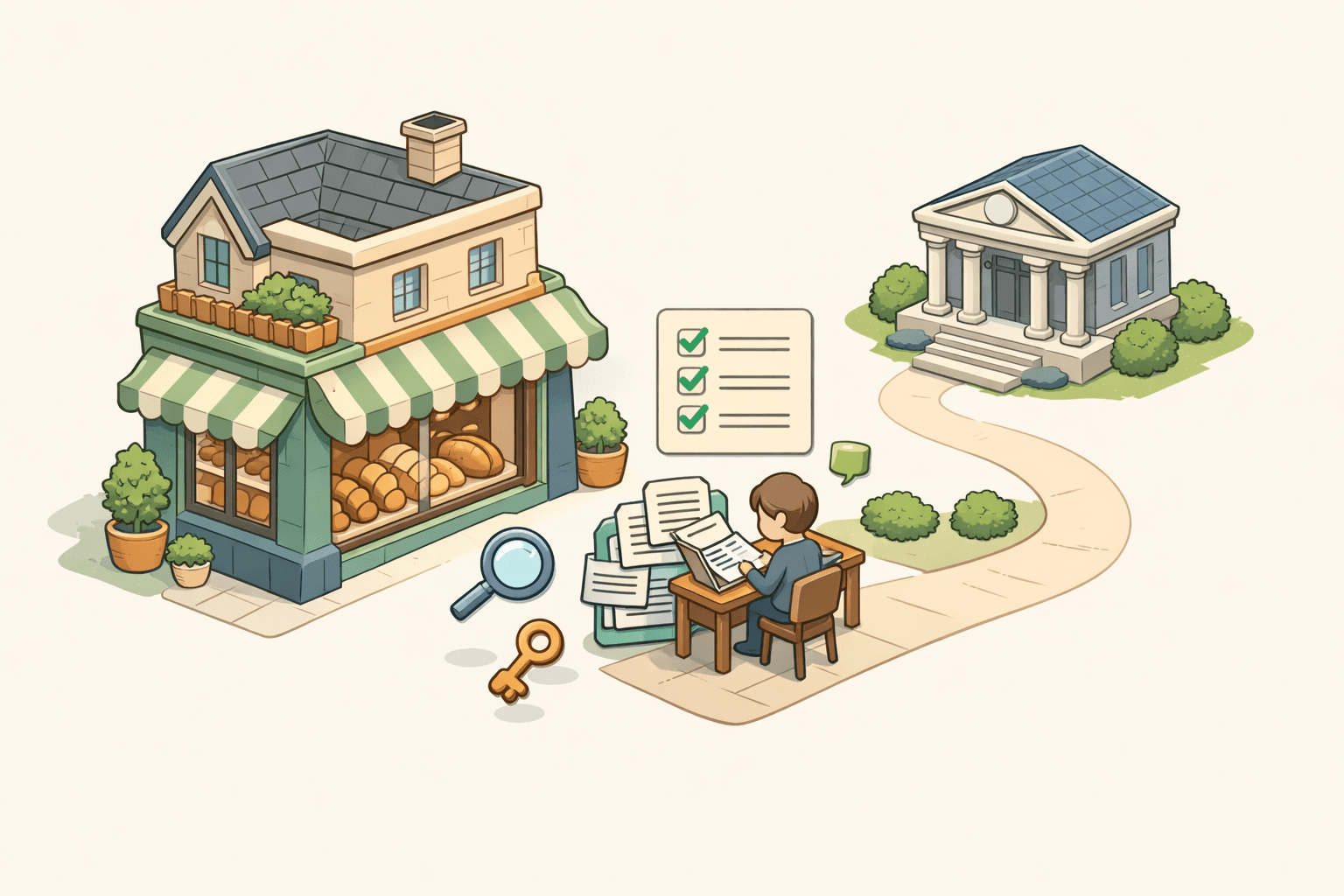
Starting or growing a small artisanal bakery is an exciting venture — but funding it often means navigating the world of small business lending. The Small Business Administration (SBA) offers loan programs that can provide the capital you need at competitive terms, making them a popular choice among food entrepreneurs. That said, the application process requires careful preparation. Knowing what documents needed for SBA loan for a small artisanal bakery before you apply can save you considerable time and improve your chances of approval. Whether you're launching from scratch or expanding an existing operation, this guide walks you through every document category lenders typically expect to see.
Why SBA Loans Are a Strong Fit for Artisanal Bakery Startups
Artisanal bakeries occupy a unique space in the food industry. They tend to be small, craft-focused businesses that rely on quality ingredients, skilled labor, and community relationships. These characteristics can make conventional bank lending challenging, especially for newer operations without a long financial track record.
That's where SBA-backed financing steps in. Because the SBA partially guarantees the SBA loan on behalf of the lender, banks and credit unions may be more willing to extend credit to food businesses that might not otherwise qualify for traditional financing. The most common options for a bakery startup SBA loan include the SBA 7(a) program for general working capital and equipment purchases, and the SBA Microloan program for smaller funding needs — often ideal for artisan food producers just getting started.
Lower down payment requirements, longer repayment terms, and capped interest rates are among the reasons small business owners in the food sector often pursue SBA financing. However, the trade-off is a more thorough documentation process. Lenders need to verify your business identity, financial health, and repayment capacity before committing funds.
Core Business Documents Every Bakery Applicant Must Provide
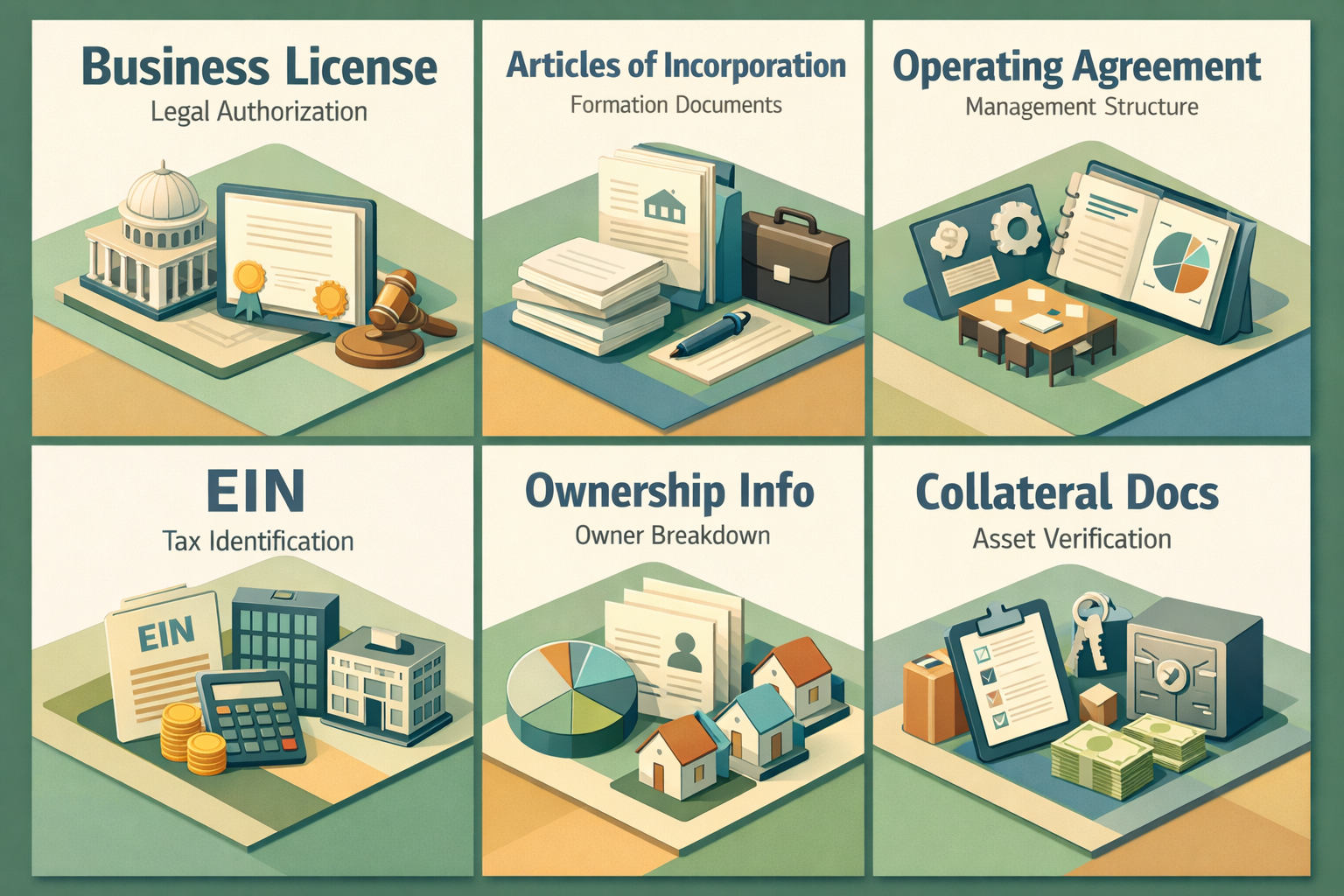
Regardless of which SBA loan program you're applying for, certain foundational business documents are almost universally required. These establish your bakery's legal identity and organizational structure in the eyes of the lender.
- Business license and permits: As a food business, your bakery will likely need a general business license, a food handler's permit, and possibly a health department certification. Lenders want to confirm you're legally authorized to operate.
- Articles of incorporation or organization: If your bakery is structured as an LLC, corporation, or partnership, you'll need to provide the formation documents filed with your state.
- Operating agreement or bylaws: These internal governance documents show how your business is managed and who holds ownership stakes.
- Employer Identification Number (EIN): Your EIN, issued by the IRS, is essential for tax identification and is required on most SBA applications.
- Ownership and affiliation information: Lenders will ask for a breakdown of all owners who hold 20% or more of the business, along with information about any affiliated entities.
Getting these documents organized early can significantly streamline your application. Many lenders also appreciate a well-organized digital file, so consider scanning and categorizing everything before your first meeting with a loan officer.
Financial Records That Demonstrate Your Bakery's Repayment Ability
Financial documentation is at the heart of any SBA loan review. Lenders need to assess whether your bakery generates — or is projected to generate — enough revenue to repay the debt. Here's what you'll typically need to compile:
- Business tax returns: If your bakery has been operating for at least one to three years, lenders will request your federal business tax returns for that period. These provide a verified snapshot of revenue, expenses, and profitability.
- Personal tax returns: Because SBA loans often require a personal guarantee, lenders will also review your personal federal tax returns — typically for the past two to three years.
- Profit and loss (P&L) statements: Year-to-date P&L statements help lenders understand your current financial performance, especially if recent results differ from prior years.
- Balance sheet: A current balance sheet shows your assets, liabilities, and owner's equity, giving lenders a picture of your overall financial position.
- Bank statements: Most lenders request three to six months of business bank statements to verify cash flow patterns and average account balances.
For a bakery startup SBA loan where no historical financials exist yet, lenders will rely more heavily on projected financial statements and your business plan. These projections should be realistic, data-supported, and cover at least two to three years of anticipated operations.
What Documents Needed for SBA Loan for a Small Artisanal Bakery When It Comes to Your Business Plan
Understanding what documents needed for SBA loan for a small artisanal bakery wouldn't be complete without discussing the business plan. For startup applicants especially, a thorough business plan may carry as much weight as financial documents — because it's your primary tool for demonstrating viability and vision.
A strong SBA-ready business plan for your bakery should typically include:
- Executive summary: A concise overview of your bakery concept, mission, and the loan amount you're requesting along with how you intend to use the funds.
- Business description: Details about your artisan offerings, production methods, target market, and what makes your bakery distinct from competitors.
- Market analysis: Research on local demand for artisanal baked goods, competitor landscape, pricing trends, and your target customer profile.
- Operations plan: Information about your production facility, equipment needs, staffing model, supplier relationships, and daily workflows.
- Marketing and sales strategy: How you plan to attract and retain customers — whether through farmers markets, retail storefronts, wholesale accounts, or online channels.
- Financial projections: Projected income statements, cash flow forecasts, and balance sheets for at least two to three years, supported by reasonable assumptions.
Lenders reviewing food business loan requirements want to see that you understand the challenges of the industry — including seasonal fluctuations, ingredient cost volatility, and labor considerations — and that you have a credible plan to manage them.
Collateral, Personal Guarantees, and Other Supporting Requirements
SBA loans are not unsecured financing products. Depending on the loan size and program, lenders may require collateral to back the loan. For a bakery, this could include commercial kitchen equipment, fixtures, leasehold improvements, or in some cases real estate.
Here's what to be prepared for in this category:
- Collateral documentation: If you're pledging business assets, you'll need appraisals or purchase invoices for equipment, and potentially a commercial lease agreement showing your occupancy rights.
- Personal financial statement (SBA Form 413): This standardized form gives lenders a complete picture of your personal assets, liabilities, and net worth. It's typically required for all owners holding 20% or more of the business.
- Personal guarantee agreement: SBA loans generally require personal guarantees from all majority owners, meaning personal assets may be at risk if the business defaults.
- Resume or background statement: Especially relevant for startups, many lenders want to see the owner's professional background, culinary training, or business management experience to assess operational competency.
These requirements may feel extensive, but they serve a practical purpose: they help lenders make informed decisions and allow creditworthy borrowers to access better terms than they might find elsewhere in the market.
Food Business Loan Requirements Specific to Bakery Operations
Beyond the standard SBA documentation checklist, bakery applicants may face additional food business loan requirements related to the nature of the industry. Lenders who specialize in or frequently work with food businesses often look for the following:
- Commercial kitchen lease or ownership documents: Whether you're operating from a rented commercial space, a shared kitchen, or your own facility, lenders want to see your occupancy arrangement and its terms.
- Health and safety certifications: Proof of food safety certifications — such as ServSafe or equivalent credentials — may strengthen your application by demonstrating regulatory compliance.
- Supplier agreements or vendor contracts: Letters of intent or formal agreements with flour mills, dairy suppliers, or specialty ingredient vendors can help validate your supply chain stability.
- Sales history or wholesale accounts: If you already sell to local restaurants, grocery stores, or cafes, documentation of these accounts — such as invoices or distribution agreements — supports your revenue projections.
- Equipment list with valuations: A detailed list of your bakery equipment — ovens, proofers, mixers, refrigeration units — along with estimated values or purchase receipts helps lenders assess both collateral and capital needs.
These industry-specific items help paint a fuller picture of your business's operational readiness and market position. The more context you can provide, the more confident a lender may feel about extending credit to your SBA loan for your artisanal bakery venture.
Practical Tips for Organizing and Submitting Your SBA Loan Application
Gathering the right documents is only half the battle — presenting them clearly and professionally can make a meaningful difference in how your application is received. Here are some practical strategies to consider:
- Work with an SBA-preferred lender: These lenders have streamlined authority to approve SBA loans without going back to the SBA for each decision, which can speed up processing time significantly.
- Use a checklist: Create a master document checklist organized by category — business documents, financial records, business plan, and collateral — and check off each item as it's gathered and reviewed.
- Be transparent about weaknesses: If your credit history has blemishes or your business is pre-revenue, address these proactively in your application narrative. Lenders tend to respond better to candor than to gaps they discover on their own.
- Consult a SCORE mentor or SBDC advisor: Small Business Development Centers (SBDCs) and SCORE offer free or low-cost guidance specifically designed for entrepreneurs navigating SBA loan applications. Their support can be especially valuable for first-time borrowers.
- Double-check SBA form requirements: The SBA has specific forms — such as Form 1919 (borrower information) and Form 413 (personal financial statement) — that must be completed accurately. Errors or omissions can delay processing.
Staying organized, asking questions early, and building relationships with lenders who understand the food industry can all contribute to a smoother application experience for your artisanal bakery.
●Conclusion
Understanding what documents needed for SBA loan for a small artisanal bakery is the first step toward securing the funding that can bring your baking vision to life. From business licenses and tax returns to a compelling business plan and food-specific certifications, each document plays a role in helping lenders evaluate your creditworthiness and operational readiness. While the process may seem demanding at first, it's designed to ensure both you and the lender are set up for a successful lending relationship. At LoanWise, we're here to help small business owners like you navigate the lending landscape with confidence. Connect with a knowledgeable loan advisor today to explore SBA financing options tailored to your bakery's unique needs.