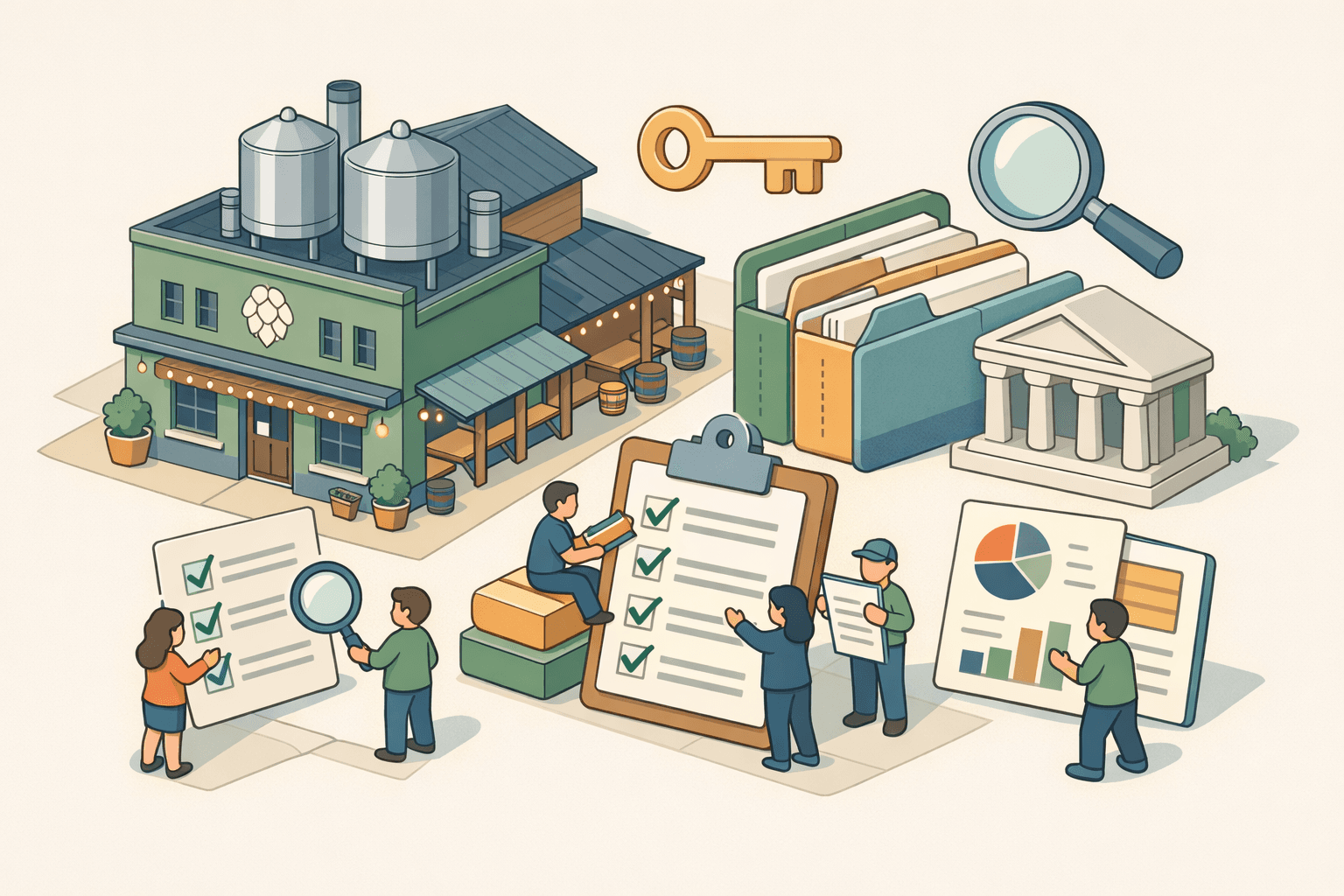
Opening a craft brewery is an exciting venture, but turning your passion for brewing into a profitable business requires serious capital. From commercial-grade equipment and licensing to build-out costs and initial inventory, the startup expenses can add up quickly. That's where Small Business Administration (SBA) loans come in. They're one of the most popular financing options for new entrepreneurs because they offer competitive terms, lower down payments, and longer repayment periods than many conventional loans. However, before a lender approves your application, you'll need to present a thorough and well-organized set of documents. Understanding what documents are needed for an SBA loan for a new craft brewery startup is your first critical step toward securing the funding you need to launch your dream business.
Why SBA Loans Are a Strong Fit for Craft Brewery Startups
Craft breweries sit at an interesting intersection of manufacturing, retail, and hospitality — which makes financing them a unique challenge for traditional lenders. Many banks are hesitant to fund new food and beverage businesses because of the perceived risk. SBA loan programs, particularly the SBA 7(a) loan and the SBA 504 loan, are specifically designed to support small businesses that might not qualify for conventional financing on their own.
The SBA doesn't lend money directly. Instead, it guarantees a portion of the loan through an approved lender, which reduces the lender's risk and makes it more likely they'll approve your application. For a craft brewery startup, this guarantee can be the difference between getting funded and being turned away.
- SBA 7(a) loans are flexible and can cover working capital, equipment, inventory, and even real estate.
- SBA 504 loans are better suited for major fixed assets like commercial property or large-scale brewing equipment.
- SBA Microloans may work for smaller startups needing under $50,000 to get off the ground.
Knowing which program fits your brewery model is important, but gathering the right documentation is equally essential — regardless of which SBA product you pursue.
The Core Personal and Business Documents You'll Need
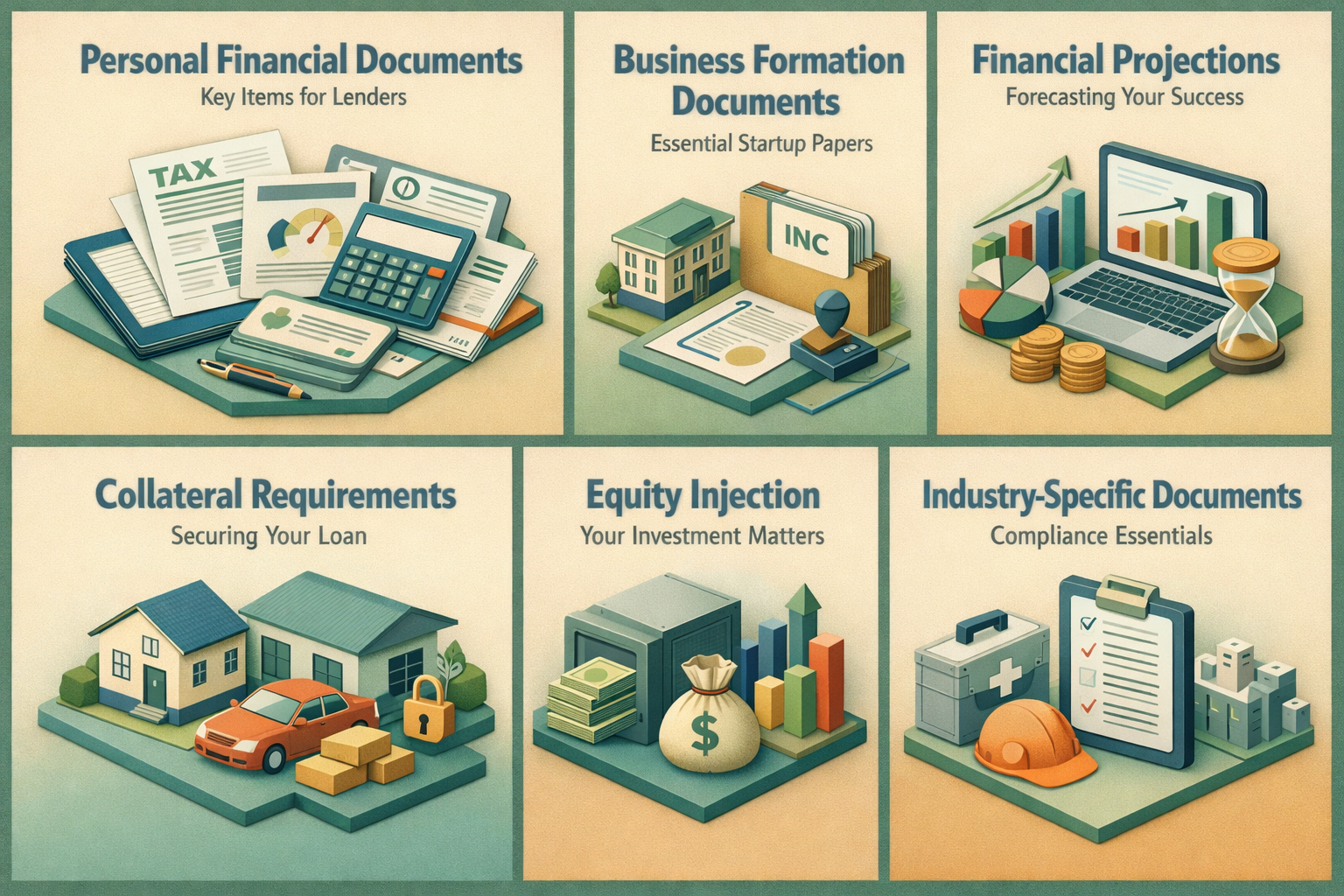
Lenders evaluating an SBA loan application want to assess both the business's potential and the borrower's personal financial health. Since you're launching a new craft brewery with little to no operating history, your personal financial profile will carry significant weight in the underwriting process.
Personal Financial Documents
- Personal tax returns: Typically, lenders request the last two to three years of personal federal tax returns. These help confirm your income history and overall financial stability.
- Personal financial statement: The SBA Form 413 is a standard personal financial statement that lists your assets, liabilities, income, and expenses.
- Government-issued ID: A valid driver's license or passport is required to verify your identity.
- Resume or professional biography: For a startup, lenders want to understand your experience in the brewing industry, business management, or food and beverage operations.
Business Formation Documents
- Business plan: This is arguably the most critical document for a startup. Your business plan should include an executive summary, market analysis, competitive landscape, operational plan, and detailed financial projections for at least three years.
- Business licenses and permits: Craft breweries must hold federal and state brewing licenses, a TTB (Alcohol and Tobacco Tax and Trade Bureau) Brewer's Notice, and local permits. Providing proof that you've started or completed this process shows lenders you're serious.
- Articles of incorporation or organization: Depending on whether your brewery is structured as an LLC, S-Corp, or C-Corp, you'll need the formation documents filed with your state.
- Operating agreement or bylaws: These documents outline ownership structure and decision-making authority.
- Employer Identification Number (EIN): Issued by the IRS, your EIN is essential for tax and financial reporting purposes.
Financial Projections and Startup Cost Breakdowns for Your Brewery
Because your craft brewery is a new business, you won't have years of financial statements to hand over. This is where your financial projections become extremely important. Lenders use these documents to evaluate whether your business model is realistic and whether you'll be able to repay the loan.
What to Include in Your Financial Projections
- Projected income statements: Month-by-month revenue and expense forecasts for the first year, followed by annual projections for years two and three.
- Cash flow projections: Showing when money comes in versus when bills go out helps lenders assess your ability to meet loan payments during slower months.
- Projected balance sheet: A snapshot of your anticipated assets, liabilities, and equity at the end of each projected year.
- Break-even analysis: Demonstrating the sales volume needed to cover all your costs signals that you understand your numbers.
Startup Cost Documentation
You'll also need to provide a detailed breakdown of how you plan to use the loan funds. For a craft brewery, this typically includes:
- Commercial brewing equipment (fermenters, kettles, kegs, canning or bottling lines)
- Leasehold improvements or construction costs for your taproom or production facility
- Initial raw material inventory (malt, hops, yeast, packaging)
- Licensing and permitting fees
- Marketing and branding launch expenses
- Working capital reserves for the first several months of operations
Getting quotes from vendors and contractors to support these numbers will strengthen your application considerably.
Collateral, Equity Injection, and Ownership Disclosure Requirements
SBA lenders typically require some form of collateral to secure the loan, though collateral requirements can vary by lender and loan program. For a new craft brewery, collateral might include brewing equipment, real property, or other business assets. In some cases, a lender may place a lien on personal assets if business collateral is insufficient.
Equity Injection Documentation
Most SBA loan programs require borrowers to contribute a portion of the total project cost out of pocket — often referred to as an equity injection. For startup businesses, this amount is commonly around 10% to 30% of total project costs, though the exact amount can vary. You'll need to document where these funds are coming from, which may include:
- Recent bank statements (typically the last three months) showing sufficient personal funds
- Gift letters if a portion of the funds is coming from a family member
- Documentation of any other financing sources contributing to the project
Ownership and Affiliate Disclosure
The SBA requires full transparency around business ownership. You'll need to disclose all owners holding 20% or more of the business and provide their personal financial statements as well. If you have affiliated businesses, those financials may need to be disclosed too. Lenders need this information to properly assess total debt obligations and ensure compliance with SBA size standards for small businesses.
Real Estate and Lease Documents for Your Brewery Location
Your brewery's physical location is central to your business model, and lenders will want documentation related to where you plan to operate. Whether you're leasing a commercial space or purchasing a building outright, different documents will be required.
If You're Leasing a Space
- Signed lease agreement or letter of intent: Lenders want to see the terms of your tenancy, including the lease length, monthly rent, and any renewal options. A longer lease term (such as 10 years) can actually strengthen your application because it signals business stability.
- Landlord contact information: The lender may want to verify lease details directly with the property owner.
If You're Purchasing Commercial Real Estate
- Purchase agreement: A signed contract outlining the terms of the property acquisition.
- Property appraisal: An independent appraisal establishes the market value of the property being financed.
- Environmental assessment: Especially relevant for industrial or manufacturing spaces, lenders may require a Phase I environmental site assessment to rule out contamination risks.
For craft breweries that plan to operate a taproom alongside a production facility, the lease or purchase documents become even more significant, as the location often plays a major role in the business's revenue projections.
Industry-Specific Documents Unique to a Craft Brewery Application
One thing that sets a craft brewery SBA loan application apart from a typical retail or service business is the regulatory and industry-specific documentation involved. Lenders familiar with the alcohol beverage industry will expect to see certain items that speak directly to your brewery's compliance and operational readiness.
- TTB Brewer's Notice application or approval: The federal license required to brew and sell beer in the United States. Having this in progress or approved signals regulatory compliance.
- State brewery license or application: Each state has its own licensing process for breweries and taprooms. Some lenders may want to see that this is underway before approving funding.
- Local health and zoning permits: Especially relevant if you'll be operating a taproom or serving food on-site.
- Equipment vendor quotes or purchase agreements: Lenders want to see that brewing equipment costs are grounded in real market pricing, not estimates.
- Recipes or production plans (optional but helpful): While not always required, some lenders appreciate a brief production overview that explains your product line and anticipated output capacity.
These industry-specific documents help lenders understand the operational complexity of your business and validate the loan amounts you're requesting. A brewery that's already navigating the licensing process demonstrates proactive planning — something lenders tend to view favorably.
Tips for Organizing and Presenting Your SBA Loan Application
Understanding what documents are needed for an SBA loan for a new craft brewery startup is one thing — presenting them effectively is another. A disorganized application can create doubt in a lender's mind, even if your financials are strong. Here are some practical tips to put your best foot forward.
- Work with an SBA-preferred lender: These lenders have streamlined approval authority and experience with SBA loan programs, which can speed up the process considerably.
- Organize documents into clear sections: Use labeled folders or tabs for personal documents, business formation records, financial projections, real estate documents, and licensing materials.
- Be upfront about your startup status: Don't try to hide the fact that your brewery has no operating history. Instead, let your business plan, relevant industry experience, and thorough financial projections tell the story of why you'll succeed.
- Get professional help: A small business accountant or SBA loan consultant can help you prepare financial projections that are realistic and properly formatted for lender review.
- Double-check every SBA form: Common SBA forms like the SBA Form 1919 (Borrower Information Form) and SBA Form 413 (Personal Financial Statement) must be filled out completely and accurately. Errors or omissions can delay your application.
- Start early: The SBA loan process can take several weeks to a few months. Beginning your document preparation well before you need the funds gives you time to gather everything without rushing.
Being thorough, transparent, and proactive in your document preparation won't just speed up the process — it can also improve your credibility as a borrower and increase your likelihood of approval.
●Conclusion
Launching a craft brewery is a bold and rewarding entrepreneurial pursuit, and securing the right financing is a foundational part of making it work. Knowing what documents are needed for an SBA loan for a new craft brewery startup helps you walk into the lender's office prepared, confident, and credible. From personal tax returns and your business plan to brewing licenses and financial projections, every piece of documentation plays a role in building the lender's confidence in your vision. While the process may seem overwhelming at first, working with experienced lenders and financial advisors can simplify the journey significantly. At LoanWise, we're here to help small business owners and entrepreneurs navigate the lending landscape with clarity. If you're ready to take the next step toward funding your craft brewery, connect with our team today to explore your SBA loan options and get personalized guidance tailored to your startup's needs.