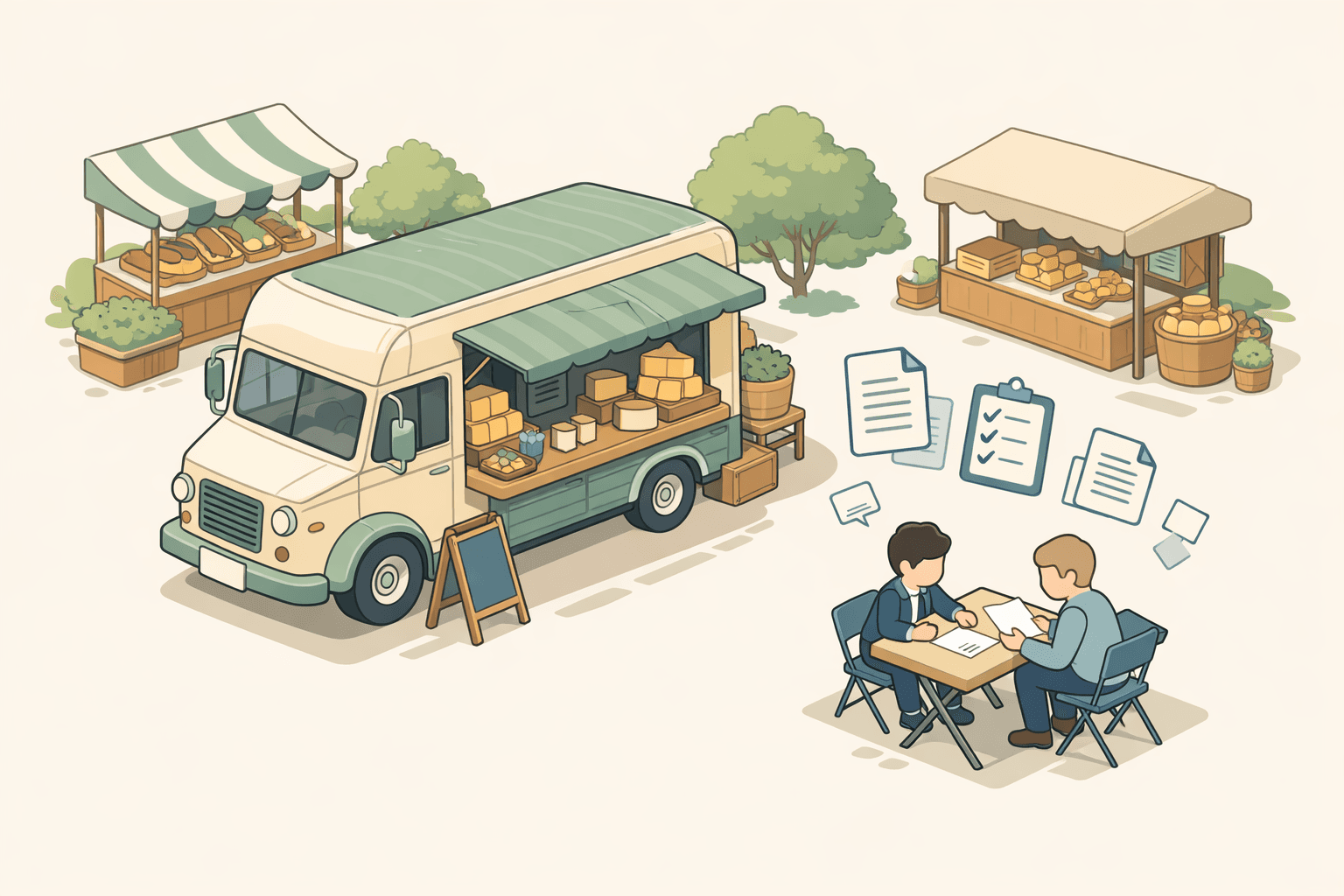
Starting a mobile artisanal cheese shop is an exciting venture that blends culinary craftsmanship with entrepreneurial spirit. But turning that dream into a rolling reality often requires startup capital — and that's where a Small Business Administration (SBA) loan can make a real difference. Whether you're outfitting a specialty food truck, purchasing refrigeration equipment, or covering your first rounds of artisan inventory, an SBA loan may offer the favorable terms and accessible funding you need. The challenge, however, is knowing exactly what documents are needed for an SBA loan for a mobile artisanal cheese shop — because walking into a lender's office underprepared can slow down your approval or even derail it entirely. This guide walks you through every critical document category so you can submit a polished, lender-ready application with confidence.
Why SBA Loans Are a Smart Fit for Specialty Food Entrepreneurs
SBA loans have long been a go-to financing option for small business owners who may not qualify for conventional bank loans. For a mobile artisanal cheese shop startup, they can be especially attractive because they typically offer longer repayment terms, lower down payment requirements, and competitive interest rates compared to many alternative lenders.
The most common SBA loan program for a business like this is the SBA 7(a) loan, which can be used for a wide range of purposes — including working capital, equipment purchases, and even vehicle acquisition for a mobile unit. The SBA Microloan program is another option worth exploring if your funding needs are smaller, typically under $50,000, which may suit early-stage cheese shop operators just getting started.
What makes SBA loans particularly appealing for specialty food entrepreneurs is that the government partially guarantees the loan, which reduces the lender's risk. This often means more flexibility in underwriting — though it also means the documentation requirements can be thorough. Understanding what you'll need upfront is the key to a smoother process.
Personal Financial Documents You'll Need to Gather First
Lenders will want to understand your personal financial standing before they evaluate your business. Most SBA-approved lenders require a comprehensive look at the borrower's personal finances, especially for startup businesses that don't yet have years of business history to reference.
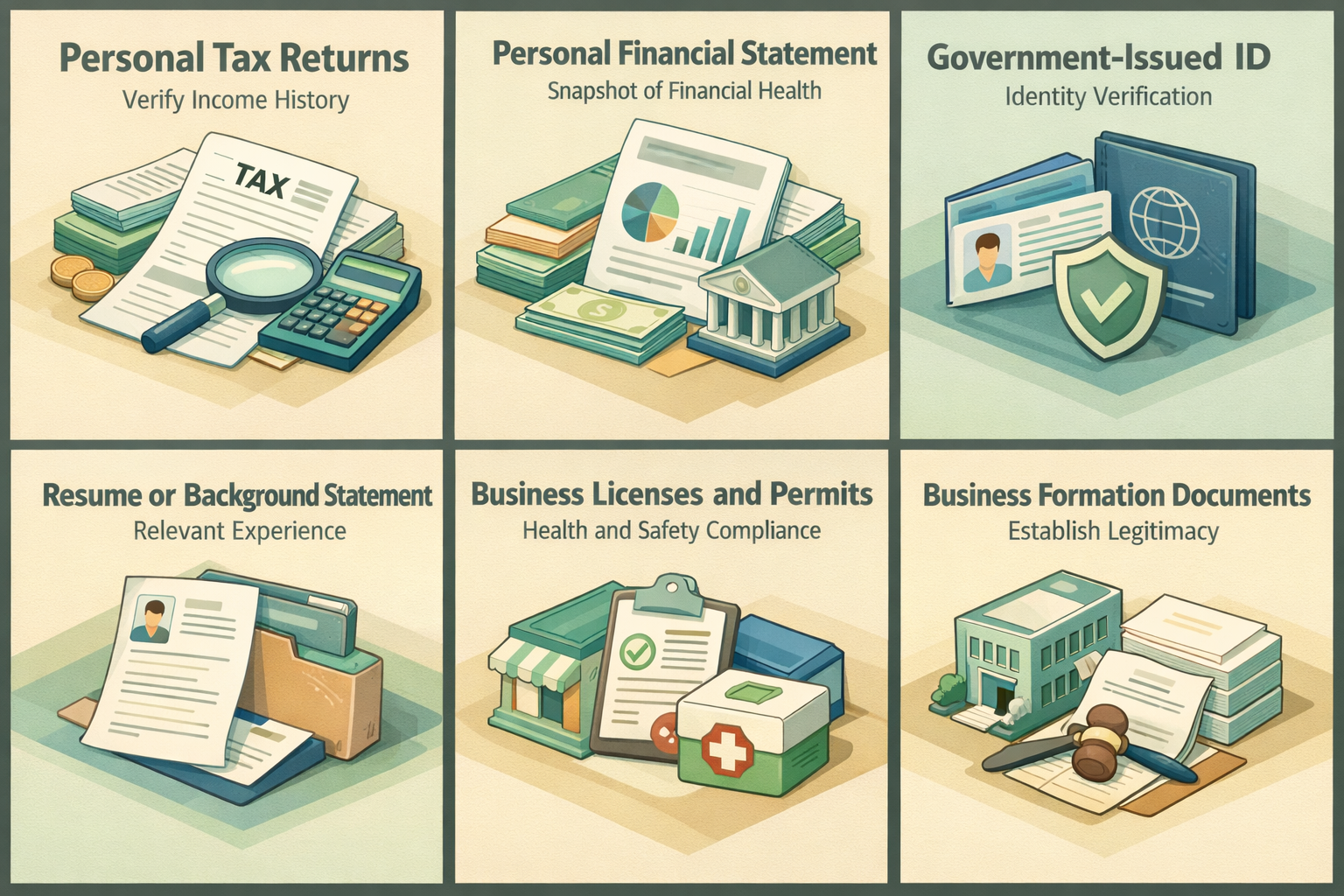
- Personal tax returns: Typically, lenders request the last two to three years of personal federal tax returns. These help verify your income history and financial responsibility.
- Personal financial statement: The SBA Form 413 is a standard personal financial statement that lists your assets, liabilities, and net worth. It gives lenders a snapshot of your overall financial health.
- Government-issued ID: A valid driver's license or passport is typically required for identity verification purposes.
- Resume or personal background statement: Some lenders request a brief professional background that highlights relevant experience — such as cheese-making, food service management, or small business ownership.
If there are multiple owners with a stake of 20% or more in the mobile cheese shop, each of those individuals may also need to submit their own personal financial documentation. It's worth confirming these requirements with your specific SBA lender early in the process.
Business Plan Requirements for an SBA Loan Cheese Shop Startup
A well-crafted business plan is arguably the most important document in your SBA loan cheese shop startup application. Lenders use it to evaluate whether your business concept is viable, whether you've thought through the risks, and whether you have a realistic path to profitability.
Your business plan should include several key components:
- Executive summary: A concise overview of your mobile artisanal cheese shop — what you sell, who your customers are, and what makes your concept unique.
- Business description: Details about your business structure (LLC, sole proprietorship, etc.), your mobile unit setup, your target markets, and your operational model.
- Market analysis: Research on your local food scene, competitor landscape, and the growing demand for artisanal and specialty food products.
- Marketing and sales strategy: How you plan to attract and retain customers — through farmers markets, festivals, catering events, or social media channels.
- Operations plan: Your sourcing strategy for cheeses, food safety compliance approach, staffing plan, and daily operational logistics.
- Financial projections: Three to five years of projected income statements, balance sheets, and cash flow statements. These projections must be realistic and supported by your market analysis.
For a startup like a mobile cheese shop, lenders understand there may be limited historical revenue. That's why a detailed and credible business plan carries extra weight — it helps bridge the gap between your vision and the lender's confidence in your repayment ability.
Business Financial Records and Legal Formation Documents
Even if your mobile artisanal cheese shop is brand new, you'll still need to provide certain business-related documents that establish its legitimacy and legal standing. Lenders want to confirm that your business is properly formed and that any existing financial activity is accurately reported.
- Business licenses and permits: Mobile food businesses are subject to local and state health and safety regulations. You'll likely need a mobile food vendor permit, a food handler's certification, and possibly a cottage food or commercial kitchen license depending on your state.
- Business formation documents: These may include your Articles of Incorporation or Articles of Organization, operating agreement (for LLCs), or partnership agreement if applicable.
- Employer Identification Number (EIN): Your EIN, issued by the IRS, is required for tax purposes and will be requested by your lender.
- Business bank statements: If your business has been operating for any period, even part-time, lenders will want to see your business bank account statements — typically covering the past three to twelve months.
- Business tax returns: If you've filed business returns, lenders typically request the last two to three years. For startups with no prior returns, your business plan's financial projections become even more critical.
Having these documents organized and readily available signals to lenders that you're running a serious, well-managed operation — even at the early stages.
Loan-Specific Forms and SBA Application Documents
Beyond your financial and business records, there are specific SBA forms and lender-required documents that are part of every application. Knowing what documents are needed for an SBA loan cheese shop startup means understanding these standardized requirements too.
- SBA Form 1919 – Borrower Information Form: This form collects detailed information about you as the borrower, including your ownership stake, criminal history disclosures, and business affiliations.
- SBA Form 912 – Statement of Personal History: Required in certain situations, this form provides additional background information about the business owners.
- Loan application form: Each SBA-approved lender may have their own application form in addition to the SBA's standard forms. Be prepared to complete both.
- Use of funds statement: You'll need to clearly outline how you intend to use the loan proceeds — whether for purchasing a food truck, refrigeration units, initial cheese inventory, marketing materials, or working capital reserves.
- Collateral documentation: SBA lenders may request information about assets that could serve as collateral, such as the vehicle or equipment being purchased with loan funds.
It's a good idea to work with an SBA-approved lender or a Small Business Development Center (SBDC) advisor who can walk you through each form and help you avoid common mistakes that delay the underwriting process.
Industry-Specific Considerations for Mobile Food Businesses
A mobile artisanal cheese shop has some unique characteristics that may prompt lenders to ask for additional documentation beyond the standard checklist. Being proactive about these items can help you avoid delays.
Vehicle and equipment details: If the loan will fund the purchase of a mobile unit or specialty refrigeration equipment, lenders may request quotes or invoices from vendors, vehicle identification information, or equipment appraisals. This helps them confirm that the loan amount is aligned with actual costs.
Food safety compliance documentation: Because artisanal cheese involves perishable, often temperature-sensitive products, lenders may want to see evidence that you've addressed food safety compliance — such as ServSafe certifications, state food handler permits, or a commissary kitchen agreement if required in your area.
Event and vendor agreements: If you've already secured spots at farmers markets, festivals, or private events, providing these agreements or letters of intent can strengthen your application by demonstrating real revenue potential.
Supplier and sourcing agreements: Letters of intent or contracts from cheese producers or specialty food distributors can also reinforce the credibility of your business model and your ability to maintain consistent product supply.
These industry-specific documents may not be universally required by every lender, but including them voluntarily can make your application stand out in a competitive review process.
Tips for Organizing and Submitting a Strong Application Package
Gathering documents is only half the battle — how you present them matters too. A well-organized application package demonstrates professionalism and makes it easier for underwriters to review your file efficiently.
- Create a master checklist: Before you begin, list every document your lender has requested. Check each one off as you gather it to ensure nothing is missed.
- Use digital files where possible: Many SBA lenders now accept or even prefer digital submissions. Scan all documents clearly and organize them into labeled folders — one for personal financials, one for business documents, one for SBA forms, and so on.
- Provide context where needed: If there are gaps in your financial history, a brief explanatory letter can help. For example, if your personal credit score dipped due to a medical event, explaining that context proactively can prevent misunderstandings during underwriting.
- Double-check for accuracy: Ensure that all figures on your financial statements match your tax returns. Inconsistencies — even unintentional ones — can raise red flags and slow the review process.
- Seek professional guidance: Working with a CPA, an SBDC counselor, or an experienced SBA lender can help you catch documentation gaps before submission. Many SBDCs offer free or low-cost advising specifically for startup entrepreneurs.
Remember, lenders are looking for confidence in your ability to repay the loan. A clean, complete, and professionally assembled application package goes a long way toward building that confidence.
●Conclusion
Understanding what documents are needed for an SBA loan for a mobile artisanal cheese shop is one of the most important steps you can take before approaching a lender. From personal financial statements and business plans to food safety permits and equipment quotes, each document tells part of your story — and together, they paint a picture of a prepared, credible entrepreneur ready to build a thriving specialty food business.
The SBA loan process may feel involved, but it's designed to help businesses just like yours access the capital they need at terms that are manageable for early-stage growth. With the right preparation and the right lending partner, your mobile artisanal cheese shop could be one well-organized application away from hitting the road. Reach out to the LoanWise team today to explore your SBA loan options and get guidance tailored to your unique business goals.