
Running a restaurant with seasonal revenue brings its own set of challenges. Whether your dining room fills up every summer and quiets down in winter, or your sales spike around the holidays, lenders need to understand your unique cash flow before they'll approve financing. That's why knowing what documents are needed for an SBA loan for a restaurant with seasonal revenue can make the difference between a smooth application and a frustrating rejection. The U.S. Small Business Administration offers loan programs specifically designed to help small business owners — including restaurateurs — access the capital they need to grow, stabilize, and thrive. But preparation is everything. This guide walks you through each document category so you can walk into your lender's office with confidence.
Why SBA Loans Are a Strong Fit for Seasonal Restaurant Owners
SBA loans, particularly the popular SBA 7(a) loan program, are often considered one of the most borrower-friendly financing options available to small business owners. For restaurant operators dealing with fluctuating income, these loans offer longer repayment terms, lower down payment requirements, and competitive interest rates compared to many conventional business loans.
Because the SBA partially guarantees these loans, lenders may be more willing to work with businesses that don't have perfectly consistent monthly revenue. Seasonal fluctuations don't automatically disqualify a restaurant — but they do require careful documentation. Lenders want to see that your business generates enough annual revenue to cover debt obligations, even during slower months.
There are a few SBA loan types that restaurant owners commonly pursue:
- SBA 7(a) loans: Flexible use of funds including working capital, equipment, and renovations
- SBA 504 loans: Best suited for purchasing commercial real estate or large equipment
- SBA Microloans: Smaller loan amounts ideal for newer or smaller restaurant operations
Each program has its own eligibility requirements and documentation expectations, but many of the core documents remain consistent across the board.
Business Financial Documents Your Lender Will Expect
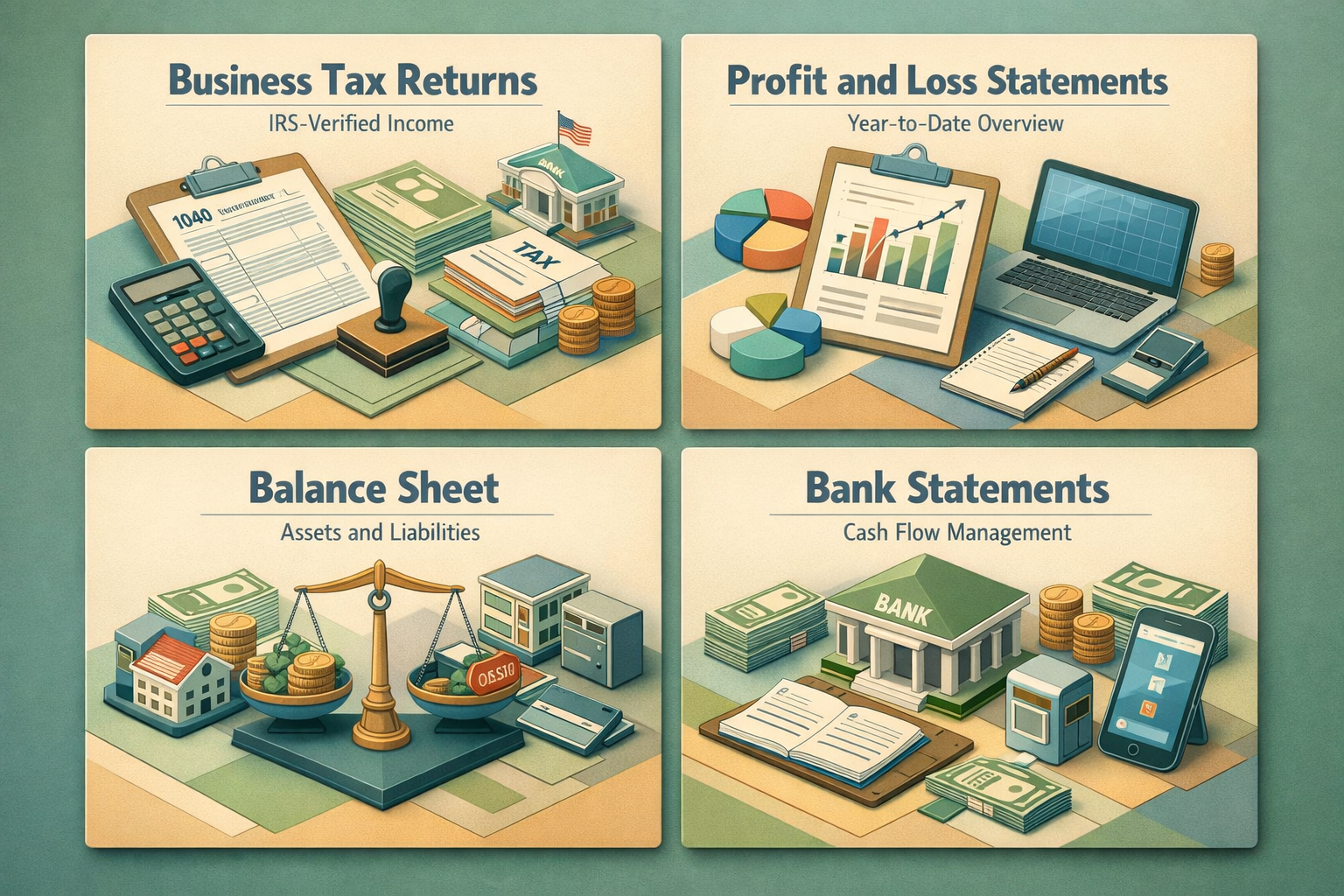
The financial health of your restaurant is the foundation of any SBA loan application. Lenders will closely examine your revenue history, profitability, and ability to repay the loan over time. For a seasonal revenue restaurant, this section is especially important because it tells the full story of your annual performance — not just a single slow month.
Business Tax Returns
Most SBA lenders will request two to three years of business tax returns. These returns give lenders a reliable, IRS-verified picture of your annual income and expenses. For seasonal restaurants, this is often more telling than monthly statements alone because it captures the full revenue cycle.
Profit and Loss Statements
In addition to tax returns, lenders typically want to see year-to-date profit and loss (P&L) statements, often prepared by a CPA or accountant. These should reflect your restaurant's income, cost of goods sold, labor costs, and operating expenses. If your peak season has already passed for the year, your P&L will help demonstrate what that high-revenue period contributed to your overall picture.
Balance Sheet
A current balance sheet showing your assets, liabilities, and equity helps lenders assess your business's net worth. For restaurant owners, this might include equipment, inventory value, outstanding debts, and any owned property.
Bank Statements
Lenders often request 12 months of business bank statements. For seasonal restaurants, this is particularly valuable because it shows how your cash flow ebbs and flows throughout the year — and how well you manage funds during the off-season.
Personal Financial Documents That Support Your Application
SBA loans aren't just evaluated on the strength of the business — lenders also look at the personal financial profile of the business owner or owners. This is because SBA loans typically require a personal guarantee, meaning you're personally responsible for repayment if the business cannot pay.
Personal Tax Returns
Most lenders will ask for two to three years of personal tax returns from each owner holding 20% or more of the business. These returns help verify your personal income and financial stability outside of the restaurant.
Personal Financial Statement
The SBA has a standard form for this — SBA Form 413 — which outlines your personal assets, liabilities, and net worth. Completing this accurately and honestly is essential to a credible application.
Credit Report Authorization
You'll likely be asked to authorize the lender to pull your personal credit report. While there's no universally published minimum score, many SBA lenders prefer to see a personal credit score of 650 or higher. A strong credit history can help offset concerns about seasonal revenue variability.
It's worth noting that strong personal financial standing may help reassure lenders even if your restaurant's off-season months show minimal income. The combination of both business and personal documents paints a fuller, more reassuring picture for underwriters.
Seasonal Revenue Documentation: Making the Case for Your Business Model
This is where a seasonal restaurant SBA loan application truly differs from a standard restaurant loan. Lenders need to understand that low revenue in certain months isn't a sign of failure — it's the nature of your business model. Your job is to make that case clearly and compellingly through documentation.
Monthly Revenue Breakdown
Prepare a detailed month-by-month revenue summary for the past two to three years. This helps lenders see your peak season clearly and confirms that the pattern is consistent and predictable rather than erratic.
Seasonal Business Explanation Letter
Many lenders appreciate or require a written explanation letter that describes your seasonal business model. This letter should outline when your busy season occurs, what drives the seasonal demand (tourism, local events, holiday traffic, etc.), and how you manage cash flow during slower periods. Being proactive and transparent here can significantly strengthen your application.
Projected Cash Flow Statements
Lenders want to see that you've thought ahead. Providing a 12-month cash flow projection — ideally broken down by month — demonstrates that you understand your revenue cycle and have a plan for meeting debt obligations year-round, not just during peak months.
Evidence of Recurring Seasonal Patterns
If possible, include any supporting data that validates your seasonal pattern — reservation records, point-of-sale summaries, catering contracts for seasonal events, or local tourism data. The more clearly you can document that your revenue cycle is predictable, the more comfortable a lender is likely to feel.
Legal and Business Formation Documents You'll Need to Gather
Beyond financial records, SBA lenders need to verify that your restaurant is a legitimate, properly structured business. These documents establish your legal standing and confirm that the business is eligible for SBA financing.
- Business license and permits: Including your food service permit, health department certifications, and any state or local operating licenses
- Articles of incorporation or organization: Depending on whether your restaurant is structured as an LLC, S-corp, or other entity
- Operating agreement or bylaws: Documents that outline ownership structure and how the business is managed
- Employer Identification Number (EIN): Your federal tax ID used for business tax filings
- Ownership and affiliate information: SBA requires disclosure of all owners with 20% or more stake, including any affiliated businesses
- Franchise agreement (if applicable): If you operate a franchise restaurant, your lender may need to review the franchise disclosure document and agreement
Having these documents organized in advance can save significant time during the underwriting process. Delays often stem from missing or outdated legal documents, so it's worth reviewing these before you even submit your application.
Loan Purpose Documentation and Use of Funds Statement
SBA lenders want to know exactly how you plan to use the borrowed funds. This isn't just a formality — it directly influences which loan program you qualify for and what terms you might receive.
Written Use of Proceeds Statement
Prepare a clear, specific statement that details how the loan funds will be allocated. Common uses for restaurant owners include:
- Working capital to cover operating costs during the off-season
- Equipment purchases such as commercial kitchen appliances or refrigeration units
- Leasehold improvements or renovations to the dining space
- Refinancing existing higher-interest business debt
- Purchasing a building or expanding to a new location
The more specific you are, the better. Vague use-of-funds descriptions can raise red flags for underwriters and slow down the process.
Business Plan
For newer restaurants or those requesting larger loan amounts, a comprehensive business plan may be required. This should include your concept overview, target market, competitive landscape, marketing strategy, management team details, and multi-year financial projections. Even for established restaurants, a well-prepared business plan can strengthen your credibility and demonstrate strategic thinking.
Tips for Strengthening Your SBA Loan Application as a Seasonal Restaurant
Understanding what documents are needed for an SBA loan for a restaurant with seasonal revenue is half the battle. The other half is presenting those documents in the most favorable light. Here are some practical strategies to improve your chances of approval:
- Work with a CPA familiar with restaurant finances: A knowledgeable accountant can help you present financials in a way that clearly communicates your annual earning power, not just your slow months.
- Apply at the right time: Submitting your application during or just after your peak season — when your bank balances and revenue are strongest — may help your application look more favorable.
- Choose an SBA-preferred lender: Preferred lenders have delegated authority to approve SBA loans faster, which can reduce your wait time significantly.
- Address weaknesses proactively: If your credit history has any blemishes or your off-season revenue is particularly low, write a brief explanation and include any context that might reassure the lender.
- Keep records current: Outdated or incomplete financial records are one of the most common reasons applications stall. Make sure all documents reflect the most recent available period.
- Build a relationship with your lender: Some SBA lenders have experience working with hospitality businesses and may better understand the seasonal nature of your revenue. Don't be afraid to ask whether they've worked with seasonal restaurants before.
Every detail you provide helps your lender build confidence in your ability to repay the loan — even when the dining room is quiet and the snow is falling outside.
●Conclusion
Navigating the SBA loan process as a seasonal restaurant owner takes preparation, organization, and a clear understanding of what lenders need to see. From financial statements and tax returns to seasonal revenue documentation and legal formation records, each document plays a role in telling the story of your business. The good news is that SBA loan seasonal restaurant applications are absolutely achievable — especially when you know exactly what to prepare and how to present it. Whether you're looking to cover off-season operating costs, upgrade your kitchen, or expand your dining space, the right financing could be within reach. At LoanWise, we're here to help small business owners like you find the lending solutions that fit your unique situation. Reach out today to speak with a business lending specialist who understands the restaurant industry and can guide you through every step of the SBA loan process.