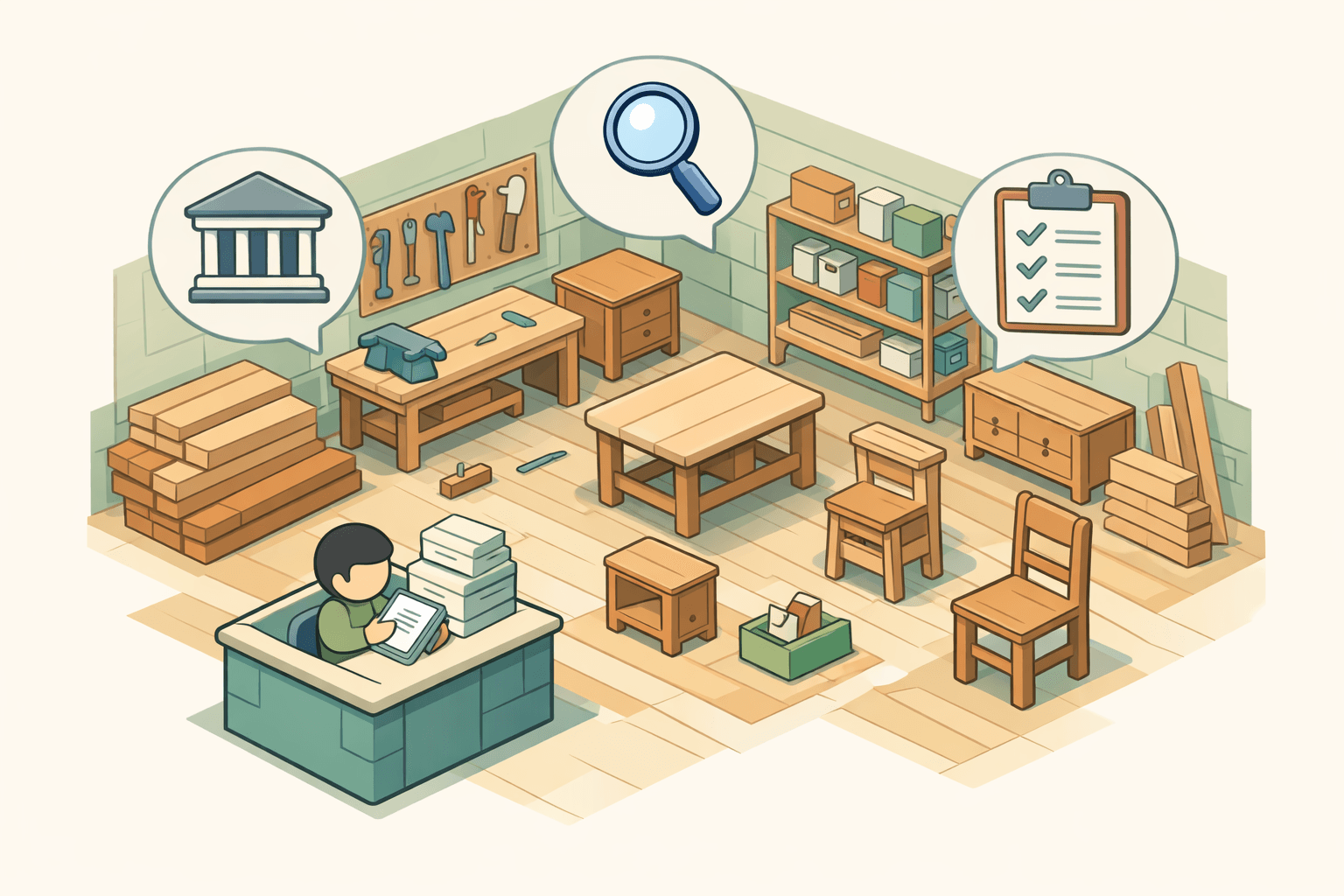
Running a custom furniture business takes creativity, craftsmanship, and capital. Whether you're buying hardwood in bulk, hiring seasonal staff, or bridging the gap between a large client order and final payment, a business line of credit can give you the financial flexibility to keep operations moving. But before a lender hands over access to revolving funds, they'll want to take a close look at your business. Knowing what documents are needed for a business line of credit for a custom furniture maker ahead of time can make your application smoother, faster, and far less stressful. Let's walk through what you'll likely need — and why each piece matters.
Why Custom Furniture Makers Often Turn to a Line of Credit
Unlike a term loan, a business line of credit works more like a financial safety net. You draw funds when you need them and repay as your cash flow allows — making it a practical tool for businesses with uneven revenue cycles. Custom furniture makers often deal with exactly that kind of variability.
Think about it: a large commission for a dining room set might take three to five months from design to delivery. During that window, you're purchasing materials, paying your craftspeople, and covering overhead — all before a single payment arrives from the client. A line of credit helps bridge that gap without forcing you to take on a lump-sum loan you may not fully need.
Beyond cash flow management, furniture makers frequently use lines of credit for:
- Bulk material purchases to lock in better pricing on lumber, metal hardware, or upholstery fabric
- Equipment maintenance and repairs that arise unexpectedly
- Marketing and trade show costs to reach new clients
- Hiring temporary or seasonal help during peak production periods
Understanding your financing need clearly can also help you explain it to a lender — which often strengthens your application.
Core Business Documents Every Lender Will Request
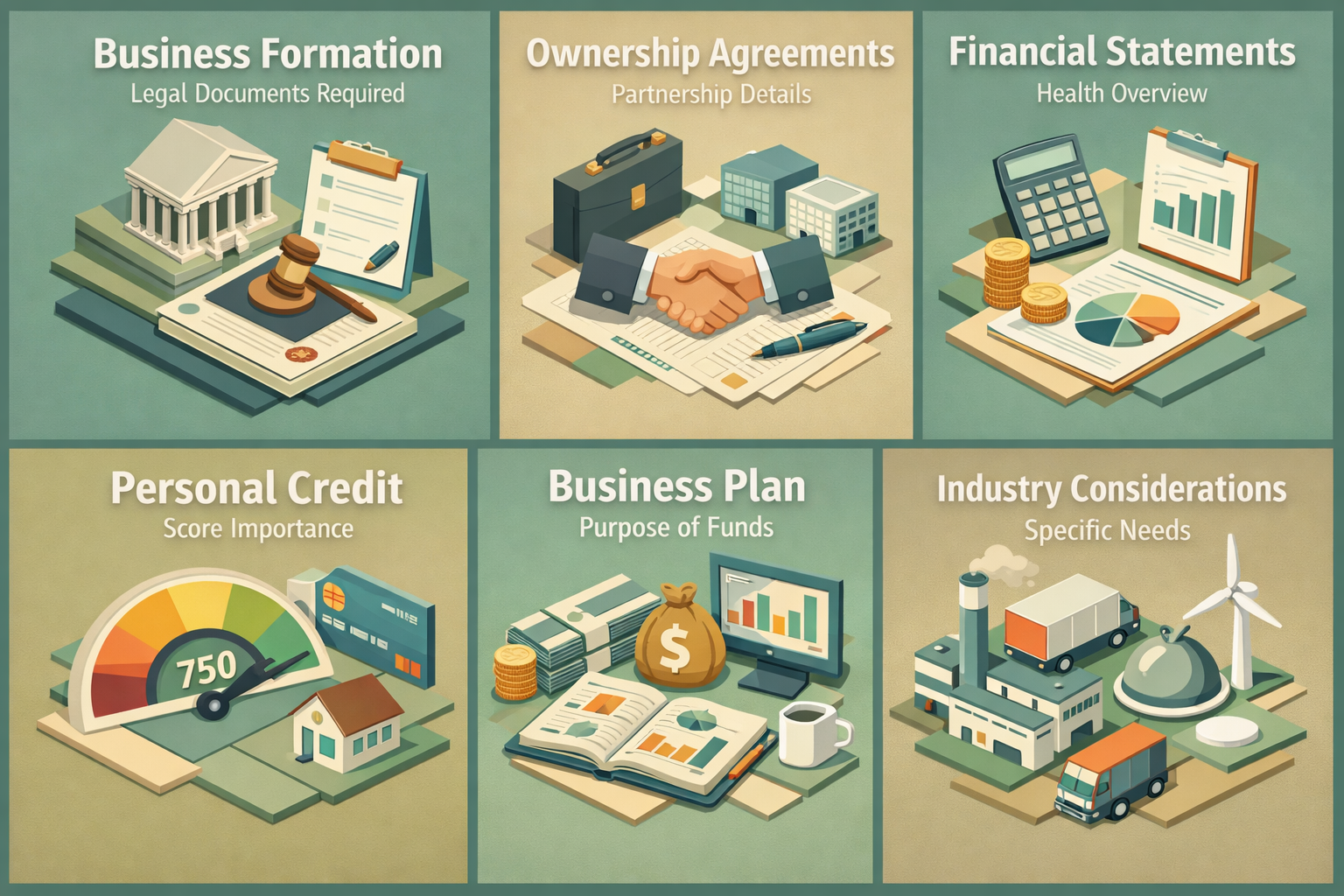
When it comes to what documents are needed for a business line of credit for a custom furniture maker, there's a standard set of business records that nearly every lender — from community banks to online lenders — will ask for. Being organized here can speed up your approval timeline considerably.
Business Formation and Legal Documents
Lenders need to confirm that your furniture business is a legitimate, registered entity. You'll typically need to provide:
- Your business license or operating permit
- Articles of incorporation or organization (if you're an LLC or corporation)
- An Employer Identification Number (EIN) confirmation from the IRS
- A DBA (doing business as) certificate, if your shop operates under a trade name
- Any relevant state or local trade certifications
These documents establish who you are, how your business is structured, and whether you're authorized to operate — all critical factors for a lender's underwriting process.
Ownership and Partnership Agreements
If your custom furniture studio has multiple owners, partners, or investors, you may also need to submit your operating agreement or partnership agreement. This document outlines ownership percentages and decision-making authority, which lenders use to determine who is responsible for the debt and who must sign the application.
Financial Statements That Show Your Shop's Health
Your financial records are often the most scrutinized part of a business line of credit application. Lenders use these documents to assess whether your custom furniture business generates enough consistent revenue to repay what it borrows.
Business Bank Statements
Most lenders will ask for three to twelve months of business bank statements. These show your average monthly deposits, your spending patterns, and whether you maintain adequate cash flow. For a custom furniture maker, statements might reflect lumpy deposit patterns tied to project milestones — and that's okay, as long as the overall trend is healthy and explained clearly.
Profit and Loss Statements
A profit and loss (P&L) statement — also called an income statement — summarizes your revenues, cost of goods sold, and operating expenses over a specific period. Lenders typically want to see at least one to two years of P&L history. If your shop is growing, an upward revenue trend can work strongly in your favor.
Balance Sheet
Your balance sheet gives a snapshot of your business's assets, liabilities, and owner's equity at a given point in time. For a furniture maker, assets might include workshop equipment, inventory, and accounts receivable. A healthy balance sheet signals that your business has the financial structure to support additional credit.
Tax Returns
Most lenders will request two years of business tax returns. These are considered more reliable than internally prepared statements because they've been filed with the IRS. If your business is structured as a sole proprietorship or single-member LLC, your personal tax returns may also be required.
Personal Financial Information and Credit History
Even when applying for a business line of credit, your personal financial background often plays a significant role — especially for small business owners and entrepreneurs who run closely held operations like custom furniture studios.
Personal Credit Score and Report
Lenders will typically pull your personal credit report as part of the underwriting process. A stronger credit score may help you qualify for a higher credit limit or more favorable terms. While minimum requirements vary by lender, many traditional banks look for a personal credit score of at least 680, while some online lenders may work with scores in the 600 range. It's worth checking your credit report in advance to correct any errors before applying.
Personal Tax Returns
As mentioned above, if your business income flows through your personal return — common with sole proprietors, partnerships, and S-corps — lenders may request one to two years of personal tax returns. This helps them verify your actual take-home income and assess your overall financial position.
Personal Financial Statement
Some lenders, particularly banks and credit unions, may ask you to complete a personal financial statement form that lists your personal assets and liabilities. This gives underwriters a broader picture of your ability to cover debt in the event the business faces a difficult period.
Business Plan and Purpose of Funds
Not all lenders require a formal business plan for a line of credit application, but having one — or at least a clear written summary of how you plan to use the funds — can strengthen your case considerably. This is especially true if your custom furniture business is relatively young or if you're applying for a larger credit limit.
Your business plan or use-of-funds statement might include:
- A brief description of your products and services (custom furniture commissions, wholesale furniture design, etc.)
- Your target market (interior designers, residential clients, hospitality businesses)
- A summary of your revenue model and pricing structure
- How the line of credit will be used (e.g., materials purchasing, payroll during slow months, marketing investments)
- Your repayment plan and expected timing
Lenders want to see that you've thought through how the credit will support your business — not just that you need money. A clear, logical explanation of your borrowing purpose can help differentiate your application in a competitive lending environment.
Industry-Specific Considerations for Furniture Makers
Custom furniture makers occupy an interesting niche in the small business lending world. You're part artisan, part manufacturer, and part service provider — and lenders may not always have deep familiarity with your industry's revenue cycles or cost structure. That's why providing context alongside your documents can be genuinely valuable.
Accounts Receivable Aging Report
If your business regularly invoices clients upon project completion, an accounts receivable aging report can demonstrate that money is reliably flowing in — even if it hasn't landed in your bank account yet. This document lists outstanding invoices by how long they've been unpaid and can help a lender understand your true liquidity picture.
Inventory and Equipment Schedules
Some lenders — particularly those offering asset-based lines of credit — may ask for a detailed list of your inventory (raw materials, works in progress, finished pieces) and major equipment. Workshop machinery like CNC routers, table saws, or spray booths may be considered valuable collateral that supports your credit application.
Client Contracts or Purchase Orders
If you have signed contracts or confirmed purchase orders from clients, sharing these with your lender can be a powerful credibility booster. They demonstrate forward-looking revenue and reduce the lender's uncertainty about your ability to repay. Even informal letters of intent from clients may be worth including.
Tips for Strengthening Your Application Before You Apply
Understanding what documents are needed for a business line of credit for a custom furniture maker is only half the battle. The other half is making sure those documents tell the most compelling story possible. Here are a few practical steps you can take before submitting your application:
- Separate your business and personal finances — If you haven't already, open a dedicated business checking account. Lenders prefer clean financial records that clearly distinguish business activity from personal spending.
- Keep your books current — Outdated or inconsistent financial statements can raise red flags. Working with a bookkeeper or accountant, even part-time, can make a meaningful difference.
- Check your credit reports — Review both your personal and business credit reports (via agencies like Dun & Bradstreet or Experian Business) for errors and resolve any outstanding issues before applying.
- Build a relationship with your lender — Community banks and credit unions that already know your business history may be more receptive to your application than a lender encountering you cold.
- Be ready to explain cash flow dips — If your revenue dropped in a particular month or quarter, have a brief, honest explanation ready. Lenders appreciate transparency over silence.
Taking these steps before you apply may not only improve your chances of approval — they could also help you qualify for better terms or a higher credit limit.
●Conclusion
Securing a business line of credit as a custom furniture maker is absolutely within reach — especially when you arrive prepared. By gathering your legal documents, financial statements, personal records, and supporting materials in advance, you present yourself as a credible, organized borrower. Every lender's requirements may vary slightly, so it's worth having a direct conversation with your chosen lender early in the process to confirm exactly what they need. At LoanWise, we're here to help small business owners like you navigate financing decisions with confidence. Connect with a LoanWise lending specialist today to explore the business line of credit options that fit your custom furniture operation — and start building the financial flexibility your craft deserves.