Running a craft business takes creativity, dedication, and — more often than not — a reliable source of funding. Whether you're a potter, jeweler, woodworker, or textile artist, getting your small business off the ground or growing it to the next level can be challenging without the right financial support. That's where the SBA Microloan Program comes in. Designed specifically to help small and emerging businesses access modest amounts of capital, this program could be a strong fit for artisans who may not qualify for traditional bank financing. But before you apply, it's important to understand what are the eligibility criteria for an SBA microloan for artisans so you can prepare a compelling application and improve your chances of approval.
Understanding the SBA Microloan Program and How It Works
The SBA Microloan Program is a federally backed initiative administered through the U.S. Small Business Administration. Rather than lending directly to borrowers, the SBA provides funds to approved nonprofit intermediary lenders, who then distribute loans to eligible small business owners and entrepreneurs. This structure allows community-focused organizations to tailor their lending criteria to the needs of local borrowers — including artisans and creative entrepreneurs.
Microloans through this program can go up to $50,000, though the average loan amount tends to be significantly lower. These loans are intended for relatively small financial needs such as purchasing materials, buying equipment, covering operational costs, or building working capital. For a craft business owner, this type of funding might cover a new kiln, a commercial sewing machine, raw materials inventory, or even a market booth setup.
It's worth noting that SBA microloans are not issued by the SBA directly. Each intermediary lender sets its own specific requirements within the program's general guidelines, which means the experience and criteria can vary depending on who you apply with. That said, there are core eligibility standards that most applicants — including artisans — will need to meet.
What Are the Eligibility Criteria for an SBA Microloan for Artisans
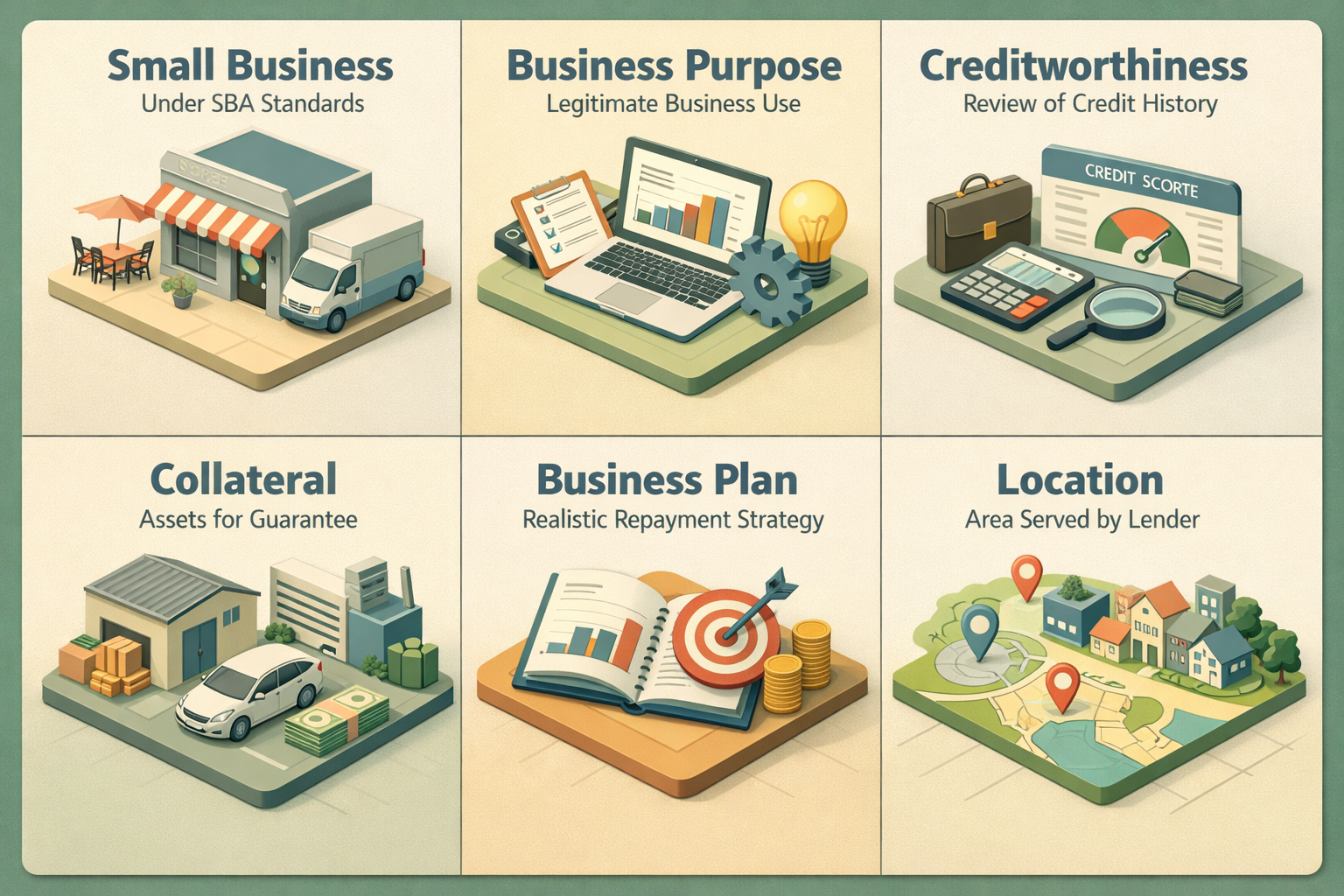
If you're asking what are the eligibility criteria for an SBA microloan for artisans, the answer involves several interconnected factors. While the specifics may differ from lender to lender, most intermediary organizations will evaluate the following:
- Business size and type: Your craft business must qualify as a small business under SBA standards. Artisan operations — whether structured as a sole proprietorship, partnership, LLC, or corporation — are generally eligible, as long as the business is for-profit and operates legally within the United States.
- Business purpose: The loan must be used for legitimate business purposes. Artisans may use microloan funds for supplies, tools, equipment, furniture, fixtures, inventory, or working capital. Notably, SBA microloans cannot be used to repay existing debts or to purchase real estate.
- Creditworthiness: While SBA microloans are more flexible than conventional loans, lenders will still review your personal and business credit history. A poor credit score won't automatically disqualify you, but a history of responsible credit use may strengthen your application. Some lenders may work with borrowers who have limited or imperfect credit, especially if you can demonstrate a viable business plan.
- Collateral and personal guarantee: Many intermediary lenders require some form of collateral and a personal guarantee. For artisans, this might include business equipment, inventory, or other assets. Requirements vary, so it's important to ask your specific lender what they expect.
- Business plan and repayment ability: Lenders want to see that you have a realistic plan for how you'll use the funds and how you'll repay the loan. A clear, well-organized business plan that outlines your craft business model, target market, pricing strategy, and revenue projections can significantly improve your chances.
- Location: You must operate your business in an area served by an SBA-approved microloan intermediary. The SBA's website provides a list of approved lenders by state and region.
It's also common for intermediary lenders to require that applicants participate in business training or technical assistance programs, particularly if the borrower is new to entrepreneurship. This requirement is built into the program's mission to support not just funding but long-term business success.
SBA Microloan Requirements for Craft Business Owners: Documentation You'll Need
Meeting the SBA microloan requirements for craft business owners goes beyond just checking eligibility boxes — you'll also need to gather the right paperwork. Being organized and thorough with your documentation can make the application process smoother and signal to lenders that you're a serious, prepared borrower.
While every intermediary lender may have its own checklist, you can typically expect to provide the following:
- Personal identification: A government-issued photo ID such as a driver's license or passport.
- Business plan: A written document explaining what your craft business does, how it generates revenue, who your customers are, and how you plan to use the loan proceeds.
- Financial statements: For existing businesses, this may include profit and loss statements, balance sheets, and recent bank statements. Newer businesses may need to provide financial projections instead.
- Personal financial information: Including personal tax returns (typically for the past one to three years), a personal financial statement, and details about any outstanding debts or liabilities.
- Business tax returns: If your craft business has been operating for at least a year, lenders will often want to see your business tax filings.
- Proof of business registration: Such as your business license, articles of incorporation, or DBA (doing business as) filing.
- Loan use explanation: A clear, itemized breakdown of how you intend to spend the microloan funds.
If your craft business is brand new, don't be discouraged. Many SBA microloan for artisans intermediaries specifically work with startups and pre-revenue businesses. The key is demonstrating that you have a thoughtful plan, a realistic understanding of your market, and the commitment to repay what you borrow.
How Your Credit Profile Affects Your Craft Business Loan Application
Credit plays a role in almost every type of business financing, and SBA microloans are no exception. However, the program is widely regarded as one of the more accessible options for borrowers who don't have a long credit history or who've faced financial setbacks in the past.
Intermediary lenders tend to take a more holistic approach to evaluating creditworthiness. Rather than simply looking at a credit score number, they may consider factors such as the reason for past credit issues, evidence of financial improvement over time, your current debt load, and the strength of your business plan. This can be encouraging for artisans who may have faced income gaps, especially if their craft work involves seasonal or variable revenue.
That said, it's still worth taking steps to improve your credit profile before applying. Paying down existing balances, correcting any errors on your credit report, and avoiding new debt in the months leading up to your application could all be beneficial. Some intermediary lenders also offer credit counseling as part of their technical assistance services, which may be worth exploring even before you apply.
If your personal credit is limited because you've primarily operated as a sole proprietor using cash, consider opening a dedicated business bank account and establishing a business credit profile. Over time, this can make a meaningful difference in how lenders perceive your financial responsibility.
Common Reasons Artisan Microloan Applications May Face Challenges
Understanding potential obstacles before you apply can help you address them proactively. Here are some common reasons craft business loan applications might face delays or denials — and what you can do about them:
- Incomplete or vague business plan: A business plan that lacks specifics about revenue, expenses, and repayment strategy may raise concerns. Invest time in creating a detailed, realistic plan that speaks to your specific craft niche and target market.
- Insufficient cash flow documentation: If your business doesn't have records showing consistent income, lenders may struggle to assess your repayment ability. Keeping clean, organized financial records — even for a side hustle or part-time craft business — is essential.
- Applying for too much too soon: First-time borrowers sometimes request more than what they can reasonably justify. Start with a loan amount that aligns with your current needs and capacity to repay.
- Not using an approved intermediary: Remember, SBA microloan requirements are only available through approved nonprofit lenders. Applying through an unauthorized channel could lead to confusion or fraud risk. Always verify your lender's credentials through the SBA's official resources.
- Lack of collateral: While not all lenders require significant collateral, having none at all could be a barrier. Consider what business assets — even modest ones — you might be able to offer.
If your application isn't approved right away, many SBA microloan lenders will work with you to identify what needs strengthening. Taking their feedback seriously and reapplying after addressing the gaps can be a productive path forward.
Tips to Strengthen Your SBA Microloan Application as a Creative Entrepreneur
Artisans and creative business owners sometimes worry that their business model won't be taken seriously by lenders. The good news is that SBA microloan intermediaries are often mission-driven organizations that understand and value small, community-rooted businesses — including those in the arts and crafts sector. Here's how to put your best foot forward:
- Tell your story clearly: Lenders appreciate borrowers who can articulate their passion, purpose, and plan. Explain what makes your craft business unique, who your customers are, and why there's demand for what you create.
- Show your market research: Demonstrate that you've done your homework. Include information about your target customer, local or online market trends, competitors, and pricing strategy in your business plan.
- Highlight any existing traction: If you've already made sales — even at farmers markets, craft fairs, or online platforms — share that information. Proof of demand strengthens your case significantly.
- Attend free business development workshops: Many SBA microloan intermediaries offer free or low-cost training. Completing these programs before applying shows initiative and can sometimes be a formal requirement.
- Work with a SCORE mentor or SBDC advisor: The SBA's network of Small Business Development Centers (SBDCs) and SCORE mentors can help you refine your business plan and financials at no cost. These resources are specifically designed to help entrepreneurs like you succeed.
Being proactive, well-prepared, and transparent with your lender goes a long way in any loan process — and it's especially important when you're a newer or smaller business seeking funding for the first time.
●Conclusion
For artisans looking to fund their creative businesses, the SBA Microloan Program offers a meaningful and accessible financing option. By understanding what are the eligibility criteria for an SBA microloan for artisans, gathering the right documentation, and working to present a clear and credible business plan, you can position yourself for success. The path to approval may take some preparation, but the effort is well worth it. Whether you're launching your first studio or scaling a thriving handmade goods business, this program could be the financial foundation you need to grow. At LoanWise, we're committed to helping small business owners and entrepreneurs like you navigate the lending landscape with confidence — so you can focus on doing what you love.