
Purchasing a home with a VA loan is one of the most powerful benefits available to eligible veterans, active-duty service members, and qualifying surviving spouses. But what happens when the home in question is anything but conventional? Geodesic dome homes — with their striking spherical structures and energy-efficient designs — are growing in popularity among buyers who want something unique. If you're asking what are the closing costs for a VA loan on a geodesic dome home, you're exploring a niche that combines two complex topics: VA loan financing rules and non-traditional property types. This guide will walk you through the key costs, potential hurdles, and strategies to help you move forward with confidence.
Understanding VA Loan Closing Costs in General
Before diving into the geodesic dome specifics, it helps to understand how VA loan closing costs work across the board. VA loans are well known for their borrower-friendly structure — most notably, they don't require a down payment or private mortgage insurance. However, closing costs are still part of the transaction and can range, in many cases, from roughly 2% to 5% of the loan amount, though the exact figure will vary based on your lender, location, and loan details.
Here are the most common VA loan closing costs that borrowers typically encounter:
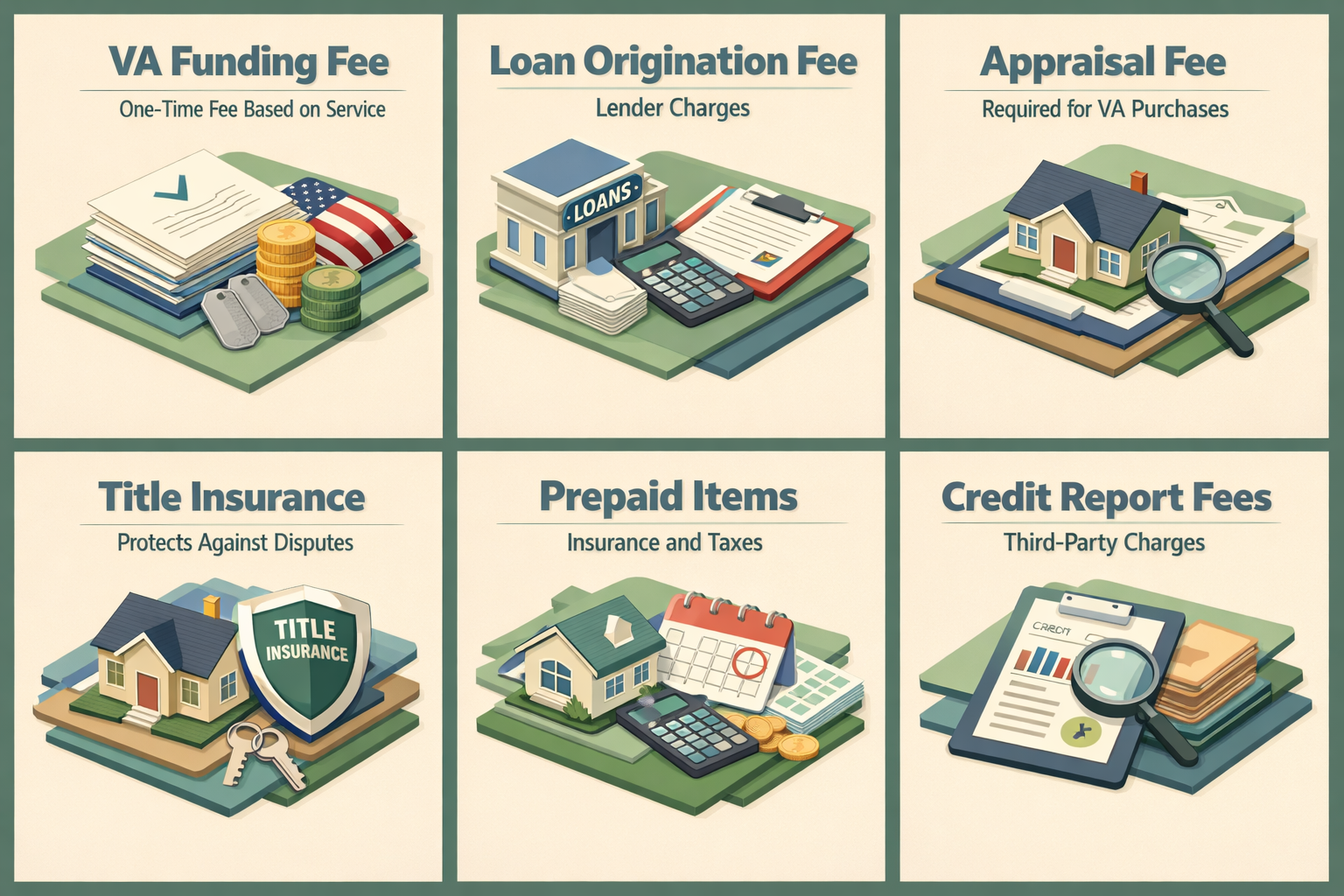
- VA Funding Fee: This is a one-time fee paid to the Department of Veterans Affairs. The amount depends on your service category, down payment amount, and whether it's your first VA loan. First-time VA loan users with no down payment may pay around 2.15%, while subsequent users may pay around 3.3%, though these figures can change. Certain veterans with service-connected disabilities may be exempt.
- Loan Origination Fee: Lenders may charge an origination fee, though VA rules cap what lenders can charge borrowers in certain categories.
- Appraisal Fee: VA appraisals are ordered through the VA's appraisal system and are required for all VA-backed purchases. Fees vary by region and property type.
- Title Insurance and Settlement Fees: These protect both the lender and, optionally, the buyer from title disputes or defects.
- Prepaid Items: These include homeowners insurance, prepaid interest, and initial escrow deposits for property taxes and insurance.
- Credit Report and Flood Certification Fees: Smaller fees that are typically passed through from third-party providers.
One important advantage of VA loans is the concept of non-allowable fees — there are certain costs that VA rules restrict lenders from charging to the borrower. This can help reduce your out-of-pocket burden at closing. It's always wise to review your Loan Estimate carefully and ask your lender to explain each line item.
What Makes a Geodesic Dome Home Different for VA Financing
Geodesic dome homes are built using a network of triangular panels that form a roughly spherical shape. They're celebrated for their structural strength, energy efficiency, and distinctive appearance. However, from a mortgage lending perspective, they're considered non-traditional or unique property types — and that label matters quite a bit when it comes to VA loan eligibility and appraisal.
The VA has specific Minimum Property Requirements (MPRs) that any home must meet to qualify for VA financing. These requirements are designed to ensure the property is safe, sound, and sanitary. For a geodesic dome home, meeting these standards may require extra attention during the appraisal process. Some of the key considerations include:
- Structural Integrity: The VA appraiser will assess whether the dome structure is sound and free from defects. Geodesic domes are generally considered strong, but the appraiser must verify this based on the specific build.
- Comparable Sales (Comps): One of the most significant challenges with non-traditional homes is finding comparable sales. VA appraisers rely on recent sales of similar properties to determine market value. In many markets, geodesic domes are rare, which can make finding accurate comps difficult and may lead to a lower-than-expected appraised value.
- Livability Standards: The home must have adequate heating, cooling, and utilities, and must function as a primary residence in a way that meets VA standards.
- Marketability: VA guidelines consider whether the property would be reasonably marketable if the VA needed to sell it in the event of default. Highly unusual properties sometimes face scrutiny on this front.
It's worth noting that lender overlays — additional requirements that individual lenders impose beyond VA minimums — can also come into play. Some lenders may be hesitant to approve financing for geodesic dome homes simply because of the limited comparable data available, even if the VA itself doesn't outright prohibit them.
How the Appraisal Process Affects Geodesic Dome VA Loan Closing Costs
The VA appraisal is one of the most consequential steps in the VA loan process, and for a geodesic dome home, it can be more complex — and potentially more costly — than a standard appraisal. Here's why that matters when considering geodesic dome VA loan closing costs.
Because geodesic domes are uncommon in most housing markets, a VA appraiser may need to spend additional time researching comparable properties, sometimes looking in broader geographic areas or adjusting for differences in style, square footage, and construction materials. This additional complexity could result in:
- Higher Appraisal Fees: In regions where geodesic dome appraisals are especially rare, appraisers may charge more for the added complexity. VA appraisal fees are set by regional fee schedules, but in some cases, expedited or complex appraisals may carry higher allowable fees.
- Longer Appraisal Timelines: Extended appraisal turnaround times can push out your closing date, which may affect your rate lock period and potentially lead to extension fees.
- Appraisal Gap Risks: If the appraiser can't find sufficient comparable sales and the home appraises below the purchase price, you may face an appraisal gap. This could require renegotiating with the seller or coming up with additional funds — neither of which is simple under a VA loan structure.
To mitigate these risks, consider working with a VA-approved appraiser who has experience with non-traditional properties, or ask your lender if they can request an appraiser with relevant experience in your area. Having documentation from the builder or an independent structural engineer report available for the appraiser may also help support the valuation.
Additional Costs Unique to Non-Traditional Property Types
Beyond the standard VA closing cost line items, buyers of geodesic dome homes may encounter a handful of additional expenses that are worth budgeting for. These aren't always specific to VA loans, but they're particularly relevant when financing a unique structure.
- Structural Inspection Fees: While a standard home inspection is always recommended, a geodesic dome may benefit from a specialized structural inspection. Inspectors familiar with dome construction can assess the integrity of the triangular panels, connection points, and roof sealing — areas that are unique to this type of build. Expect this to cost more than a conventional inspection.
- Specialty Homeowners Insurance: Standard homeowners insurance policies may not adequately cover geodesic dome homes due to their non-traditional design. Some insurers may require specialty policies, which can carry higher premiums. Since VA loans require proof of homeowners insurance at closing, you'll need to secure a policy in advance — and the first year's premium is typically collected as a prepaid item at closing.
- Title Search Complications: In rural areas where geodesic domes are more common, land ownership and title histories can sometimes be more complex. Title insurance may be slightly higher if the title company needs to do additional research.
- Survey Costs: If the property sits on a large or irregularly shaped lot — which is more common with dome homes — a property survey may be required or recommended. Survey fees can vary widely depending on lot size and location.
The best way to anticipate these costs is to request a detailed Loan Estimate from your lender early in the process and supplement it with quotes from local inspectors, insurers, and title companies who have experience with non-traditional homes.
Can Sellers or Lenders Help Cover Closing Costs on a VA Dome Home Purchase
Yes — and this is one area where VA loan borrowers have a meaningful advantage. VA guidelines allow sellers to pay up to 4% of the loan amount in concessions, which can include closing costs, the VA funding fee, and other prepaid items. In a buyer-friendly market or when dealing with a motivated seller, negotiating seller concessions can significantly reduce your out-of-pocket expenses at closing.
Additionally, some lenders offer lender credits — essentially, the lender agrees to cover some or all of your closing costs in exchange for a slightly higher interest rate. While this increases your monthly payment over time, it can make the upfront transaction more manageable if you're working with limited liquid assets.
Here are a few strategies worth discussing with your loan officer:
- Negotiate seller concessions early: Make this part of your initial offer rather than an afterthought. Sellers of unique properties may be more willing to negotiate if their home has been on the market longer due to limited buyer interest.
- Ask about rolling in the VA funding fee: The VA funding fee can be financed into the loan amount rather than paid at closing, which reduces your immediate cash requirement.
- Compare lender credits vs. lower rate options: Some buyers prefer to pay a bit more upfront in exchange for a lower long-term rate. Your loan officer can model both scenarios to help you decide what makes more sense for your situation.
Keep in mind that all concessions and credits must be disclosed and documented. Working with an experienced VA lender who understands both the loan program and the nuances of non-traditional property types can make a real difference in navigating these negotiations successfully.
Tips for Getting VA Loan Approval on a Geodesic Dome Home
Getting a VA loan approved on a geodesic dome home is possible, but it may require more preparation and persistence than a standard purchase. Here are some practical steps to improve your chances:
- Work with a VA-experienced lender: Not all lenders are equally comfortable with non-traditional properties. Seek out lenders who have funded VA loans on unique homes before. They'll better understand how to navigate appraisal challenges and lender overlays.
- Gather documentation on the home's construction: Builder records, engineering reports, warranty documents, and utility efficiency certifications can all help an appraiser and underwriter feel more confident about the property's value and condition.
- Research local comparable sales before making an offer: Ask a local real estate agent to pull recent sales of geodesic domes or other non-traditional homes in the area. Having a realistic sense of appraised value can prevent surprises later.
- Be prepared for a longer timeline: Between the specialized appraisal, potential additional inspections, and lender underwriting review, closing on a dome home may take longer than a conventional purchase. Build extra time into your planning.
- Strengthen your overall financial profile: Since the property itself carries more complexity, having strong credit, stable income, and low debt-to-income ratios can help offset any hesitation from underwriters.
It's also worth consulting directly with the VA or a HUD-approved housing counselor if you encounter roadblocks. They may be able to provide guidance on MPR compliance or refer you to lenders with relevant experience.
●Conclusion
So, what are the closing costs for a VA loan on a geodesic dome home? The honest answer is that they largely mirror standard VA loan closing costs — including the funding fee, appraisal, title, and prepaid items — but with additional layers of complexity that can push certain costs higher. Appraisal fees may be elevated, specialty insurance could be required, and the overall process may take longer than a traditional home purchase. That said, the core advantages of VA financing — no down payment, no private mortgage insurance, and competitive rates — remain fully intact for eligible borrowers pursuing these distinctive properties. With the right lender, thorough preparation, and a clear understanding of the potential hurdles, financing a geodesic dome home through the VA loan program is a realistic and achievable goal. If you're ready to explore your options, connecting with a knowledgeable VA loan specialist is the best first step you can take.