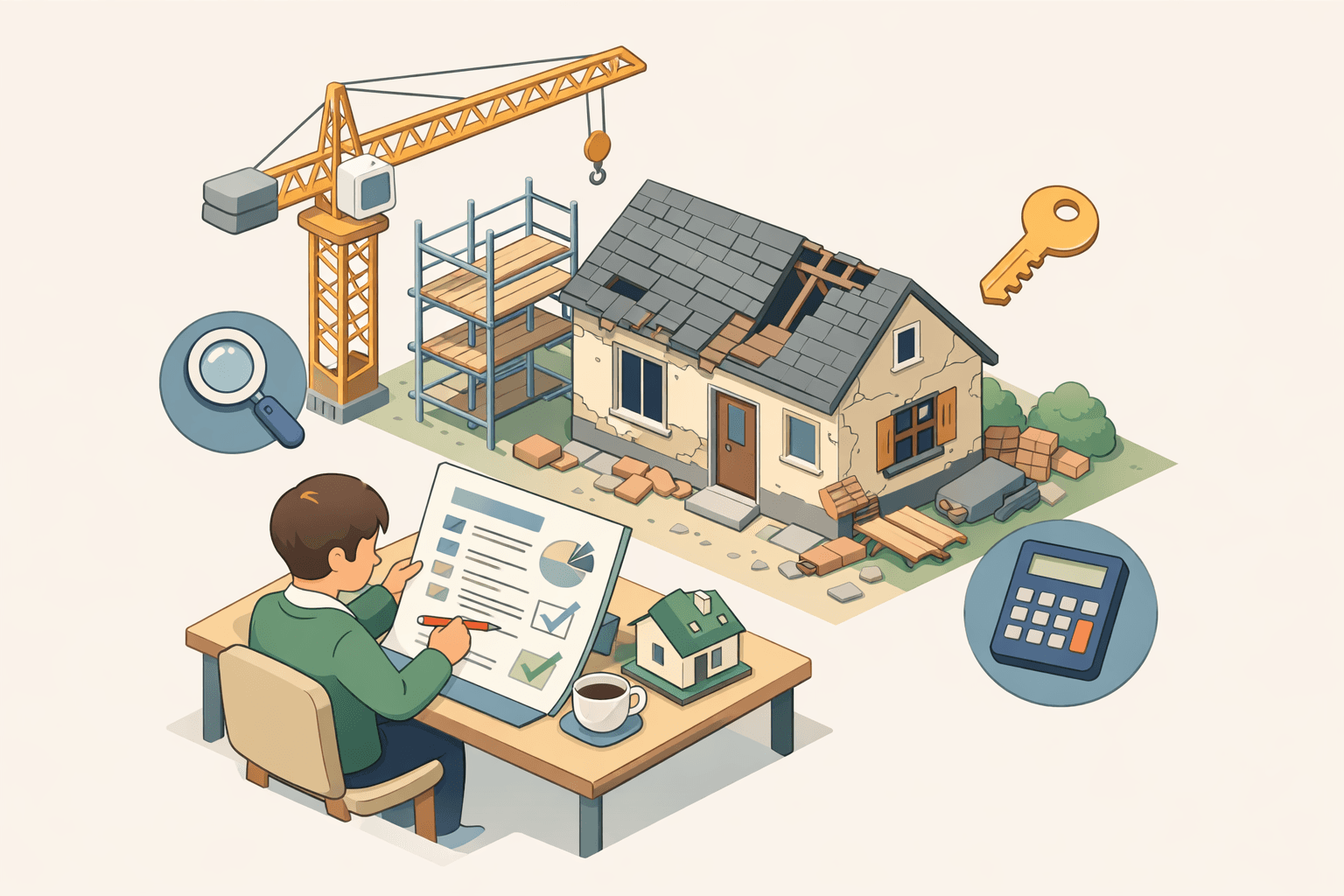
Purchasing a fixer upper can be one of the smartest moves a homebuyer makes — especially when you combine it with an FHA renovation loan. You get the chance to build equity, customize a home to your liking, and often buy below market value. But before you get swept up in the excitement of open floor plans and fresh paint, it's important to understand one of the most overlooked parts of the process: closing costs. Understanding closing costs for FHA loan on a fixer upper with renovation loan is essential if you want to budget accurately and avoid surprises at the settlement table. This article walks you through exactly what to expect, why these costs may differ from a standard mortgage, and how to approach them strategically.
What Makes an FHA Renovation Loan Different from a Standard Mortgage
Before diving into the fee structure, it helps to understand what an FHA renovation loan actually is. The most common version is the FHA 203(k) loan, a government-backed mortgage that allows borrowers to finance both the purchase price of a home and the cost of repairs or renovations in a single loan. There are two versions: the Standard 203(k) for major structural work and the Limited 203(k) — sometimes called the Streamline — for smaller cosmetic improvements.
Because this loan wraps two financial transactions into one, the structure is more complex than a conventional purchase mortgage. That complexity comes with additional steps, additional professionals involved, and yes, additional fees. Lenders, consultants, and contractors must all meet FHA approval standards, which adds layers to the process. This is why understanding closing costs for FHA loan on a fixer upper with renovation loan requires looking beyond the typical origination and title fees most buyers are familiar with.
For homebuyers who might not qualify for conventional financing, the FHA renovation loan can be a genuine gateway to homeownership. The program typically requires a lower down payment — often as low as 3.5% for borrowers who meet credit score requirements — and it may be more accessible for first-time buyers or those with moderate credit histories.
Breaking Down the Core Closing Costs You Should Expect
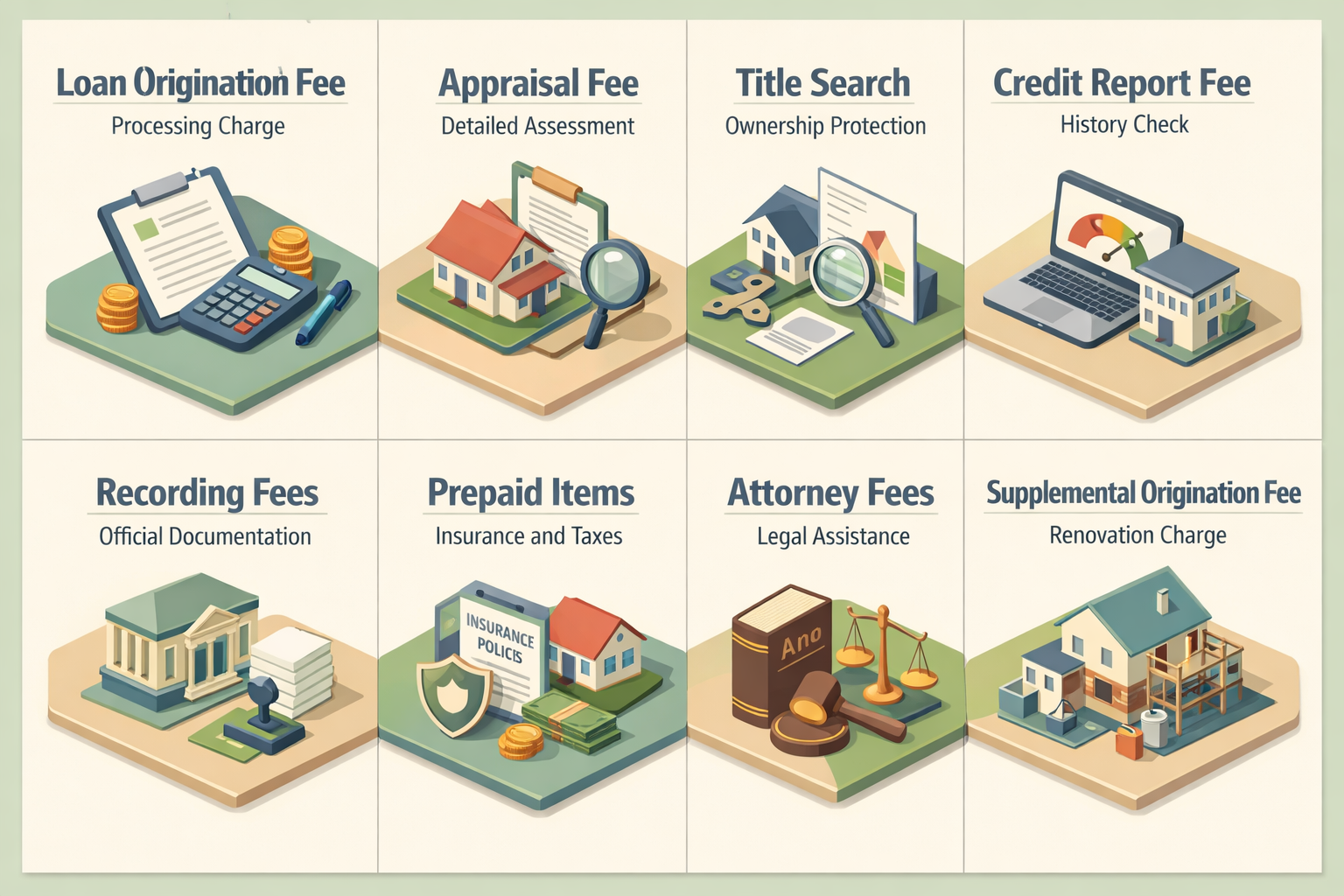
Like any FHA-backed mortgage, an FHA renovation loan comes with a standard set of closing costs. These are the fees paid at settlement to finalize the transaction. While the exact amounts vary by lender, location, and loan size, here are the most common charges borrowers can expect:
- Loan Origination Fee: Charged by the lender to process and underwrite your loan. This is often expressed as a percentage of the loan amount.
- Appraisal Fee: With a 203(k) loan, the appraisal is more detailed. The appraiser must assess the home's as-improved value — meaning what the property will be worth after renovations are completed. This specialized appraisal may cost more than a standard one.
- Title Search and Title Insurance: Standard across most mortgage transactions, these fees protect both you and the lender against ownership disputes or liens on the property.
- Credit Report Fee: A small but standard charge for pulling your credit history during the underwriting process.
- Recording Fees: Paid to the local government to officially record the mortgage and deed transfer.
- Prepaid Items: These include homeowner's insurance premiums, prepaid mortgage interest, and initial escrow deposits for property taxes and insurance.
- Attorney or Settlement Fees: Depending on your state, you may be required to have an attorney present at closing, or you may use a title company instead.
These costs are present in most mortgage transactions. However, the renovation loan adds a few unique line items that you won't find in a standard purchase mortgage, which we'll cover next.
Renovation-Specific Fees That Add to Your Closing Costs
This is where FHA renovation loan closing costs start to stand out from the crowd. Because the 203(k) program involves an ongoing renovation project managed under FHA guidelines, additional professionals and processes are required — and each one comes with a price tag.
HUD Consultant Fee
For a Standard 203(k) loan, you're required to work with a HUD-approved 203(k) consultant. This professional visits the property, reviews your renovation plans, and creates a detailed work write-up that gets submitted to the lender and the FHA. Consultant fees can vary depending on the scope of the project and your location. While this is an upfront cost, the consultant's oversight may help protect you from contractor issues and cost overruns down the road.
Inspection Fees During Construction
The 203(k) program typically requires inspections at various stages of the renovation to ensure the work is being completed correctly before funds are released to the contractor. Each draw inspection may come with a fee, and these costs are often rolled into the loan amount — but they're still worth factoring into your total budget.
Supplemental Origination Fee
Some lenders charge an additional origination fee specifically tied to the renovation portion of the loan. This is separate from the standard origination fee and reflects the extra administrative work involved in managing a renovation escrow account.
Contingency Reserve
While not technically a closing cost, lenders typically require a contingency reserve — usually a percentage of the renovation budget — to be held in escrow for unexpected repairs. This reserve is part of your total loan amount and affects your overall financing picture. It's often between 10% and 20% of the renovation costs, though the exact requirement may vary by lender and project scope.
How the FHA Mortgage Insurance Premium Affects Your Total Loan Cost
One cost that every FHA borrower faces — regardless of whether they're buying a move-in-ready home or a fixer upper — is the mortgage insurance premium (MIP). This is a key feature of FHA-backed loans and affects both your upfront closing costs and your ongoing monthly payments.
There are two components to FHA mortgage insurance:
- Upfront MIP (UFMIP): This is typically 1.75% of the base loan amount and is charged at closing. However, most borrowers choose to roll this cost into the loan rather than paying it out of pocket, which means it increases the total amount financed.
- Annual MIP: This is divided into monthly payments added to your mortgage bill. The rate depends on your loan term, loan amount, and down payment. FHA loans with a down payment below 10% may require MIP for the life of the loan, which is an important long-term cost consideration.
When you're financing a fixer upper, your loan amount already includes the renovation costs. That means your UFMIP is calculated on a larger base, which can increase both the upfront and ongoing insurance costs compared to a standard purchase loan. It's a detail that's easy to miss but can meaningfully affect your monthly budget.
Strategies to Manage and Potentially Reduce Your Closing Costs
The good news is that you don't have to accept every closing cost at face value. There are several strategies homebuyers can use to make the financial side of a fixer upper mortgage FHA transaction more manageable.
Negotiate Seller Concessions
In many real estate transactions, buyers can negotiate for the seller to contribute toward closing costs. FHA guidelines do allow seller concessions, though there are limits to how much the seller can contribute. If the property has been sitting on the market or needs significant work, you may have more negotiating leverage than you'd expect.
Shop Multiple Lenders
Not all lenders charge the same fees, and origination costs in particular can vary widely. Getting Loan Estimates from multiple FHA-approved lenders gives you a clear comparison of what each institution charges. Even small differences in fees can add up to meaningful savings over the life of a loan.
Ask About Rolling Costs Into the Loan
Many closing costs associated with a 203(k) loan — including the UFMIP, inspection fees, and consultant fees — may be rolled into the total loan amount. This reduces the out-of-pocket cash needed at closing, though it does increase the amount you're financing and the interest you'll pay over time.
Explore Down Payment Assistance Programs
Some state and local housing agencies offer assistance programs for buyers using FHA loans. These programs might help cover down payment requirements or offset closing costs, potentially freeing up cash for other needs. Eligibility requirements vary significantly, so it's worth researching what's available in your area.
Reading Your Loan Estimate and Closing Disclosure Carefully
Federal law requires lenders to provide borrowers with a Loan Estimate within three business days of receiving a completed loan application. This document breaks down all estimated costs associated with your mortgage, including origination charges, third-party fees, and prepaid items. For an FHA renovation loan, review this document especially carefully — the renovation-specific fees and the 203(k) consultant charges should all appear here.
Shortly before closing, you'll receive a Closing Disclosure, which reflects the final, confirmed numbers. Compare this document closely to your Loan Estimate. Certain fees are not allowed to increase at all between the two documents, while others may change within regulated limits. If something looks different or unexpected, ask your lender for a clear explanation before signing.
Taking the time to review these documents is one of the most practical ways to protect yourself financially. Many borrowers gloss over them, but understanding every line can help you catch errors, question unusual charges, and walk into closing with confidence.
Is the FHA Renovation Loan Worth the Extra Closing Costs?
That's ultimately a question only you can answer, but there's a strong case to be made for the program. Fixer uppers are often priced below comparable move-in-ready homes, which means you may be building equity from day one. By financing the renovation through the same loan, you avoid higher-interest personal loans or credit card debt for the improvement work. And for buyers who might not qualify for conventional financing, the FHA program's more flexible credit and down payment requirements may be the difference between homeownership and continued renting.
The additional closing costs associated with a 203(k) loan are real, and you shouldn't underestimate them. But when viewed against the potential long-term financial gains — a renovated home, built-in equity, and a property tailored to your needs — many buyers find the tradeoff worthwhile. The key is going in with eyes open, a realistic budget, and a lender who specializes in renovation financing.
Understanding closing costs for FHA loan on a fixer upper with renovation loan isn't just about knowing the numbers — it's about making an informed decision that sets you up for lasting financial success. Take the time to ask questions, compare offers, and work with professionals who have genuine experience in this specialized area of mortgage lending.
●Conclusion
Buying a fixer upper with an FHA renovation loan is an exciting opportunity, but it comes with a unique fee structure that deserves careful attention. From the HUD consultant and draw inspections to the upfront mortgage insurance premium and specialized appraisal, these costs can add up quickly if you're not prepared. The good news is that most of these expenses can be anticipated, compared across lenders, and in some cases rolled into the loan itself. If you're considering this path, start by connecting with an FHA-approved lender who has experience with 203(k) transactions. At LoanWise, our team is ready to help you evaluate your options, understand your true costs, and move forward with confidence. Your dream home — even if it needs a little work — may be closer than you think.