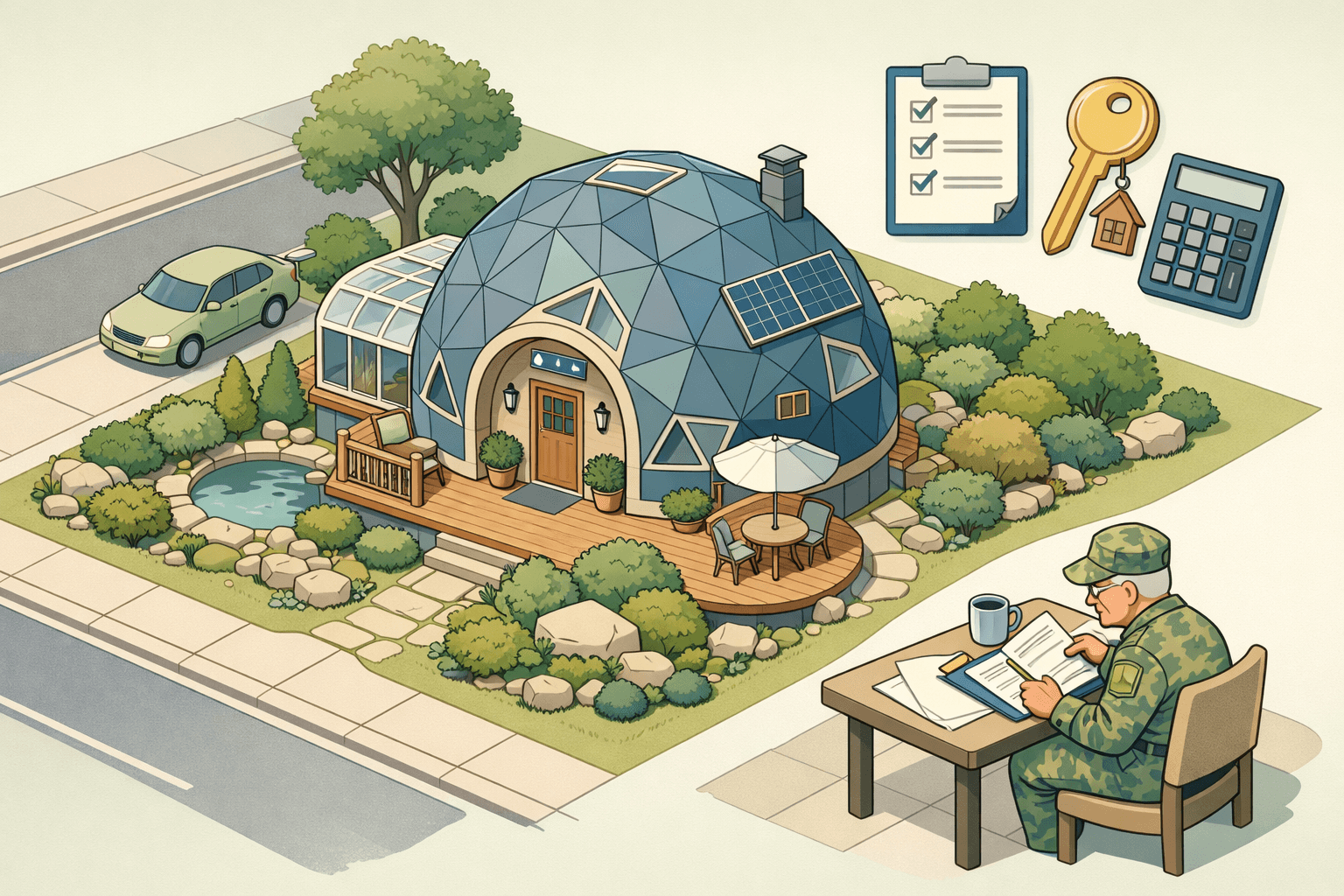
Geodesic dome homes are one of the most distinctive and energy-efficient housing options on the market today. Their curved walls, triangular paneling, and unconventional shape make them stand out in any neighborhood. But when a veteran or active-duty service member wants to purchase one using their VA home loan benefit, a common and important question arises: what are closing costs for VA loan on a geodesic dome home? The answer involves understanding both the VA loan's standard cost structure and the unique appraisal challenges that come with non-traditional properties. This article breaks it all down so you can approach your home purchase with confidence.
Understanding How VA Loan Closing Costs Work in General
Before diving into what makes geodesic domes different, it helps to understand how VA loan closing costs work across the board. The VA loan program, backed by the U.S. Department of Veterans Affairs, offers eligible veterans, active-duty service members, and surviving spouses a powerful path to homeownership — often with no down payment required. However, closing costs are still part of the transaction.
VA closing costs typically include a mix of lender fees, third-party service fees, and government-related charges. Here's what you might expect to see on a standard VA loan closing disclosure:
- VA Funding Fee: This is a one-time fee paid to the Department of Veterans Affairs. It helps keep the loan program running for future generations of veterans. The amount varies depending on factors like your down payment amount and whether it's your first time using the VA loan benefit. Some veterans — such as those receiving VA disability compensation — may be exempt.
- Origination Fee: Lenders may charge an origination fee, but the VA caps this at 1% of the loan amount. This is a key consumer protection built into the program.
- Appraisal Fee: The VA requires a VA-certified appraiser to evaluate the property. This fee varies by region and property type.
- Title Insurance and Title Search: These protect both you and the lender from ownership disputes or liens discovered after closing.
- Credit Report Fee: Lenders typically charge a small fee to pull your credit history.
- Recording Fees: Local governments charge fees to officially record the mortgage and deed transfer.
- Prepaid Items: These include prepaid homeowners insurance, prepaid interest, and initial escrow deposits for property taxes and insurance.
In total, VA loan closing costs often range somewhere between 2% and 5% of the loan amount, though this can vary based on the lender, location, and property type. It's worth noting that the VA restricts certain fees — lenders cannot charge veterans for items like attorney fees (in most states), real estate broker commissions, or prepayment penalties.
What Makes a Geodesic Dome Home Different for Lenders and Appraisers
Geodesic dome homes are considered non-traditional or unconventional properties in the mortgage lending world. This classification matters because lenders and appraisers have to work harder to justify the property's market value — and that extra complexity can affect your closing experience.
Here's why geodesic domes present unique challenges:
- Limited Comparable Sales (Comps): Appraisers typically determine a home's value by looking at recent sales of similar properties nearby — these are called comps. Geodesic dome homes are rare, which means finding true comps can be difficult or even impossible in some markets. When comps are scarce, appraisers may need to use alternative valuation methods, which could take more time and cost more.
- VA Minimum Property Requirements (MPRs): The VA requires that any home purchased with a VA loan meets specific safety, structural, and livability standards. Geodesic domes must pass these same requirements. Inspectors and appraisers will look at the structural integrity of the dome, the roofing system, insulation, plumbing, electrical systems, and more. If any issues are flagged, repairs may be required before the loan can close.
- Lender Willingness: Not all VA-approved lenders are comfortable financing non-traditional homes. Some lenders may decline the application outright, while others may apply stricter underwriting standards. This means it could take more time to find the right lender — and that search process is worth starting early.
None of these challenges make it impossible to purchase a geodesic dome with a VA loan, but they do mean you should plan ahead and work with professionals who have experience in specialty property financing.
VA Loan Closing Costs Geodesic Dome: What May Be Higher Than Usual
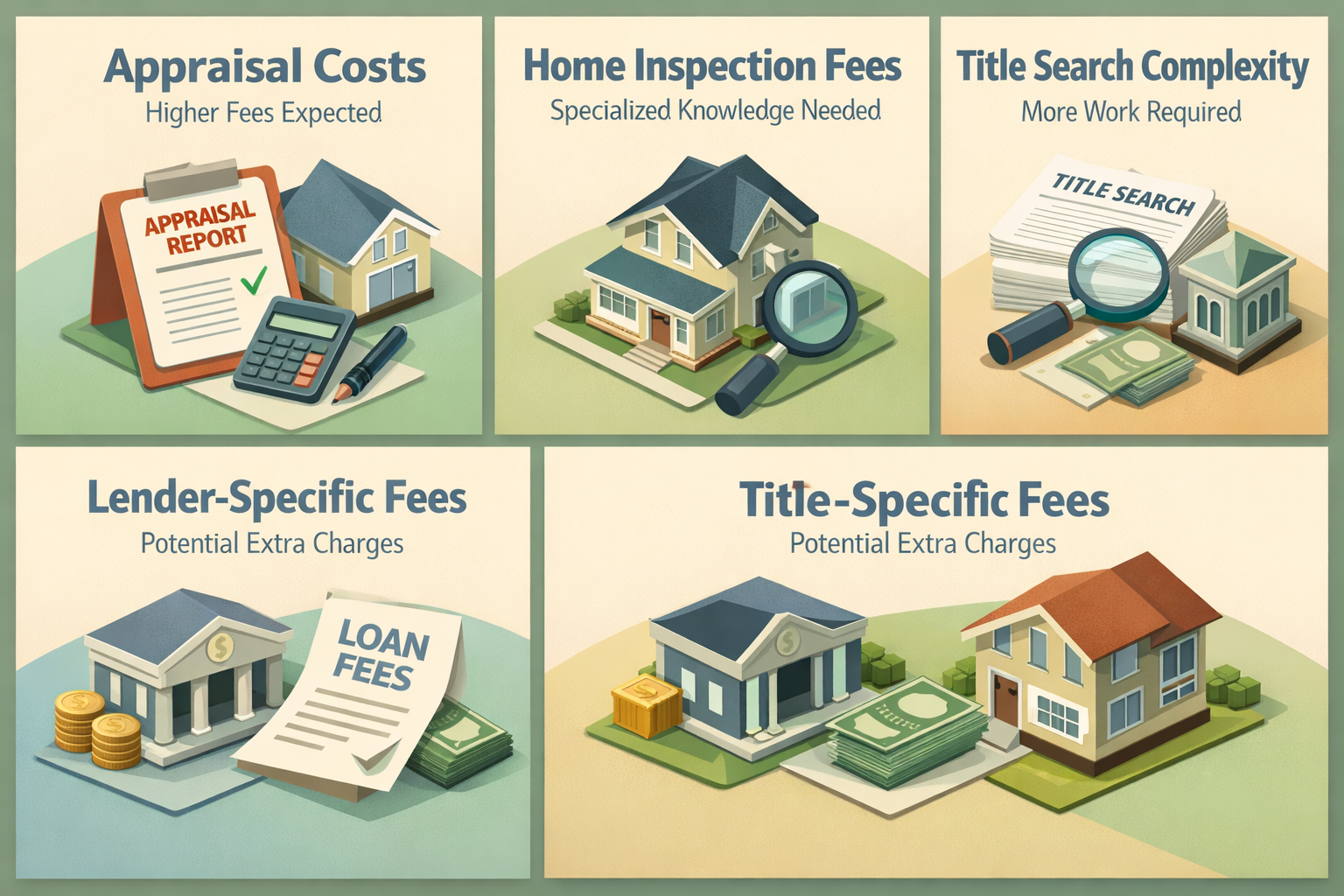
When exploring VA loan closing costs geodesic dome scenarios, certain fees may run higher than they would for a conventional single-family home. Understanding where those increases might come from helps you budget more accurately.
Appraisal Costs
Because geodesic domes are non-standard properties, VA-certified appraisers may charge more for the additional research and documentation required. In some cases, the appraiser may need to travel further to find relevant comps, or spend additional hours preparing a more detailed appraisal report. This could mean your appraisal fee is moderately higher than the regional average.
Home Inspection Fees
While a home inspection is not technically required by the VA, it's strongly recommended — especially for a geodesic dome. These homes have unique roofing systems, interior structures, and sometimes alternative building materials. A qualified inspector familiar with dome homes may charge more for their specialized knowledge. This cost typically falls outside the VA's allowed/disallowed fee structure and is simply a wise investment.
Title Search Complexity
If the geodesic dome home sits on a larger rural parcel, has shared land agreements, or was built as a custom or owner-built structure, the title search may require more work. This could slightly increase title-related closing costs.
Lender-Specific Fees
Some lenders that are willing to finance non-traditional properties may apply additional underwriting review fees. It's important to request a Loan Estimate from any lender you work with, and compare those estimates carefully. The VA requires lenders to provide this document early in the process so borrowers can make informed comparisons.
Fees the VA Prohibits Lenders From Charging Veterans
One of the most borrower-friendly features of the VA loan program is the list of fees that lenders are not allowed to charge veterans. Even when financing a non-traditional property like a geodesic dome, these protections remain in place. Understanding what you should not be charged is just as important as knowing what to expect.
According to VA guidelines, the following fees are generally not permitted to be charged to the veteran borrower:
- Attorney fees (except in states where attorney involvement is legally required)
- Real estate broker commissions or fees
- Loan closing or settlement fees charged by the lender (beyond the 1% origination cap)
- Prepayment penalties
- Application fees beyond reasonable credit report costs
- Document preparation fees
These restrictions are a meaningful safeguard. If you receive a closing disclosure that includes any of these items as charges to you, it's worth flagging them with your lender immediately and asking for clarification. A good VA-experienced loan officer will ensure your closing disclosure is compliant before you sign anything.
It's also worth noting that sellers are permitted to pay some or all of your closing costs — a strategy sometimes called a seller concession. The VA allows sellers to contribute up to 4% of the loan amount in concessions, which can include things like the VA funding fee, prepaid taxes and insurance, and other closing costs. In a buyer's market or when negotiating on a unique property like a geodesic dome, this could be a valuable negotiating point.
The VA Funding Fee and How It Applies to Specialty Properties
The VA funding fee deserves its own focused discussion because it's often the largest single closing cost in a VA loan transaction. The good news is that it applies uniformly regardless of the property type — so purchasing a geodesic dome doesn't change how the funding fee is calculated.
The funding fee is a percentage of the loan amount. It typically varies based on:
- Whether it's your first time using your VA loan benefit or a subsequent use
- The size of your down payment (if any)
- Whether the loan is for a purchase, refinance, or other purpose
Veterans who are receiving VA disability compensation at the time of closing are generally exempt from the funding fee entirely. Surviving spouses of veterans who died in service or from service-connected disabilities may also qualify for an exemption. This exemption can represent a significant savings — potentially thousands of dollars depending on the loan amount.
One advantage of the VA funding fee is that it can be rolled into the loan amount rather than paid out of pocket at closing. This helps reduce the immediate cash burden at the time of purchase, which can be especially helpful when buying a specialty property that may require additional inspections or upfront repairs to meet VA MPRs.
Steps to Successfully Close a VA Loan on a Geodesic Dome Home
If you're a veteran who has your heart set on a geodesic dome home, there's a clear path forward — it just requires a bit more preparation. Here are some practical steps to improve your chances of a smooth closing:
Step 1: Find a VA Lender Experienced With Non-Traditional Homes
Not all VA lenders are created equal when it comes to specialty properties. Look for lenders who specifically mention experience with alternative or non-traditional home types. Ask directly whether they've financed a geodesic dome before. A lender with relevant experience will be better equipped to navigate the appraisal and underwriting process.
Step 2: Get Your Certificate of Eligibility (COE) Ready
Before anything else, confirm your VA loan eligibility by obtaining your Certificate of Eligibility. This document confirms your service history and benefit entitlement. You can request it through the VA's eBenefits portal, through your lender, or directly from the VA.
Step 3: Budget for a Potentially Higher Appraisal Fee
Set aside a little extra for the appraisal. Given the complexity involved with geodesic dome valuations, it's smart to plan for a higher-than-average appraisal cost rather than be caught off guard.
Step 4: Hire a Specialist Home Inspector
Find an inspector who has specific experience with dome structures or at minimum with alternative building methods. Their report will be essential for understanding the property's condition and identifying anything that might not meet VA MPRs before you go under contract.
Step 5: Review the Loan Estimate Carefully
Once you've selected a lender and have a property under contract, review your Loan Estimate line by line. Compare the fees to what's permitted under VA guidelines. Don't hesitate to ask questions about any charge you don't recognize.
Step 6: Negotiate Seller Concessions
Talk to your real estate agent about negotiating seller-paid closing costs. Given that geodesic domes can sit on the market longer due to their niche appeal, sellers may be more open to concessions — which could help offset your out-of-pocket costs at closing.
●Conclusion
So, what are closing costs for VA loan on a geodesic dome home? In short, they include the same standard components as any VA loan — origination fees capped at 1%, the VA funding fee, appraisal costs, title fees, prepaid items, and recording charges — but with the added possibility of higher appraisal and inspection fees due to the property's non-traditional nature. The VA's borrower protections still apply in full, and seller concessions remain a viable tool for reducing your out-of-pocket expenses. With the right lender, a thorough inspection, and a clear understanding of the fee structure, veterans can absolutely pursue their dream of owning a geodesic dome home using their hard-earned VA benefit. If you're ready to explore your options, speaking with a VA-experienced loan officer is the best first step toward making it happen.