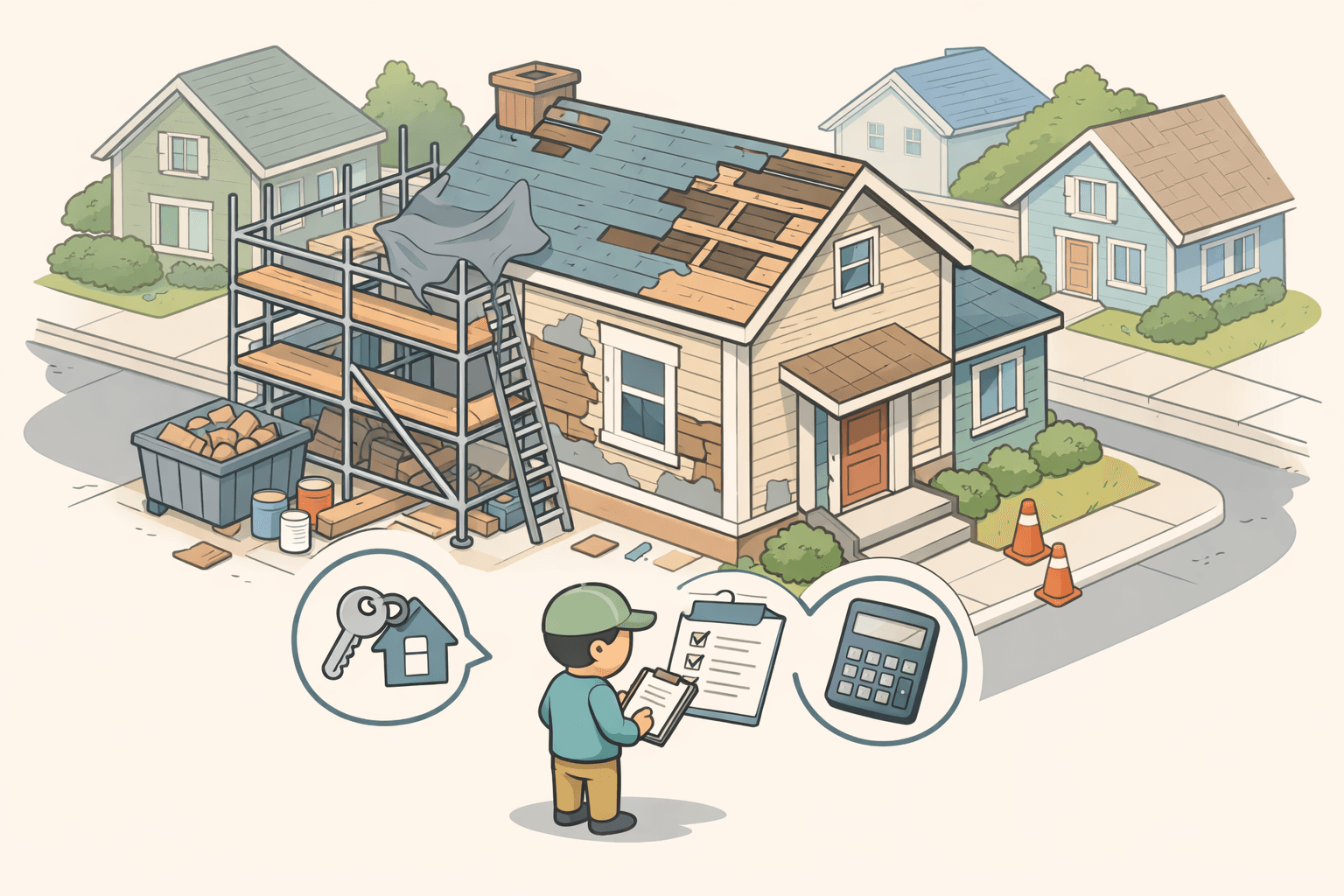
Buying a fixer upper is an exciting opportunity — you get to purchase a home below market value and transform it into something truly yours. But financing that dream takes more than just enthusiasm. If you're exploring government-backed options, you've likely come across the FHA 203(k) renovation loan, one of the most accessible pathways for homebuyers who want to purchase and renovate at the same time. Before you dive in, though, it's essential to understand what are closing costs for FHA loan on fixer upper with renovation loan so you can budget accurately and avoid any surprises at the closing table. From standard lender fees to renovation-specific charges, these costs can add up — and knowing what to expect puts you firmly in control.
Understanding the FHA 203(k) Renovation Loan and Why It Exists
The FHA 203(k) loan is a federally backed mortgage program designed specifically for homebuyers and homeowners who want to purchase or refinance a property that needs repairs or renovations. Rather than taking out two separate loans — one for the purchase and one for the renovation — the 203(k) combines both into a single mortgage. This makes it particularly attractive for first-time homebuyers and buyers with limited savings who are eyeing properties that need significant work.
There are two main versions of this program. The Standard 203(k) is intended for major structural repairs, including roofing, foundation work, and significant system upgrades. The Limited 203(k), sometimes called the Streamline version, is designed for smaller cosmetic renovations and non-structural improvements, typically capped at a lower renovation amount. Each version carries its own set of requirements, which can influence your overall closing costs.
Because this loan is insured by the Federal Housing Administration, lenders are able to offer it to borrowers with lower credit scores and smaller down payments compared to conventional loan products. However, that government backing comes with specific fees and requirements that every borrower should understand before applying.
What Are Closing Costs for FHA Loan on Fixer Upper With Renovation Loan: The Full Breakdown
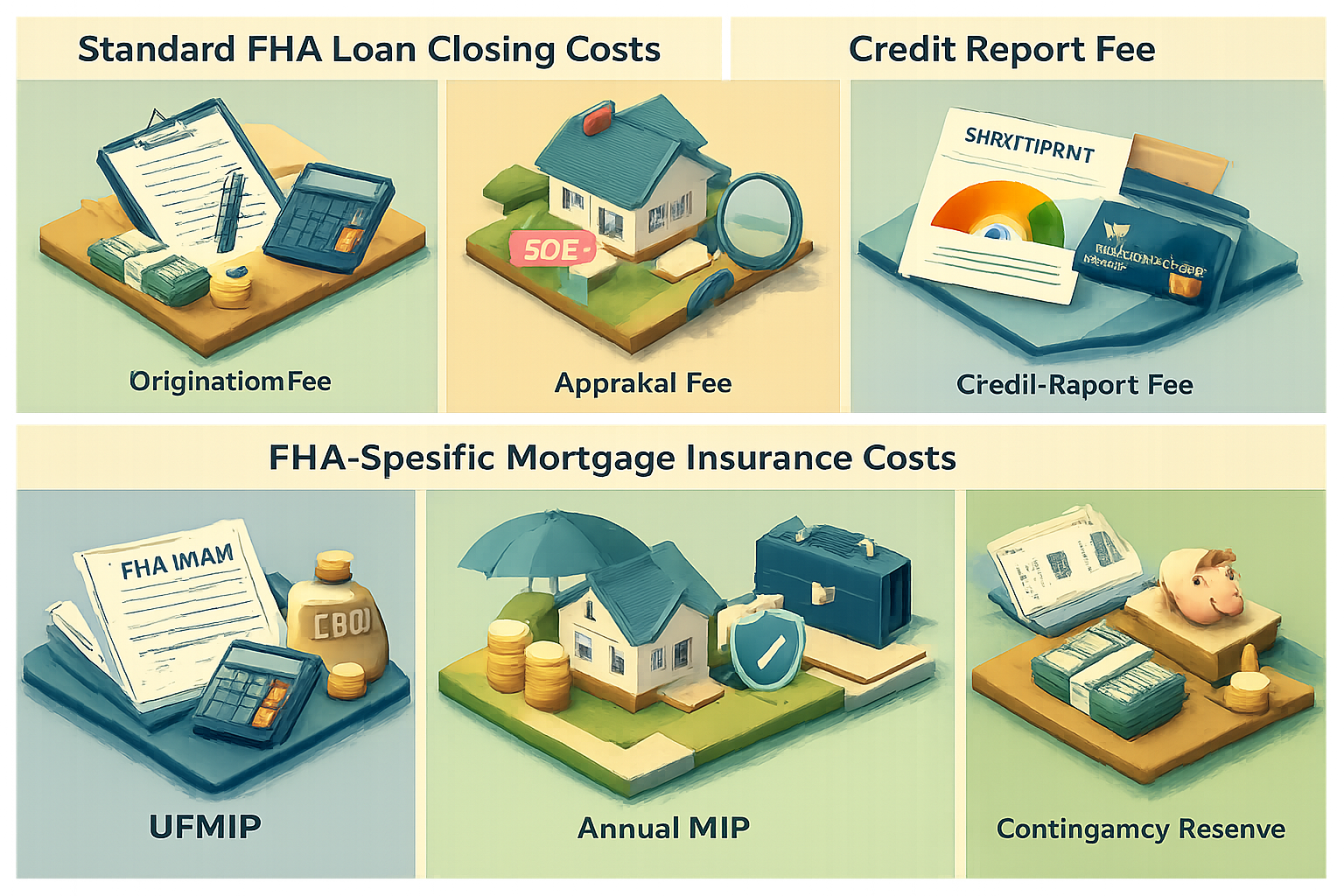
When it comes to what are closing costs for FHA loan on fixer upper with renovation loan, buyers should expect a combination of standard FHA closing costs and renovation-specific fees that don't apply to traditional purchase loans. Together, these can typically range from 2% to 6% of the total loan amount, though the actual figure will vary based on your lender, location, loan size, and renovation scope. Here's a detailed look at each cost category.
Standard FHA Loan Closing Costs
- Origination Fee: Lenders commonly charge an origination fee to process your loan application. This fee may be expressed as a flat dollar amount or as a percentage of the loan — often around 1% of the loan amount, though this can vary by lender.
- Appraisal Fee: FHA loans require a specialized appraisal that evaluates the property's current value and its projected value after renovations. This appraisal tends to cost more than a standard home appraisal because of the additional analysis involved.
- Credit Report Fee: Lenders pull your credit history as part of the underwriting process and typically pass this cost along to the borrower.
- Title Search and Title Insurance: A title search confirms that the property has a clean ownership history, and title insurance protects both you and your lender against future claims. These fees are standard across most mortgage types.
- Escrow and Prepaid Costs: At closing, you'll likely prepay a portion of your homeowner's insurance, property taxes, and mortgage interest. These funds are deposited into an escrow account managed by your lender.
- Recording Fees: Your local government charges a fee to officially record the new mortgage and property deed in public records.
FHA-Specific Mortgage Insurance Costs
One of the most significant cost factors unique to FHA loans is mortgage insurance. Borrowers are required to pay an Upfront Mortgage Insurance Premium (UFMIP), which is currently set at 1.75% of the base loan amount. This can be paid at closing or rolled into the loan balance. Additionally, you'll pay an Annual Mortgage Insurance Premium (MIP) broken into monthly installments, which continues for the life of the loan in most cases. These premiums are a key component of FHA renovation loan costs that many buyers underestimate.
Renovation-Specific Fees That Add to Your Fixer Upper FHA Loan Expenses
Beyond the standard closing costs, the FHA 203(k) program carries several fees tied specifically to the renovation component. These are often overlooked during the budgeting phase and can catch buyers off guard if they're not planning ahead.
HUD Consultant Fee
For Standard 203(k) loans, a HUD-approved consultant is typically required. This professional inspects the property, reviews contractor bids, and ensures the renovation work meets FHA guidelines. Their fee is generally based on the size of the renovation project and may range from several hundred to over a thousand dollars. This is a mandatory fixer upper FHA loan expense for most Standard 203(k) transactions.
Feasibility Study and Architectural Drawings
If your renovation is complex, your lender or HUD consultant may require a feasibility study or professional architectural drawings before your loan can be approved. These documents add to your upfront costs but are essential for demonstrating that the planned improvements are structurally sound and financially justified.
Contingency Reserve
FHA guidelines typically require that a contingency reserve be built into the renovation budget — often between 10% and 20% of the total renovation cost. This reserve exists to cover unexpected repairs or cost overruns discovered during the construction phase. While not technically a closing cost, it does affect the total loan amount and, consequently, the costs associated with your financing.
Contractor Inspection Fees
Throughout the renovation, lenders may require periodic inspections to verify that work is progressing as planned before releasing funds from the renovation escrow. Each draw inspection typically carries a small fee, and the number of inspections will depend on the scope and duration of your project.
How Down Payment Requirements Interact With Your Overall FHA Closing Costs
One of the most appealing features of FHA financing is the low down payment requirement. Borrowers with a credit score of 580 or higher may qualify for a down payment as low as 3.5% of the purchase price. For those with scores between 500 and 579, a 10% down payment is typically required. It's worth noting that the down payment is calculated on the purchase price, not the total loan amount that includes renovation costs.
However, it's important to understand that your down payment and your closing costs are two separate obligations. You'll need funds available for both at closing. Some buyers mistakenly assume that a low down payment means low total upfront costs, but when you factor in FHA renovation loan costs and all associated fees, the total cash needed at closing can be substantially higher than the down payment alone.
Fortunately, FHA guidelines do allow sellers to contribute toward a buyer's closing costs — up to 6% of the sales price in seller concessions. This can be a powerful negotiating tool, especially when purchasing a distressed property where the seller may be motivated to offer concessions to close the deal quickly. Buyers should discuss this strategy with their real estate agent and loan officer early in the process.
Smart Ways to Reduce Your FHA Renovation Loan Costs at Closing
Managing your closing costs doesn't have to feel overwhelming. There are several practical strategies that homebuyers can use to reduce the out-of-pocket burden when financing a fixer upper through an FHA 203(k) loan.
- Shop Multiple Lenders: Not all lenders charge the same origination fees or offer the same interest rates. Getting Loan Estimates from at least three FHA-approved lenders allows you to compare costs side by side and choose the most competitive offer.
- Negotiate Seller Concessions: As mentioned, FHA allows sellers to contribute up to 6% of the purchase price toward closing costs. In markets where fixer uppers are plentiful, sellers may be open to this kind of arrangement.
- Roll Eligible Costs Into the Loan: The FHA Upfront Mortgage Insurance Premium can be financed into your loan balance, reducing the cash you need at closing. Some lenders may also allow certain fees to be rolled in, though this increases your loan principal and overall interest paid over time.
- Explore Down Payment Assistance Programs: Many state and local housing agencies offer grants or second-mortgage programs to help cover down payments and closing costs for eligible buyers. These programs may be stackable with FHA financing in some cases.
- Review the Loan Estimate Carefully: Your lender is required to provide a Loan Estimate within three business days of your application. Review every line item carefully and ask questions about any fees that seem unclear or unusually high.
What Homebuyers Often Miss: Ongoing Costs After Closing on a Fixer Upper
Closing costs are a one-time event, but purchasing a fixer upper with an FHA renovation loan introduces several ongoing financial considerations that buyers should plan for well in advance.
Living Arrangements During Renovation
If your property requires extensive work, you may not be able to move in immediately after closing. The FHA 203(k) program does allow for a portion of the mortgage payments to be included in the renovation budget for a limited period — covering payments while the property is uninhabitable — but this has specific eligibility conditions. Buyers should confirm with their lender whether this applies to their situation.
Monthly Mortgage Insurance Premiums
As noted earlier, FHA borrowers pay Annual MIP throughout the life of the loan in most scenarios. This ongoing cost should be factored into your monthly budget alongside your principal, interest, property taxes, and homeowner's insurance. Over time, it's worth evaluating whether refinancing into a conventional loan once you've built sufficient equity could eliminate this expense.
Renovation Cost Management
Cost overruns are common in renovation projects. While the contingency reserve provides a buffer, exceeding it may require you to cover additional expenses out of pocket. Working with experienced, FHA-approved contractors and getting detailed, itemized bids before closing can help minimize this risk.
●Conclusion
Understanding what are closing costs for FHA loan on fixer upper with renovation loan is one of the most important steps you can take before committing to this type of financing. From lender origination fees and FHA mortgage insurance premiums to HUD consultant charges and draw inspection fees, the total cost picture is more layered than a standard purchase loan. But with the right preparation — shopping lenders, negotiating seller concessions, exploring assistance programs, and reviewing every fee carefully — you can manage these costs effectively and move forward with confidence. A fixer upper financed through an FHA 203(k) loan can be a genuinely smart path to homeownership, combining affordability, flexibility, and the opportunity to build equity from day one. If you're ready to explore your options, connect with a LoanWise mortgage specialist today and get clarity on every cost before you close.