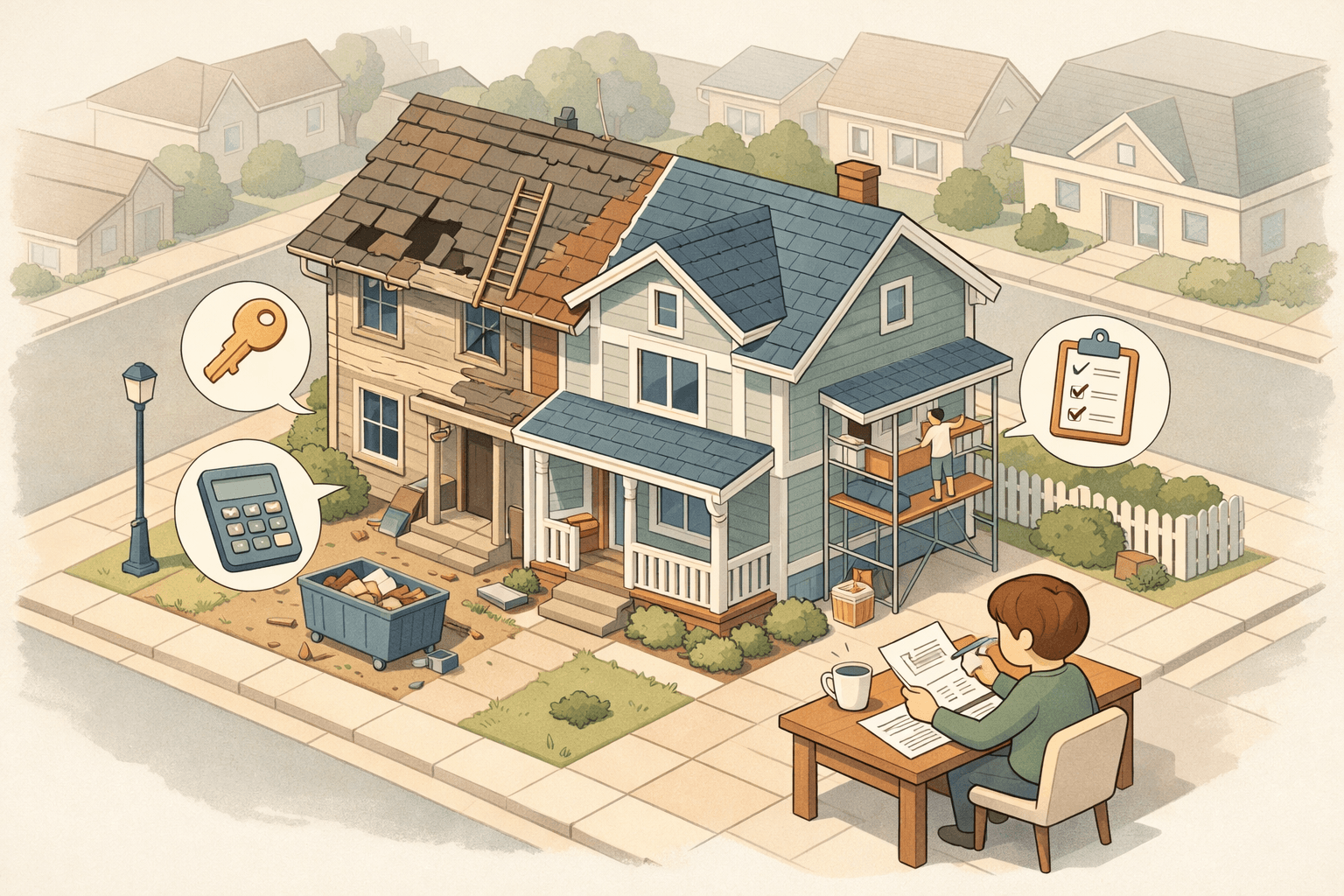
Purchasing a fixer upper is one of the most exciting — and sometimes intimidating — steps a homebuyer can take. When you combine that journey with an FHA renovation loan, the financing process becomes a little more layered than a standard mortgage. One of the biggest questions buyers tend to ask is: what are closing costs for FHA loan on a fixer upper with renovation loan? It's a fair question, and understanding the answer early can save you from financial surprises at the closing table. This guide breaks down every major cost category so you can walk into the process feeling confident and prepared.
Understanding How FHA Renovation Loans Work Before You Close
Before diving into the costs themselves, it helps to understand the loan product you're dealing with. The most common FHA renovation loan is the FHA 203(k) loan, which comes in two versions: the Standard 203(k) and the Limited 203(k). The Standard version is designed for major structural repairs and larger renovation projects, while the Limited version — sometimes called the Streamline — is better suited for smaller cosmetic updates and non-structural work.
Both versions allow you to roll the purchase price of the home and the estimated cost of renovations into a single loan. That means instead of taking out a separate construction loan or paying for repairs out of pocket, everything is bundled together. This is what makes the product especially attractive for buyers eyeing distressed properties or homes that need significant updating before they're livable.
Because this loan type is more complex than a standard FHA purchase loan, it also introduces additional fees and requirements — which is where understanding FHA renovation loan closing costs becomes especially important. Lenders need to account for extra administrative work, additional inspections, and specialized third-party involvement that simply doesn't exist with a traditional mortgage.
Core Closing Costs You'll Encounter on an FHA Fixer Upper Loan
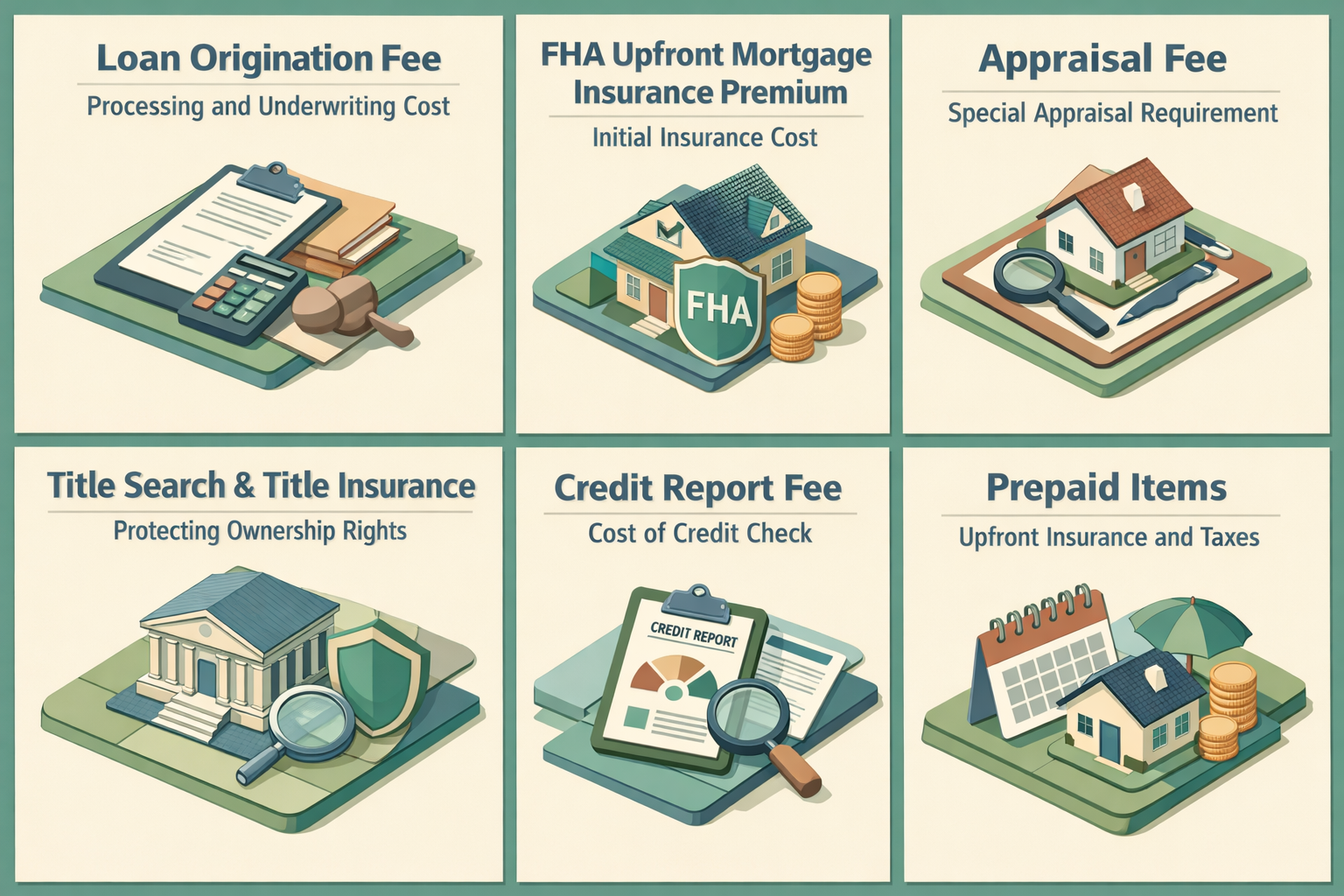
Many of the closing costs tied to an FHA 203(k) loan are similar to those on a standard FHA purchase. However, the renovation component adds several additional line items. Here's a look at what you can typically expect:
- Loan Origination Fee: This is charged by the lender for processing and underwriting the loan. It's usually expressed as a percentage of the total loan amount, which — because it includes renovation costs — may be higher than a standard purchase loan origination fee.
- FHA Upfront Mortgage Insurance Premium (UFMIP): All FHA loans require an upfront mortgage insurance premium. This is currently set at a fixed percentage of the base loan amount and is typically rolled into the loan rather than paid out of pocket at closing, though buyers do have the option to pay it upfront.
- Appraisal Fee: FHA 203(k) loans require a special appraisal that evaluates both the current value of the property and the projected value after renovations are complete. This as-completed appraisal tends to cost more than a standard home appraisal.
- Title Search and Title Insurance: Protecting the lender — and optionally yourself — with title insurance is standard practice. With a fixer upper, title work may be slightly more involved if the property has liens or ownership complications.
- Credit Report Fee: Lenders pull your credit as part of the approval process and may pass this cost along to the borrower.
- Prepaid Items: These include prepaid homeowner's insurance, prepaid mortgage interest, and initial escrow deposits for taxes and insurance. These aren't technically fees but are collected at closing and can add meaningfully to your upfront costs.
Together, these standard items often make up the bulk of your FHA renovation loan closing costs. Shopping around with multiple lenders may help you find more competitive origination charges.
Renovation-Specific Fees That Go Beyond a Standard Mortgage
Here's where the FHA 203(k) loan truly differs from a conventional purchase transaction. Because the loan is financing construction work, there are several fees that are unique to this program — and buyers often underestimate them.
- HUD Consultant Fee (Standard 203k only): For Standard 203(k) loans, the Department of Housing and Urban Development requires that a HUD-approved consultant oversee the renovation process. This consultant inspects the property, reviews contractor bids, creates a work write-up, and monitors draw disbursements throughout the project. Their fee varies but can range from a few hundred to over a thousand dollars depending on the scope of work.
- Contingency Reserve: Lenders typically require a contingency reserve of around 10% to 20% of the total renovation costs to cover unexpected expenses that arise during construction. While this isn't a closing cost in the traditional sense, it's held in an escrow account and affects how much you need to borrow and budget.
- Draw Inspection Fees: As your contractor completes phases of the renovation, a draw inspection may be required before funds are released. Each inspection visit may carry a separate fee that accumulates over the life of the project.
- Architectural or Engineering Fees: For major structural work, lenders or local municipalities may require architectural plans or engineering reports. These costs are often incorporated into the renovation budget but should be accounted for early in the planning process.
- Supplemental Origination Fee: Some lenders charge an additional origination fee specifically tied to the 203(k) portion of the loan, reflecting the extra administrative burden of managing a renovation escrow.
Understanding these fixer upper costs in advance gives you a much clearer picture of your true total investment — not just the purchase price and renovation estimate.
How Much Should You Budget for Total Closing Costs on This Loan Type
A common question among homebuyers is how much to set aside for closing. On a standard home purchase, closing costs might run between 2% and 5% of the loan amount. With an FHA 203(k) loan, the total can potentially land at the higher end of that range — or beyond — depending on the scope of your renovation and the lender's fee structure.
For example, if you're borrowing a combined amount that covers both the purchase price and a significant renovation budget, the base loan amount is already larger than a standard purchase loan. That means percentage-based fees like origination charges and mortgage insurance premiums will also be larger in absolute dollar terms.
When planning your budget, it's wise to request a Loan Estimate from your lender as early as possible. This federally mandated document breaks down every anticipated fee in detail and allows you to compare offers side by side. Don't hesitate to ask your loan officer to walk you through each line item — reputable lenders should be transparent and willing to explain what you're paying and why.
It may also be worth asking whether any seller concessions are available. In some real estate markets, motivated sellers may be willing to contribute toward a buyer's closing costs as part of the negotiation. FHA guidelines do allow for seller concessions up to a certain percentage of the sales price, which could meaningfully reduce your out-of-pocket expenses at closing.
Ways Homebuyers Can Reduce Upfront Expenses on an FHA Renovation Loan
The good news is that closing costs aren't entirely fixed. There are several strategies homebuyers might use to reduce what they pay out of pocket when closing on a fixer upper with an FHA renovation loan.
- Negotiate with the Seller: As mentioned, seller concessions can help offset some of your closing costs. If the property has been sitting on the market, a seller may be more open to contributing toward your costs in order to close the deal.
- Explore Down Payment Assistance Programs: Some state and local housing agencies offer assistance programs that may also cover a portion of closing costs. These programs often target first-time homebuyers, but eligibility varies by location and income.
- Ask About Lender Credits: Some lenders offer credits that reduce your out-of-pocket closing costs in exchange for a slightly higher interest rate. This trade-off might make sense if you're short on cash upfront but comfortable with a modest rate adjustment over the long term.
- Roll Eligible Costs Into the Loan: Certain closing costs may be eligible to be financed into the loan amount under FHA guidelines, though this increases your overall loan balance and total interest paid over time. Always evaluate the long-term impact before choosing this route.
- Shop Multiple Lenders: Not all lenders charge the same fees. Getting quotes from at least two or three FHA-approved lenders can help you identify the most competitive offer for your situation.
Taking a strategic approach to closing costs doesn't mean cutting corners — it means being informed and proactive about where every dollar is going.
What to Know About FHA Mortgage Insurance and Its Long-Term Impact
One cost that's easy to overlook in the excitement of closing is ongoing mortgage insurance. FHA loans require both an upfront mortgage insurance premium and an annual mortgage insurance premium that's divided into monthly payments. The annual MIP is added to your monthly mortgage payment and continues for the life of the loan in many cases — particularly when the down payment is below 10%.
This is worth mentioning in the context of FHA renovation loan closing costs because buyers sometimes focus so heavily on upfront fees that they underestimate the cumulative cost of MIP over time. On a renovation loan, where the financed amount may be higher due to the included repair costs, the monthly MIP payment will also be proportionally higher.
If your long-term plan is to refinance once the renovation is complete and the home's value has increased, that could be a viable strategy to eventually exit FHA mortgage insurance. Once you've built sufficient equity — typically 20% — refinancing into a conventional loan could eliminate the MIP requirement and reduce your monthly payment meaningfully. It's a path worth discussing with your loan officer early in the process.
●Conclusion
So, what are closing costs for FHA loan on a fixer upper with renovation loan? The honest answer is: more than a standard purchase, but manageable with the right preparation. Between the standard FHA fees, renovation-specific charges like the HUD consultant and draw inspections, and the ongoing mortgage insurance obligation, the total upfront investment can feel significant. But for many homebuyers, the ability to purchase and renovate a home with a single loan — at FHA's accessible credit standards and low down payment requirements — makes it a worthwhile trade-off.
The key is going in with eyes wide open. Request your Loan Estimate early, ask your lender detailed questions, and build a realistic budget that accounts for every fee in this guide. If you're ready to explore your options, LoanWise is here to connect you with experienced FHA-approved lenders who can help you understand exactly what you'll owe at the closing table — and how to make your fixer upper dream a reality.