
If you're exploring the idea of buying a duplex that sits in a mixed-use zone, you're stepping into one of the more nuanced corners of real estate financing. These properties blend residential and commercial characteristics, which means lenders — and the FHA — look at them a little differently. One of the first questions that comes up for buyers in this situation is: what are closing costs for FHA loan on a duplex with mixed-use zoning? The answer isn't always straightforward, but understanding the layers involved can help you plan your budget, avoid surprises at the closing table, and feel confident moving forward. Let's break it all down.
How FHA Loans Apply to Duplexes and Mixed-Use Properties
The FHA loan program is widely known for helping first-time homebuyers and lower-to-moderate income borrowers get into homes with smaller down payments and more flexible credit requirements. What many people don't realize is that FHA financing can also apply to multi-unit properties — including duplexes — as long as the borrower intends to occupy one of the units as their primary residence.
When a duplex sits in a mixed-use zone, things get a bit more layered. Mixed-use zoning typically allows for both residential and commercial activity on the same property or within the same building. Think of a building where one unit is a small retail space and the adjacent unit is a residence. FHA guidelines do permit financing on mixed-use properties under certain conditions, but the residential component must be the dominant use of the building. According to FHA guidelines, the residential portion must represent at least 51% of the total floor area of the property for the loan to qualify.
Beyond that threshold, lenders will scrutinize the property's zoning classification, the nature of any commercial activity, and whether the property meets FHA's minimum property standards. Appraisers familiar with FHA requirements play a critical role here, as they must confirm that the property is safe, sound, and structurally secure — and that the residential character of the duplex is clearly the primary function of the building.
It's worth noting that not every FHA-approved lender is comfortable with mixed-use properties. Some lenders may decline to finance these deals simply due to internal policy, even if FHA guidelines technically permit it. Shopping around with lenders who have experience in this niche is strongly recommended.
Breaking Down the Closing Costs You Can Expect
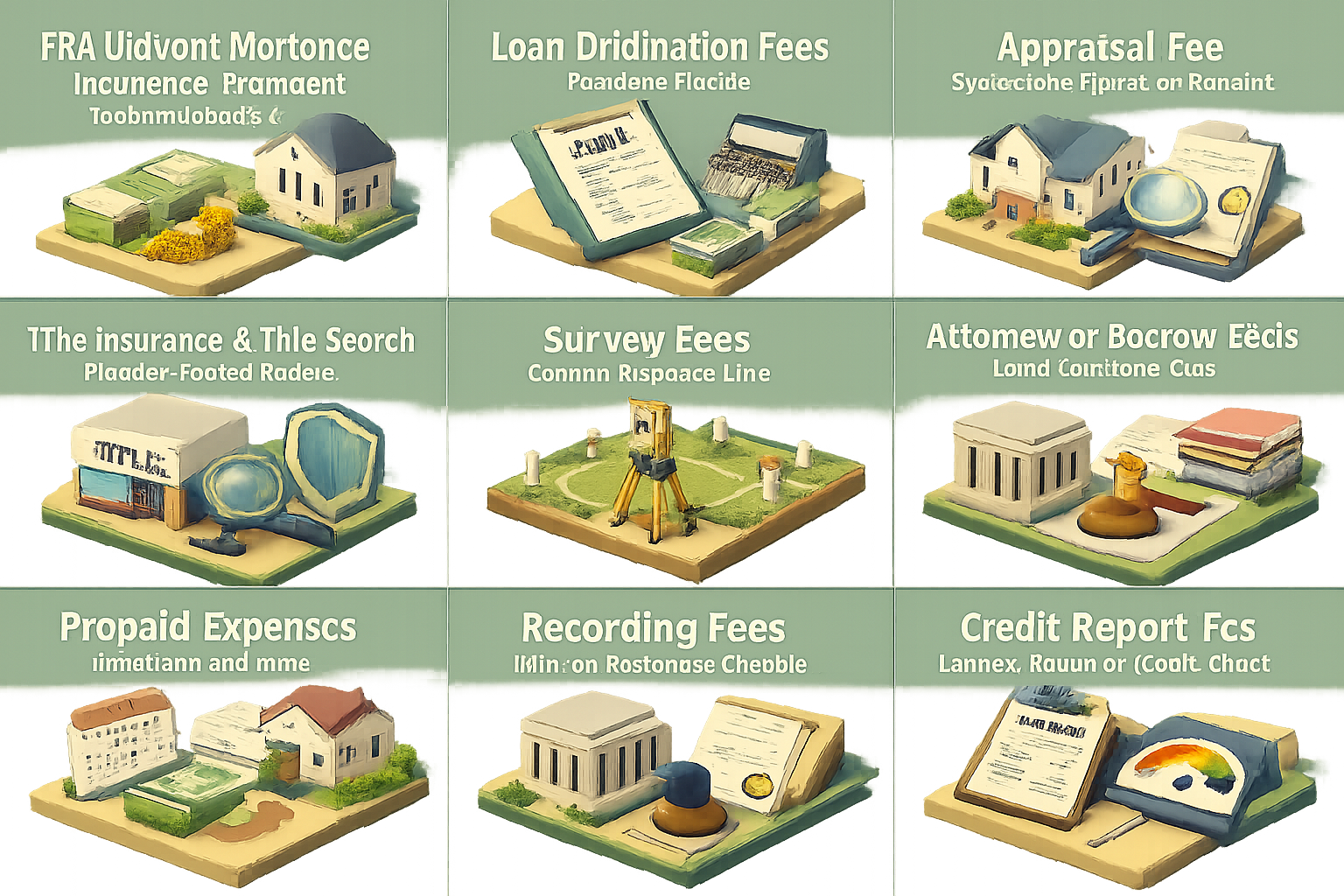
Closing costs on any FHA loan typically range from about 2% to 6% of the loan amount, though the exact figure will depend on the purchase price, the lender, your location, and the complexity of the transaction. With a mixed-use duplex, some of those complexities can push costs toward the higher end of that range. Here's what you're likely to encounter:
- FHA Upfront Mortgage Insurance Premium (UFMIP): This is one of the most significant FHA-specific fees. It's currently set at 1.75% of the base loan amount and is typically financed into the loan, though you can also pay it at closing. On a $400,000 loan, that's $7,000 just for this one fee.
- Loan Origination Fees: Lenders charge these to process and underwrite your loan. They may vary widely depending on the lender and could be expressed as a flat fee or a percentage of the loan amount.
- Appraisal Fee: FHA requires a specialized appraisal conducted by an FHA-approved appraiser. For a mixed-use duplex, the appraisal may be more involved and therefore more expensive than a standard single-family appraisal — potentially ranging from a few hundred to over a thousand dollars depending on the market and property complexity.
- Title Insurance and Title Search: These fees protect both the lender and the buyer from title defects. Mixed-use properties may have more complex title histories, which can occasionally increase costs.
- Survey Fees: In some states or situations, a property survey is required or recommended to confirm boundary lines, especially where commercial and residential zones intersect.
- Attorney or Escrow Fees: Depending on your state, you may need a real estate attorney to handle closing. These costs vary by location.
- Prepaid Expenses: These include prepaid homeowner's insurance, property taxes held in escrow, and prepaid interest covering the days between closing and your first mortgage payment.
- Recording Fees: Local government charges to officially record the property transfer and mortgage documents.
- Credit Report Fee: A small charge your lender passes on to pull your credit during the application process.
For a mixed-use duplex specifically, you may also encounter additional due diligence costs. Environmental assessments, zoning compliance reviews, or additional inspections might be necessary or advisable depending on the commercial use of the non-residential portion of the property.
FHA Duplex Closing Costs on Mixed-Use Property: What Makes This Deal Different
Understanding FHA duplex closing costs mixed-use property situations requires appreciating why these transactions differ from a standard residential purchase. When you buy a typical single-family home with an FHA loan, the path from application to closing is relatively well-trodden. Appraisers, lenders, and title companies all know exactly what to expect.
With a mixed-use duplex, the process may require more steps. For example, the FHA appraiser must evaluate not only the residential unit but also assess whether the commercial component negatively impacts the livability or safety of the residential areas. If the commercial use involves something like a restaurant or auto repair shop, lenders and appraisers will want to make sure there are no health or safety hazards bleeding into the residential living space.
Additionally, the lender's underwriter may spend more time reviewing the file. They'll want to verify the zoning classification from the local municipality, confirm that the commercial space doesn't generate income that needs special handling under FHA's self-sufficiency rules, and ensure the property as a whole meets FHA's eligibility criteria. This additional underwriting time can sometimes translate into higher lender fees or longer processing timelines.
Insurance is another area where mixed-use duplexes diverge from standard residential purchases. Standard homeowner's insurance policies may not fully cover a property with commercial components. You might need a landlord policy, a commercial property endorsement, or even a separate policy for the commercial portion. These insurance differences can affect your prepaid costs at closing and your ongoing monthly escrow payments.
Strategies to Reduce Your Out-of-Pocket Closing Expenses
Even with the added complexity of a mixed-use duplex, there are practical ways to manage and potentially reduce your closing costs. Here are some approaches worth considering:
- Negotiate seller concessions: FHA guidelines allow sellers to contribute up to 6% of the sales price toward the buyer's closing costs. In a buyer-friendly market, you may be able to negotiate for the seller to cover a meaningful portion of your upfront expenses. This can significantly reduce what you need to bring to the closing table.
- Shop multiple lenders: Lender fees can vary considerably from one institution to another. Getting Loan Estimates from at least three lenders allows you to compare origination fees, points, and other lender-controlled costs side by side. For a niche transaction like a mixed-use duplex, finding a lender with relevant experience could also smooth the overall process.
- Ask about lender credits: Some lenders offer lender credits in exchange for a slightly higher interest rate. This trade-off reduces your upfront closing costs in exchange for a modestly higher monthly payment. Depending on how long you plan to hold the property, this may or may not make financial sense.
- Roll the UFMIP into the loan: As noted earlier, FHA allows borrowers to finance the upfront mortgage insurance premium rather than paying it at closing. This conserves cash on closing day, though it does increase your total loan balance slightly.
- Review your Loan Estimate carefully: Lenders are required to provide a Loan Estimate within three business days of your application. Scrutinize every fee you can expect. Some fees are negotiable, and errors do occasionally occur. Comparing the Loan Estimate to the final Closing Disclosure before closing day can help catch any discrepancies.
It's also worth exploring whether any state or local housing programs offer down payment or closing cost assistance for buyers purchasing multi-unit or mixed-use properties. Eligibility criteria vary widely, but some programs extend benefits beyond traditional single-family purchases.
The Role of the FHA Appraisal in a Mixed-Use Duplex Purchase
The appraisal is arguably the most pivotal step in securing an FHA loan on a mixed-use duplex, and it's worth giving it special attention. FHA appraisals are conducted by HUD-approved appraisers and serve two purposes: they establish the property's fair market value and confirm that the property meets FHA's Minimum Property Requirements (MPRs).
For a mixed-use duplex, the appraiser will assess the residential portion of the property just as they would any other FHA-eligible home — checking for safety hazards, structural soundness, functional utilities, and adequate living conditions. But they'll also observe the commercial component and evaluate whether it creates any conditions that compromise the residential use.
Common issues that might arise during an FHA appraisal of a mixed-use property include inadequate separation between commercial and residential spaces, evidence of environmental contamination from commercial operations, or zoning conditions that create noise or safety concerns for residents. Any of these findings could result in required repairs before the loan can close — which means additional costs and potential delays.
Because FHA appraisals for mixed-use properties tend to be more detailed and time-consuming, expect to pay a premium compared to a standard residential appraisal. Factoring this into your closing cost considerations from the beginning will help prevent budget surprises as you approach the finish line.
Owner-Occupancy Requirements and Investment Potential of the Duplex
One of the appealing features of using an FHA loan to purchase a duplex is the opportunity to live in one unit while renting out the other. For a mixed-use property, a similar dynamic may apply — you occupy the residential unit and potentially lease the commercial space to a tenant. This arrangement can help offset your monthly mortgage costs, making homeownership more financially accessible.
However, FHA's owner-occupancy requirement is firm. You must intend to occupy the property as your principal residence within 60 days of closing and maintain it as your primary home. This isn't a loan structure designed for pure investors looking to buy and rent out both units or all spaces without living there.
When it comes to using rental income from the commercial space to qualify for the loan, lenders will follow FHA guidelines closely. There may be restrictions on how much of that projected rental income can be counted toward your qualifying income, and lenders will typically want documented lease agreements or a history of rental receipts to give that income any weight in the underwriting decision. If you're relying on commercial rent to help qualify, discuss this in detail with your lender early in the process.
Real estate investors and house hackers who understand these nuances can find mixed-use duplexes to be genuinely compelling opportunities. The key is approaching the transaction with realistic expectations and a solid understanding of both the FHA framework and the local real estate market.
●Conclusion
So, what are closing costs for FHA loan on a duplex with mixed-use zoning? They're a combination of standard FHA loan fees — like the upfront mortgage insurance premium, appraisal, title insurance, and prepaid expenses — along with the potential for added costs tied to the unique nature of mixed-use properties. These might include more complex appraisals, additional inspections, specialized insurance arrangements, and increased underwriting scrutiny. While total closing costs could typically fall in the 2% to 6% range of the loan amount, the specifics will vary based on your location, your lender, and the particular characteristics of the property you're purchasing. The good news is that with the right preparation — comparing lenders, negotiating seller concessions, and working with professionals experienced in mixed-use FHA transactions — you can navigate this process with greater confidence and fewer unwelcome surprises. LoanWise is here to help you understand your options and connect with lenders who specialize in exactly these kinds of unique financing situations.