
Inheriting a property can feel like both a gift and a puzzle. On one hand, you may be receiving a valuable asset. On the other hand, you might be wondering how to manage it financially — especially if you want to keep the home and need a mortgage to buy out co-heirs or pull out equity. One of the first questions people ask is: what are closing costs for conventional loan on inherited property? The answer involves several moving parts, from lender fees and title work to appraisals and prepaid expenses. This guide walks you through everything you need to know so you can plan with confidence.
How Inherited Property and Conventional Mortgages Connect
When someone inherits a home, they don't always inherit it free and clear. There may be an existing mortgage to pay off, multiple heirs who each want their share, or simply a desire to access the property's equity. In many of these situations, a conventional loan becomes the go-to financing tool.
A conventional loan is a mortgage that isn't backed by a government agency like the FHA or VA. Instead, it follows guidelines set by Fannie Mae and Freddie Mac. These loans typically require a reasonable credit score, a down payment or equity stake, and the property to meet standard condition requirements.
When you apply for a conventional mortgage on an inherited property, lenders will look at the home's title, its current value, and your financial profile just as they would with any other purchase or refinance. However, there are a few unique considerations — like how the title transfers through probate, whether there are liens on the property, and how long you've held ownership — that can influence the process and, ultimately, your closing costs.
Breaking Down What Are Closing Costs for Conventional Loan on Inherited Property
So, what are closing costs for conventional loan on inherited property? In general, closing costs on a conventional loan typically range from about 2% to 5% of the loan amount. However, the specific fees you'll encounter can vary depending on your lender, location, and the unique circumstances surrounding the inherited home.
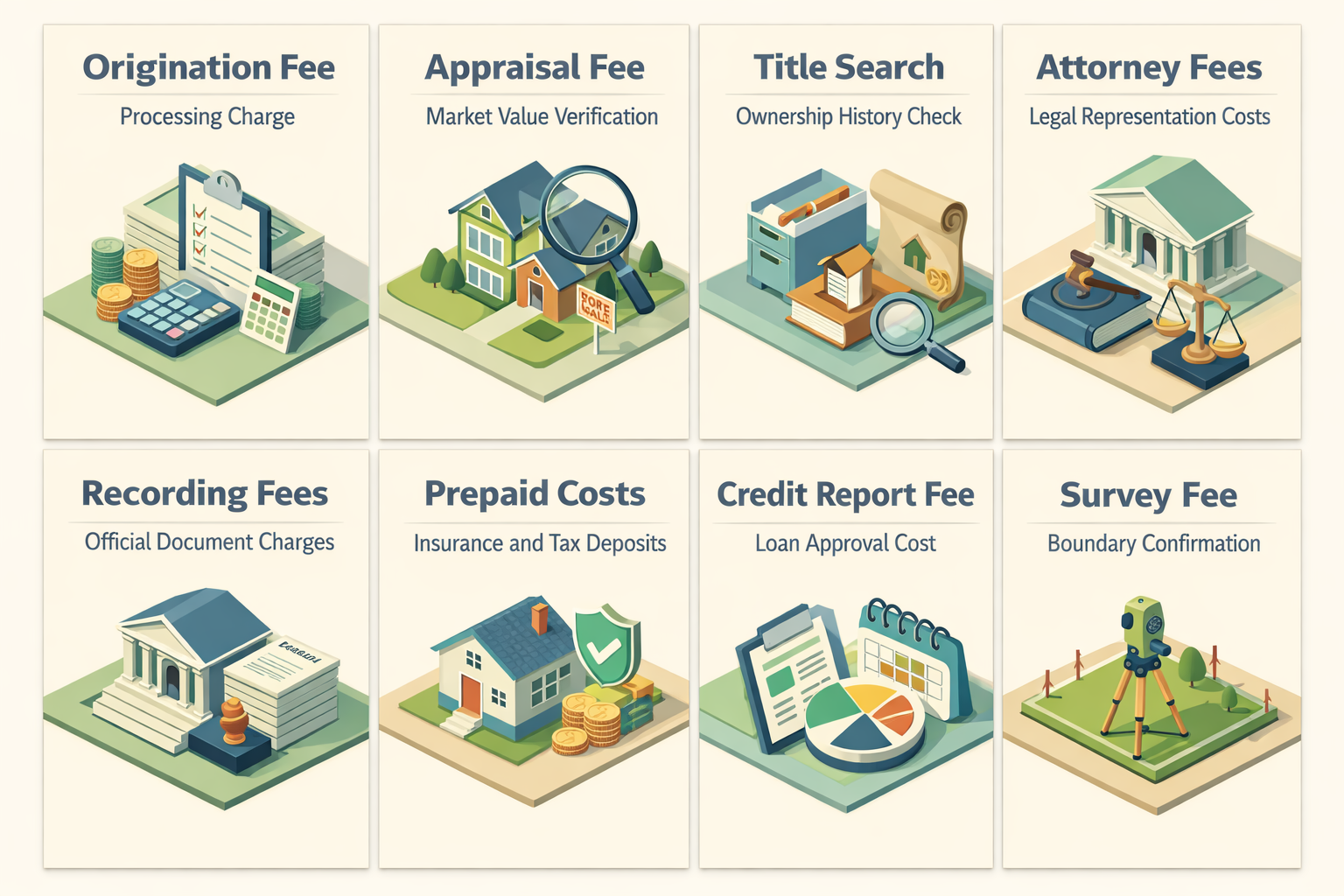
Here's a breakdown of the most common closing cost categories:
- Origination Fee: This is what the lender charges to process and underwrite your loan. It may be expressed as a flat fee or a percentage of the loan amount, often around 0.5% to 1%.
- Appraisal Fee: Lenders require an independent appraisal to verify the home's current market value. For inherited properties, this is especially important since the value may have changed significantly since it was originally purchased.
- Title Search and Title Insurance: A title search confirms the property's legal ownership history and checks for any outstanding liens or claims. Title insurance protects both you and the lender against future disputes. Inherited properties can sometimes have more complex title histories, which may add to this cost.
- Attorney or Settlement Fees: In some states, a real estate attorney must be present at closing. These fees can vary widely by location.
- Recording Fees: Local governments charge fees to officially record the new mortgage and any deed transfers.
- Prepaid Costs: These include prepaid homeowners insurance, prepaid mortgage interest, and an initial escrow deposit for property taxes and insurance.
- Credit Report Fee: Lenders pull your credit as part of the approval process and may pass this small cost on to you.
- Survey Fee: Some lenders require a property survey to confirm boundaries, especially for older inherited homes.
Depending on the complexity of the estate and how the title was transferred, you might also encounter additional legal or administrative fees not typically seen in standard transactions.
Title Complications That May Increase Your Costs
One area where conventional mortgage closing costs on an inheritance can get more expensive is the title. Inherited properties sometimes come with clouded titles — meaning there are unresolved questions about legal ownership. This can happen for several reasons:
- The estate went through a lengthy or contested probate process
- Multiple heirs are named and not all have signed off on the transfer
- There are old liens, unpaid taxes, or judgment liens attached to the property
- The property passed through multiple generations without clear documentation
When a title company discovers these issues, resolving them may require additional legal work, which adds to your closing costs. It's a good idea to order a preliminary title report early in the process so you know what you're dealing with before you get to the closing table.
In some cases, lenders may require enhanced title insurance coverage for inherited properties, which could be slightly more expensive than a standard policy. This added protection may be worth the cost, though, since it can shield you from financial liability if an ownership dispute arises down the road.
How the Step-Up in Basis Affects Your Financial Planning
One financial benefit that often comes with inheriting a property is the step-up in basis. Under current tax rules, when you inherit a home, your cost basis is typically reset to the fair market value of the property at the time of the original owner's death — not what they originally paid for it.
This matters for your closing cost planning because it can affect how you approach the appraisal. A higher appraised value may increase your loan amount if you're refinancing to access equity, which in turn could raise some of your closing costs slightly. But it also means your equity position in the home may be stronger, potentially helping you avoid private mortgage insurance (PMI) on a conventional loan.
PMI is typically required on conventional loans when the borrower puts down less than 20% or has less than 20% equity. If the step-up in basis significantly raises the home's value relative to any existing mortgage balance, you might already have enough equity to avoid PMI — a meaningful monthly savings that adds up over time.
It's always a good idea to consult with a tax professional when navigating inherited property transactions. They can help you understand how the step-up in basis interacts with your overall financial strategy.
Seasoning Requirements and How They Can Impact Loan Eligibility
One nuance that often surprises heirs is the concept of seasoning in conventional mortgage lending. Fannie Mae and Freddie Mac guidelines may require that a property be in your name for a certain period before you can refinance and extract equity — this is sometimes referred to as a title seasoning requirement.
For inherited properties, there are often exceptions to these rules. Many lenders recognize that you didn't purchase the home in a traditional sense, and Fannie Mae guidelines have historically provided some flexibility for inherited properties when it comes to cash-out refinancing. However, the specific terms can vary, and not every lender interprets guidelines the same way.
What this means for your closing costs is that you'll want to work with a lender who has experience with inherited property transactions. An experienced loan officer can help you navigate guidelines correctly, which may prevent costly delays or the need to restart the process with a different loan structure. Shopping around and asking lenders directly about their policies for conventional mortgage closing costs on inheritance scenarios is a smart first step.
Strategies to Reduce Closing Costs on an Inherited Home Loan
Closing costs don't have to catch you off guard. There are several practical strategies that may help reduce what you owe at the closing table:
- Shop Multiple Lenders: Lender fees can vary significantly. Comparing Loan Estimates from at least three lenders gives you a clearer picture of where savings are possible.
- Negotiate Seller Concessions: If your transaction involves buying out co-heirs, it may be possible to structure the agreement so that some closing costs are covered within the transaction.
- Ask About No-Closing-Cost Options: Some lenders offer loans where closing costs are rolled into the loan balance or offset by a slightly higher interest rate. This can be useful if cash is tight, though you'll pay more over the life of the loan.
- Review the Loan Estimate Carefully: Some fees, like lender origination charges, may be negotiable. Others, like government recording fees, are fixed. Knowing which is which helps you focus your negotiating energy.
- Time Your Closing Strategically: Closing at the end of the month can reduce the amount of prepaid interest you owe at closing, since you'll only owe interest for a few days rather than several weeks.
Even small savings on individual line items can add up. Being proactive and informed is one of the best tools you have when navigating conventional mortgage closing costs on an inheritance.
●Conclusion
Understanding what are closing costs for conventional loan on inherited property is a critical step before moving forward with financing. From origination fees and appraisals to title insurance and prepaids, the costs can vary — but they're manageable when you plan ahead. Inherited properties may come with unique title histories and lender guidelines, so working with experienced professionals, including a knowledgeable loan officer and a real estate attorney, can make the process significantly smoother. At LoanWise, we're here to help you navigate every step of the journey. Whether you're buying out co-heirs, refinancing for equity, or simply trying to understand your options, our team is ready to guide you toward a solution that fits your needs.