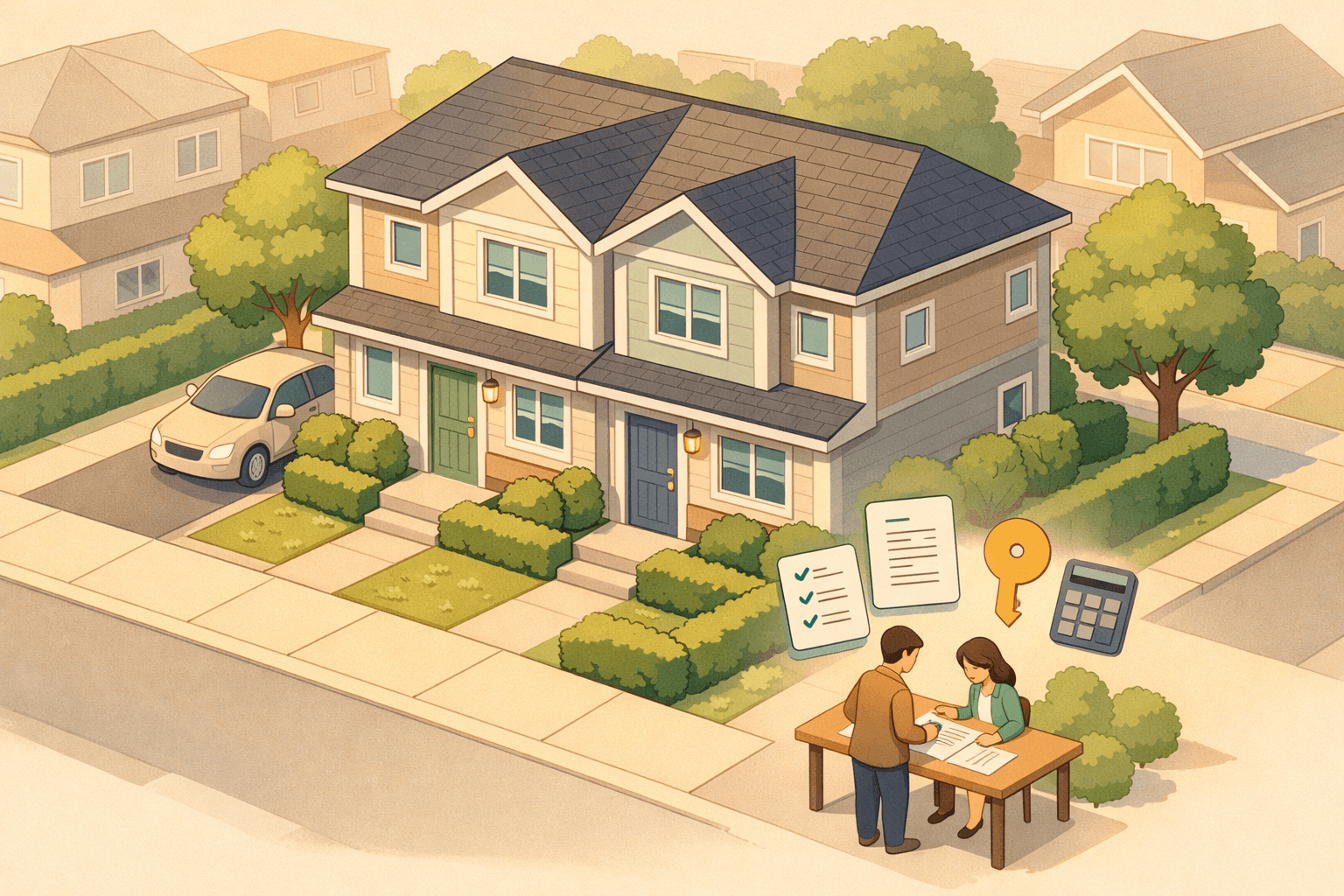
Buying a duplex is one of the smartest moves a real estate investor or first-time homebuyer can make. Living in one unit while renting out the other can offset your mortgage payment and build long-term wealth at the same time. But before you get the keys, you'll need to navigate one important financial hurdle — closing costs. If you've been asking yourself what are closing costs for conventional loan on a duplex, you're not alone. Many buyers are surprised to find that purchasing a multi-family property comes with its own unique set of fees that can differ meaningfully from a standard single-family transaction. This guide breaks down every cost you're likely to encounter, helps you understand why they exist, and offers practical strategies to manage them wisely.
Understanding Closing Costs in Multi-Family Property Purchases
Closing costs are the collection of fees and expenses that both buyers and sellers pay when a real estate transaction is finalized. For buyers using a conventional loan, these costs are paid at the closing table — the moment when ownership officially transfers. On any home purchase, closing costs typically range from about 2% to 5% of the loan amount, though this figure can shift depending on the property type, location, lender, and loan size.
When you're buying a multi-family property like a duplex, several of those cost categories behave differently compared to a standard single-family home purchase. The property's income-generating nature, its higher purchase price, and the additional due diligence required by lenders all contribute to a somewhat more complex — and potentially more expensive — closing process.
It's worth understanding that conventional loans are mortgage products not backed by a government agency like the FHA or VA. They follow guidelines set by Fannie Mae and Freddie Mac, which means they come with their own specific rules around eligible property types, down payments, and borrower qualifications. Duplexes fall within the conventional loan's two-to-four-unit property category, and lenders may apply slightly stricter underwriting standards to these purchases.
The Core Fees You'll See on a Conventional Loan Closing Disclosure
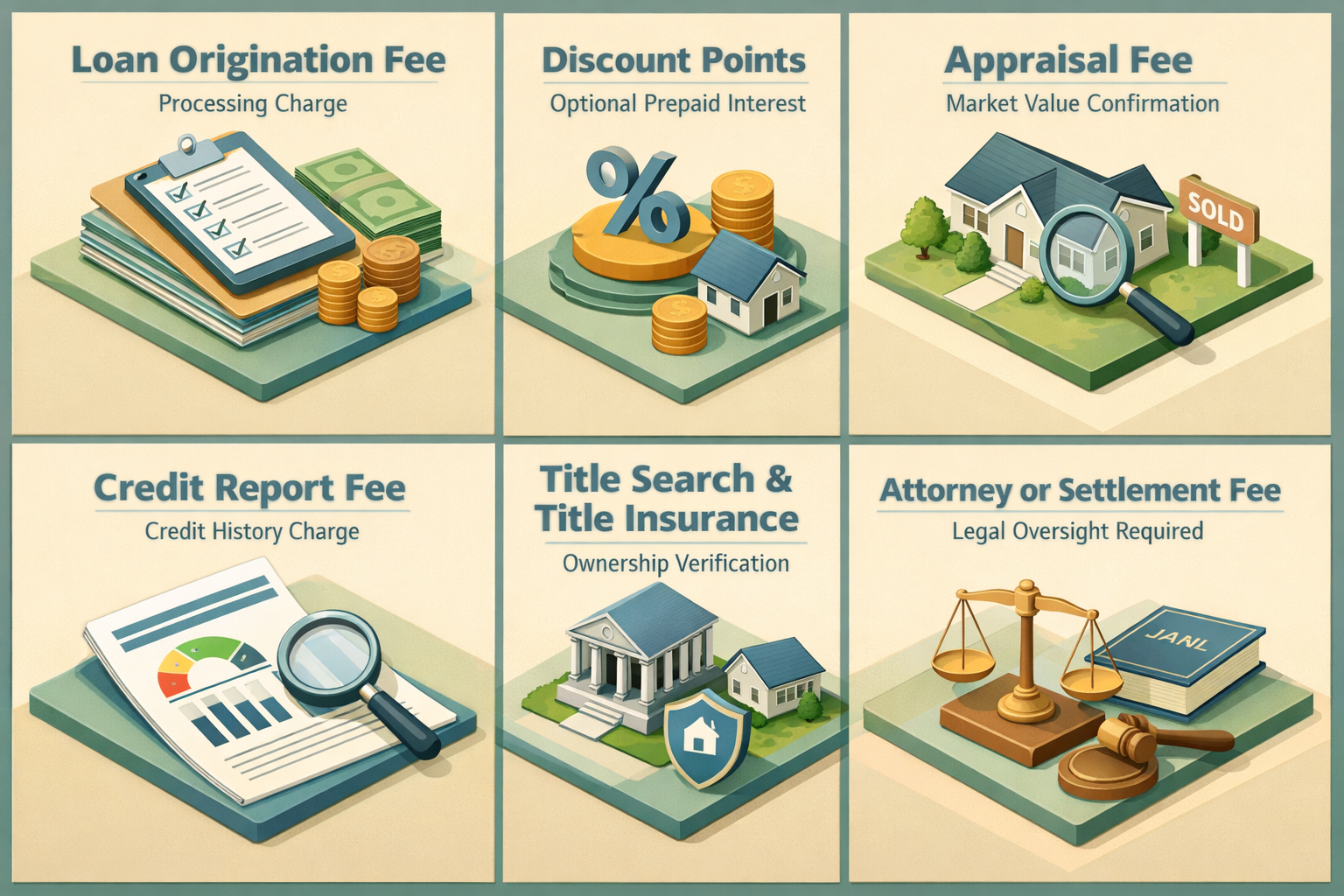
When you're getting ready to close on your duplex, your lender will provide a Closing Disclosure document at least three business days before settlement. This form itemizes every charge associated with your loan and the property transfer. Here's a breakdown of the main categories you can expect:
- Loan Origination Fee: This is what the lender charges for processing and underwriting your mortgage. It's often expressed as a percentage of the loan amount — commonly around 0.5% to 1% — though some lenders charge a flat fee instead. Because duplex loans may require additional review, origination costs could run slightly higher than for a single-family purchase.
- Discount Points: These are optional prepaid interest payments that allow you to buy down your interest rate. One point equals 1% of the loan amount. Whether this makes sense depends on how long you plan to hold the property and what rate environment you're in.
- Appraisal Fee: Lenders require an independent appraisal to confirm the property's market value. For a duplex, appraisers often use both the sales comparison approach and an income approach — analyzing rental income potential — which makes the appraisal more complex and typically more expensive than a single-family appraisal. Budget for this fee to be meaningfully higher.
- Credit Report Fee: A small but standard charge the lender passes on for pulling your credit history during underwriting.
- Title Search and Title Insurance: A title company will search public records to confirm the seller has the legal right to transfer ownership and that there are no outstanding liens. You'll pay for both a lender's title insurance policy (required) and likely an owner's title insurance policy (strongly recommended). On a duplex, this process may take slightly longer given the property's rental history.
- Attorney or Settlement Fee: Some states require a real estate attorney to oversee closings. Even where it's not legally required, hiring one can be a smart move when buying income-producing property.
- Recording Fees: These are government charges for officially recording the deed and mortgage documents with the local county or municipality.
Prepaid Costs and Escrow Reserves That Add to Your Closing Budget
Beyond the loan-specific fees, buyers are also responsible for a category of charges known as prepaid costs and escrow reserves. These aren't fees for services rendered — they're upfront payments toward ongoing expenses that the lender requires you to fund at closing.
- Prepaid Homeowners Insurance: Most lenders require you to pay the first full year of homeowners insurance at closing. Because a duplex is a rental property in part, you may need a landlord insurance policy rather than a standard homeowners policy, and premiums can be higher.
- Prepaid Mortgage Interest: Interest accrues from your closing date to the end of that calendar month. If you close early in the month, this charge will be larger. If you close near the end of the month, it'll be smaller.
- Property Tax Escrow: Your lender will collect several months of estimated property taxes upfront to seed your escrow account. The exact amount depends on your local tax rate and when taxes are next due.
- Homeowners Insurance Escrow: In addition to the full first-year premium, the lender typically collects two to three months of insurance premiums to keep your escrow account funded.
- Flood Insurance: If your duplex is located in a designated flood zone, the lender will require flood insurance, which adds another prepaid item to your closing budget.
These prepaid and escrow items can easily add several thousand dollars to your total out-of-pocket costs at closing, so it's important to factor them into your overall budget from the beginning of your home search.
How Duplex-Specific Factors Affect Your Total Conventional Loan Closing Costs
So exactly what are closing costs for conventional loan on a duplex compared to a typical single-family purchase? The honest answer is that they're usually higher — sometimes noticeably so — for a few key reasons.
Higher purchase prices mean many percentage-based fees automatically scale upward. Origination fees, title insurance premiums, and even appraisal costs often correlate with the property's value or loan size. Duplexes typically command higher prices than comparable single-family homes in the same neighborhood.
More complex appraisals are required for multi-family properties. Conventional lenders require the appraiser to assess the property not just as a structure but also as an income-producing asset. This dual-approach analysis takes more time and specialized expertise, which is reflected in the appraisal fee.
Stricter underwriting requirements for two-to-four-unit properties under conventional guidelines can result in additional documentation requests, longer processing times, and potentially higher lender fees. Fannie Mae and Freddie Mac guidelines for multi-unit properties require lenders to evaluate rental income carefully, which may involve a rental survey or market rent analysis — another potential cost line item.
Landlord insurance premiums are typically higher than standard homeowners policies, pushing prepaid insurance costs upward. And if you're planning to rent out one unit, some lenders may require a lease agreement review or landlord-specific policy documentation as part of underwriting.
Taken together, these factors mean that conventional loan closing costs duplex buyers face may realistically land toward the higher end of the typical 2%–5% range, and in some cases could exceed it slightly depending on location and loan size.
Smart Strategies to Reduce Buying Multi-Family Property Closing Fees
The good news is that closing costs aren't entirely fixed. There are several strategies buyers can use to reduce or manage buying multi-family property closing fees without jeopardizing their financing.
Shop Multiple Lenders
Lender fees vary considerably from one institution to another. Origination fees, processing fees, and underwriting charges are all negotiable to some degree. Getting Loan Estimates from at least three lenders allows you to compare the true cost of each offer side by side. Even small differences in origination fees can translate to meaningful savings on a higher-priced duplex.
Negotiate Seller Concessions
In many markets, buyers can negotiate for the seller to contribute toward closing costs. Conventional loan guidelines do allow seller concessions, though the allowable amount is capped based on the loan-to-value ratio. On investment or multi-unit properties, those caps may be lower than on a primary residence, so it's important to discuss limits with your lender before making an offer.
Ask About Lender Credits
In exchange for accepting a slightly higher interest rate, your lender may offer credits that offset some or all of your closing costs. This approach — sometimes called a no-closing-cost loan — can make sense if you don't plan to hold the property long-term, since the higher rate costs more over time but you preserve cash upfront.
Time Your Closing Date Strategically
Closing near the end of the month minimizes prepaid interest charges, since you'll only owe a few days of interest rather than a full month's worth. While this won't eliminate closing costs, it can meaningfully reduce one of the larger prepaid line items.
Review Your Closing Disclosure Carefully
Errors and duplicate charges do appear occasionally. Review every line of your Closing Disclosure and compare it to the Loan Estimate you received earlier. If anything has changed significantly without explanation, ask your lender for clarification before signing.
Down Payment Requirements and How They Interact With Closing Costs
It's impossible to talk about closing costs without also addressing the down payment, since both come out of your pocket at the closing table and need to be budgeted together. For a buying multi-family property purchase using a conventional loan, the down payment requirements are higher than for a single-family primary residence.
If you plan to live in one unit of the duplex — known as an owner-occupied purchase — conventional guidelines may allow a down payment as low as 15%, though putting down 20% or more avoids private mortgage insurance (PMI). If you're purchasing the duplex purely as an investment property with no intention of occupying it, conventional lenders typically require at least 20% to 25% down.
This means your total cash needed at closing includes both the down payment and the closing costs. On a duplex purchase, this combined figure can be substantial. Careful pre-purchase planning — including working with a loan officer early in the process — helps ensure you have sufficient reserves to cover both obligations without depleting your savings entirely.
Lenders also want to see that you have cash reserves remaining after closing. For a two-unit property under conventional guidelines, you may be required to demonstrate several months of mortgage payments held in reserve. This is separate from your down payment and closing costs, making liquidity planning especially important for duplex buyers.
●Conclusion
Understanding what are closing costs for conventional loan on a duplex puts you in a much stronger position as a buyer. These costs are real, they can be significant, and they vary based on your lender, your location, and the specifics of the property you're purchasing. The key takeaways are simple: budget for the higher end of the typical range, factor in duplex-specific expenses like more complex appraisals and landlord insurance, shop your lender options, and review every document carefully before you sign. Buying a duplex is an exciting investment decision with genuine income-generating potential. Going in with clear eyes about your total upfront costs means fewer surprises and a smoother path to becoming a multi-family property owner. When you're ready to explore your conventional loan options, the team at LoanWise is here to help you compare offers, understand your costs, and move forward with confidence.