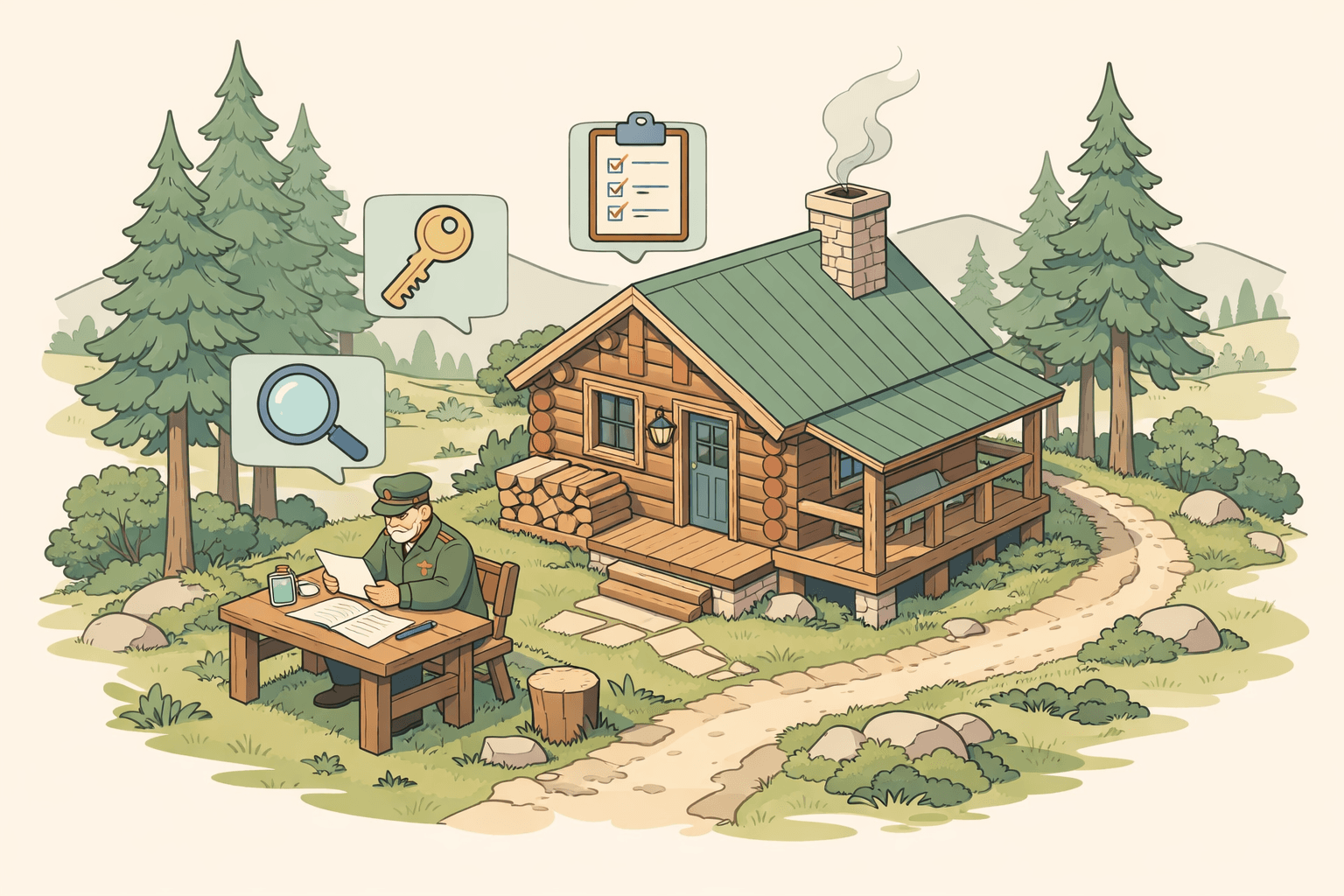
For many veterans and active-duty service members, the dream of owning a rustic, historic log cabin in a quiet rural setting is deeply appealing. The good news is that VA home loans can often be used to purchase these distinctive properties — but the financing process comes with its own set of considerations. One of the most common questions buyers ask is: what are closing costs for a VA loan on a historic log cabin property? The answer depends on several factors, including the property's location, its age and condition, and the specific lender you work with. This guide breaks it all down so you can plan your purchase with confidence.
How VA Loan Closing Costs Work in General
Before diving into the specifics of historic log cabins, it's helpful to understand how VA loan closing costs work overall. Unlike conventional loans, the VA loan program places certain restrictions on what fees lenders can charge borrowers. These rules are designed to protect veterans from paying excessive or unnecessary costs at closing.
Generally speaking, VA loan closing costs may include the following:
- VA Funding Fee: This is a one-time fee paid to the Department of Veterans Affairs. The amount varies based on your down payment, service type, and whether it's your first VA loan. Some veterans — such as those with service-connected disabilities — may be exempt from this fee.
- Loan Origination Fee: Lenders may charge up to 1% of the loan amount as an origination fee. This covers the cost of processing your loan application.
- Appraisal Fee: A VA-approved appraiser must assess the property's value. This fee can vary depending on the property's location and complexity.
- Title Insurance and Title Search: These fees protect against ownership disputes and are typically required by lenders.
- Recording Fees: Local governments charge these to officially record the property transfer.
- Prepaid Items: These include prepaid homeowners insurance, property taxes, and mortgage interest.
In total, VA loan closing costs typically range somewhere between 2% and 5% of the loan amount, though this can vary. Importantly, the VA prohibits lenders from charging certain fees — such as attorney fees for loan preparation, underwriting fees, and processing fees — which can help keep your closing costs more manageable compared to other loan types.
What Makes Historic Log Cabin Properties Unique for VA Financing
When you're considering a log cabin VA mortgage, it's important to understand that these properties can present unique challenges that may affect both your loan approval and your closing costs. VA loans are intended to finance properties that meet the VA's Minimum Property Requirements (MPRs). These standards ensure the home is safe, structurally sound, and sanitary.
Historic log cabin homes may face additional scrutiny during the VA appraisal process for several reasons:
- Age and structural integrity: Older log structures may show signs of settling, log deterioration, or outdated systems. A VA appraiser will assess whether the home meets livability standards, which could trigger required repairs before the loan closes.
- Historic designation: If a cabin is listed on a state or national historic register, local preservation rules may restrict what renovations or repairs can be made. This could complicate the process if the VA appraiser requests updates that conflict with preservation guidelines.
- Unique construction materials: Log construction requires specialized knowledge to evaluate properly. Not all VA-approved appraisers have deep experience with this building type, and in some rural areas, finding a qualified appraiser may take longer or cost more.
Because of these factors, it's wise to work with a lender who has experience financing non-traditional or rural properties. They can help you anticipate potential hurdles before they become surprises at the closing table.
Rural Property Considerations That Can Affect Your Closing Costs
A rural property VA loan often involves additional costs and steps that urban or suburban purchases don't require. If your historic log cabin sits on acreage in a remote location, here are some cost factors worth considering:
- Well and septic inspections: Rural properties frequently rely on private wells and septic systems rather than municipal utilities. The VA may require inspections of these systems to confirm they're functioning properly. These inspections add to your overall closing costs.
- Survey fees: Properties with large land parcels may require a boundary survey to confirm property lines, especially if the land hasn't been surveyed recently. Survey costs can vary widely depending on the acreage and terrain.
- Pest and termite inspections: Lenders often require wood-destroying insect inspections, which are especially relevant for log structures. Treatment costs, if needed, may also factor into your pre-closing expenses.
- Distance-related appraisal costs: In remote areas, appraisers may charge higher fees to travel to the property. This is often referred to as a travel or mileage surcharge and is an allowable closing cost under VA guidelines.
- Flood zone determination: Rural properties near rivers, streams, or low-lying areas may require a flood zone determination. If the property is in a designated flood zone, flood insurance premiums will be added to your ongoing costs.
While these additional expenses may feel overwhelming at first, being aware of them ahead of time allows you to budget more accurately and avoid last-minute surprises.
Understanding What Are Closing Costs for a VA Loan on a Historic Log Cabin Property
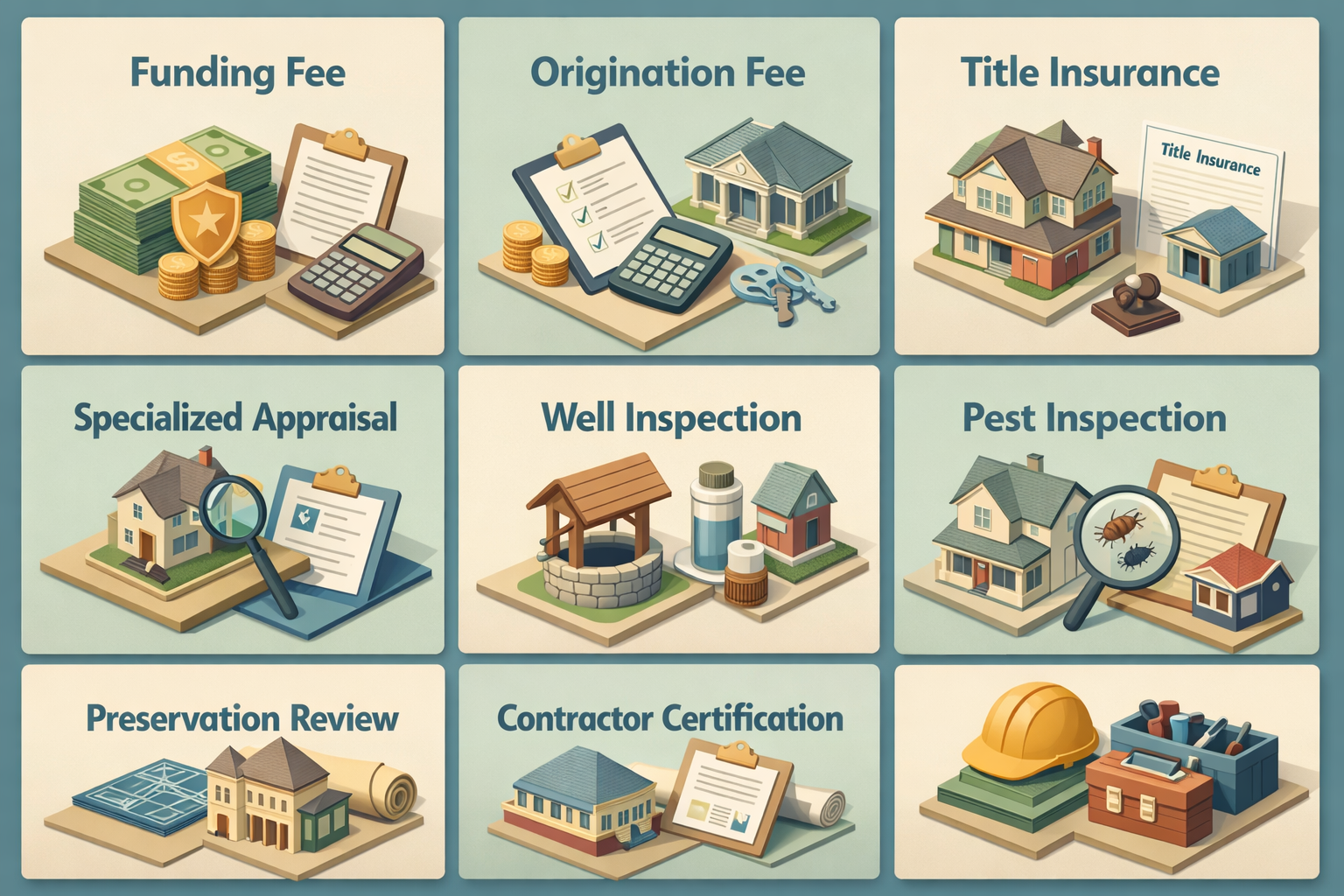
So, putting it all together — what are closing costs for a VA loan on a historic log cabin property specifically? The answer is that they may be somewhat higher than a standard VA loan on a typical suburban home, primarily because of the additional inspections, specialized appraisals, and potential compliance requirements tied to the property's age and rural location.
Here's a general breakdown of cost categories you might encounter:
- Standard VA closing costs: VA funding fee, origination fee (up to 1%), title insurance, recording fees, and prepaid items like insurance and taxes.
- Property-specific costs: Specialized appraisal fees, well and septic inspections, pest inspections, boundary surveys, and potentially a structural assessment if the cabin shows signs of wear.
- Historic property costs: If a historical preservation review is needed, or if specialized contractors must certify that planned repairs comply with preservation standards, those costs could appear as closing conditions.
On a modest rural property, total closing costs might realistically fall anywhere from a few thousand dollars to tens of thousands, depending on the loan size and the complexity of the property. It's a good idea to request a Loan Estimate from your lender early in the process. This document provides an itemized breakdown of all anticipated closing costs and gives you a clearer picture of what to expect.
VA Loan Closing Costs Historic Homes: What the VA Allows and Restricts
When it comes to VA loan closing costs historic homes, veterans benefit from several built-in protections. The VA has a list of "non-allowable" fees — costs that lenders are prohibited from charging to the borrower. These include:
- Attorney fees for document preparation by the lender
- Loan closing or settlement fees charged by the lender
- Prepayment penalties
- Realtor commissions on behalf of the lender
However, sellers are permitted to pay these non-allowable fees on the buyer's behalf through seller concessions. In fact, VA guidelines allow sellers to contribute up to 4% of the loan amount in concessions to cover closing costs, funding fees, and other expenses. This can be a powerful negotiating tool, especially when purchasing a historic property where sellers may be motivated.
It's also worth noting that some lenders offer "no-closing-cost" VA loans, where closing costs are rolled into the loan balance or offset through a slightly higher interest rate. While this can ease upfront cash requirements, it typically means paying more over the life of the loan. Weigh this option carefully with your lender.
Tips for Managing Closing Costs on a Historic Rural VA Purchase
Managing your closing costs wisely can make a significant difference in the overall affordability of your purchase. Here are some practical strategies for veterans buying a historic log cabin with a VA loan:
- Shop around for lenders: Not all lenders charge the same origination fees or offer the same services. Comparing Loan Estimates from multiple VA-approved lenders can help you identify the most competitive terms.
- Negotiate seller concessions: In a buyer-friendly market, sellers of rural or historic properties may be willing to contribute toward your closing costs. Don't be shy about making this part of your offer.
- Get inspections done early: Ordering a home inspection before the VA appraisal can help you identify issues in advance, giving you time to address them without delaying closing.
- Confirm appraiser experience: Ask your lender to assign a VA-approved appraiser with experience evaluating log or historic structures. This could prevent costly delays or misunderstandings about the property's value.
- Check your VA funding fee exemption status: If you have a service-connected disability rating, you may be exempt from the VA funding fee, which can represent a significant savings depending on your loan amount.
- Review the Closing Disclosure carefully: Before your closing date, review the Closing Disclosure document line by line to ensure all fees match what was outlined in your Loan Estimate. Flag any discrepancies with your lender immediately.
●Conclusion
Buying a historic log cabin with a VA loan is an achievable goal for eligible veterans and service members — but it does require a bit more planning than a standard home purchase. The combination of VA-specific fee structures, rural property inspections, and historic home considerations means your closing costs could be higher than average. That said, the VA loan program's built-in protections and the potential for seller concessions can help offset those expenses significantly. By working with an experienced lender, ordering the right inspections early, and understanding what costs are and aren't allowed under VA guidelines, you'll be well-positioned to close on the property of your dreams without unwelcome surprises. At LoanWise, our team is here to help veterans navigate every step of this unique financing journey — from the first inquiry to the final signature.