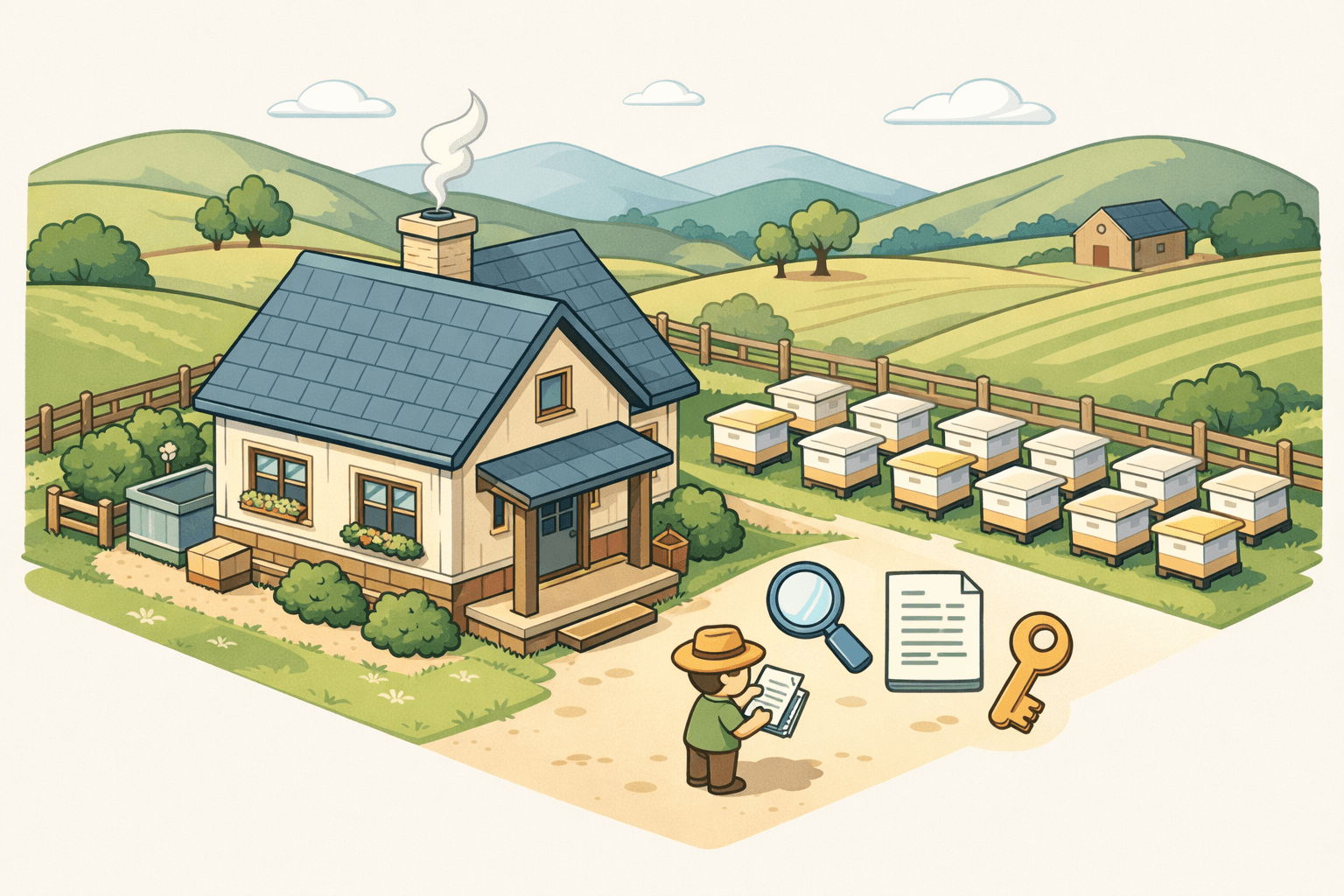
Purchasing a rural property that includes a beekeeping apiary is an exciting step for hobby farmers, small-scale agricultural entrepreneurs, and nature-focused homebuyers alike. But before you start planning your first honey harvest, it's important to understand the financial side of your purchase — especially if you're financing with a USDA loan. One of the most common questions buyers ask is: what are closing costs for a USDA loan on property with beekeeping apiary? The answer involves a combination of standard USDA loan fees, rural property-specific charges, and a few considerations unique to agricultural use. This guide walks you through everything you need to know so you can plan your budget with confidence.
Understanding How USDA Loans Work for Rural Properties
The USDA loan Single Family Housing Guaranteed Loan Program is designed to help low-to-moderate income borrowers purchase homes in eligible rural areas. One of its most attractive features is the ability to finance a home with zero down payment, making it a popular choice for buyers looking at rural properties — including those with small agricultural operations like apiaries.
To qualify, the property must be located in a USDA-eligible rural area, and the primary use of the property must be as the borrower's principal residence. This is an important distinction: the USDA loan program is intended for residential use, not purely agricultural or commercial purposes. A property with a beekeeping apiary may still be eligible, but lenders will typically evaluate how much of the land and value is tied to the agricultural operation versus the residential dwelling.
It's worth noting that USDA guidelines generally allow for modest agricultural activity on the property, as long as it doesn't become the dominant income-producing feature. A small hobby apiary or even a modest commercial beekeeping setup might be acceptable, but buyers should confirm eligibility with their lender early in the process. The income generated from beekeeping is generally not counted toward loan qualification unless it can be documented and meets agency income guidelines.
What Are Closing Costs for a USDA Loan on Property with Beekeeping Apiary
So, what are closing costs for a USDA loan on property with beekeeping apiary? In general, USDA loan closing costs tend to fall in a similar range as other government-backed mortgage programs, often estimated between 2% and 5% of the loan amount. However, rural property purchases — especially those with agricultural features like an apiary — may carry some additional fees that aren't typically associated with standard suburban home purchases.
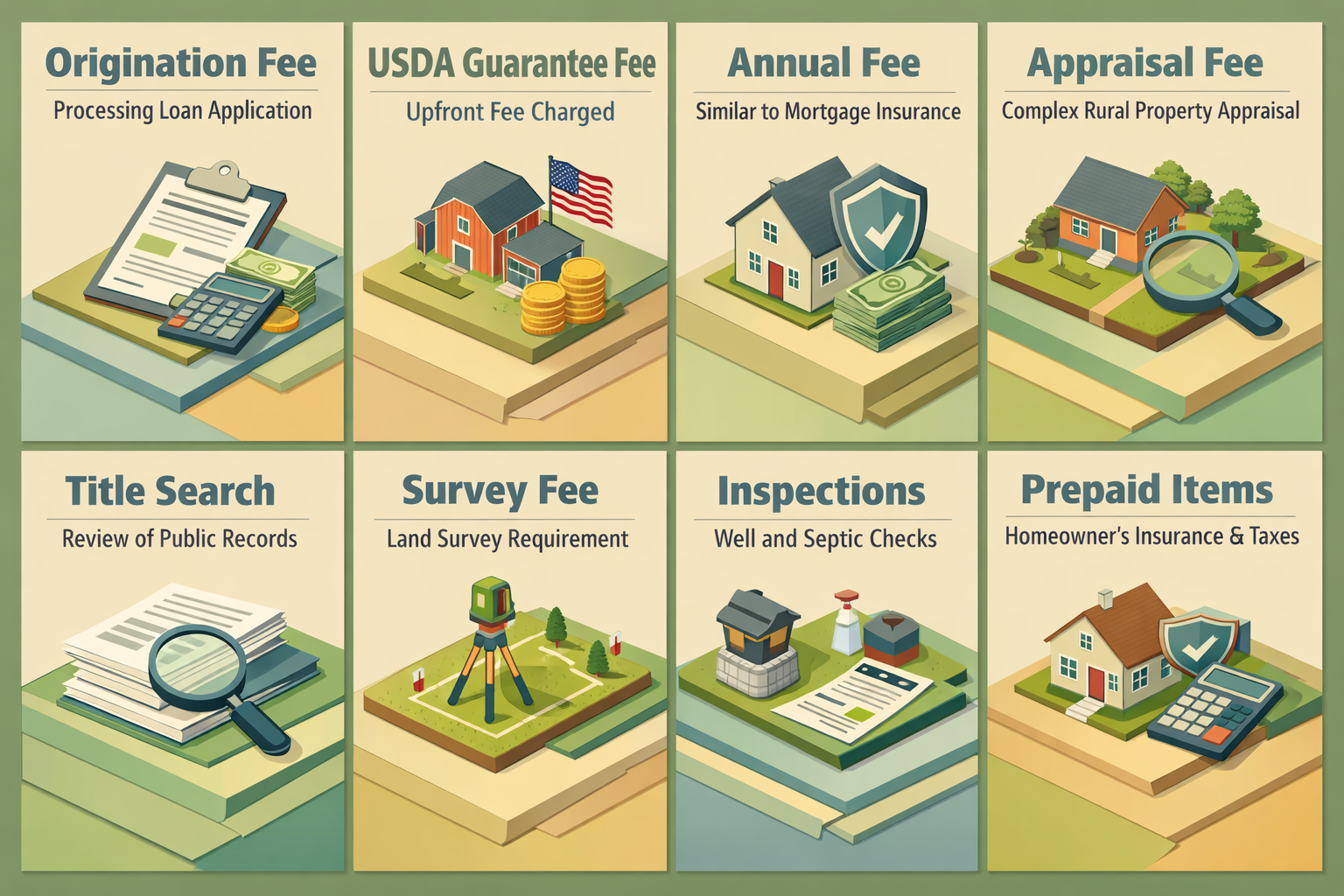
Here's a breakdown of the most common closing cost components you can expect:
- Origination Fee: Charged by the lender for processing your loan application. This fee can vary and is sometimes negotiable.
- USDA Guarantee Fee: The USDA charges an upfront guarantee fee, which can be rolled into the loan amount rather than paid out of pocket. As of recent program guidelines, this fee has been set at a percentage of the total loan amount. Buyers should verify the current rate with their lender, as it may be subject to change.
- Annual Fee: In addition to the upfront guarantee fee, USDA loans carry an annual fee similar to mortgage insurance, assessed on the remaining loan balance each year.
- Appraisal Fee: Rural property appraisals can be more complex and potentially more expensive than standard home appraisals. When a property includes an apiary, the appraiser must evaluate both the residential and agricultural components, which may increase the appraisal fee.
- Title Search and Title Insurance: These costs cover the review of public records and protection against title disputes. Rural properties with agricultural history may require a more thorough title search.
- Survey Fee: Lenders may require a land survey, particularly for rural properties with acreage. Properties with apiaries often sit on larger lots, which can increase survey costs.
- Pest and Property Inspections: Standard home inspections apply, but rural properties may also require well and septic inspections if the home is not connected to public utilities — a common situation in rural areas.
- Prepaid Items: These include prepaid homeowner's insurance, property taxes, and prepaid interest. They're not technically fees but are collected at closing and should be factored into your total cash needed.
When you add all of these together, rural property loan fees on a USDA purchase can be somewhat higher than those on a comparable suburban transaction, largely due to the additional complexity of the appraisal, survey, and inspections.
How an Apiary on the Property Affects the Loan and Appraisal Process
The presence of a beekeeping apiary introduces a layer of complexity that buyers should prepare for. From the lender's perspective, the central question is whether the property qualifies as primarily residential. USDA guidelines require that the home is the principal use of the property. If an apiary and related agricultural structures occupy a significant portion of the land or represent a substantial portion of the property's value, the lender may raise concerns about program eligibility.
Appraisers will also need to assess the apiary as part of the overall property valuation. Unlike standard outbuildings or sheds, beekeeping equipment, hive structures, and processing facilities may or may not contribute value to the appraisal depending on how the appraiser classifies them. In some cases, agricultural improvements may be valued separately or even excluded from the home's appraised value if they're considered income-producing components. This could affect how much you're able to borrow.
It's also possible that the apiary may be subject to local zoning or agricultural regulations, which a title search or survey might uncover. Buyers should work with a real estate attorney or experienced rural property agent to review any easements, agricultural liens, or zoning restrictions tied to the beekeeping operation before closing.
One practical tip: ask your lender upfront whether they have experience with rural agricultural properties. Not all USDA-approved lenders handle these situations regularly, and working with one who does can make the process smoother and potentially reduce unexpected costs at closing.
Strategies to Reduce Out-of-Pocket Closing Costs on Rural Property
The good news is that USDA loans offer some built-in flexibility that can help buyers manage their closing costs. Here are several strategies worth exploring:
- Roll the Guarantee Fee Into the Loan: The USDA upfront guarantee fee can typically be financed into the loan balance rather than paid at closing, which reduces the cash you need on closing day.
- Ask for Seller Concessions: In many rural real estate markets, sellers may be willing to contribute toward the buyer's closing costs as part of the negotiation. USDA guidelines do allow seller concessions up to a certain percentage of the purchase price — confirm the current limit with your lender.
- Negotiate Lender Credits: Some lenders offer lender credits in exchange for a slightly higher interest rate. While this increases your monthly payment slightly, it can reduce upfront cash needed at closing, which may be helpful if you're working with limited savings.
- Shop Around for Third-Party Services: Many closing cost components — such as title insurance, pest inspections, and survey fees — can be shopped by the borrower. Comparing quotes from multiple providers could meaningfully reduce your total rural property loan fees.
- Use Gift Funds: USDA guidelines may permit gift funds from eligible sources to cover closing costs. Ask your lender what documentation is required to use this option.
While USDA loans don't require a down payment, buyers should be prepared to have some cash available for closing costs, even with these mitigation strategies in place. Planning ahead and getting a detailed Loan Estimate from your lender early in the process is the best way to avoid surprises.
Eligibility Factors That Could Influence Your Loan Approval
Beyond closing costs, there are several borrower and property eligibility factors that could influence whether your USDA loan is approved for a property with a beekeeping apiary. Understanding these in advance can save time and reduce stress.
Income Limits: USDA loans are designed for low-to-moderate income households, and income limits vary by location and household size. Buyers must fall below the applicable limit to be eligible. If beekeeping generates additional household income, that income may be counted toward the total, potentially affecting eligibility.
Credit Score: Most USDA-approved lenders look for a minimum credit score, often around 640 for streamlined processing, though some lenders may manually underwrite loans for borrowers with lower scores. Maintaining a solid credit profile is essential.
Property Eligibility: The home must be located in a USDA-designated rural area. The USDA's online eligibility map is a useful starting point, though lenders can provide a more definitive confirmation during the prequalification process.
Agricultural Income Documentation: If you plan to operate the apiary as a business and claim that income on your tax returns, you'll likely need to provide at least two years of tax documentation. Lenders will average the income and may apply deductions, which could affect how much you qualify to borrow.
Acreage Limitations: USDA guidelines don't specify a hard acreage limit, but the land must be typical for the area and must not include income-producing farm acreage that would disqualify it as a residential property. Large apiaries or those with commercial-scale equipment and land use may require additional lender review.
Working with the Right Lender Makes a Real Difference
Financing a rural property with agricultural features like a beekeeping apiary is a more nuanced transaction than a standard suburban home purchase. That's why choosing the right lender matters as much as understanding the costs involved. Not all lenders who offer USDA loans have deep experience with rural agricultural properties, and that gap in knowledge can lead to delays, unexpected conditions, or even a loan denial late in the process.
When evaluating lenders, consider asking the following questions:
- Have you closed USDA loans on properties with agricultural features or hobby farms before?
- How do you handle the appraisal process when agricultural structures are present?
- Can you provide a detailed Loan Estimate so I can review all expected closing costs to expect upfront?
- Are there any overlays or additional requirements your institution applies to rural property loans?
A knowledgeable lender will be able to walk you through the USDA loan closing costs beekeeping buyers might encounter, flag any property-specific concerns early, and help you structure the transaction to minimize out-of-pocket expenses. They should also be familiar with USDA's income and property eligibility requirements and be able to guide you through the appraisal and underwriting process with confidence.
At LoanWise, our team works with rural homebuyers across a variety of property types, including those with unique agricultural features. We're here to help you understand your options and move forward with clarity.
●Conclusion
Understanding what are closing costs for a USDA loan on property with beekeeping apiary is an essential step for any buyer considering this type of rural purchase. From standard lender fees and USDA guarantee costs to apiary-specific appraisal and survey considerations, your total closing costs could vary more than you might expect. The key is to plan ahead, work with an experienced lender, and take advantage of available strategies — like seller concessions and rolling in the guarantee fee — to keep your out-of-pocket expenses manageable. With the right preparation, your journey to a rural property with a thriving apiary can be both financially sound and deeply rewarding. Ready to explore your options? Connect with a LoanWise loan specialist today to get a personalized estimate of your USDA loan closing costs beekeeping property included.