
Buying a rural property that includes a beekeeping apiary is an exciting opportunity — but financing it comes with its own set of questions. One of the most common concerns buyers ask is: what are closing costs for a USDA loan on a property with beekeeping apiary? If you're exploring USDA rural property financing, understanding the full scope of loan costs before you reach the closing table can save you from surprises and help you plan smarter. This guide breaks down every layer of the process — from how USDA loans work in agricultural settings to the specific fees and considerations that come with apiary properties.
How USDA Loans Work for Rural and Agricultural Properties
The USDA loan Single Family Housing Guaranteed Loan Program is designed to help low-to-moderate income buyers purchase homes in eligible rural areas. These loans are backed by the U.S. Department of Agriculture and are often celebrated for their zero down payment requirement — a significant advantage for buyers stretching their budget to purchase land-rich rural properties.
When it comes to a USDA loan rural property, the program focuses on the residential nature of the home. The house itself must be the primary dwelling, and the land must be considered typical for the area. This is where beekeeping apiaries enter an interesting gray zone. A small apiary used for personal hobby purposes is generally viewed differently than a large commercial honey operation. Lenders and USDA underwriters will assess whether the income-producing nature of the agricultural use changes how the property is classified.
Typically, if the apiary is modest in scale and the primary use of the property remains residential, USDA eligibility may still apply. However, buyers should work closely with a USDA-approved lender early in the process to confirm eligibility before falling in love with a specific property. The geographic eligibility of the parcel is also checked through the USDA's official eligibility map, and rural designation is required for loan approval.
Understanding What Makes Apiary Properties Unique in Lending
A beekeeping farm mortgage involves property characteristics that typical suburban home loans don't encounter. Apiary properties may include specialized structures such as bee yards, storage sheds for equipment, honey extraction rooms, or greenhouse-adjacent setups. Each of these features can influence how a lender and appraiser evaluate the property's value and loan eligibility.
From an underwriting perspective, lenders want to know whether the apiary structures are permanent or portable, whether they generate income, and how they affect the overall marketability of the property. If hive structures are considered personal property — meaning they're moveable — they typically won't be included in the appraised value of the real estate. However, if there are fixed structures like a processing barn or dedicated apiary building, those may be factored into the appraisal.
USDA appraisals for rural properties with agricultural features often require the appraiser to use comparable sales from similar rural or agricultural parcels. This can sometimes be a challenge in markets where few comparable sales exist, potentially extending your timeline or affecting your appraised value. Being aware of this ahead of time gives you a realistic picture of what to expect during underwriting.
Breaking Down the Closing Costs You Should Expect
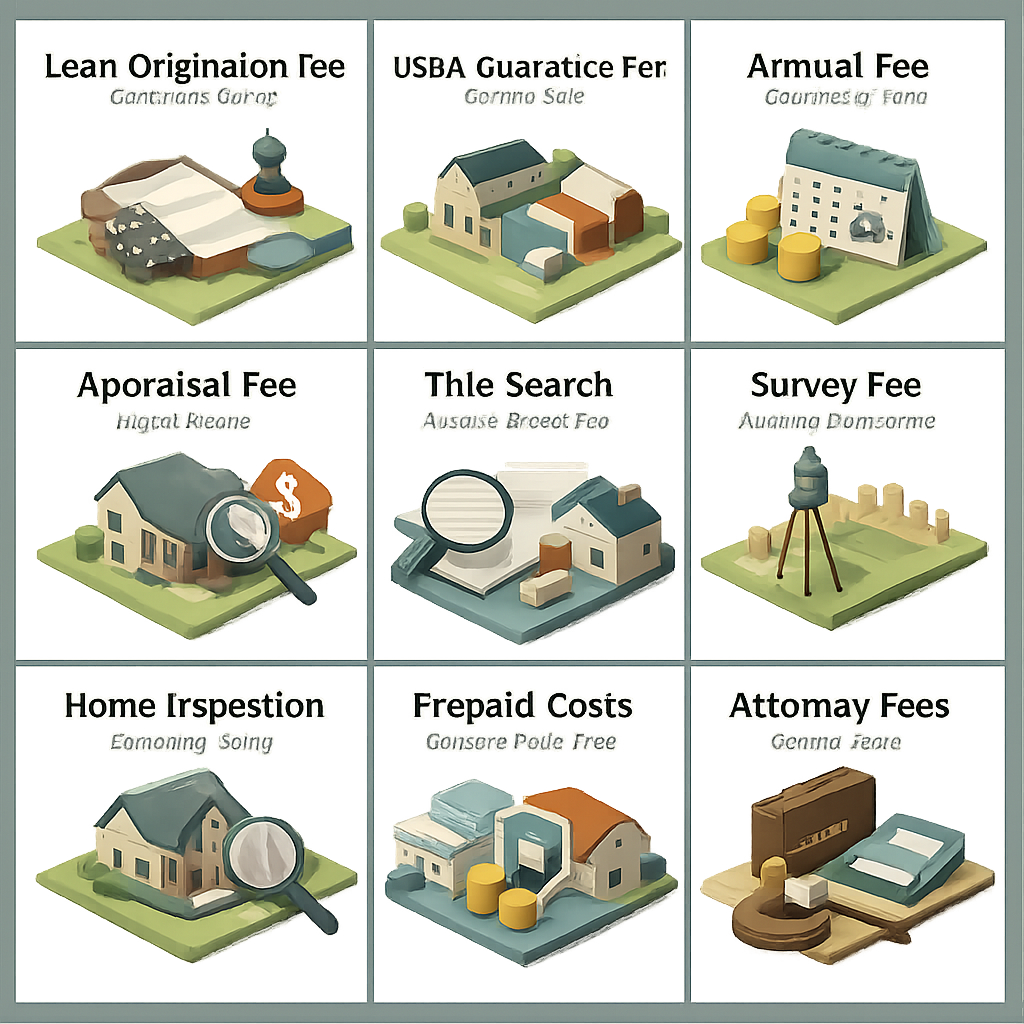
So, what are closing costs for a USDA loan on a property with beekeeping apiary? While exact figures vary by lender, location, loan amount, and property specifics, USDA loan closing costs typically include many of the same line items found in conventional mortgage closings — plus a few program-specific fees.
- Loan Origination Fee: This is charged by the lender for processing your loan. It may be a flat fee or a percentage of the loan amount, typically ranging from 0.5% to 1% of the loan.
- USDA Guarantee Fee: USDA loans include an upfront guarantee fee, which is currently set at 1% of the total loan amount. This fee can be rolled into the loan balance, which helps reduce out-of-pocket costs at closing.
- Annual Fee: In addition to the upfront fee, USDA loans carry an annual fee of 0.35% of the remaining loan balance, paid monthly as part of your mortgage payment. This is similar in function to private mortgage insurance (PMI) on conventional loans.
- Appraisal Fee: Rural and agricultural appraisals often cost more than standard residential appraisals due to the complexity of finding comparable properties. Buyers should budget accordingly, as fees may be higher than typical suburban appraisals.
- Title Search and Title Insurance: These fees protect both the lender and the buyer against title disputes and are standard across most loan types. Costs vary by state and property complexity.
- Survey Fee: For rural parcels with acreage, a land survey may be required to verify property boundaries. This is especially relevant for properties with working apiaries where land use boundaries matter.
- Home Inspection: A thorough inspection is strongly recommended on rural properties. Inspectors may also flag any structural or environmental concerns related to apiary operations near the main dwelling.
- Prepaid Costs: These include prepaid homeowner's insurance, prepaid interest, and escrow deposits for property taxes and insurance — costs that are typically required regardless of loan type.
- Attorney or Closing Agent Fees: Depending on your state, a real estate attorney or title company will handle the closing, with associated professional fees included in your closing costs to expect.
In total, closing costs on a USDA loan often range between 2% and 5% of the purchase price, though agricultural or rural properties may push toward the higher end of that range due to added complexity in appraisal and survey requirements.
Agricultural Property Closing Costs and How They Differ from Standard Loans
When you're dealing with agricultural property closing costs, there are nuances that standard residential closings simply don't have. Properties with working apiaries, even small-scale ones, may require additional documentation and due diligence that drives up both time and cost.
For example, if the property includes a commercial honey-selling operation, lenders may require business documentation, income verification related to the apiary, and potentially a different loan product altogether — such as a USDA Farm Service Agency loan rather than a residential guaranteed loan. Understanding this distinction early prevents wasted time pursuing the wrong financing path.
Additionally, environmental assessments may occasionally be required for rural properties with agricultural operations, including apiaries. While this isn't universally required, it can come up if there's a concern about chemical use near water sources or other regulatory considerations. Such assessments add cost and time to the closing process.
Buyers should also be aware that certain states impose additional transfer taxes or recording fees for properties classified as agricultural or rural. These state-level costs vary significantly, so working with a local real estate attorney familiar with agricultural property closing costs is a smart investment.
Strategies to Reduce Out-of-Pocket Closing Expenses
One of the practical advantages of USDA loans is their built-in flexibility when it comes to managing upfront costs. Here are several strategies that may help buyers reduce the cash needed at closing:
- Roll the Guarantee Fee Into the Loan: As mentioned, the 1% USDA upfront guarantee fee can be financed into the loan amount. This alone can save a meaningful sum depending on your purchase price.
- Negotiate Seller Concessions: In many rural real estate markets, sellers may be willing to contribute toward your closing costs. USDA guidelines allow sellers to pay closing costs on behalf of the buyer, which can significantly reduce what you need to bring to the table.
- Request Lender Credits: Some lenders offer credits in exchange for a slightly higher interest rate. If preserving cash upfront is a priority, this trade-off might make sense for your situation.
- Shop Multiple Lenders: Not all USDA-approved lenders charge the same origination fees. Comparing Loan Estimates from multiple lenders ensures you're getting competitive terms on both rate and closing costs.
- Down Payment Assistance Programs: Some state and local programs offer grants or second mortgage products that can be used to cover closing costs on rural properties. Eligibility requirements vary by program and location.
By combining several of these strategies, some buyers may be able to close on a USDA rural property with minimal out-of-pocket expense — even on a property as unique as one with a working beekeeping apiary.
Getting the Property Appraised and Qualifying for Rural Eligibility
The appraisal process for a rural property with an apiary requires careful attention. USDA appraisers follow specific guidelines to determine whether the property's value supports the requested loan amount. For properties with agricultural components, appraisers typically separate the value of the residential improvements from the income-producing elements of the land.
If an appraiser determines that the beekeeping operation adds significant commercial value, the lender may need to assess whether the property still qualifies under USDA's residential guidelines. In some cases, the loan may need to be restructured or the buyer may be referred to alternative rural financing products. This is why getting a pre-qualification conversation with a USDA-approved lender before making an offer is so valuable.
Rural eligibility is determined by USDA's geographic mapping system. Properties must fall within designated rural areas, which are generally defined as communities with populations under 35,000. Many small towns and rural communities throughout the United States qualify, including areas popular for hobby farming and beekeeping. Verifying eligibility takes only a few minutes using USDA's online eligibility tool, and it's one of the first steps any serious buyer should take.
Working with the Right Lender for Your Unique Rural Purchase
Not every mortgage lender has experience with rural agricultural properties. Finding a USDA-approved lender who has handled properties with hobby farms, apiaries, or agricultural outbuildings can make a meaningful difference in how smoothly your transaction proceeds. Experienced lenders know how to present your file to underwriting, how to order the right type of appraisal, and how to anticipate documentation requirements that could otherwise slow things down.
When shopping for a lender, ask specifically about their experience with USDA rural property loans that include agricultural features. Ask how they handle appraisals for non-standard rural properties, and request a detailed Loan Estimate early in the process so you can compare total loan costs with confidence.
It's also worth consulting with a real estate attorney or rural property specialist who understands local zoning laws. Beekeeping regulations vary by county and state, and confirming that your intended use is permitted under local ordinances before closing protects you from post-purchase complications. Some counties require permits for apiaries above a certain number of hives, and these details are worth resolving before you commit to a purchase.
●Conclusion
Understanding what are closing costs for a USDA loan on a property with beekeeping apiary is an essential step in planning a successful rural property purchase. From the USDA's upfront guarantee fee to agricultural appraisal complexities and state-specific recording costs, the full picture requires thoughtful preparation. The good news is that USDA loans remain one of the most accessible mortgage options available for rural buyers — offering zero down payment, competitive rates, and flexible cost management tools. Whether you're a first-time homebuyer drawn to the quiet life of a rural apiary or a seasoned real estate investor expanding into agricultural properties, partnering with an experienced USDA lender is your smartest first move. At LoanWise, we're here to help you navigate every step of the process with clarity and confidence.