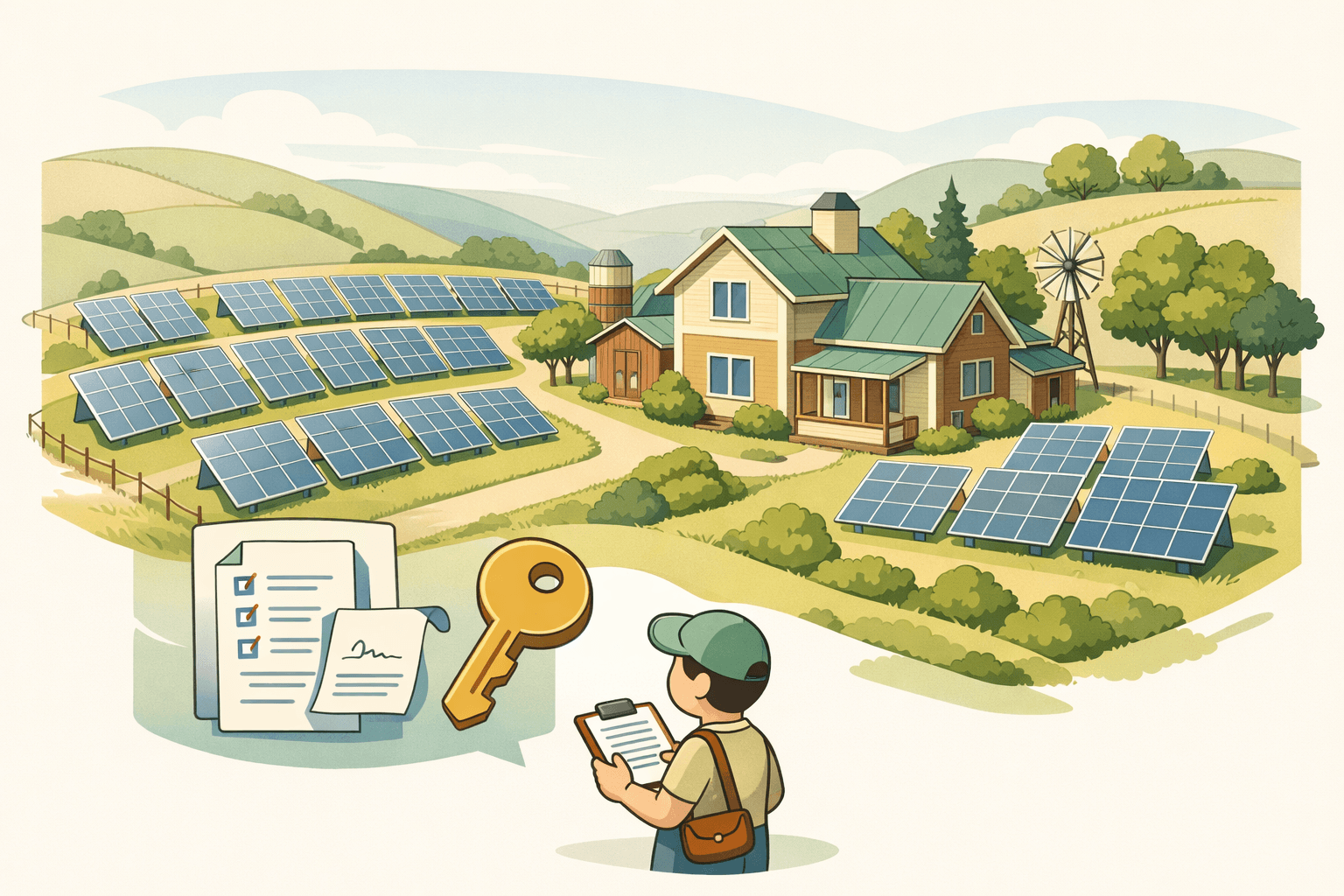
Buying a rural property that includes a solar farm is an exciting opportunity — it combines the appeal of country living with the potential for renewable energy income. But if you're planning to use USDA financing, you may be wondering: what are closing costs for a USDA loan on a property with a solar farm? The answer involves understanding both standard USDA loan fees and the added complexities that come with specialty properties. This guide walks you through what to expect, what's unique about solar-equipped rural land, and how to plan your finances wisely.
Understanding USDA Loan Basics for Rural Homebuyers
The USDA loan program — officially known as the USDA Rural Development Guaranteed Housing Loan Program — is designed to help low-to-moderate income borrowers purchase homes in eligible rural and suburban areas. One of its most attractive features is the ability to finance a home with zero down payment, making homeownership more accessible for many buyers.
However, zero down payment doesn't mean zero costs at closing. Like any mortgage, a USDA loan comes with a set of closing costs that borrowers need to plan for. These costs typically cover lender fees, third-party services, government charges, and prepaid expenses. Understanding these fees before you sign anything can make a big difference in your financial preparedness.
For rural properties that include a solar farm — whether it's a small rooftop system or a larger ground-mounted commercial array — there are additional considerations that may affect both loan eligibility and the overall closing cost picture. Let's break it all down.
Standard USDA Loan Closing Costs You Should Know
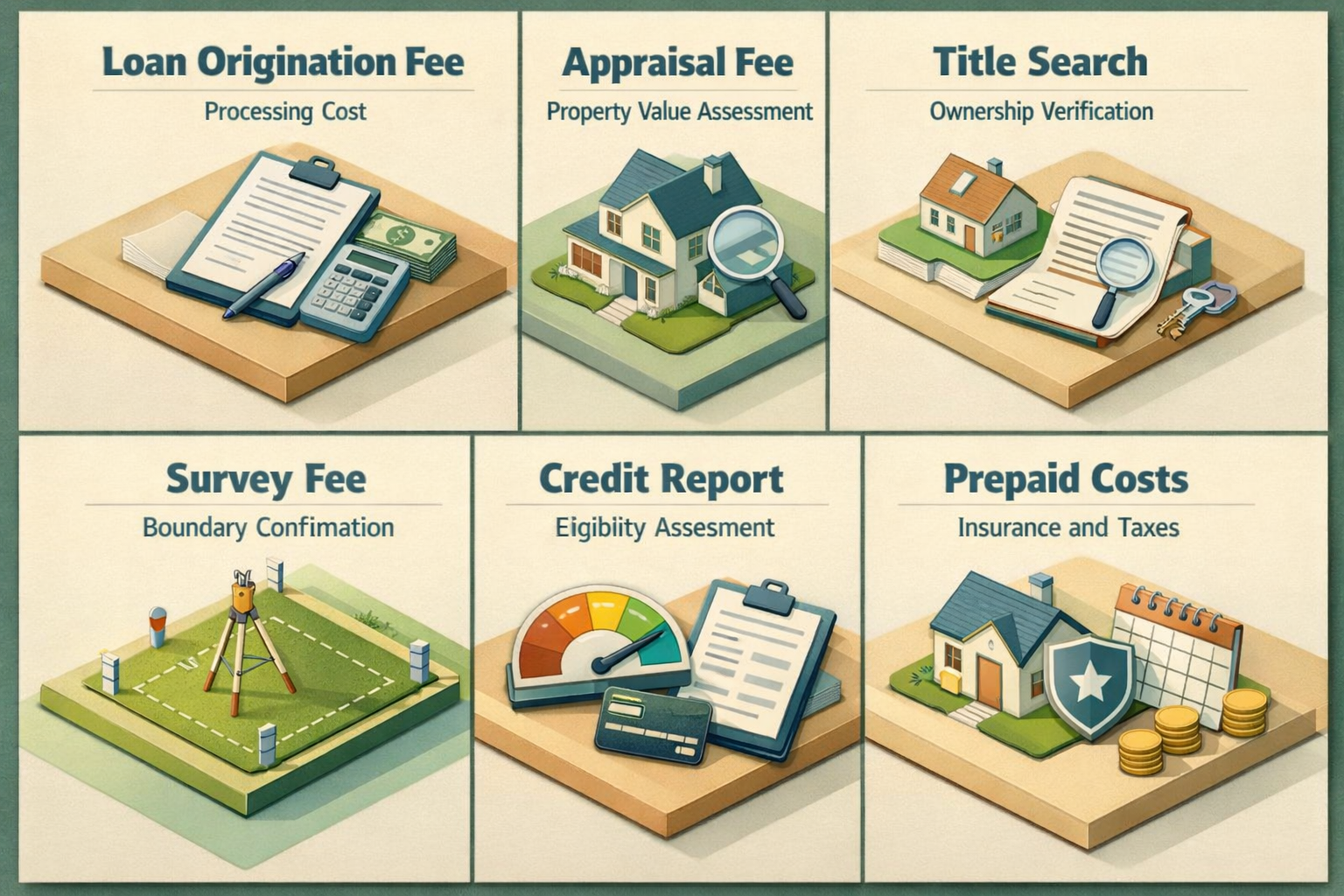
Before addressing the solar farm component, it's helpful to understand the baseline closing costs associated with any USDA loan. These costs are generally similar to those found on other mortgage types and may include:
- Loan origination fee: Charged by the lender for processing your loan application, this fee is typically a percentage of the total loan amount.
- Appraisal fee: A licensed appraiser must assess the property's value. For rural properties, especially those with specialty features like solar farms, this fee may be higher than average due to the complexity involved.
- Title search and title insurance: These fees cover the cost of verifying property ownership history and protecting against future title disputes.
- Survey fee: Rural properties often require land surveys to confirm boundaries, which can be especially relevant when solar installations are involved.
- Credit report fee: Lenders pull your credit history to assess your eligibility.
- Recording fees: Local governments charge fees to record the mortgage and deed transfer.
- Prepaid costs: These include prepaid homeowner's insurance, property taxes held in escrow, and prepaid mortgage interest for the period between closing and your first payment.
In addition to these standard fees, USDA loans carry two program-specific charges: an upfront guarantee fee and an annual fee. The upfront guarantee fee is typically rolled into the loan balance rather than paid out of pocket at closing, which helps reduce the immediate cash burden. The annual fee functions similarly to private mortgage insurance and is paid monthly over the life of the loan.
How a Solar Farm Changes the Property Eligibility Equation
This is where things get more nuanced. USDA loans are intended for residential properties — meaning the home must be the primary purpose of the property, not income-producing commercial activity. A solar farm, depending on its size and structure, may raise questions about whether the property is primarily residential or primarily commercial in nature.
For a small residential solar system — such as rooftop panels that power the home and perhaps feed a small surplus back to the grid — USDA lenders may generally consider this acceptable, as it's consistent with the property's residential character. However, a larger ground-mounted solar farm that generates significant income or occupies a substantial portion of the land could trigger additional scrutiny.
Lenders and USDA underwriters will likely evaluate several factors when reviewing a renewable energy property mortgage application:
- The primary use of the property — does the home serve as a full-time residence, or does the solar operation dominate the land's purpose?
- The income generated by the solar farm — commercial-scale energy income may classify the property as agricultural or commercial rather than residential.
- The land-to-home ratio — USDA guidelines may scrutinize properties where the land value significantly exceeds the value of the home itself.
- Whether the solar installation is owned outright or leased — third-party solar leases or power purchase agreements (PPAs) can complicate the title and affect lender approval.
It's worth noting that USDA guidelines do allow for some income-producing activity on rural properties, but the residential dwelling must remain the primary feature. Buyers should work closely with their lender and a USDA-approved underwriter to clarify eligibility before investing heavily in the application process.
What Are Closing Costs for a USDA Loan on a Property with a Solar Farm — Additional Fee Layers
When a solar farm is part of the property, closing costs may be higher than they would be for a standard rural home. Here's why:
Specialized Appraisal Requirements: Appraising a property with a solar farm is more complex than a standard home appraisal. The appraiser must evaluate not only the home's value but also the solar infrastructure, equipment condition, energy output potential, and any lease or PPA agreements tied to the system. This added complexity can mean higher appraisal fees. Finding a qualified appraiser with experience in renewable energy property mortgage valuations may also take longer, which could extend your closing timeline.
Title and Lien Review: Solar farms — especially those with third-party leases — may carry encumbrances, liens, or easements that appear on the property title. Your title company will need to research and resolve these issues, which can increase title search fees and potentially delay closing.
Environmental and Zoning Reviews: Depending on the state and county, rural properties with ground-mounted solar installations may require environmental assessments or zoning compliance reviews. These are typically handled by third parties and add to your overall closing cost total.
Legal Fees: If the solar farm involves contracts — such as net metering agreements, energy purchase contracts, or lease agreements — you may want a real estate attorney to review these documents before closing. Attorney fees vary widely but can add several hundred to a few thousand dollars to your closing costs.
When asking what are closing costs for a USDA loan on a property with a solar farm, there's no single universal number. Costs may vary significantly based on location, property size, solar installation type, and lender. Budgeting conservatively and requesting a detailed Loan Estimate from your lender early in the process is strongly recommended.
USDA Loan Solar Farm Eligibility — Key Ownership and Title Considerations
One of the most critical factors in securing a USDA loan on a solar-equipped property is how the solar system is owned. This detail can significantly affect both loan approval and closing costs.
Owned Solar Systems: If the solar farm is owned outright by the property seller and will transfer to you at closing, the process is more straightforward. The value of the solar equipment may be factored into the appraisal, and there are no ongoing third-party lease obligations complicating the title. That said, the appraiser will still need to assess the system's condition, age, and remaining useful life.
Leased Solar Systems or PPAs: Many solar installations — especially larger ground-mounted farms — are financed through third-party leases or power purchase agreements. If the solar company retains ownership of the equipment on your property, this creates a legal arrangement that must be disclosed, reviewed, and approved by both the lender and USDA. These agreements may also be recorded as liens or easements on the property title, which can complicate title insurance and increase closing costs. Some lenders may be unwilling to proceed if these agreements cannot be adequately resolved or assumed.
Buyers should ask the seller for all solar-related contracts and agreements early in the due diligence process. Your real estate agent, lender, and title company should all be aware of these documents before the closing process moves forward.
Strategies to Manage and Reduce Closing Costs on Rural Solar Properties
Even with the added complexity of a solar farm, there are practical ways to manage your loan expenses more effectively.
- Negotiate seller concessions: In many real estate transactions, buyers can negotiate for the seller to cover a portion of the closing costs. USDA guidelines do permit seller-paid closing costs up to a certain limit, which can significantly reduce your out-of-pocket expenses at closing.
- Roll costs into the loan: The USDA upfront guarantee fee can typically be financed into your loan balance. Some lenders may also allow other allowable closing costs to be rolled in when the appraised value supports it.
- Shop for third-party services: Your Loan Estimate will identify which services you can shop for independently, such as title companies and settlement agents. Comparing quotes could save you a meaningful amount.
- Work with experienced professionals: Choosing a lender, appraiser, and title company with specific experience in rural property solar closing costs can reduce the risk of unexpected delays or fees. Experienced professionals are more likely to identify potential issues early, preventing costly surprises at or after closing.
- Request a detailed Loan Estimate early: Under federal lending regulations, lenders are required to provide a Loan Estimate within three business days of receiving your application. Review it carefully and ask questions about any fees that aren't clearly explained.
Planning ahead and working with knowledgeable professionals may not eliminate all the complexities of a solar farm transaction, but it can make the process considerably smoother.
●Conclusion
Purchasing a rural property with a solar farm is an ambitious and potentially rewarding move — but it comes with a unique set of financing challenges. Understanding what are closing costs for a USDA loan on a property with a solar farm means looking beyond standard fees and accounting for appraisal complexity, title review, potential legal costs, and the specific nature of the solar installation itself. Whether the system is fully owned or encumbered by a lease agreement can make a significant difference in how the deal unfolds.
The good news is that with the right team of professionals and careful planning, these challenges are manageable. USDA loans remain one of the most accessible rural financing options available, and solar-equipped properties may offer long-term value that justifies the added due diligence. If you're ready to explore your options, consider speaking with a USDA-approved lender who has experience with specialty rural properties. At LoanWise, we're here to help you navigate every step of the process with confidence.