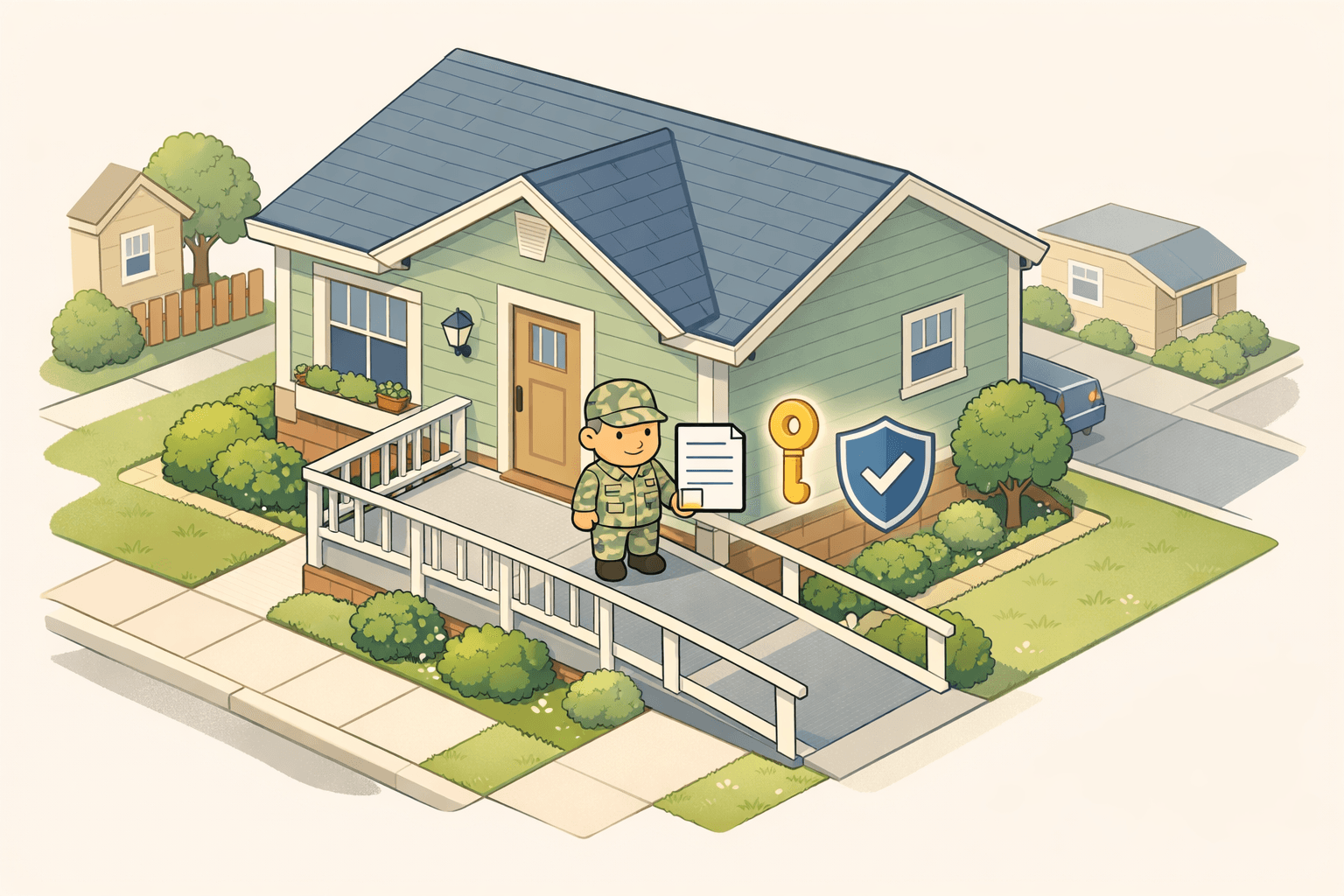
For veterans who've served and sacrificed, the path to homeownership shouldn't come with unnecessary financial barriers. Fortunately, the U.S. Department of Veterans Affairs offers a powerful set of mortgage tools designed specifically for those who've earned them. Understanding VA loan benefits for disabled veterans is one of the most important steps a veteran can take toward securing stable, affordable housing. Whether you're buying your first home, refinancing an existing mortgage, or making necessary modifications to your living space, the VA loan program may offer advantages that go well beyond what conventional mortgage options provide. This guide breaks down those key benefits clearly and thoroughly.
What Makes VA Loans Different from Conventional Mortgages
VA loans are government-backed mortgages guaranteed by the Department of Veterans Affairs. Unlike conventional loans, they don't require private mortgage insurance (PMI), typically don't require a down payment, and come with competitive interest rates. These features alone make them a standout option among disabled veteran mortgage options.
For most borrowers, getting a mortgage without a down payment or PMI would be nearly impossible. VA loans make this a realistic possibility for eligible veterans, active-duty service members, and surviving spouses. Lenders who participate in the VA loan program are protected against default by the government's guarantee, which is why they're often willing to offer more favorable terms.
The program has been in place since the Servicemen's Readjustment Act of 1944, and it has helped millions of veterans achieve homeownership over the decades. For disabled veteran mortgage options specifically, the program extends even further with additional exemptions and financial assistance that can make a significant difference in long-term housing costs.
The VA Loan Funding Fee Exemption for Disabled Veterans
One of the most impactful financial advantages available is the VA loan exemption funding fee. Most VA loan borrowers are required to pay a funding fee at closing, which helps sustain the program for future veterans. This fee typically ranges from around 1.25% to over 3% of the total loan amount, depending on factors like down payment size and whether it's the borrower's first VA loan use.
However, veterans who receive VA disability compensation are generally exempt from paying this fee entirely. That means if you have a service-connected disability rating and are receiving disability benefits, you may not have to pay this one-time cost at closing. On a $300,000 home loan, for example, a 2% funding fee would amount to $6,000 — so the exemption could represent thousands of dollars in immediate savings.
To qualify for this exemption, you'll typically need to provide documentation confirming your disability rating and that you're actively receiving compensation. It's worth checking your eligibility status carefully before closing, because the VA loan exemption funding fee doesn't always get applied automatically. Veterans who overpay the funding fee when they were exempt may be entitled to a refund, so it's wise to review your closing costs thoroughly.
Surviving spouses of veterans who died in service or from a service-connected disability may also qualify for the funding fee exemption. If you're in this situation, speaking with a VA-approved lender or a housing counselor familiar with VA programs could help clarify what documentation you might need.
Home Adaptation Grants That Support Independent Living
Beyond the mortgage itself, the VA offers dedicated grant programs to help disabled veterans modify their homes to meet their specific needs. These home adaptation grants for veterans can cover a wide range of modifications, from installing wheelchair ramps and widening doorways to adding roll-in showers and stair lifts.
There are two primary grant programs worth knowing:
- Specially Adapted Housing (SAH) Grant: This grant is designed for veterans with severe service-connected disabilities that affect mobility. It may help fund the construction of a specially adapted home, the purchase of an already adapted home, or the modification of an existing home. The grant amount is subject to annual adjustment by Congress, so veterans should verify current limits through the VA directly.
- Special Housing Adaptation (SHA) Grant: This grant is intended for veterans with certain service-connected disabilities that are less severe in terms of mobility but still significantly impact daily living. Like the SAH grant, it can be used for modifications to an existing home or toward a new purchase.
Both grants may also be used toward adaptations to a family member's home if the veteran is living there temporarily. This flexibility is especially helpful for veterans who aren't yet in a permanent housing situation.
It's important to note that these grants have lifetime usage limits and annual caps. Veterans may be able to use the grant funds multiple times, up to the lifetime maximum, which gives some additional flexibility when housing situations change. Applying early is often recommended, as demand for these programs can be high and processing times can vary.
Credit and Income Considerations for Disabled Veteran Borrowers
VA loans don't have a set minimum credit score requirement from the Department of Veterans Affairs itself, but individual lenders typically set their own thresholds. Many lenders may look for a credit score of at least 580 to 620, though some may require higher scores depending on other risk factors in the application.
For disabled veterans, VA disability compensation is generally considered stable, reliable income by most lenders. This is a significant benefit, because consistent income documentation is one of the most important factors in loan approval. Unlike some forms of self-employment income or investment returns, disability compensation tends to be viewed favorably because it doesn't fluctuate based on market conditions or employment status.
Additionally, the VA uses a residual income calculation as part of its underwriting process. This approach looks at how much money a borrower has left over after paying major monthly expenses, which some argue is a more holistic measure of financial health than a debt-to-income ratio alone. For veterans living on disability income, this method could actually work in their favor by accounting for their full financial picture.
Veterans with lower credit scores or unique financial circumstances may want to work with a lender who specializes in VA financing, as they're often more experienced at navigating the specific documentation and underwriting requirements involved in these loans.
Refinancing Options Available to Disabled Veterans
Disabled veterans who already have a VA loan may benefit from the Interest Rate Reduction Refinance Loan (IRRRL), sometimes called the VA Streamline Refinance. This option is designed to make it easier and less costly to refinance into a lower interest rate without a full underwriting process. In many cases, no new appraisal or income verification is required.
Veterans who receive disability compensation are also typically exempt from the funding fee on an IRRRL, which can reduce closing costs meaningfully. This makes the streamline option particularly attractive for disabled veterans looking to lower their monthly payments without the administrative burden of a full refinance.
For veterans who want to access their home's equity, a VA Cash-Out Refinance allows eligible borrowers to refinance their existing mortgage and take cash out of their equity. This could be useful for covering medical expenses, home modifications, or other financial needs. Keep in mind that cash-out refinances typically come with more thorough underwriting requirements and may carry different funding fee structures depending on disability status.
As with any refinancing decision, it's worth comparing the long-term cost savings against the closing costs involved. A lender who understands VA disability home loan benefits can help you run those numbers and determine whether refinancing makes sense for your specific situation.
How to Start the VA Loan Process as a Disabled Veteran
Getting started with a VA loan as a disabled veteran involves a few key steps. First, you'll want to obtain your Certificate of Eligibility (COE), which is the document that confirms your eligibility for the VA loan program. You can request this through the VA's eBenefits portal, through your lender, or by submitting VA Form 26-1880 by mail.
Once you have your COE, it's time to gather documentation that supports your disability status and income. This typically includes your disability rating letter from the VA, recent award letters confirming your compensation amount, and standard financial documents like bank statements and tax returns.
Choosing the right lender matters. Not all lenders work with VA loans, and fewer still specialize in serving disabled veterans. Looking for a VA-approved lender with experience in VA disability home loan benefits can help ensure the process goes smoothly and that you don't miss out on exemptions or credits you're entitled to.
- Request your Certificate of Eligibility through the VA or your lender
- Confirm your disability rating and compensation documentation is current
- Ask your lender directly about funding fee exemptions and how they'll be applied
- Explore SAH or SHA grant eligibility if home modifications may be needed
- Compare lenders to find one experienced with VA disability-related benefits
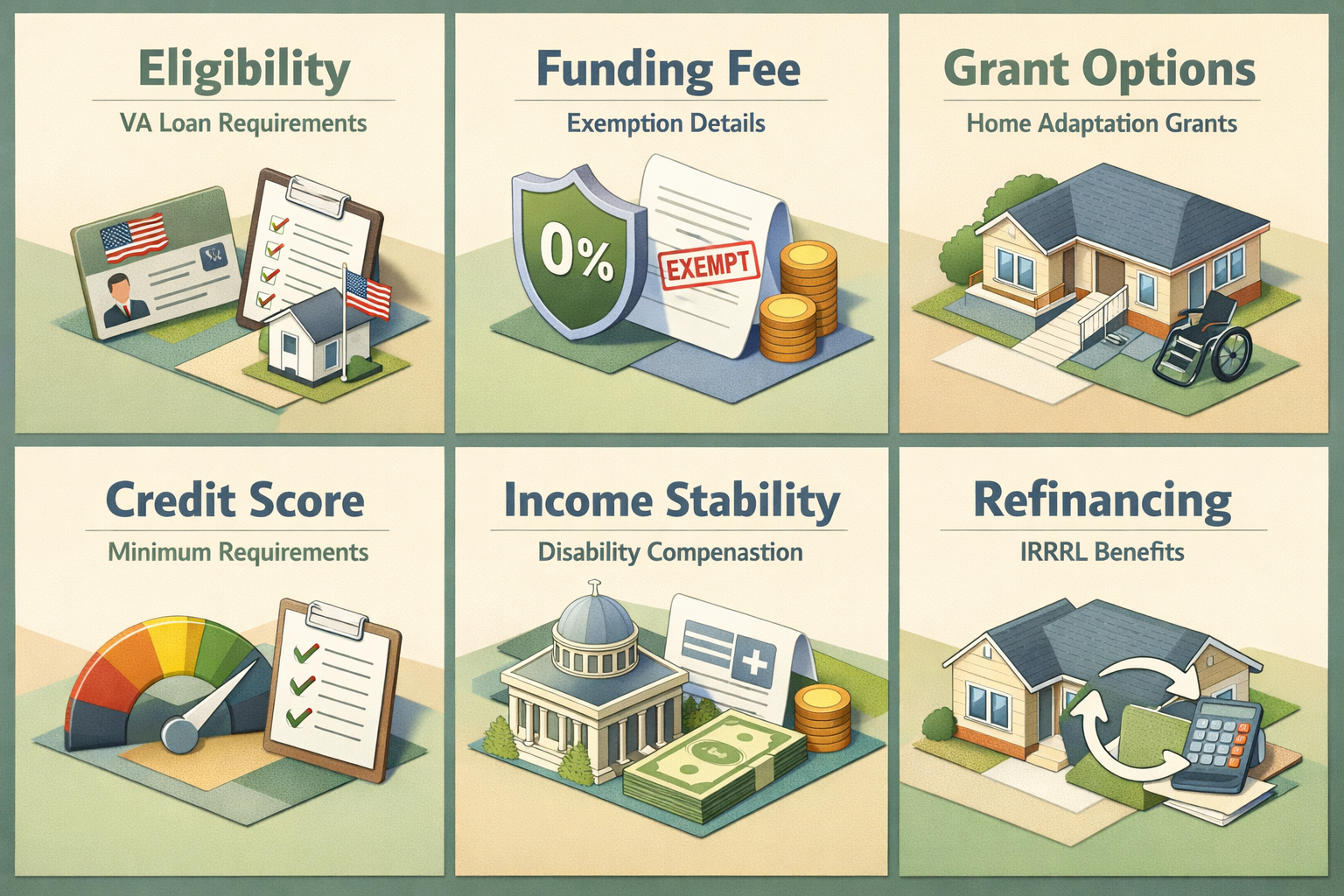
Taking these steps methodically can help reduce delays and ensure that all available benefits are applied correctly before and at closing.
●Conclusion
Understanding VA loan benefits for disabled veterans is about more than just securing a mortgage — it's about accessing a system that was built to honor your service in a meaningful, practical way. From the funding fee exemption that could save you thousands at closing to home adaptation grants that support independent living, these benefits are designed to remove financial obstacles and open doors to stable homeownership. If you're a disabled veteran exploring your mortgage options, now is a great time to connect with a VA-specialized lender who can walk you through every advantage you may be entitled to. At LoanWise, we're committed to helping veterans navigate these opportunities with clarity and confidence. Reach out today to start exploring what's possible for your home financing journey.