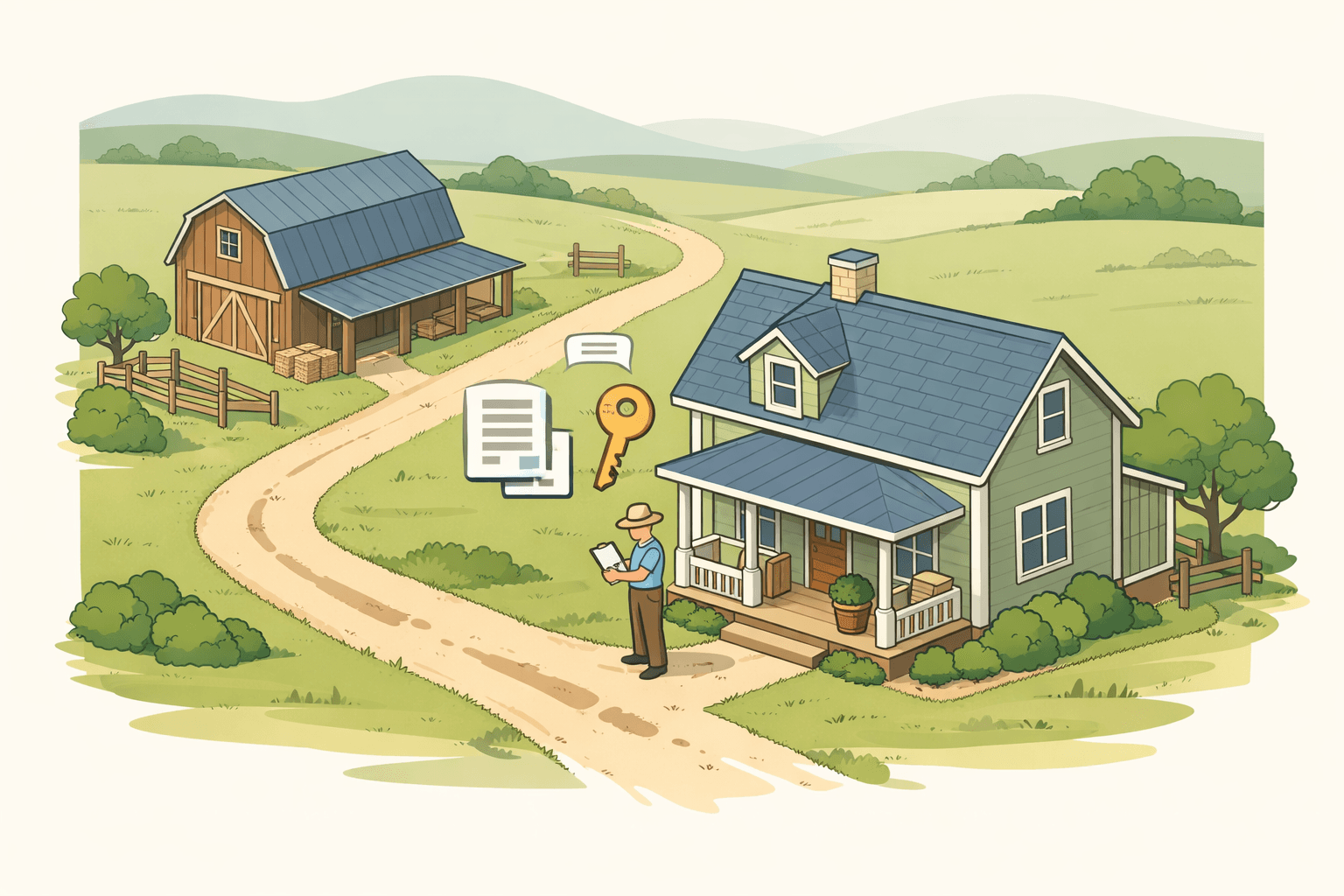
Buying a rural home with a barn or other outbuilding is a dream for many homebuyers. Whether you're picturing a small hobby farm, a peaceful countryside retreat, or a property with space for livestock, USDA loans can be a powerful financing tool. However, not every property qualifies automatically — especially when agricultural structures are involved. Understanding USDA loan requirements for property with existing barn structures is an important first step before you fall in love with a listing and start the application process. This guide walks you through the key eligibility rules, property standards, and practical tips so you can move forward with confidence.
What Makes USDA Loans a Strong Option for Rural Homebuyers
The USDA Single Family Housing Guaranteed Loan Program is designed to help low-to-moderate income borrowers purchase homes in eligible rural and suburban areas. One of the program's biggest advantages is the zero down payment requirement, which makes homeownership far more accessible for buyers who haven't built up large cash reserves.
Beyond the down payment benefit, USDA loans typically offer competitive interest rates and reduced mortgage insurance costs compared to some other government-backed programs. For homebuyers eyeing rural properties — including those with barns, sheds, or other outbuildings — this program can be a genuinely attractive path to ownership.
That said, the program comes with specific eligibility criteria that cover not just the borrower but the property itself. When a property includes a barn or agricultural structure, lenders and appraisers take a closer look to make sure the loan aligns with USDA's guidelines. It's worth knowing what those guidelines involve before you make an offer.
USDA Loan Eligibility and Existing Barn Structures: The Core Rules
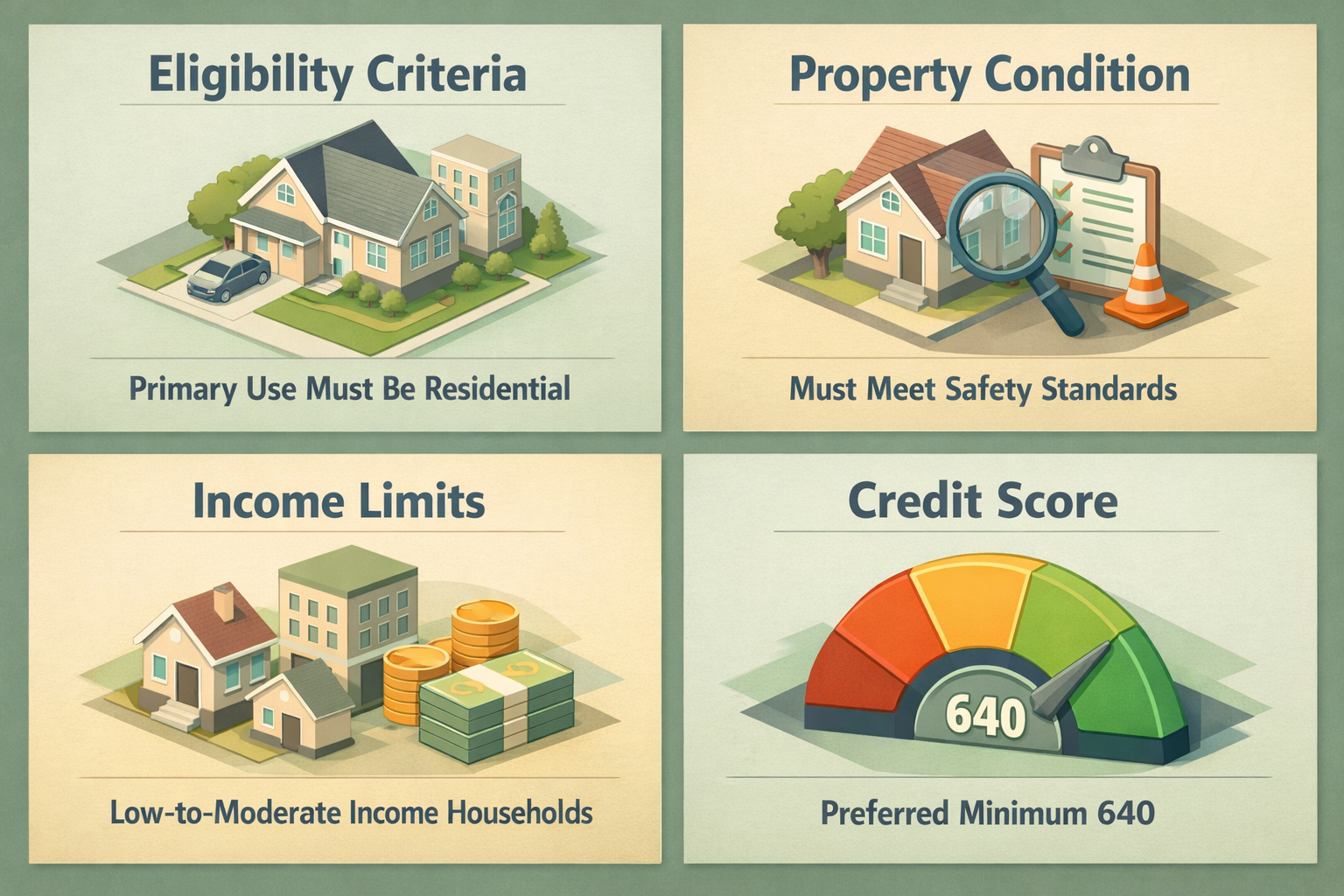
When it comes to USDA loan eligibility existing barn considerations, the core issue revolves around the property's primary purpose. USDA loans are designed to finance residential properties — meaning the home must be the primary feature of the land, not an agricultural operation.
Here's what that typically means in practice:
- The property must be primarily residential in nature. A house that happens to have a barn on the lot is generally evaluated differently than a working farm where the barn is central to the operation.
- Income-producing agricultural use may be a concern. If the barn or surrounding land is being used to generate farm income, the property may be considered a "farm" under USDA definitions, which could affect eligibility under the Guaranteed Loan Program.
- The barn itself is typically not included in the appraised value. USDA appraisers generally focus on the value of the residential dwelling. Outbuildings like barns may be considered in a market value context, but they won't drive the loan amount.
- The property must meet USDA's minimum property requirements. This includes standards for safety, structural soundness, and sanitation — applied to the home and, to some extent, the surrounding structures.
It's also worth noting that USDA loan guidelines can vary slightly depending on the state, the lender, and how the appraisal is handled. Consulting with a USDA-approved lender early in the process is always a smart move.
How Appraisers Evaluate Properties with Barns and Outbuildings
The appraisal process plays a major role in determining whether a property with an existing barn qualifies for USDA financing. A USDA-approved appraiser will assess the property using guidelines set by the agency, and outbuildings are part of that evaluation — even if they aren't the primary focus.
Here's what appraisers typically look at:
- Condition of the barn. If a barn is structurally unsound, poses a safety hazard, or is in severe disrepair, it may raise concerns about the overall property condition. Appraisers may flag structures that could affect the safety or livability of the site.
- Size of the lot relative to the home. Large tracts of agricultural land could signal that the property's primary purpose is farming rather than residential use. USDA generally allows homes on larger lots, but the residential character of the property needs to be evident.
- Market comparisons. Appraisers use comparable sales to establish market value. In rural areas, finding comps with similar features — like a barn — can sometimes be challenging, which may affect how the property is valued.
- Environmental concerns. If the barn has been used for livestock or chemical storage, there may be environmental considerations — such as soil contamination — that the appraiser or lender could flag.
The good news is that many rural properties with modest barns or hobby farm structures do successfully go through the USDA loan process. The key is making sure the residential use of the property is clearly the dominant purpose.
Understanding USDA Loan Requirements for Property with Existing Barn: What Disqualifies a Property
Not every rural property with a barn will qualify for USDA financing. Knowing the potential red flags ahead of time can save you from a frustrating experience. Here are some scenarios that might complicate or prevent approval:
- Active commercial farming operations. If the property is being used as an active farm generating significant income, it may be classified as agricultural land rather than residential property under USDA definitions.
- Barn in severe disrepair. A barn that presents safety hazards — such as a collapsing roof, exposed electrical wiring, or structural instability — could raise property condition concerns, even if the house itself is in good shape.
- Environmental hazards. Evidence of pesticide storage, underground tanks, or other contamination near the barn could require remediation before the loan can proceed.
- Income-producing livestock or crops. If the property is set up to generate farm income and is clearly operated as such, lenders may determine it doesn't meet the residential use requirement.
- Property size flagged as excessive. Very large acreage parcels that are far beyond what's typical for a residential site in the area may face additional scrutiny.
It's important to remember that these are potential issues, not automatic disqualifiers in every case. Lenders and USDA offices do have some flexibility in how they interpret guidelines, and a good loan officer can help you navigate edge cases.
Practical Tips for Homebuyers Pursuing USDA Financing on Barn Properties
If you've found a rural property you love that includes a barn or similar structure, there are several steps you can take to improve your chances of a smooth USDA loan process:
- Work with a USDA-experienced lender from day one. Not all lenders are equally familiar with USDA property guidelines. An experienced USDA-approved lender can flag potential issues early and help you avoid surprises during underwriting.
- Confirm the property is in an eligible area. Use the USDA's online eligibility map to verify that the property falls within a qualifying rural or suburban zone before applying time and money into the process.
- Get a pre-listing inspection. If possible, have the barn and surrounding structures inspected before the formal appraisal. This gives you a clearer picture of any conditions that might need to be addressed.
- Document the residential nature of the property. Be prepared to demonstrate that the home is the primary use of the property — not an active farming operation. This might include details about how the barn has been used historically.
- Understand borrower eligibility too. USDA loan eligibility isn't just about the property. You'll also need to meet income limits for your area, have a qualifying credit profile, and demonstrate stable repayment ability.
Taking a proactive approach can make a meaningful difference. Rural properties with barns are a common part of the USDA loan landscape, and many buyers successfully finance them with the right preparation.
Borrower Qualifications That Matter Alongside Property Standards
While much of the focus when buying a property with a barn is on the property itself, your personal financial profile matters just as much. USDA loan programs have borrower requirements that you'll need to meet regardless of the property type.
Key borrower considerations typically include:
- Income limits. USDA loans are intended for low-to-moderate income households. Income limits vary by location and household size, so it's worth checking the USDA's official limits for the county where the property is located.
- Credit score expectations. While USDA doesn't set a hard minimum credit score, most USDA-approved lenders prefer a score of at least 640, which allows for streamlined processing. Scores below that threshold may still qualify but could require more manual underwriting.
- Debt-to-income ratio. Lenders typically look for a total debt-to-income ratio that demonstrates you can manage the mortgage payment alongside your other obligations. The standard benchmark is often around 41%, though exceptions may be made for strong compensating factors.
- Primary residence requirement. USDA loans are for primary residences only. You cannot use this program to purchase a vacation property or investment property — even a charming rural one with a barn.
Meeting these borrower standards alongside the property requirements is what makes a USDA loan application complete. If your financial profile is strong, it can also give lenders more flexibility when evaluating borderline property characteristics.
●Conclusion
Understanding USDA loan requirements for property with existing barn structures doesn't have to be overwhelming. The program is genuinely well-suited to rural homebuyers, and properties with barns can and do qualify — as long as the residential character of the property is clear and the structure doesn't present safety or environmental concerns. The most important steps are working with an experienced USDA-approved lender, confirming property and area eligibility early, and being prepared for a thorough appraisal process. With the right guidance and preparation, a barn property financed through a USDA loan could be the path to the rural lifestyle you've been working toward. Ready to explore your options? Connect with a knowledgeable lending professional at LoanWise to get started.