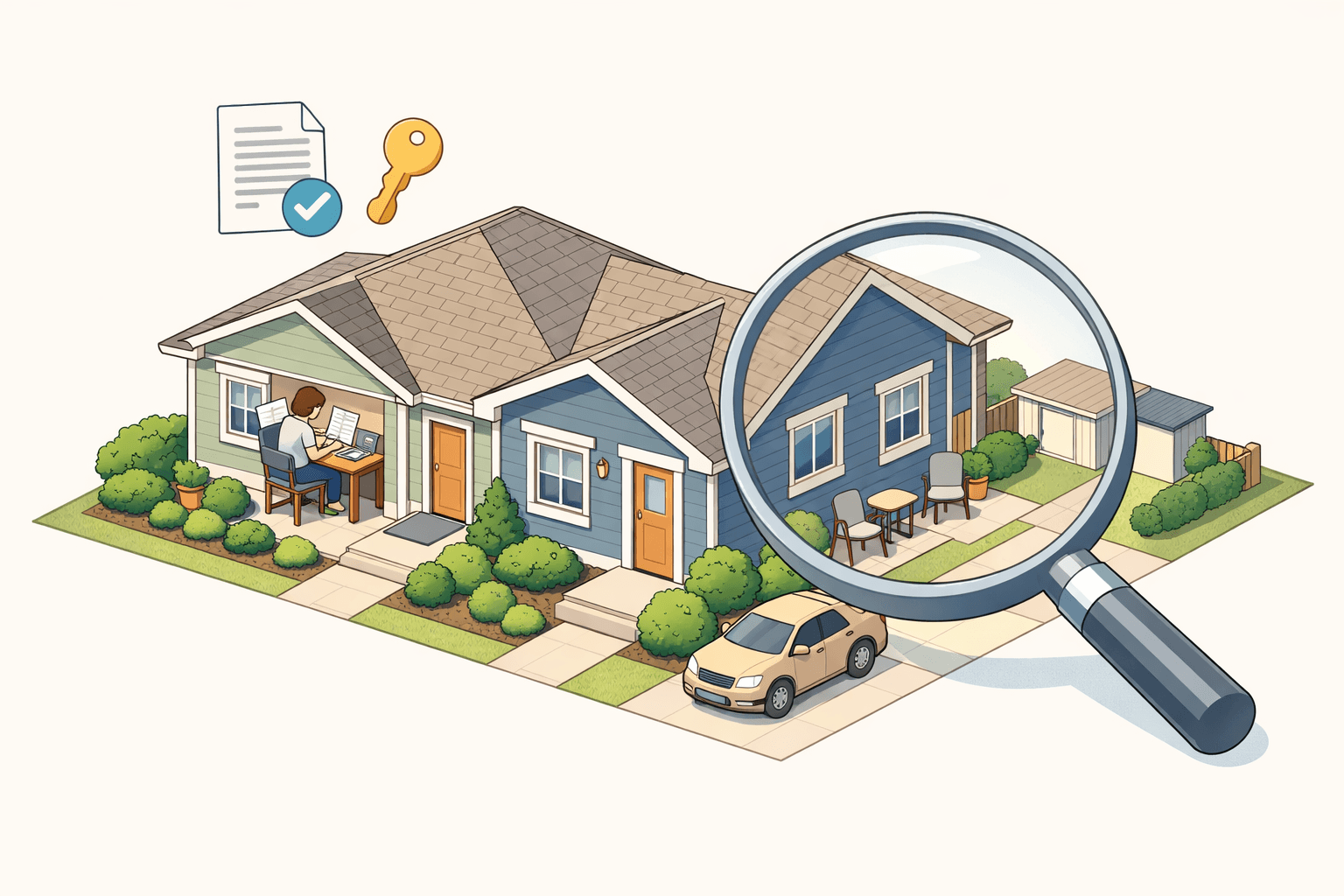
Homeowners with an attached duplex unit often sit on a significant amount of equity — but accessing that equity through a Home Equity Line of Credit (HELOC) can feel more complicated than expected. Lenders treat mixed-use and multi-unit properties differently than standard single-family homes, which means the rules don't always apply the same way. If you're a homeowner or real estate investor exploring your financing options, understanding HELOC requirements for a property with an attached duplex unit is a smart first step before you start the application process. This guide walks you through the key qualification factors, lender expectations, and practical strategies to help you move forward with confidence.
What Is a HELOC and How Does It Work on a Multi-Unit Property
A Home Equity Line of Credit, commonly known as a HELOC, is a revolving line of credit secured by the equity in your property. Think of it like a credit card backed by your home — you borrow what you need, repay it, and borrow again during the draw period, which typically lasts five to ten years. After that, the repayment period begins, and you pay back both principal and interest.
For properties with an attached duplex unit, the mechanics of a HELOC work similarly, but the qualification criteria may be more layered. Lenders need to assess the full value and nature of the property before determining how much credit they're willing to extend. The presence of a second living unit — whether it's rented out or used by a family member — directly influences how the lender classifies and evaluates your home.
Generally, lenders calculate your available equity by subtracting your existing mortgage balance from the current appraised value of the property. Most lenders allow homeowners to borrow up to a combined loan-to-value (CLTV) ratio of around 80% to 85%, though this can vary based on the lender and property type. With a duplex unit attached, that appraisal becomes especially important — and potentially more favorable — since the additional unit may contribute to a higher overall property value.
How Lenders Classify Properties With an Attached Duplex or In-Law Unit
One of the first things a lender will determine is how your property is classified. This step is critical because it shapes every other aspect of the HELOC qualification process. A home with an attached duplex unit could be categorized in several different ways depending on its physical structure, zoning, and the borrower's use of both units.
If you live in one unit and rent out the other, or if the duplex is attached to the main structure and shares utilities or a foundation, many lenders will treat the whole property as a two-unit residential property. This is distinct from a single-family home with an in-law suite, which some lenders may still classify as a single-family residence. The difference matters because HELOC requirements for multi-unit properties can be more stringent.
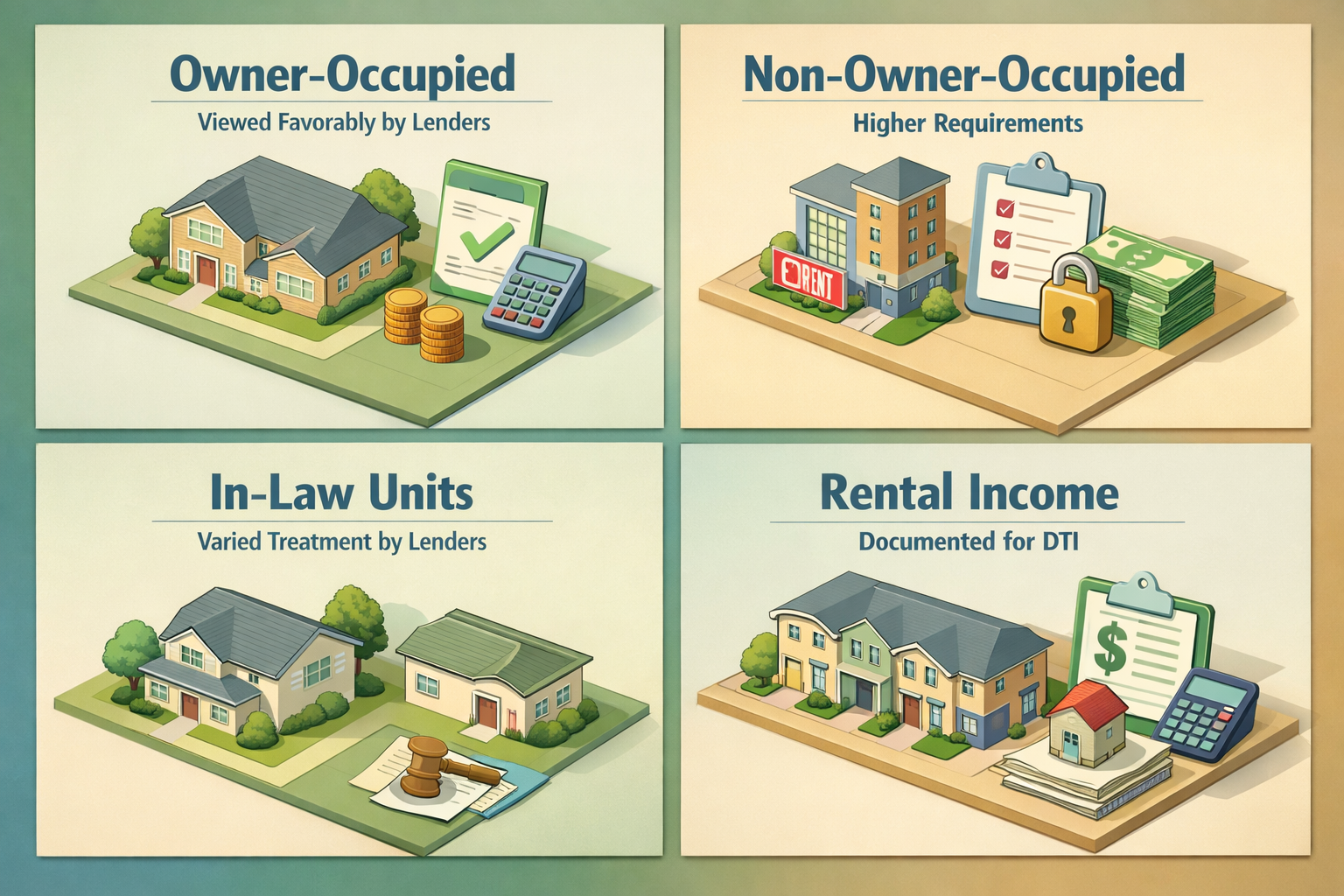
- Owner-occupied two-unit properties are generally viewed more favorably by lenders, as the borrower's residency reduces perceived risk.
- Non-owner-occupied duplexes — where you don't live in either unit — may face higher credit and equity requirements or may not qualify for a HELOC at all with certain lenders.
- In-law units or accessory dwelling units (ADUs) that are legally permitted and attached to the main structure may be treated differently depending on the lender's internal guidelines.
It's worth speaking directly with multiple lenders early in the process, because guidelines can vary considerably from one institution to another. What one lender considers a multi-unit property, another might classify differently based on local zoning or construction type.
HELOC Requirements for a Property With an In-Law Unit: Credit and Income Standards
Whether you're exploring HELOC requirements for a property with an in-law unit or a more formal attached duplex, your personal financial profile plays a major role in your eligibility. Lenders will evaluate several key factors before extending a line of credit.
Credit Score Expectations
Most lenders require a minimum credit score in the mid-to-high 600s for a standard HELOC, though scores of 700 or higher typically unlock better interest rates and terms. For properties with attached duplex units — which carry slightly more complexity — some lenders may set the bar a little higher. If your score needs improvement, paying down existing balances and addressing any derogatory marks before applying could make a meaningful difference.
Debt-to-Income Ratio
Your debt-to-income (DTI) ratio compares your monthly debt payments to your gross monthly income. Most lenders prefer a DTI at or below 43%, though some may allow slightly higher ratios for strong borrowers. Here's where a duplex can work in your favor: if you collect rental income from the attached unit, some lenders may allow you to count a portion of that income toward your qualifying income, which could lower your effective DTI. However, lenders typically want to see documented rental income — often supported by a lease agreement or tax returns — before counting it.
Stable Employment and Income Verification
Lenders generally want to see at least two years of stable employment history. Self-employed borrowers or those with variable income may need to provide additional documentation such as tax returns, profit-and-loss statements, or bank statements. If rental income from your duplex unit is a significant part of your income picture, be prepared to demonstrate its consistency and reliability.
Equity and Appraisal Considerations for Duplex Properties
Equity is the foundation of any HELOC. The more equity you have, the more you may be able to borrow — and the better your terms are likely to be. For properties with an attached duplex unit, the appraisal process can be somewhat more involved than with a single-family home.
Appraisers evaluating a duplex or multi-unit property often use a combination of comparable sales (similar multi-unit properties in your area) and an income approach that factors in rental potential. This can sometimes lead to a higher appraised value than a similar property without the second unit, which works in your favor when it comes to calculating your available home's equity.
That said, appraisal values also depend heavily on local market conditions, the physical condition of both units, and whether the duplex configuration is legal and permitted. An unpermitted addition — such as a converted garage or basement apartment — could complicate the appraisal and raise red flags for lenders. If your attached unit was added without proper permits, it may be worth consulting a local contractor or your municipality about retroactive permitting before applying for a HELOC.
- Confirm your duplex unit is legally permitted and up to local building codes.
- Request a pre-appraisal or broker price opinion to estimate your current property value before formally applying.
- Keep both units in good condition to support a strong appraised value.
Lender-Specific Guidelines and What to Watch For
Not all lenders offer HELOCs on properties with attached duplex units. Some institutions limit their HELOC products to single-family homes or condominiums, while others are comfortable lending on two-unit or multi-unit residential properties. Shopping around is not just recommended — it's essential.
Credit unions and community banks tend to be more flexible with non-standard property types compared to large national lenders. Portfolio lenders — those who keep loans on their own books rather than selling them on the secondary market — may also have more room to work with unique property configurations. When comparing lenders, pay close attention to the following:
- Maximum CLTV allowed: Some lenders cap this at 80% for multi-unit properties, while others may go higher for well-qualified borrowers.
- Occupancy requirements: Many lenders require that you live in one of the units as your primary residence to qualify for a HELOC.
- Rental income policies: Ask specifically how each lender handles income from the attached unit when calculating your DTI.
- Draw period and repayment terms: These can vary and will affect how much flexibility you have with the line of credit over time.
Getting pre-qualified with two or three lenders can help you compare terms side by side and identify which option best fits your financial situation and property type. Don't be discouraged if the first lender says no — another may have guidelines that are a better match for your property.
Practical Strategies to Strengthen Your HELOC Application
Preparation is everything when it comes to applying for a HELOC on a property with an attached duplex unit. A few proactive steps can significantly improve your chances of approval and help you secure more favorable terms.
Organize Your Documentation Early
Gather your most recent tax returns, W-2s or 1099s, pay stubs, mortgage statements, and any lease agreements for the duplex unit. Having these ready before you contact lenders shows that you're organized and serious, which can speed up the process considerably.
Improve Your Equity Position if Possible
If your current equity is close to the minimum threshold, making additional mortgage payments or waiting for market appreciation before applying could put you in a stronger position. Even a modest increase in your equity percentage can open up more lending options.
Address Credit Issues Proactively
Pull your credit report from all three bureaus and dispute any errors. Pay down revolving balances where possible, and avoid opening new credit accounts in the months leading up to your application. These steps can help nudge your score upward before a lender performs a hard inquiry.
Consult a Mortgage Professional
Working with an experienced mortgage broker or loan officer who is familiar with multi-unit properties can save you significant time and frustration. They can help you identify lenders who are likely to approve your specific property type and guide you through any documentation challenges related to the duplex unit.
●Conclusion
Navigating understanding HELOC requirements for a property with an attached duplex unit requires a bit more preparation than a standard home equity application — but it's absolutely achievable with the right knowledge and support. By understanding how lenders classify your property, what financial benchmarks they're looking for, and how to position your application effectively, you can tap into the equity your duplex property has built and use it to meet your financial goals. Whether you're looking to renovate, consolidate debt, or fund a new investment, a HELOC could be a powerful tool in your financing strategy. Reach out to a LoanWise lending specialist today to explore your options and get personalized guidance for your unique property situation.