
Starting a freelance mobile tailoring business is an exciting venture. You get to bring custom clothing alterations and fittings directly to clients — at their homes, offices, or events. But like many service-based businesses, mobile tailoring often runs on a seasonal rhythm. Demand may spike around prom season, wedding months, or the holidays, then quiet down in between. That uneven cash flow can make it tricky to cover startup costs, buy equipment, or stay afloat during slow periods. That's where financing comes in. Understanding the right startup loan options for a freelance mobile tailoring business with seasonal demand could be the difference between a thriving operation and one that struggles to get off the ground. In this article, we'll walk through the most practical funding paths available to entrepreneurs like you.
Why Financing Is Different for Seasonal Service Businesses
Most lenders evaluate borrowers based on consistent, predictable income. That works well for businesses with steady monthly revenue. But a freelance mobile tailor might earn the bulk of their income in just a few months of the year, leaving lenders uncertain about repayment capacity during off-peak periods.
This doesn't mean financing is out of reach — it just means you'll need to approach it strategically. Lenders who specialize in small business lending often understand seasonal business cycles better than traditional banks. When you're pitching your business, it helps to document your expected peak seasons, projected earnings, and how you plan to manage expenses during slower months. A well-prepared business plan can go a long way toward building lender confidence.
It's also worth noting that startup businesses face an added layer of scrutiny. Without an established revenue history, lenders rely more heavily on your personal credit score, industry experience, and the strength of your business plan. The good news is that several loan programs are specifically designed to support entrepreneurs at this early stage.
SBA Microloans: A Practical Starting Point for New Tailors
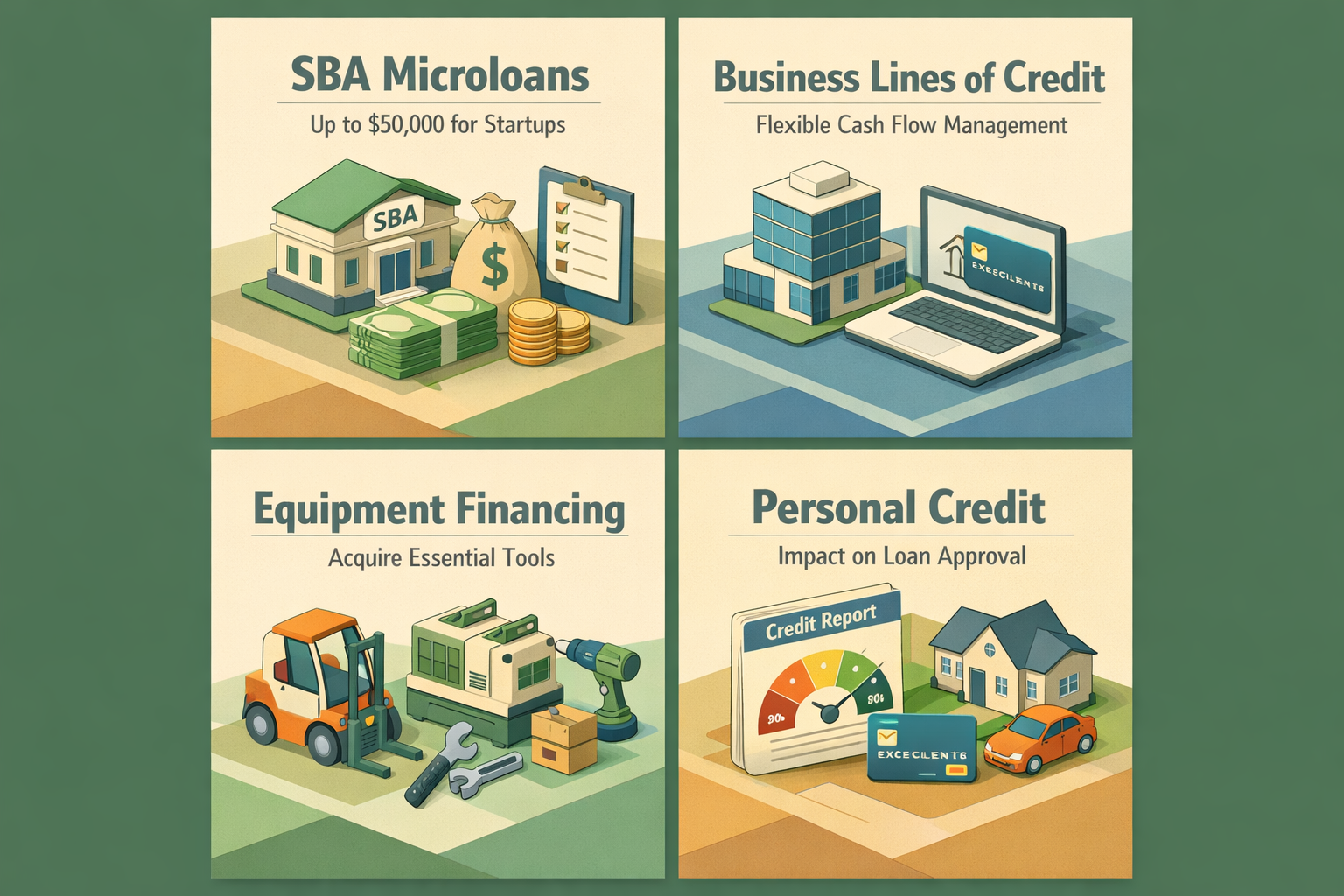
For many first-time small business owners, SBA Microloans are one of the most accessible startup loan options for a freelance mobile tailoring business with seasonal demand. Administered through the U.S. Small Business Administration and distributed by nonprofit intermediary lenders, SBA Microloans are designed specifically for startups and smaller businesses that may not qualify for conventional bank loans.
These loans typically offer up to $50,000, though many new borrowers start with smaller amounts. For a mobile tailor, this funding could cover a professional sewing machine, a reliable vehicle or fuel costs for travel, a portable pressing station, initial fabric inventory, and basic marketing materials or a website.
- Loan amounts: Up to $50,000, with average loans often significantly lower
- Use of funds: Working capital, supplies, equipment, and inventory
- Interest rates: Typically range from 8% to 13%, though rates may vary by lender
- Repayment terms: Generally up to six years
One useful feature of SBA Microloan programs is that many intermediary lenders also provide business training and technical assistance. That kind of mentorship can be especially valuable when you're navigating the early stages of a seasonal business model.
Business Lines of Credit: Flexibility for Seasonal Cash Flow
A business line of credit works differently from a traditional term loan. Instead of receiving a lump sum upfront, you're approved for a maximum credit limit and can draw funds as needed. You only pay interest on what you use, which makes it a highly flexible tool for managing the ups and downs of a seasonal operation.
For a mobile tailoring entrepreneur, a line of credit could help you stock up on materials before a busy wedding season, cover vehicle maintenance during a slow month, or bridge the gap between invoicing a client and receiving payment. It's a revolving form of financing, meaning once you repay what you've drawn, those funds become available again.
That said, qualifying for a business line of credit as a startup can be more challenging than for an established business. Lenders may look for at least some months of operating history and a decent personal credit score. If you're brand new, you might start with a smaller credit limit and build from there as your revenue history grows.
What to Look For in a Business Line of Credit
- Competitive interest rates and transparent fee structures
- Flexible draw and repayment schedules that align with seasonal income
- Reporting to business credit bureaus to help you build your business credit profile
- No or low prepayment penalties
Equipment Financing for Your Mobile Tailoring Setup
Your tools are your livelihood as a mobile tailor. High-quality sewing machines, sergers, portable steamers, and fitting equipment don't come cheap — but equipment financing could help you acquire what you need without draining your working capital.
With equipment loans, the equipment itself typically serves as collateral, which may make these loans easier to qualify for than unsecured options. Lenders are often more willing to extend credit when there's a tangible asset backing the loan. Repayment terms usually align with the expected useful life of the equipment.
This type of financing is particularly useful for a startup mobile tailoring business because it allows you to separate equipment costs from operating expenses. Rather than spending your startup capital on a single machine, you can finance the equipment and preserve cash reserves for day-to-day costs during those seasonal slow periods.
Keep in mind that interest rates and terms will vary depending on the lender, the age of the equipment, and your creditworthiness. It's worth comparing multiple lenders to find a structure that fits your cash flow patterns.
Personal Credit and Its Role in Early-Stage Business Borrowing
When you're just starting out, your personal credit history often carries significant weight with lenders. Most startup business loans — particularly SBA Microloans and equipment financing — will require a personal credit check. A stronger credit score generally translates to better loan terms, lower interest rates, and a higher likelihood of approval.
If your personal credit needs some work, it may be worth spending a few months addressing any outstanding issues before applying. This could include paying down existing debt, disputing errors on your credit report, and ensuring you're making all payments on time. Even modest improvements in your credit score could open up more favorable financing options.
Tips to Strengthen Your Credit Before Applying
- Check your credit report for errors and dispute any inaccuracies
- Keep credit card balances below 30% of your available limit
- Avoid opening multiple new credit accounts in a short period
- Make consistent, on-time payments across all existing accounts
It's also a good idea to begin establishing business credit as early as possible. Open a dedicated business bank account, apply for a business credit card, and ensure your vendors report payments to business credit bureaus. Over time, this creates a separate financial identity for your business that can support larger borrowing needs down the road.
Grants and Alternative Funding Worth Exploring
Loans aren't the only way to fund a startup mobile tailoring business. There are several alternative funding sources that entrepreneurs in creative and skilled trades industries might explore, though availability and eligibility can vary widely.
Small business grants are a popular option because they don't require repayment. Federal, state, and local government agencies, as well as private foundations, occasionally offer grants targeting small business startups, women entrepreneurs, minority-owned businesses, or businesses in specific industries. The application process can be competitive and time-consuming, but the payoff — free capital — makes it worth the effort.
Crowdfunding platforms allow you to raise small amounts of money from a large number of people, often in exchange for early access to services or other rewards. If your mobile tailoring concept resonates with a local community or niche audience, a crowdfunding campaign could generate both funding and early brand awareness.
Community Development Financial Institutions (CDFIs) are another resource. These mission-driven lenders often serve underserved communities and small business owners who may not qualify for conventional financing. They tend to offer more flexible underwriting criteria and may provide business coaching alongside their loan products.
Building a Loan-Ready Business Plan for a Seasonal Model
No matter which financing path you pursue, a well-crafted business plan is essential. For a seasonal business like mobile tailoring, your plan needs to clearly address how you'll generate revenue during peak periods and manage expenses when bookings slow down. Lenders want to see that you've thought through the full business cycle — not just the busy months.
Your business plan should include a description of your services and target market, a seasonal revenue forecast based on realistic assumptions, a breakdown of startup costs and ongoing operating expenses, a marketing strategy for attracting clients year-round, and a repayment plan that reflects your seasonal income patterns.
- Services and market: Describe what you offer, who your ideal clients are, and how you'll reach them
- Revenue projections: Use conservative estimates and clearly identify your peak and off-peak periods
- Cost breakdown: Account for vehicle costs, equipment maintenance, fabric, insurance, and marketing
- Cash flow management: Explain how you'll cover fixed expenses during slow seasons
Lenders appreciate transparency. If you acknowledge the seasonal nature of your business and demonstrate a clear strategy for managing it, you'll come across as a more credible and prepared borrower. This level of detail can also help you negotiate better terms, as it shows you understand your business inside and out.
●Conclusion
Launching a freelance mobile tailoring business takes more than skill with a needle and thread — it takes financial preparation and the right funding strategy. The good news is that the right startup loan options for a freelance mobile tailoring business with seasonal demand do exist, from SBA Microloans and equipment financing to business lines of credit and community-based lending programs. The key is matching the loan type to your specific needs and seasonal cash flow patterns. Start by reviewing your personal credit, building a detailed business plan, and exploring multiple lenders to compare terms. At LoanWise, we're here to help small business owners and entrepreneurs find financing solutions that fit their unique situations. Take the next step today — your mobile tailoring business deserves a strong financial foundation.