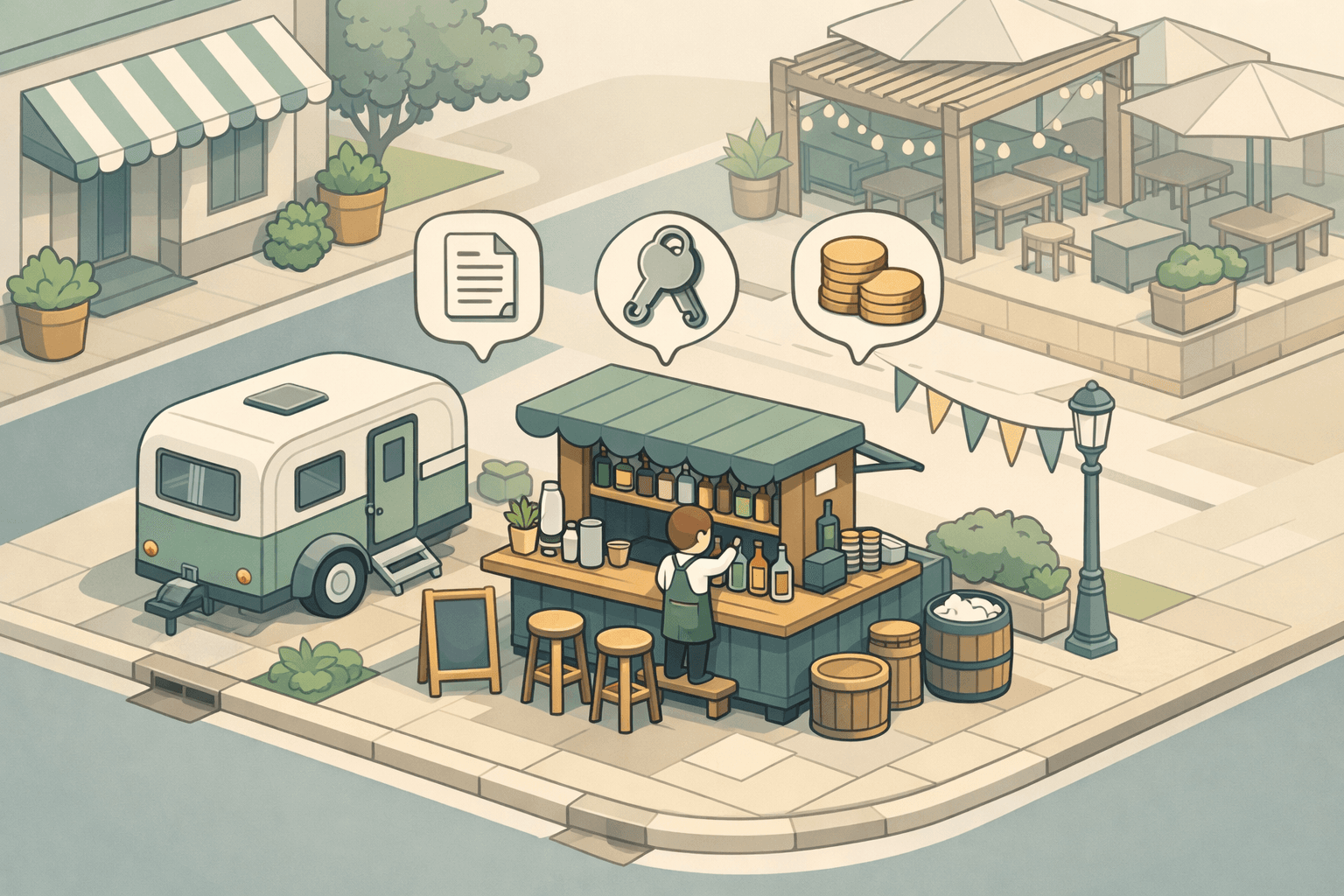
Launching a freelance mobile bartending business is an exciting venture — but it comes with a real upfront cost. From portable bar setups and refrigeration units to high-quality glassware, mixers, and transportation equipment, the gear required to run a professional mobile bar service can add up quickly. For many aspiring entrepreneurs, securing the right financing is the key first step toward turning a passion for craft cocktails into a thriving small business. Fortunately, there are several practical startup loan options for a freelance mobile bartender needing specialized equipment that can help you get the business off the ground without draining your personal savings. This guide breaks down your best choices, what lenders look for, and how to position yourself for approval.
Understanding the Real Cost of Mobile Bartending Equipment
Before exploring financing, it helps to have a clear picture of what you're actually paying for. A professional mobile bartending setup typically involves more than just bottles and shakers. Entrepreneurs in this space often need to budget for a portable bar unit or custom-built bar cart, a reliable vehicle or trailer for transport, commercial-grade refrigeration and ice systems, point-of-sale technology, liquor liability insurance, and licensing fees depending on the state or municipality.
Depending on the scale of your operation, startup costs could range from a few thousand dollars to well over twenty thousand dollars. That's a meaningful investment — and it's exactly why understanding your startup loans mobile bartender equipment options matters so much from day one. Going in with a detailed budget and equipment list will also strengthen any loan application you submit, because lenders generally want to see that you understand your costs and have a realistic plan for repayment.
- Portable bar units: Custom or prefabricated setups vary widely in price and quality.
- Vehicle or trailer: A branded, well-maintained transport vehicle adds professionalism and may qualify for asset-based financing.
- Refrigeration and supplies: Commercial coolers and draft systems may be leased or financed separately.
- Licenses and permits: These vary by location and may not be covered by all loan types.
SBA Microloans: A Strong Starting Point for New Freelancers
The U.S. Small Business Administration's Microloan Program is often one of the most accessible paths for new entrepreneurs who don't yet have an established business credit history. SBA Microloans are administered through nonprofit community lenders and can provide up to $50,000 in funding — though the average loan tends to be considerably smaller. For a freelance mobile bartender, even a modest microloan could cover the cost of a core equipment package and help you begin building a track record as a borrower.
One of the standout advantages of SBA Microloans is that they're designed specifically for startups and early-stage small businesses. Lenders in this program often take a more holistic view of your application, considering your character, business plan, and community impact — not just your credit score. That said, you'll typically still need to demonstrate some personal financial stability and provide a clear breakdown of how the funds will be used.
Interest rates on SBA Microloans may be lower than many alternative lenders, which could reduce your overall repayment burden. If you're just starting out and need a manageable entry point into business borrowing, this program is worth researching early in your planning process.
Equipment Financing: Matching the Loan to the Asset
Equipment financing is a lending structure specifically built for situations like yours. With this type of loan, the equipment you purchase serves as collateral for the loan itself. That means lenders may be more willing to work with newer businesses because the asset reduces their risk. For a freelance mobile bartender, this could apply to a portable bar unit, a branded trailer, commercial refrigeration, or other high-value gear.
Because the loan is tied directly to the asset, approval requirements can sometimes be more flexible than traditional term loans. Lenders are primarily interested in the value and useful life of the equipment, along with your ability to generate enough revenue to cover monthly payments. Equipment loans typically come with fixed repayment terms aligned with the expected lifespan of the asset, which makes budgeting more predictable.
Equipment leasing is another option worth considering if you'd prefer lower monthly payments and the flexibility to upgrade your setup over time. Leasing doesn't build ownership equity, but it may free up capital for other startup expenses like marketing, licensing, or staffing for larger events. Comparing lease versus loan structures carefully — ideally with a financial advisor or lender — can help you choose the right fit for your cash flow situation.
SBA 7(a) Loans for Small Business Startups With Bigger Ambitions
If your vision for your mobile bartending business goes beyond solo gigs — perhaps you're planning to hire staff, purchase a vehicle fleet, or serve corporate events and weddings at scale — the SBA 7(a) loan program may be worth exploring. This is the SBA's flagship lending program and can provide significantly larger loan amounts than microloans, potentially up to several million dollars depending on the lender and use of funds.
SBA 7(a) loans are distributed through approved private lenders, such as banks and credit unions, with a portion of the loan guaranteed by the SBA. That government backing helps lenders take on clients who might not qualify for conventional business loans alone. For a startup mobile bartender, qualifying for a 7(a) loan may require a more detailed business plan, demonstrated industry experience, and some form of collateral.
The application process can be more involved than other loan types, but the potential benefits — including competitive interest rates and longer repayment terms — may make it worthwhile if you're planning for meaningful growth. It's also worth noting that 7(a) loans can often be used for working capital, not just equipment, giving you broader financial flexibility as you build your client base.
Personal Loans and Business Credit Cards as Supplemental Tools
For freelancers who are early in their journey and haven't yet established a formal business entity, personal loans and business credit cards can serve as accessible bridge financing. A personal loan from a bank, credit union, or online lender might help cover initial equipment costs if your personal credit score is strong and your debt-to-income ratio is manageable.
Personal loans typically don't require collateral and can be funded relatively quickly — sometimes within a few business days. The tradeoff is that interest rates on unsecured personal loans may be higher than dedicated business financing, especially if you don't have excellent credit. Still, for smaller equipment purchases or to fill a gap between other funding sources, they can be a practical option.
Business credit cards, meanwhile, can be useful for ongoing operating expenses — things like restocking supplies, paying for event permits, or covering fuel costs for your vehicle. Some business credit cards offer rewards on categories relevant to service businesses, and responsible use can help you build a business credit profile over time. However, relying on credit cards for large equipment purchases is generally not advisable given the typically higher interest rates compared to installment loans.
How to Strengthen Your Loan Application Before You Apply
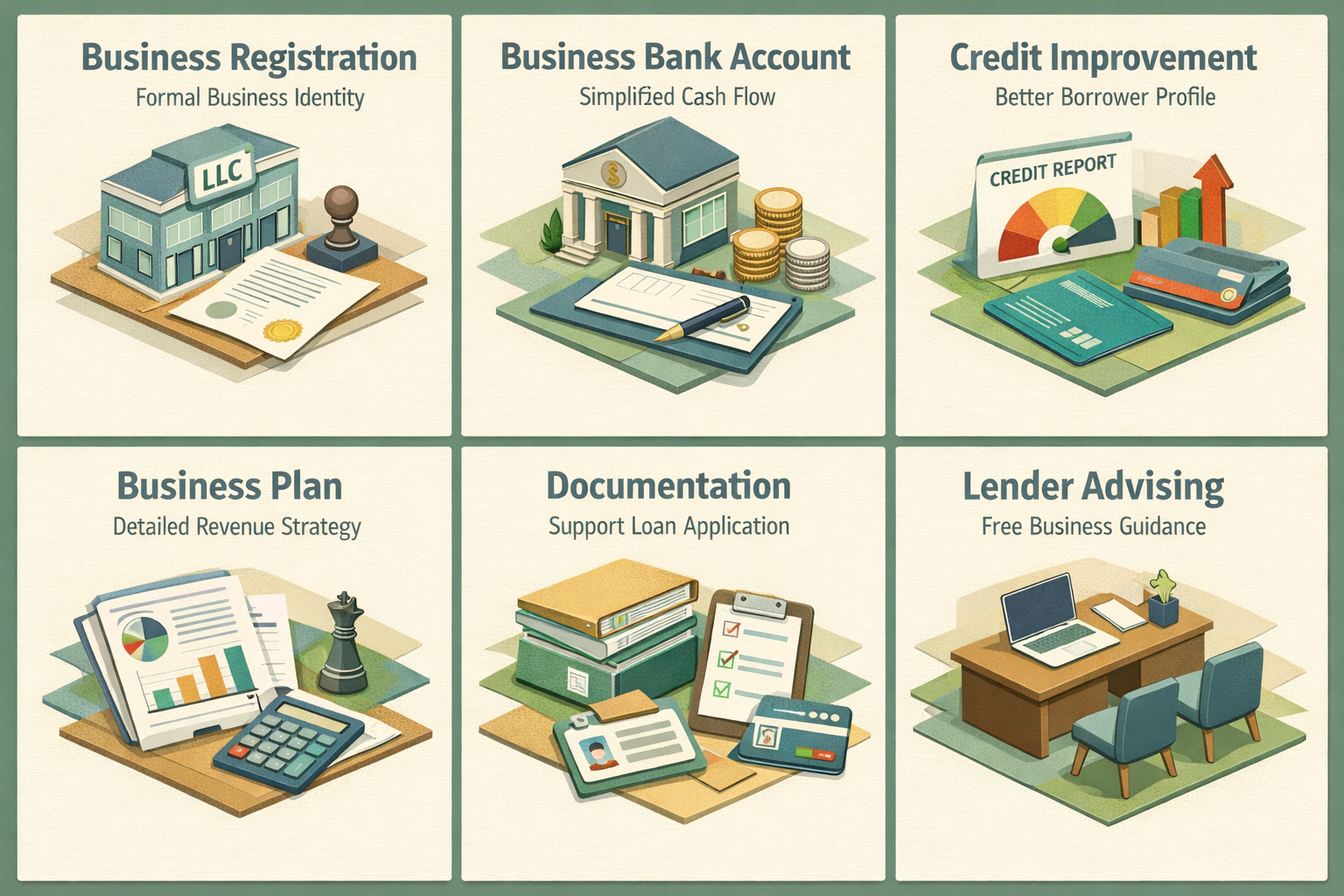
Lenders evaluating startup loan options for a freelance mobile bartender needing specialized equipment will want to see evidence that you're a credible borrower with a viable business plan. Here are some practical steps you can take before submitting any application:
- Register your business formally: Establishing an LLC or sole proprietorship gives your business a legal identity and may be required by some lenders.
- Open a dedicated business bank account: Keeping business finances separate from personal finances demonstrates organizational discipline and simplifies cash flow tracking.
- Build or improve your credit: Both personal and business credit scores matter to most lenders. Paying down existing debt and avoiding late payments can help improve your profile over time.
- Create a detailed business plan: Include your target market, pricing strategy, projected revenue, and a clear breakdown of how loan funds will be used.
- Gather documentation early: Tax returns, bank statements, any existing contracts or event bookings, and proof of relevant certifications or licenses can all support your application.
Taking these steps before approaching lenders may meaningfully improve your chances of approval and could result in better loan terms. Many community lenders and SBA intermediaries also offer free or low-cost business advising through programs like SCORE, which can be invaluable for first-time borrowers.
●Conclusion
Starting a freelance mobile bartending business is a bold and entrepreneurial move — and the right financing can make all the difference between a slow, frustrating launch and a confident, well-equipped debut. Whether you pursue an SBA Microloan for its startup-friendly structure, equipment financing for its asset-backed flexibility, or an SBA 7(a) loan for broader growth capital, there are real and accessible paths available to you. The key is to approach the process with preparation: know your costs, build your documentation, and choose the loan type that aligns with your current stage and future ambitions. At LoanWise, we're here to help small business owners and entrepreneurs navigate their financing options with clarity and confidence. Explore your options today and take the first step toward building the mobile bar business you've envisioned.