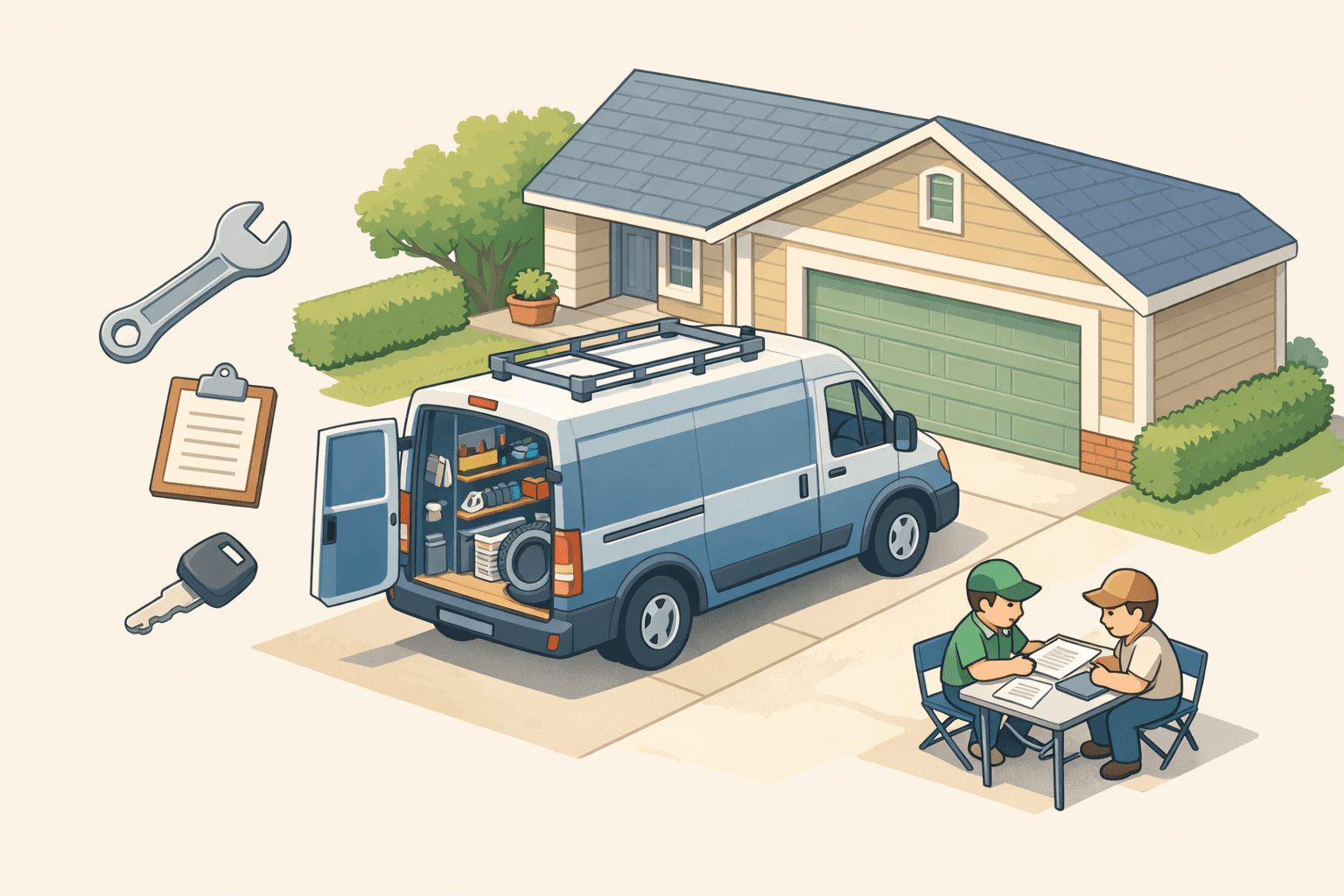
Starting a freelance mobile mechanic business can be an exciting and financially rewarding venture. You get to set your own schedule, build direct relationships with clients, and skip the overhead of a traditional auto repair shop. But like any business, getting started costs money — and that's where understanding your startup loan options for a freelance mobile mechanic business becomes essential. From buying a reliable service vehicle to stocking up on diagnostic tools, the upfront investment can feel overwhelming. The good news is that there are several financing paths worth exploring, and many lenders today are open to working with motivated entrepreneurs in the trades and service industries.
What Does It Cost to Launch a Mobile Mechanic Business?
Before diving into loan options, it helps to understand what you're likely to spend. A freelance mobile mechanic typically needs a well-equipped vehicle, a set of professional-grade tools, liability insurance, and some form of digital presence like a website or booking software. Depending on the quality of your equipment and whether you're buying a used or new service van, startup costs could range quite a bit.
Common startup expenses may include:
- Service vehicle: A dependable van or truck is the backbone of your operation. Used commercial vehicles might cost several thousand dollars, while newer models could run significantly higher.
- Diagnostic tools and equipment: OBD scanners, lifts, air compressors, and hand tools can add up quickly. A comprehensive professional toolkit may cost anywhere from a few hundred to several thousand dollars.
- Business licensing and insurance: Most states require a business license, and liability insurance is strongly recommended — if not legally required — in many jurisdictions.
- Marketing and software: Building a client base takes investment in advertising, a basic website, and possibly scheduling or invoicing software.
Having a clear picture of these costs helps you determine how much financing you may actually need, which in turn shapes which loan products are most suitable for your situation.
SBA Microloans: A Practical Starting Point for New Entrepreneurs
One of the most accessible financing options for brand-new business owners is the SBA Microloan program. Administered through the U.S. Small Business Administration and distributed by nonprofit intermediary lenders, SBA Microloans offer amounts up to $50,000 — though the average loan is often considerably smaller. These loans are specifically designed to support startups and early-stage businesses that may not yet qualify for conventional bank financing.
For a freelance mobile mechanic just starting out, an SBA Microloan could potentially cover the cost of tools, initial marketing, or even a portion of a vehicle purchase. Interest rates and terms vary by lender, but they tend to be more favorable than many alternative lending products. Repayment terms can extend up to six years, giving new business owners breathing room while they build their client base.
One thing to keep in mind is that many SBA Microloan intermediaries also provide business counseling and technical assistance. If you're new to entrepreneurship, this added support can be just as valuable as the funding itself. The application process may require a basic business plan and some documentation of your intended use of funds, so it's worth preparing those materials in advance.
SBA 7(a) Loans for Small Business Owners Who Need More Capital
If your startup needs exceed what a microloan can cover — perhaps you're buying a newer vehicle and a full suite of professional equipment — the SBA 7(a) loan program might be worth exploring. This is the SBA's most popular loan product, and it can provide financing for a wide range of business purposes including working capital, equipment purchases, and even vehicle acquisition.
SBA 7(a) loans are issued by participating banks and credit unions with a partial guarantee from the federal government, which reduces the lender's risk and can make approval more accessible for borrowers who might not qualify for a traditional commercial loan. Loan amounts can go up to $5 million, though for a startup mobile mechanic business, you'd likely be looking at a much smaller portion of that ceiling.
That said, qualifying for an SBA 7(a) loan as a brand-new business can be challenging. Lenders typically look at your personal credit score, your business plan, any relevant industry experience, and your ability to repay the loan. Solid mechanical credentials, certifications, and a well-prepared business plan demonstrating realistic revenue projections could strengthen your application considerably.
Equipment Financing: Targeted Funding for Tools and Vehicles
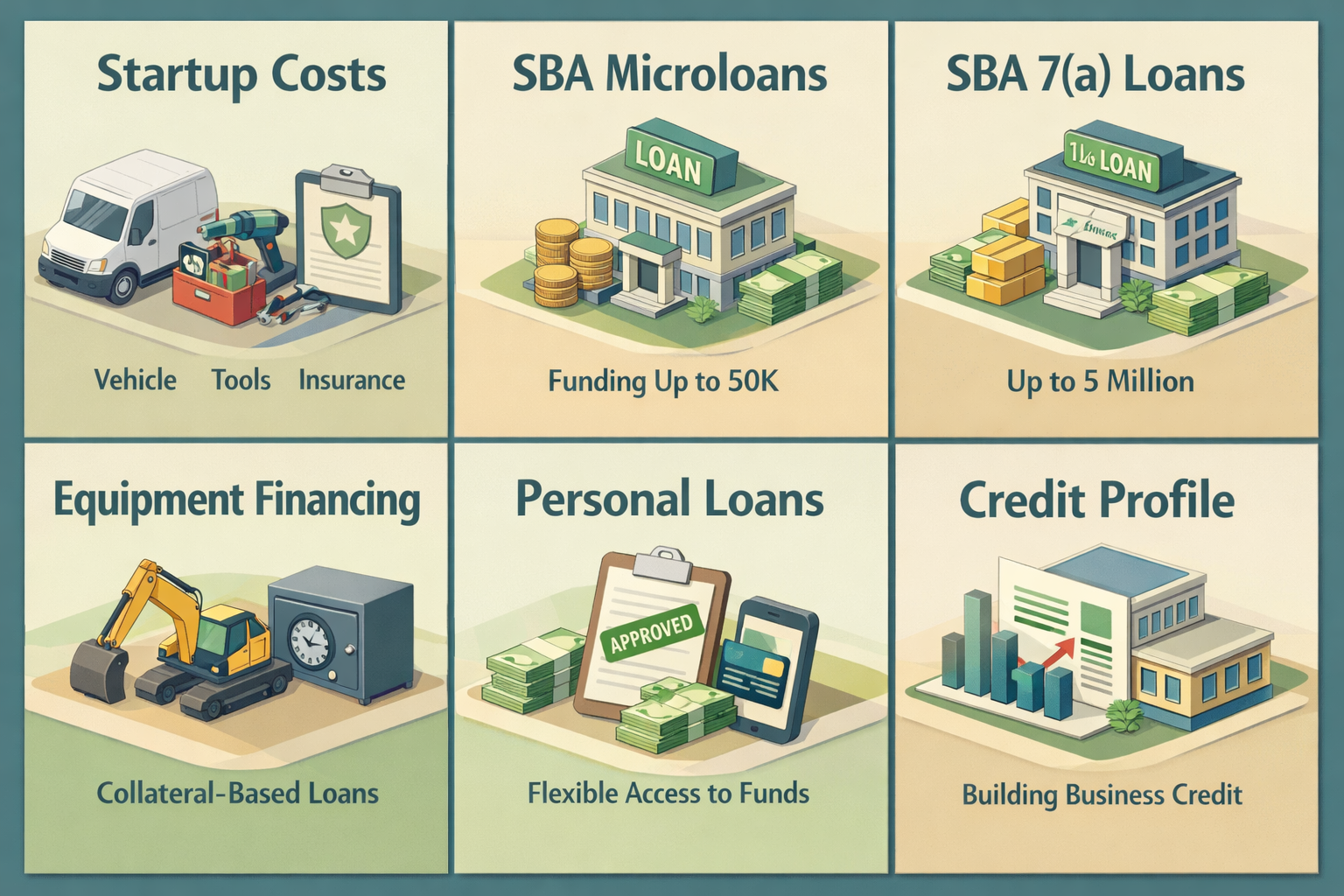
One of the most straightforward startup loan options for a freelance mobile mechanic business is equipment financing. This type of loan is specifically designed to help business owners purchase the machinery, vehicles, or tools they need to operate. Because the equipment itself typically serves as collateral, lenders may be more willing to extend financing to newer businesses with limited operating history.
For a mobile mechanic, this could mean financing a service van, a set of diagnostic tools, or even a portable lift. Equipment loans are often structured with fixed monthly payments over a set term, making them easier to budget around. In many cases, you may be able to finance a significant percentage of the equipment's value — though a down payment is often still required.
It's worth noting that the loan term is usually tied to the useful life of the equipment, so longer-lasting assets like vehicles may qualify for longer repayment periods. This can help keep your monthly payment more manageable during the early stages of building your business. If you're shopping for equipment financing, comparing offers from multiple lenders — including online lenders, credit unions, and equipment-specific financing companies — could help you find terms that work best for your situation.
Personal Loans and Credit Lines: Flexible but Worth Careful Consideration
When a new business doesn't yet have an established credit profile, some entrepreneurs turn to personal loans or personal lines of credit to cover early operating costs. These products are based on your personal creditworthiness rather than business financials, which can make them more accessible at launch. If you have a strong personal credit score and a reasonable income history, a personal loan could potentially fund initial equipment purchases or licensing fees.
However, using personal credit for business purposes does come with risks. Your personal financial health becomes directly tied to your business performance, and if the business runs into trouble, your personal credit could be affected. It's generally advisable to transition to business credit products as soon as your business is established enough to qualify.
A personal line of credit, on the other hand, offers revolving access to funds — meaning you can borrow, repay, and borrow again up to a set limit. This flexibility can be useful for managing the unpredictable cash flow that's common in the early months of a freelance operation. Just be mindful of interest rates, which can vary widely depending on your credit profile and the lender.
Building Your Credit Profile as a New Business Owner
Whether you're applying for a startup loan options mobile mechanic lenders will evaluate or simply trying to position yourself for better financing down the road, building a strong credit profile is one of the smartest things you can do. For many lenders, your personal credit score is the primary indicator of how you manage financial obligations — especially when your business is brand new and lacks its own track record.
Here are a few steps that may help you strengthen your creditworthiness before applying for financing:
- Check your credit report: Review your personal credit report for errors and dispute any inaccuracies. Even small discrepancies can affect your score.
- Reduce existing debt: Lowering your credit utilization ratio — the amount of credit you're using relative to your total available credit — may improve your score over time.
- Open a business bank account: Separating your personal and business finances signals professionalism and makes it easier to track business income and expenses.
- Apply for a business credit card: Using and responsibly repaying a small business credit card can begin building your business credit profile from day one.
- Establish vendor accounts: Some auto parts suppliers and wholesale vendors report payment history to business credit bureaus, helping you build business credit through your regular purchasing activity.
Taking these steps early — even before you need financing — can open more doors and potentially help you qualify for better rates when you do apply.
Preparing a Strong Loan Application as a Freelance Mechanic
Lenders want to feel confident that you'll repay what you borrow. As a new freelance business owner, you may not have years of tax returns or business financials to present — and that's okay. What you can do is put together a thoughtful and organized application package that demonstrates your readiness and commitment.
A well-prepared loan application for a startup mobile mechanic business might include:
- A clear business plan: Outline your services, target market, pricing strategy, projected revenue, and startup cost breakdown. Even a simple but realistic plan can go a long way with lenders.
- Proof of relevant experience or certifications: ASE certifications, vocational training, or years of working as a mechanic under someone else can demonstrate your industry expertise and reduce perceived lender risk.
- Personal financial documents: Tax returns, bank statements, and a list of personal assets and liabilities may all be requested.
- Quotes for equipment and vehicles: Providing actual vendor quotes shows lenders exactly how funds will be used and signals that you've done your homework.
- References or letters of intent: If you already have potential clients lined up or a former employer willing to vouch for your skills, these can support your application.
Approaching the process with organization and transparency can make a meaningful difference in how lenders perceive your application — especially when your business is just getting off the ground.
●Conclusion
Exploring startup loan options for a freelance mobile mechanic business doesn't have to feel overwhelming. From SBA Microloans and equipment financing to personal credit products and business-building strategies, there are several paths that may help you get your mobile operation up and running. The key is to start with a clear understanding of your costs, build your credit profile proactively, and approach lenders with a well-prepared application. At LoanWise, we're here to help entrepreneurs like you navigate the lending landscape with confidence. Whether you're just beginning your research or ready to apply, connect with a lending specialist today to explore the options that may fit your goals.