
Real estate investors face unique challenges when it comes to managing multiple mortgage payments across their portfolios. While traditional homeowner advice focuses on paying off a single property faster, investors need sophisticated mortgage prepayment strategies that align with their cash flow goals and tax optimization objectives. Understanding how to strategically approach extra mortgage payments can significantly impact your investment returns, especially when dealing with DSCR loans, fix and flip financing, and rental property mortgages.
Understanding Mortgage Prepayment Penalty Considerations
Q: How do prepayment penalties affect my real estate investment strategy?
Prepayment penalties can significantly impact your ability to execute mortgage prepayment strategies effectively. Many DSCR loans and investment property mortgages include prepayment penalty clauses that typically last for the first few years of the loan term. These penalties might range from 1-3% of the outstanding loan balance or represent several months of interest payments. Before implementing any prepayment strategy, investors should carefully review their loan documents to understand the specific penalty structure and calculate whether the long-term interest savings outweigh the immediate penalty costs.
Benefits of Paying Extra on Mortgage for Investors
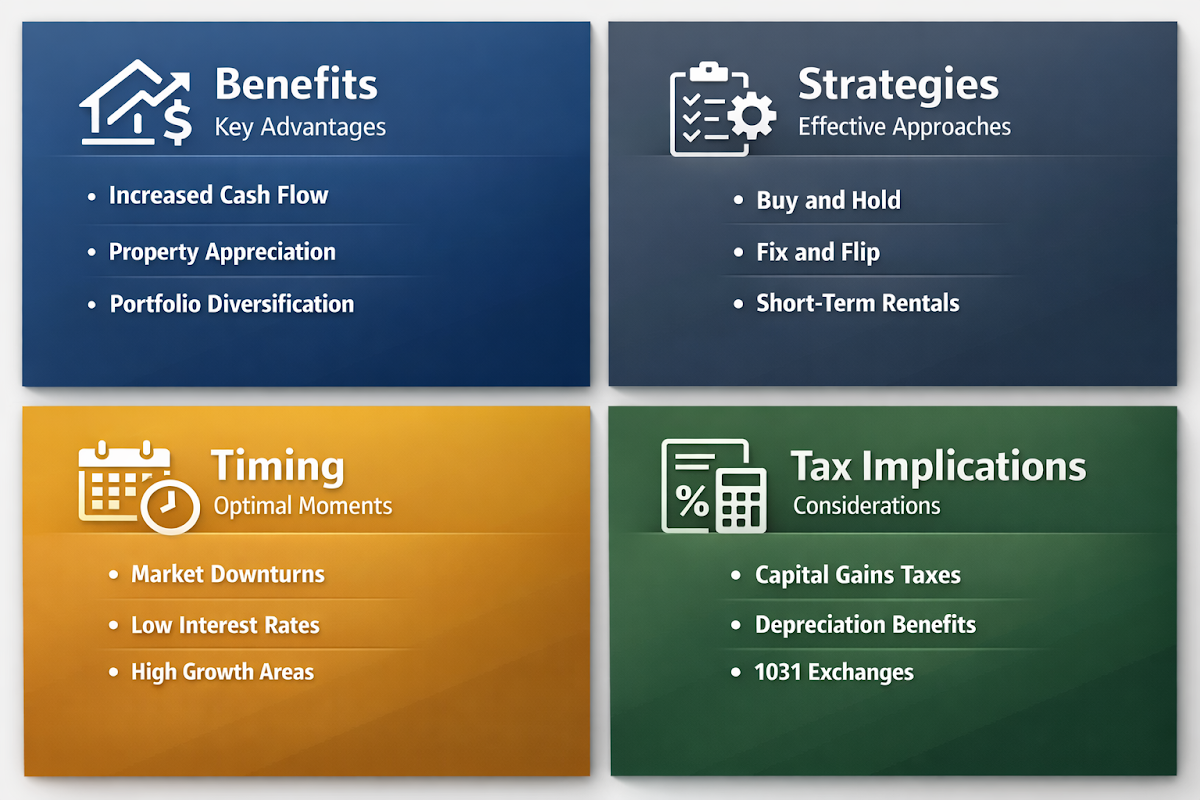
The benefits of paying extra on mortgage payments extend beyond simple interest savings for real estate investors. Strategic prepayment can enhance your investment portfolio's performance in several key ways.
- Accelerated equity building in high-appreciation markets allows for faster cash-out refinancing opportunities
- Improved debt-to-income ratios that may qualify you for better terms on future investment property loans
- Enhanced cash flow once properties are paid off, creating passive income streams for portfolio expansion
- Reduced overall portfolio risk by decreasing leverage across multiple properties
How to Make Extra Mortgage Payments Strategically
Knowing how to make extra mortgage payments requires careful consideration of your overall investment strategy and cash flow patterns. Different approaches work better for various property types and investment goals.
- Principal-only payments applied monthly can reduce total interest costs while maintaining consistent cash flow management
- Quarterly lump sum payments using seasonal rental income or property sale proceeds maximize impact timing
- Biweekly payment schedules effectively create 13 monthly payments per year without straining monthly budgets
- Targeted payments toward highest-rate loans first optimize overall portfolio interest reduction
Mortgage Amortization Schedule Impact on Portfolio Planning
Understanding mortgage amortization schedule impact helps investors make informed decisions about when and how much to prepay. The amortization schedule reveals how much of each payment goes toward principal versus interest over time.
- Early loan years see minimal principal reduction, making prepayment more impactful for long-term interest savings
- Mid-term loans may benefit from strategic prepayment to accelerate the principal paydown phase
- Properties nearing payoff might be better candidates for refinancing rather than prepayment strategies
Optimal Prepayment Timing for Different Loan Types
Different mortgage products require tailored prepayment approaches based on their unique characteristics and market conditions. Current market trends suggest refinancing opportunities may become more attractive in 2026.
- DSCR loans with declining interest rates might benefit from refinancing rather than prepayment to capitalize on improved terms
- Fix and flip loans typically have shorter terms where prepayment strategies focus on project completion acceleration
- Bridge loans often include prepayment flexibility that allows early payoff without penalties once permanent financing is secured
- Conventional investment property mortgages may offer the most predictable prepayment benefits over extended holding periods
Tax Implications of Mortgage Prepayment Strategies
Real estate investors must consider the tax implications of mortgage prepayment strategies since mortgage interest represents a significant tax deduction. Reducing this deduction through prepayment might affect your overall tax strategy.
- Calculate the after-tax cost of mortgage interest by considering your marginal tax rate and depreciation benefits
- Compare the guaranteed savings from prepayment against potential returns from investing excess cash in new properties
- Consider timing prepayments to optimize tax benefits across multiple tax years
- Evaluate how reduced mortgage interest deductions might affect your ability to offset rental income
- Consult with tax professionals to understand how prepayment strategies align with your overall tax planning objectives
●Conclusion
Implementing effective mortgage prepayment strategies requires balancing multiple factors including current interest rates, tax implications, and portfolio growth opportunities. While paying extra on mortgage payments can provide guaranteed returns through interest savings, investors should carefully evaluate whether these funds might generate higher returns through new property acquisitions or other investment opportunities. The key is developing a systematic approach that aligns with your long-term investment goals while maintaining sufficient liquidity for new opportunities. As market conditions continue to evolve in 2026, particularly with potential refinancing opportunities, successful investors will adapt their prepayment strategies to optimize their overall portfolio performance.