
Smart Inventory Financing for Investors
Real estate investors often face unique cash flow challenges when managing property inventories, renovation supplies, or seasonal equipment needs. A business loan for inventory can provide the financial flexibility needed to optimize investment strategies without depleting working capital. Whether you're scaling a fix and flip operation or managing multiple rental properties, understanding your inventory financing options becomes crucial for maintaining competitive advantages in today's evolving market.
The landscape of investor financing continues to shift, particularly with DSCR loans experiencing notable changes in 2026. Interest rates for these specialized loan products have seen decreases from previous years, creating new opportunities for strategic investors. This environment makes it an ideal time to explore how inventory financing might complement your existing mortgage portfolio and enhance your overall investment strategy.
Essential Inventory Financing Options for Property Investors
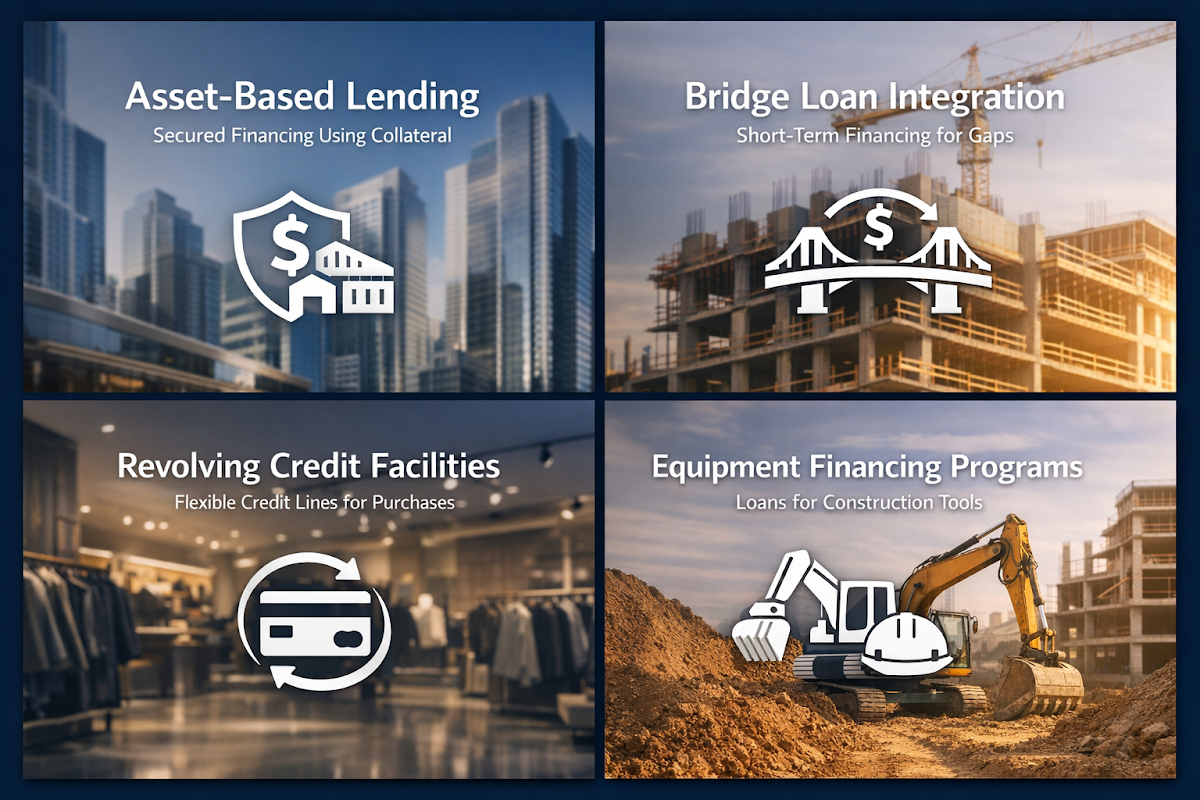
Essential inventory financing options for property investors provide the foundation for maintaining consistent cash flow across multiple projects. Real estate investors typically need flexible financing solutions that align with their unique operational cycles and property acquisition timelines.
- Asset-based lending: Secured financing that uses your existing property portfolio or inventory as collateral, often providing competitive rates for established investors
- Bridge loan integration: Short-term financing that may bridge gaps between property acquisitions and inventory needs during renovation phases
- Revolving credit facilities: Flexible credit lines that allow investors to draw funds as needed for inventory purchases and repay when cash flow improves
- Equipment financing programs: Specialized loans for construction equipment, tools, and machinery that support fix and flip operations
Seasonal Inventory Financing Strategies
Seasonal inventory financing strategies help investors navigate the cyclical nature of real estate markets and construction demands. Many property investors find their cash flow fluctuates significantly based on market conditions, weather patterns, and seasonal buying trends.
- Pre-season funding: Securing financing before peak renovation seasons to lock in materials at lower costs and ensure project continuity
- Flexible repayment terms: Structuring loan agreements that align with property sale cycles and rental income patterns
- Multi-project coordination: Using inventory financing to manage supplies across multiple properties simultaneously during optimal market windows
- Weather-dependent planning: Building financing buffers for projects that might face seasonal delays or extended timelines
Interest Rates and Cost Considerations
Interest rates and cost considerations for inventory financing typically vary based on loan type, investor qualifications, and current market conditions. The recent environment has shown some favorable trends for real estate investors, particularly with DSCR loan rates experiencing decreases from previous years.
- Rate comparison factors: Inventory loan interest rates often depend on collateral type, loan duration, and the investor's credit profile and experience
- Hidden cost awareness: Understanding potential fees, prepayment penalties, and closing costs that might affect your overall financing strategy
- DSCR integration benefits: Leveraging improved DSCR loan conditions might provide better overall financing packages when combined with inventory needs
- Variable versus fixed options: Evaluating whether variable or fixed-rate structures align better with your investment timeline and market expectations
Qualification Requirements and Application Process
Qualification requirements and application processes for inventory financing often mirror those used for investment property loans but with additional considerations for business operations. Understanding these requirements helps streamline your financing approach and improves approval chances.
- Credit score expectations: Most lenders require credit scores that align with commercial lending standards, though requirements may vary by loan type
- Cash flow documentation: Providing clear records of rental income, project revenues, and business cash flow patterns
- Inventory valuation methods: Working with lenders to establish appropriate valuation procedures for materials, equipment, or supplies
- Experience verification: Demonstrating successful property investment history and operational expertise in your chosen market segments
Strategic Implementation Steps for Inventory Financing
Strategic implementation steps for inventory financing require careful planning and coordination with your existing investment strategy. Successful implementation often determines whether financing enhances or complicates your operational efficiency.
- Assess current cash flow patterns: Analyze your typical project cycles, seasonal variations, and cash flow gaps to determine optimal financing amounts and timing
- Evaluate existing credit facilities: Review how inventory financing might complement or conflict with current DSCR loans, bridge financing, or other investment credit lines
- Establish inventory management systems: Develop tracking procedures for purchased materials, equipment utilization, and project cost allocation to maintain lender compliance
- Create repayment strategies: Plan specific repayment approaches that align with property sale timelines, rental income schedules, or refinancing opportunities
Integration with Investment Property Financing
Integration with investment property financing creates opportunities for comprehensive financing strategies that support both property acquisition and operational needs. This approach may help investors optimize their overall cost of capital while maintaining adequate liquidity.
- DSCR loan coordination: Timing inventory financing applications to complement DSCR loan applications or refinancing activities, potentially leveraging improved market conditions
- Cross-collateralization opportunities: Exploring whether existing properties can secure inventory financing, potentially reducing interest costs and simplifying lending relationships
- Portfolio-based approaches: Working with lenders who understand real estate investment operations and can provide integrated financing solutions across multiple needs
- Refinancing strategies: Planning how inventory financing fits into long-term refinancing goals, particularly as market conditions continue evolving through 2026
●Conclusion
A business loan for inventory represents just one component of a comprehensive real estate investment financing strategy. As market conditions continue evolving, particularly with the changing DSCR loan landscape in 2026, investors who understand their complete range of financing options typically maintain stronger competitive positions.
The key lies in matching your specific operational needs with appropriate financing structures while maintaining the flexibility to adapt as opportunities arise. Whether you're managing seasonal cash flow variations, scaling fix and flip operations, or optimizing rental property maintenance, inventory financing might provide the working capital bridge that keeps your investments moving forward.
Success in real estate investment financing often comes from understanding how different loan products work together rather than viewing them as separate solutions. By staying informed about changing market conditions and maintaining relationships with experienced lenders, you can position yourself to take advantage of favorable financing opportunities as they emerge.