
SBA Microloans for Real Estate Investors
Real estate investors often face challenges securing traditional financing, especially when starting new ventures or expanding their portfolios with smaller properties. SBA Microloans present an alternative funding source that might help bridge the gap between personal savings and conventional mortgage products. These government-backed loans typically offer amounts up to $50,000, making them potentially suitable for certain real estate investment strategies.
While SBA Microloans aren't designed specifically for property acquisition, they could support various aspects of a real estate investment business. Understanding the microloan application process and eligibility requirements can help investors determine whether this funding option aligns with their investment goals and business structure.
Smart Approaches to SBA Microloans
Smart approaches to SBA Microloans can help real estate investors maximize their funding potential while maintaining compliance with program guidelines. These small business loans may provide capital for various investment-related activities when used strategically.
- Research eligible uses thoroughly: Focus on business operations, equipment purchases, and working capital needs that support your real estate investment activities rather than direct property acquisition.
- Prepare comprehensive documentation: Maintain detailed business plans, financial statements, and cash flow projections that demonstrate how the microloan will enhance your investment operations.
- Build relationships with intermediary lenders: Connect with nonprofit organizations and community development financial institutions that administer SBA Microloans in your area.
- Consider timing strategically: Apply when you can demonstrate stable business income and clear plans for how the funding will generate returns within your investment portfolio.
Common SBA Microloan Mistakes to Avoid
Common SBA Microloan mistakes can derail your funding application or create compliance issues that could affect future financing opportunities. Real estate investors should be particularly careful about program restrictions and proper fund usage.
- Don't assume all real estate activities qualify: Avoid applying for direct property purchases, as SBA Microloans typically cannot be used for real estate acquisition or speculative investments.
- Don't overlook personal guarantee requirements: Understand that you'll likely need to provide personal guarantees and collateral, which could impact your other investment activities.
- Don't ignore ongoing reporting obligations: Neglecting required financial reporting and compliance monitoring can jeopardize your relationship with the lender and future funding opportunities.
- Don't rush the application process: Incomplete applications or inadequate business plans often result in delays or rejections that could affect your investment timeline.
Essential Steps in the Microloan Application Process
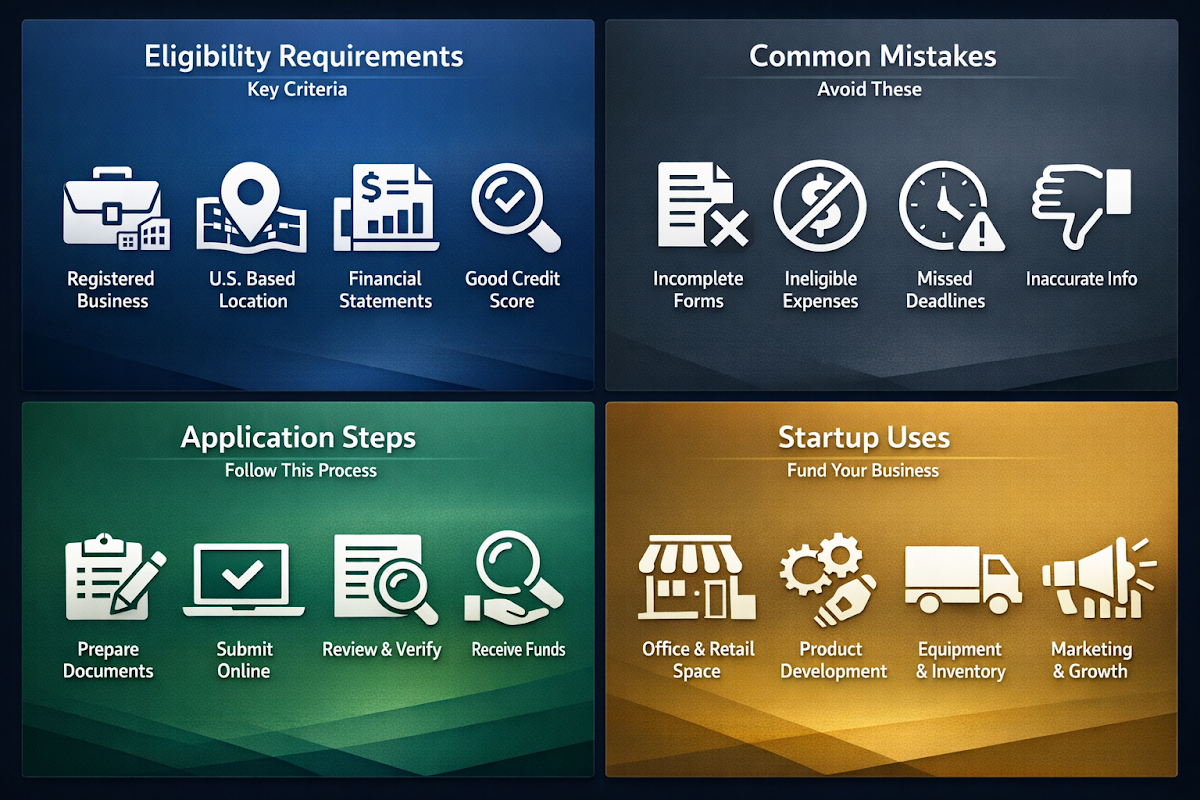
The microloan application process involves several critical steps that real estate investors must navigate carefully to improve their chances of approval. Understanding these requirements can help streamline your application and avoid common delays.
- Identify qualifying intermediary lenders: Research SBA-approved nonprofit organizations and community development financial institutions in your area that offer microloans, as each may have slightly different criteria and specializations.
- Prepare detailed business documentation: Compile comprehensive financial statements, business plans, and cash flow projections that clearly demonstrate how the loan will support your real estate investment operations.
- Complete the formal application: Submit all required forms, personal financial statements, and supporting documentation through your chosen intermediary lender within their specified timeframes.
- Participate in technical assistance programs: Many microloan providers require borrowers to complete business counseling or training programs as part of the application process.
- Finalize loan terms and closing: Review all loan documents carefully, understand repayment schedules, and ensure compliance requirements align with your business operations before closing.
Key Microloan Eligibility Requirements for Investors
Microloan eligibility requirements establish the foundation for qualifying for SBA funding, and real estate investors must meet specific criteria related to business structure, creditworthiness, and intended use of funds.
- Demonstrate legitimate business operations: Establish that your real estate investment activities constitute a for-profit business with proper legal structure, tax filings, and operational history rather than passive investment activities.
- Meet credit and financial standards: Maintain acceptable personal credit scores, typically above 640, and provide evidence of sufficient cash flow to support loan repayment alongside existing business obligations.
- Show collateral and equity capacity: Present adequate collateral or personal assets to secure the loan, which might include business equipment, inventory, or other non-real estate assets within your investment operations.
- Confirm eligible use of proceeds: Verify that your intended use of microloan funds falls within SBA guidelines, focusing on working capital, equipment, supplies, or business expansion rather than direct property acquisition.
Strategic Ways to Use Microloans for Startup Costs
Using microloans for startup costs requires careful planning to ensure compliance with SBA guidelines while supporting your real estate investment business development. These funds can potentially cover various operational expenses that traditional mortgage products don't address.
- Fund essential business equipment: Purchase tools, vehicles, or technology needed for property management, renovation oversight, or investment analysis activities that directly support your real estate operations.
- Cover initial working capital needs: Secure funding for business licenses, insurance premiums, marketing expenses, or professional services required to establish and operate your real estate investment company.
- Support business development activities: Invest in education, training, or certification programs that enhance your real estate investment expertise and business capabilities within your target markets.
- Establish operational reserves: Create cash reserves for unexpected expenses, property maintenance emergencies, or market opportunities that arise during the early stages of your investment business.
●Conclusion
SBA Microloans might provide real estate investors with alternative funding options for business operations and startup costs, though they typically cannot be used for direct property acquisition. Understanding the microloan application process, eligibility requirements, and proper use of funds can help investors determine whether this financing tool aligns with their business strategy.
While SBA microloan limits may restrict the scope of projects you can fund, these loans could complement other financing options in your investment toolkit. For larger real estate transactions and property acquisitions, investors often need to explore specialized products like DSCR loans, fix and flip financing, or bridge loans that are specifically designed for real estate investment activities.
Success with SBA Microloans often depends on thorough preparation, clear business planning, and compliance with program guidelines. Consider consulting with experienced intermediary lenders and financial advisors who understand both SBA requirements and real estate investment strategies to maximize your funding potential.