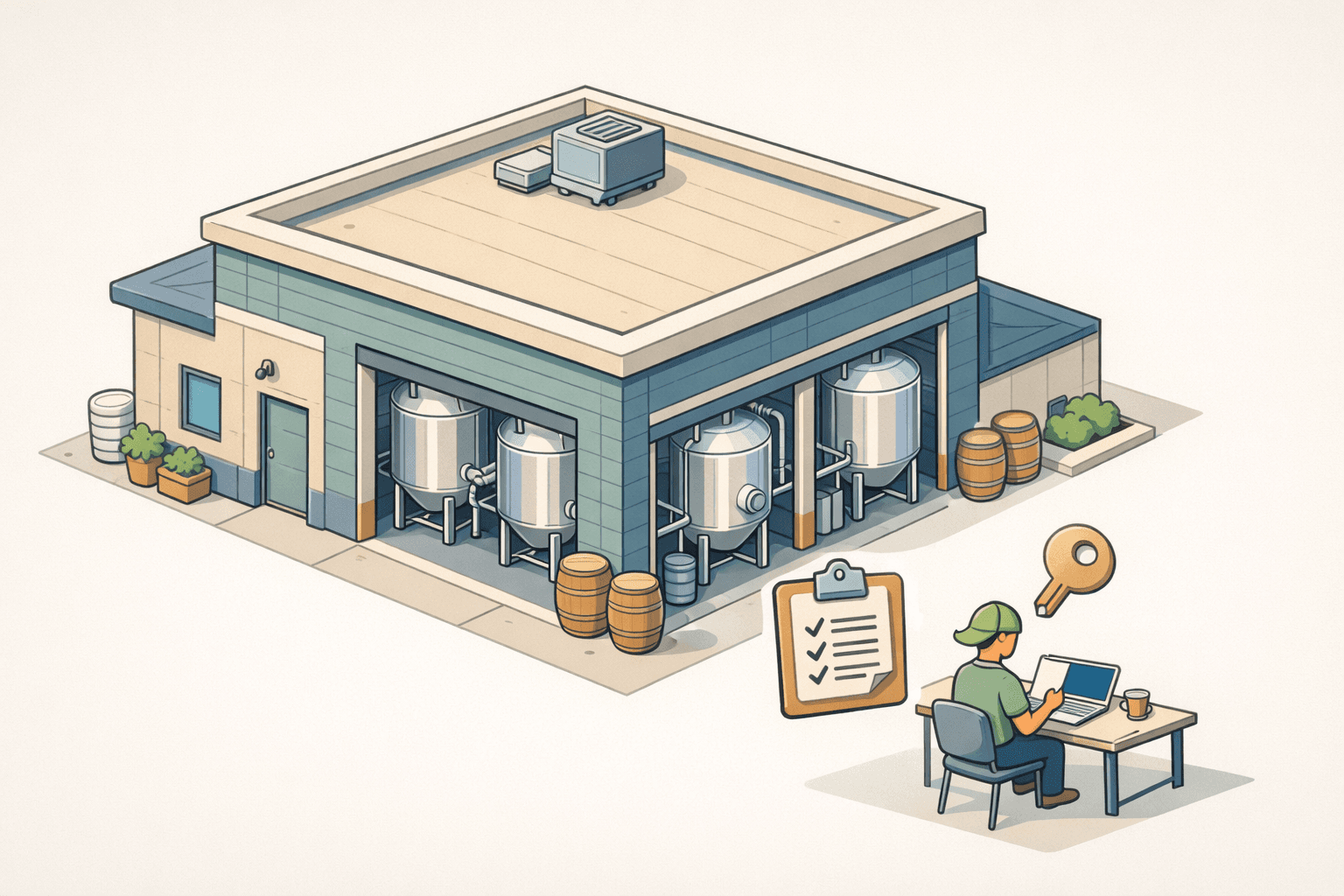
The craft brewing industry is competitive, capital-intensive, and full of opportunity. When a nearby competitor closes its doors or decides to sell off its assets, savvy brewery owners recognize a rare chance to scale production without building from scratch. Acquiring commercial brewing equipment — fermenters, brite tanks, canning lines, and more — can dramatically expand your capacity and strengthen your market position. But financing that acquisition takes planning. Understanding the SBA loan requirements for a craft brewery acquiring competitor's equipment is one of the most important steps you can take before approaching a lender. This guide walks you through everything small business owners and entrepreneurs in the brewing industry need to know about using SBA financing to fund an equipment acquisition.
Why SBA Loans Are a Smart Choice for Equipment Acquisitions in Craft Brewing
When it comes to funding a major equipment purchase, many small business owners turn to the U.S. Small Business Administration's loan programs because they typically offer longer repayment terms, lower down payment requirements, and more flexible eligibility criteria than conventional commercial loans. For a craft brewery looking to absorb a competitor's production assets, these features can make a significant difference in managing cash flow during the transition period.
There are two SBA loan programs most commonly used for this type of acquisition: the SBA 7(a) loan and the SBA 504 loan. Each has its own structure, strengths, and use-case limitations. Understanding which one fits your situation is the first critical decision in the process.
- SBA 7(a) loans are the most flexible option and may be used for equipment purchases, working capital, business acquisitions, and refinancing existing debt. Loan amounts can reach up to $5 million, making them well-suited for larger equipment packages.
- SBA 504 loans are structured specifically for the purchase of fixed assets like heavy machinery and equipment. They're typically paired with a Certified Development Company (CDC) and a conventional lender, with the SBA covering up to 40% of the project cost through a debenture.
For most craft breweries pursuing an SBA loan craft brewery acquisition equipment deal, the 7(a) program tends to offer greater flexibility, especially when the transaction involves a mix of equipment, inventory, and intangible assets like brand licenses or customer lists from the departing competitor.
Core SBA Loan Eligibility Requirements Brewers Must Understand
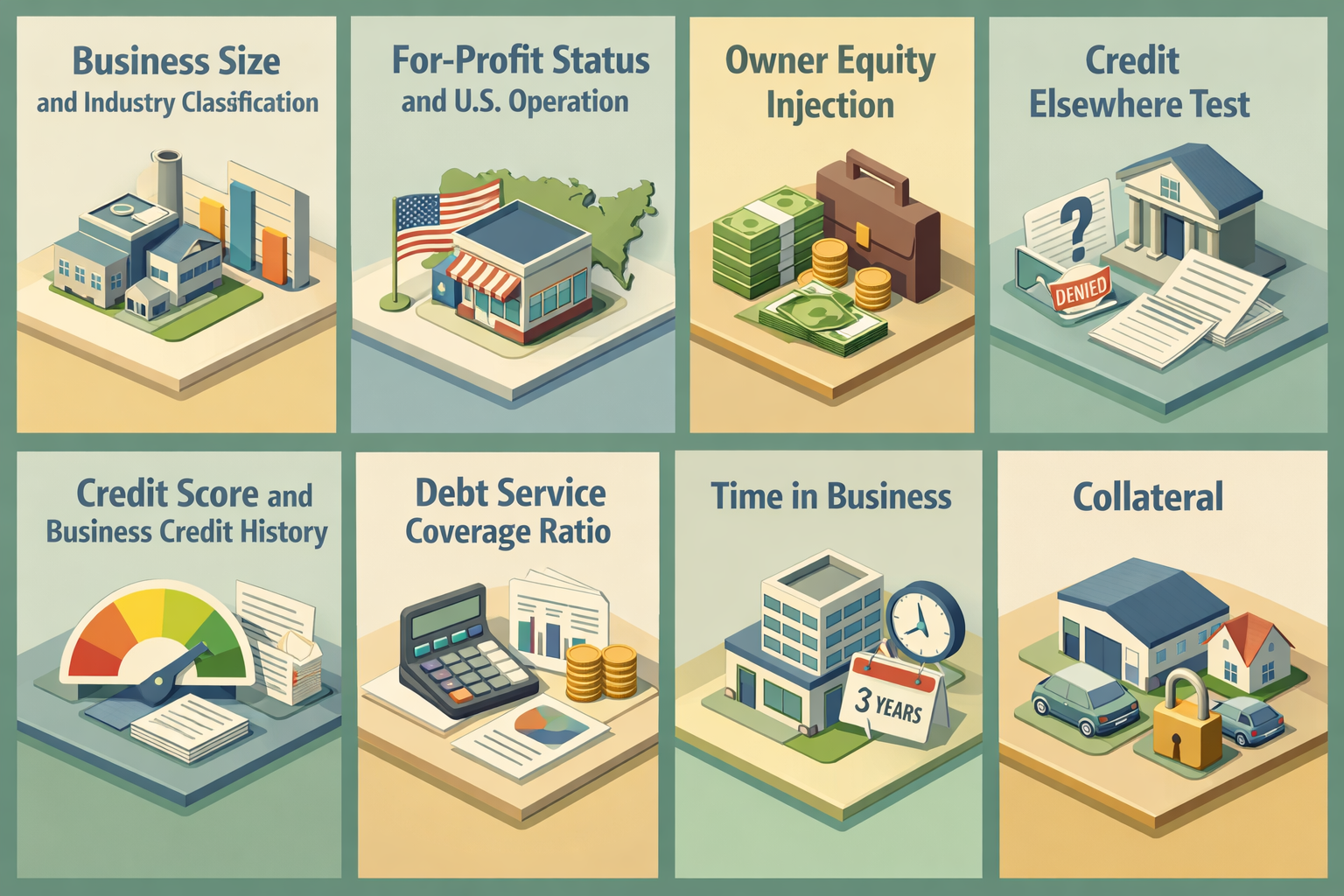
Before you can secure SBA financing, your brewery must meet a set of foundational eligibility requirements established by the SBA. These requirements are designed to ensure that loan funds go to legitimate, creditworthy small businesses with a reasonable ability to repay.
Business Size and Industry Classification
To qualify for SBA loans, your brewery must meet the SBA's definition of a small business. For breweries and beverage manufacturers, this generally means falling within the SBA's size standards based on either annual revenue or number of employees, depending on your industry classification under the North American Industry Classification System (NAICS). Craft breweries typically fall under NAICS code 312120, and size standards for this category may vary, so it's worth confirming your eligibility with an SBA-approved lender or your local Small Business Development Center (SBDC).
For-Profit Status and U.S. Operation
Your brewery must operate as a for-profit business and be located and operating within the United States or its territories. Nonprofits, passive investment businesses, and certain financial institutions are generally ineligible. This requirement is straightforward for most operating craft breweries.
Owner Equity Injection and "Credit Elsewhere" Test
One of the SBA's foundational principles is that borrowers must be unable to obtain financing on reasonable terms through conventional channels — this is often called the "credit elsewhere" test. Lenders will evaluate whether your brewery could access capital through standard commercial loans before approving SBA-backed financing. Additionally, lenders typically require borrowers to inject some equity into the project, which for equipment acquisitions may range from roughly 10% to 30% of the total transaction value, though the exact amount depends on the lender's assessment of risk and the strength of your application.
How Lenders Evaluate Your Brewery's Financial Health
Meeting the SBA's baseline eligibility criteria is just the beginning. SBA-approved lenders conduct their own thorough underwriting process to determine whether your brewery is a sound credit risk. Here's what they typically look at:
Credit Score and Business Credit History
Both your personal credit score and your business credit profile will be reviewed. While the SBA does not publish a universal minimum credit score, most lenders prefer to see a personal FICO score of at least 650, and many prefer scores above 680 for equipment acquisition loans. A history of timely debt repayment, low credit utilization, and no recent bankruptcies or liens will strengthen your application considerably.
Debt Service Coverage Ratio (DSCR)
Lenders will calculate your brewery's debt service coverage ratio, which measures your net operating income relative to your total debt obligations. A DSCR of 1.25 or higher is commonly preferred, meaning your business generates 25 cents of income for every dollar of debt service. If acquiring the competitor's equipment will meaningfully increase your production and revenue, you may want to include projected financial statements to support your case.
Time in Business
Most SBA lenders prefer to work with businesses that have been operating for at least two years and can demonstrate consistent revenue. Start-up breweries may face additional scrutiny and could be required to provide stronger collateral or a larger equity injection.
Collateral
The equipment being purchased will often serve as primary collateral for the loan. However, lenders may also require additional collateral, such as real estate or other business assets, particularly if the equipment's liquidation value doesn't fully cover the loan amount. Used commercial brewing equipment may be appraised at a lower value than new equipment, which is an important consideration when structuring the deal.
Documentation You'll Need to Prepare for an SBA Equipment Loan
One of the most common reasons SBA loan applications are delayed or denied is incomplete or disorganized documentation. Preparing a thorough application package upfront can significantly improve your chances of approval and speed up the process. Here's a general checklist of what lenders typically request:
- Business tax returns — usually for the past two to three years
- Personal tax returns — for all owners holding 20% or more equity in the business
- Year-to-date profit and loss statement — no older than 90 days
- Balance sheet — current and accurate
- Business plan or growth narrative — especially important if this acquisition represents a strategic expansion
- Equipment list and appraisal — a detailed inventory of the competitor's equipment being purchased, along with a fair market value appraisal from a qualified appraiser
- Purchase agreement or letter of intent — outlining the terms of the equipment acquisition
- Business licenses and permits — including your Alcohol and Tobacco Tax and Trade Bureau (TTB) brewer's notice and any state or local licenses
- SBA borrower information form (SBA Form 1919) and any other required SBA-specific forms
Because craft breweries are regulated businesses, lenders and the SBA will want to confirm that all necessary licenses are current and in good standing. Any compliance issues with your TTB brewer's notice or state alcohol beverage control agency could complicate or delay your loan approval.
Special Considerations When Acquiring a Competitor's Assets
Purchasing equipment from a competitor introduces unique legal, financial, and operational variables that don't arise in a standard equipment purchase from a manufacturer or dealer. Here are some important factors to address before and during the loan application process:
Asset vs. Business Acquisition
It's important to clarify whether you're purchasing only the physical equipment (an asset acquisition) or buying the entire business, including its liabilities, brand, and customer relationships. SBA loans can help fund both types of transactions, but the documentation requirements and loan structuring differ significantly. An asset-only purchase is generally simpler and may require less due diligence, while a full business acquisition involves more complex valuation and legal work.
Equipment Condition and Appraisal
Used brewing equipment can vary widely in condition and value. Lenders will likely require an independent appraisal before finalizing the loan. Be prepared for the appraised value to come in lower than the seller's asking price, which could affect your loan-to-value ratio and the amount you need to inject as equity. Hiring a qualified appraiser who specializes in brewing or food and beverage manufacturing equipment may help ensure a fair and defensible valuation.
Environmental and Compliance Review
Commercial brewing operations involve chemicals, wastewater, and other environmental considerations. Lenders may require an environmental review, particularly if the acquisition includes real property or fixtures attached to a leased space. Ensuring the equipment is free of regulatory violations or deferred maintenance obligations protects both you and your lender.
Seller Financing as a Bridge
In some cases, sellers may be willing to offer short-term seller financing to bridge any gap between the SBA loan proceeds and the total purchase price. This can be a useful tool, but SBA guidelines have specific rules about how seller financing interacts with the loan structure, so it's essential to work with an experienced SBA lender to ensure compliance.
Steps to Apply for an SBA Loan as a Craft Brewery Borrower
If you're ready to move forward with the SBA loan requirements for a craft brewery acquiring competitor's equipment, here's a practical roadmap to guide the application process:
- Identify an SBA-preferred lender. Working with an SBA Preferred Lender Program (PLP) lender can speed up the approval process significantly, as these lenders have delegated authority to approve loans without sending every application to the SBA for direct review.
- Engage a business attorney and CPA early. The legal and financial complexity of an equipment acquisition warrants professional guidance from the start. An attorney can review the purchase agreement, and a CPA can help structure your financials to present the strongest possible case.
- Get the equipment appraised. Commission an independent appraisal of the brewing assets you intend to purchase before submitting your loan application. This document will be a central part of your lender's underwriting process.
- Prepare your documentation package. Use the checklist outlined earlier in this article to gather and organize all required materials. Completeness and accuracy are critical.
- Submit your application and respond promptly. Once your application is submitted, be prepared to respond quickly to any requests for additional information from your lender. Delays in responding can slow the approval timeline and, in some cases, cost you the deal.
- Review the loan terms carefully. Before signing, review all loan terms, including the interest rate (which may be fixed or variable, often tied to the prime rate plus a spread), repayment period, prepayment penalties, and collateral requirements.
●Conclusion
Expanding your craft brewery by acquiring a competitor's equipment is an exciting growth opportunity — and SBA financing could be one of the most effective tools available to make it happen. From understanding the difference between the 7(a) and 504 programs to preparing your documentation and navigating the nuances of a used-equipment acquisition, the process requires careful planning and the right professional partners. The good news is that SBA loans are specifically designed to support small businesses like yours in making strategic moves that might otherwise be out of reach. If you're exploring your financing options, LoanWise can help connect you with experienced SBA lenders who understand the craft brewing industry. Take the next step today and let's help you build the brewery you've been working toward.