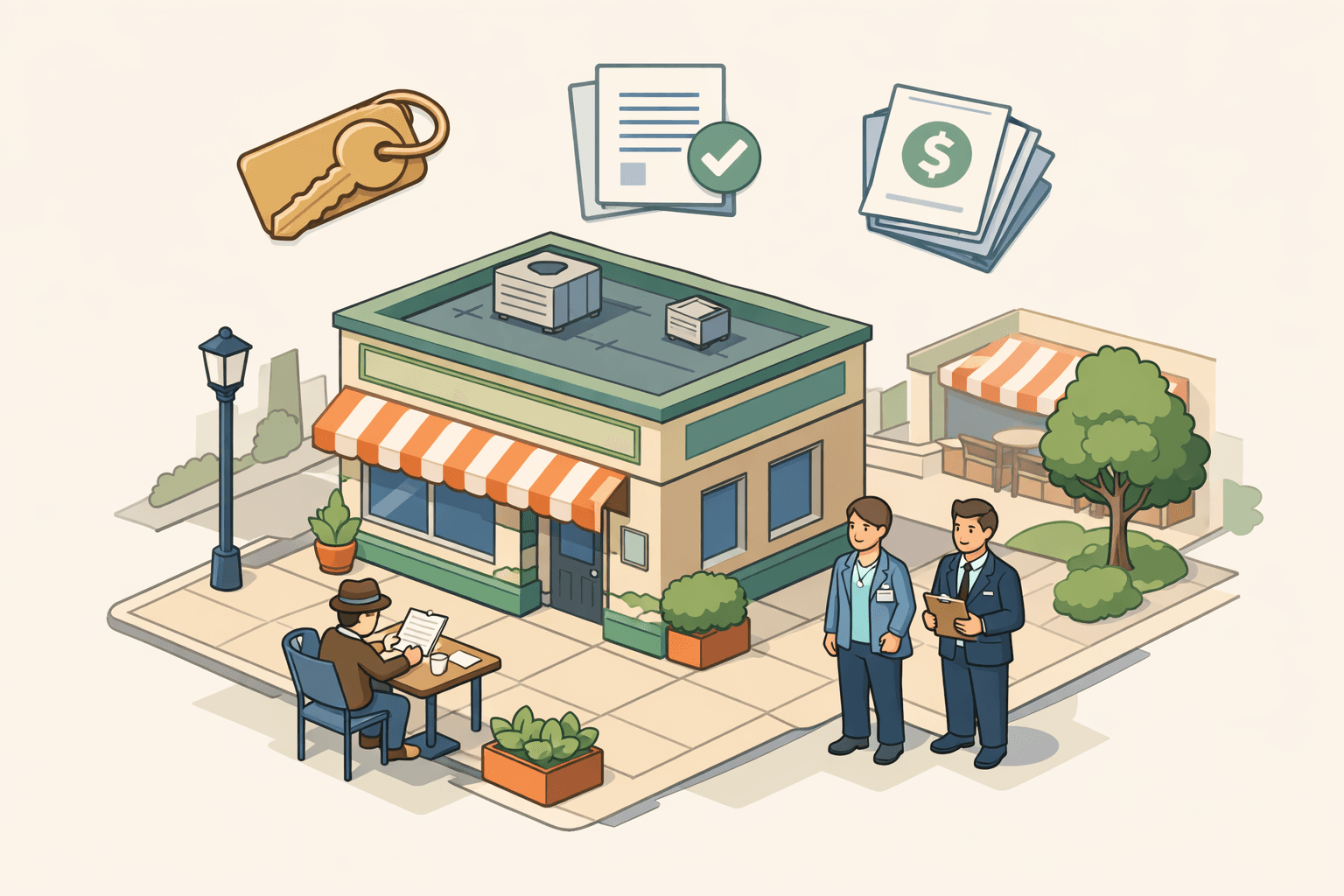
For small business owners who dream of owning their commercial space or investing in major equipment, finding the right financing can feel overwhelming. That's where the SBA 504 loan program steps in. Designed specifically to support long-term, fixed-asset investments, this government-backed loan option may offer entrepreneurs a practical and cost-effective path to growth. Whether you're looking to purchase a building, expand your facility, or acquire heavy machinery, understanding how this program works could make a significant difference in your financing strategy.
What Is the SBA 504 Loan Program?
The SBA 504 loan is a U.S. Small Business Administration program that provides long-term, fixed-rate financing for major fixed assets. Unlike general-purpose business loans, this program is specifically structured to help small businesses purchase or improve real estate and equipment that promotes business growth and job creation.
The loan is typically structured as a partnership between three parties:
- A private lender (usually a bank or credit union) that covers approximately 50% of the project cost
- A Certified Development Company (CDC) — a nonprofit intermediary approved by the SBA — that provides roughly 40% through the SBA-backed portion
- The borrower, who contributes a down payment of approximately 10%, though this may be higher for startups or special-use properties
This three-party structure is one of the defining features of the SBA 504 loan program. It allows lenders to reduce their risk while giving small business owners access to financing that might otherwise be out of reach through conventional channels.
What Can You Use an SBA 504 Loan For?
One of the reasons entrepreneurs find the SBA 504 loan so appealing is its versatility within the fixed-asset category. Eligible uses typically include:
- Purchasing existing commercial buildings or land
- Constructing new facilities or making significant improvements to existing ones
- Acquiring long-life machinery and equipment
- Modernizing or renovating commercial properties
It's important to note what this loan generally cannot be used for. Working capital, inventory purchases, debt consolidation, and speculative real estate investments are typically not eligible under this program. Business owners seeking flexible, short-term funding may want to explore other options such as SBA 7(a) loans or business lines of credit instead.
Understanding the boundaries of this program upfront can save time during the application process and help entrepreneurs align their financing strategy with the right loan product from the start.
Key Eligibility Requirements for Borrowers
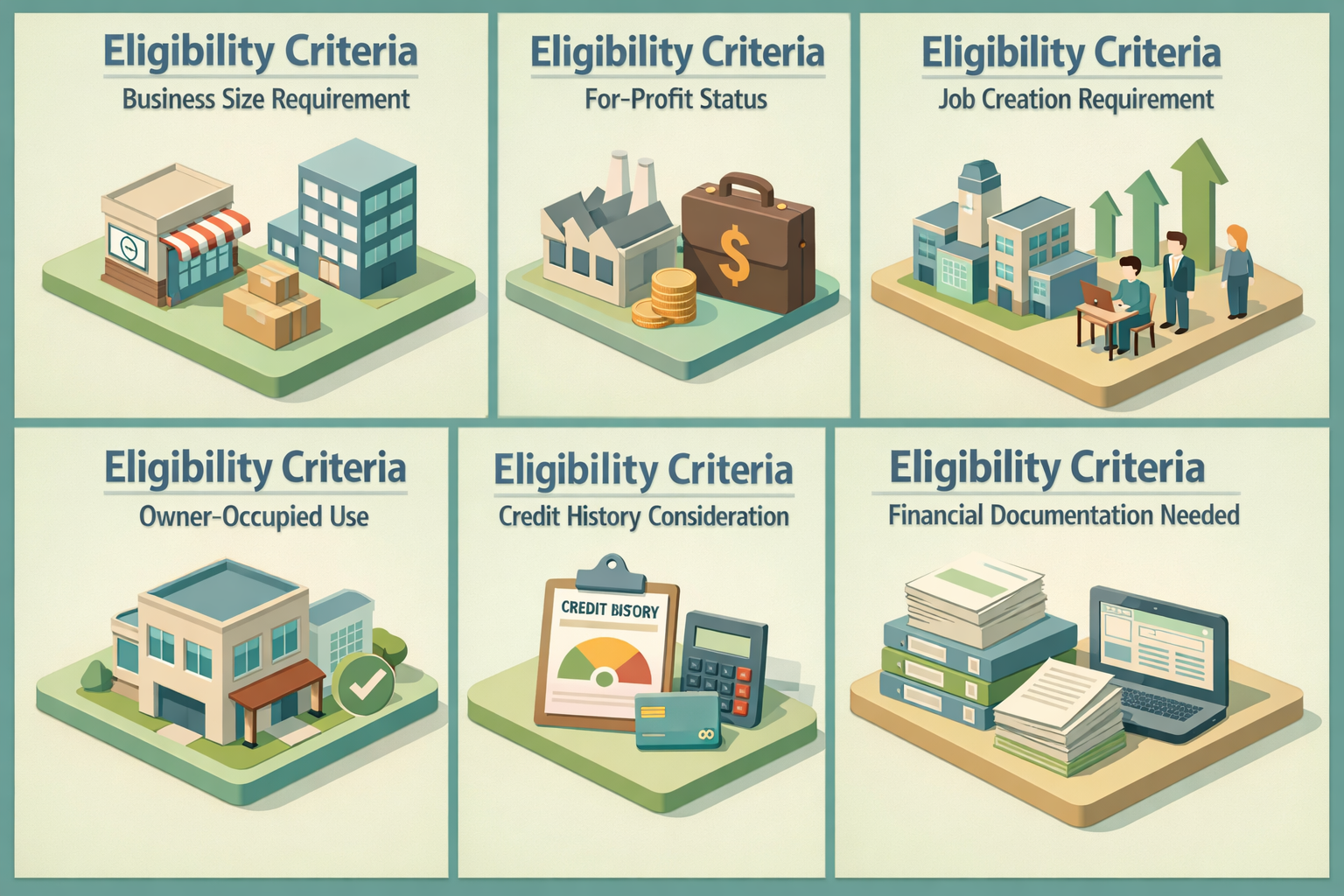
While the SBA 504 program is designed to be accessible, there are specific eligibility criteria that commercial borrowers typically need to meet. These requirements are generally in place to ensure the program supports legitimate, growth-oriented small businesses.
Common eligibility benchmarks may include:
- Business size: The business must qualify as a small business under SBA standards, which often considers net worth and average net income over the prior two years
- For-profit status: The business must operate as a for-profit entity in the United States
- Job creation or retention: The project should generally create or retain at least one job per $75,000 of SBA-backed financing, though some community development goals may offer alternative criteria
- Owner-occupied use: The business must intend to occupy at least 51% of an existing building or 60% of a newly constructed property
Lenders and CDCs may also evaluate the borrower's credit history, cash flow, and business experience. While there isn't a universal minimum credit score published for the program, stronger credit profiles and demonstrated business performance tend to improve approval chances. Entrepreneurs should be prepared to present comprehensive financial documentation during the underwriting process.
Understanding the Loan Terms and Rate Structure
One of the most compelling aspects of the SBA 504 program is its long-term, fixed-rate structure on the CDC portion of the loan. This predictability can be a major advantage for small business owners trying to manage cash flow and plan for the future.
Here's what borrowers might generally expect:
- Loan terms: Typically 10, 20, or 25 years depending on the type of asset being financed
- Interest rates: The CDC portion carries a fixed rate tied to U.S. Treasury bond rates at the time of funding, which may offer a degree of protection against rising interest rate environments
- Lender portion: The private lender's 50% share may carry its own rate and terms, which could be fixed or variable depending on the institution
While specific rates fluctuate based on market conditions and are not guaranteed, the fixed-rate feature on the SBA-backed portion is widely regarded as one of the program's strongest selling points for long-term financial planning. Business owners should compare total loan costs — including fees and both loan portions — before making a final decision.
How the SBA 504 Loan Compares to Other Small Business Financing Options
It's helpful to understand how the SBA 504 loan fits within the broader landscape of small business financing. Entrepreneurs often evaluate multiple options before committing, and each product serves a different purpose.
Compared to the SBA 7(a) loan, the 504 is more narrowly focused on fixed assets but may offer lower down payment requirements and potentially more favorable long-term rates on the CDC portion. The SBA 7(a) offers greater flexibility in use, including working capital and debt refinancing, making it a better fit for different business needs.
Compared to conventional commercial real estate loans, the SBA 504 may offer a lower down payment and longer amortization periods, which can reduce monthly payments and preserve more working capital for the business. However, the approval process for SBA-backed loans can be more documentation-intensive and may take longer than some conventional alternatives.
For businesses exploring equipment financing, the SBA 504 could be a strong option for high-cost, long-life assets, while shorter-term equipment loans or leases might better suit smaller or shorter-lived equipment needs.
Understanding where the SBA 504 excels — and where it falls short — helps business owners make informed decisions that align with their specific growth objectives.
Steps to Apply for an SBA 504 Loan
The application process for an SBA 504 loan involves multiple parties and requires thorough preparation. While timelines can vary, understanding the general steps may help borrowers move through the process more efficiently.
- Step 1 – Identify a CDC: Start by locating a Certified Development Company in your region. The SBA's website maintains a directory of approved CDCs, and working with an experienced CDC can streamline the process significantly.
- Step 2 – Choose a private lender: You'll also need a participating bank or credit union to cover the senior loan portion. Many lenders have experience working with CDCs and may be able to coordinate the process.
- Step 3 – Prepare your documentation: Expect to provide business financial statements, personal financial statements, tax returns, a business plan, and details about the project being financed.
- Step 4 – Undergo underwriting: Both the lender and the CDC will review your application. The SBA also reviews and approves the CDC's loan portion before funds are committed.
- Step 5 – Close and fund: Once approved, the loan closes and project funding can begin. Timelines may vary, but thorough preparation tends to help keep the process on track.
Working with a knowledgeable lending advisor or business financing specialist can be especially helpful for first-time applicants navigating the SBA 504 process.
●Conclusion
The SBA 504 loan remains one of the most structured and potentially cost-effective tools available to small business owners looking to invest in commercial real estate or major equipment. Its fixed-rate CDC portion, long repayment terms, and relatively low down payment requirements may offer meaningful advantages over conventional financing for the right borrowers. That said, eligibility standards, documentation requirements, and multi-party coordination mean it's not the simplest path — but for entrepreneurs ready to invest in long-term growth, it could be well worth the effort. If you're considering this program, connecting with a CDC and a qualified lending professional early in the process can help you assess whether the SBA 504 aligns with your business goals and financial position.