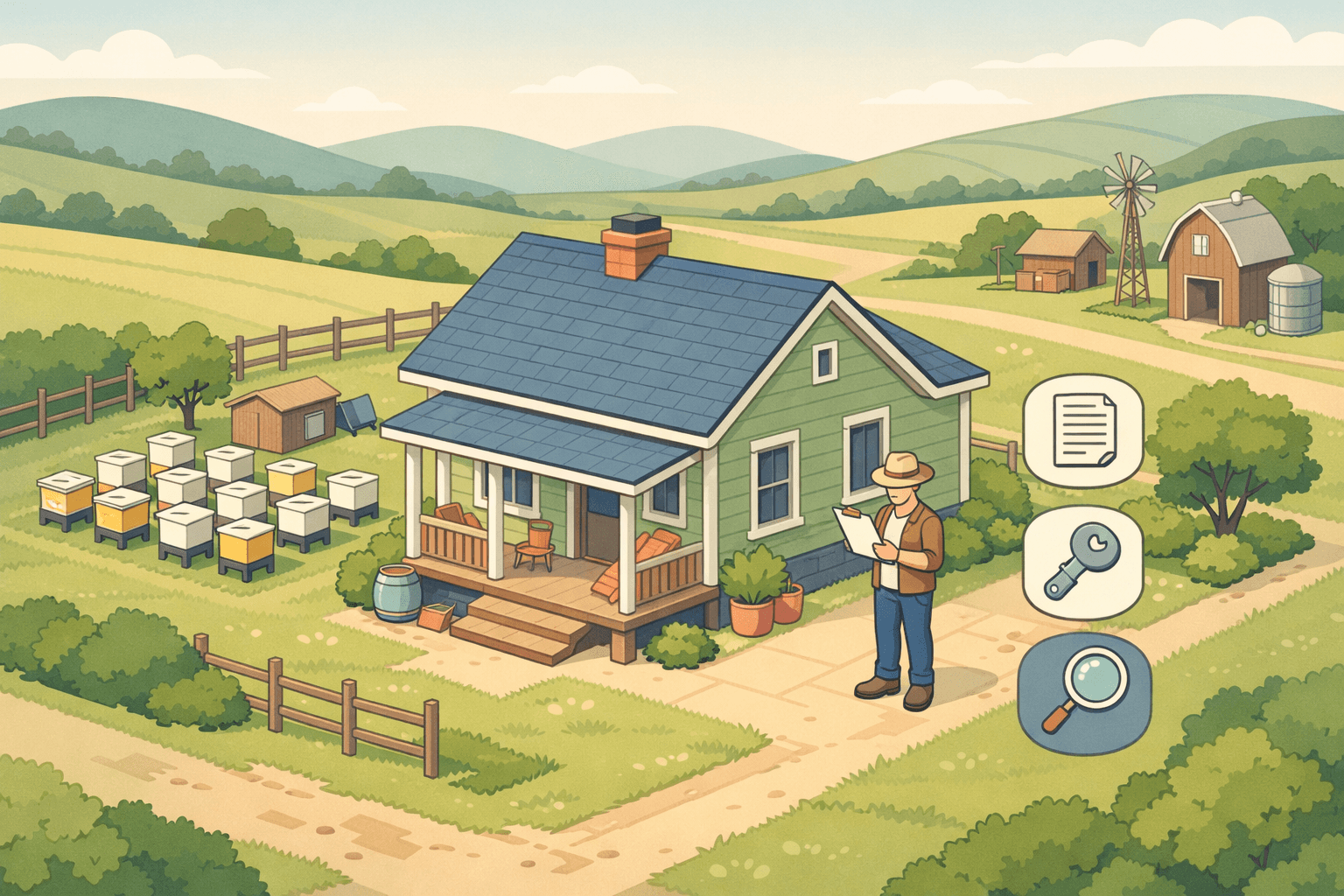
Buying a home in a rural area comes with a unique set of financing options — and the USDA loan program is one of the most attractive. With its low down payment requirements and competitive interest rates, it's become a popular choice for homebuyers looking to settle in the countryside. But what happens when that rural dream home also includes a beekeeping apiary on the property? Understanding the requirements for USDA loan on property with bee keeping apiary is essential before you start the application process. There are specific guidelines around land use, property type, and income classification that can affect your eligibility. This article breaks it all down so you can move forward with confidence.
What the USDA Loan Program Is Designed For
The USDA loan program — officially known as the USDA Rural Development Guaranteed Housing Loan — is designed to help moderate- and low-income borrowers purchase homes in eligible rural and suburban areas. It's backed by the U.S. Department of Agriculture and offered through approved private lenders.
One of its biggest appeals is the zero down payment requirement, making it one of the few government-backed loan programs that doesn't require buyers to bring a large sum of money to the closing table. It also typically offers lower mortgage insurance costs compared to FHA loans.
However, the program comes with clear boundaries. It's primarily a residential mortgage product, not an agricultural or farm loan. That distinction becomes very important when a property includes farming activity — like beekeeping. Lenders and USDA underwriters will scrutinize the nature of the land and any income-generating activity to determine whether the property still qualifies as primarily residential.
How Beekeeping Apiaries Are Classified Under USDA Guidelines
Beekeeping — also called apiculture — is considered an agricultural activity. When a property includes an apiary, underwriters typically examine whether the property is being used primarily for residential purposes or primarily for agricultural production. This distinction is critical for USDA loan eligibility.
USDA guidelines generally allow properties with small-scale agricultural use as long as the primary purpose of the land is residential. A few hive boxes tucked into a backyard are very different from a commercial honey production operation with dozens of hives, processing equipment, and significant revenue.
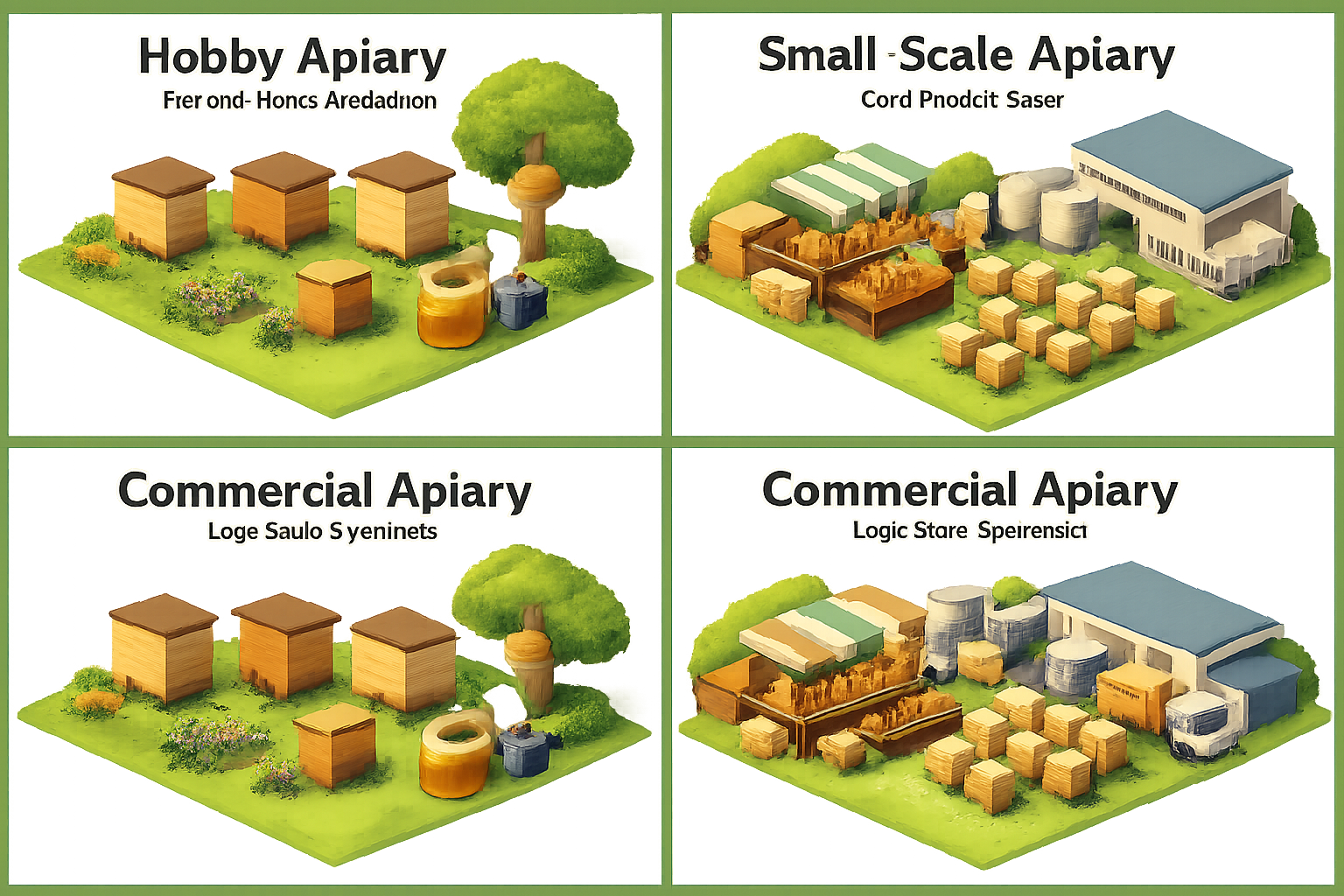
Here's how lenders may categorize apiary setups:
- Hobby or personal use apiary: A small number of hives kept for personal honey production or pollination. This is least likely to affect USDA eligibility because it does not suggest commercial agricultural use.
- Small-scale income-generating apiary: A larger setup where honey, beeswax, or related products are sold locally. Lenders may flag this for additional review to ensure the property remains primarily residential.
- Commercial apiary operation: A full-scale bee farm with significant acreage dedicated to hive management and product sales. This could disqualify the property from the standard USDA Rural Development program and may redirect borrowers toward USDA Farm Service Agency (FSA) programs instead.
The size of the operation, the number of hives, and whether the apiary generates meaningful income are all factors that underwriters will likely weigh during the review process.
Key Property Eligibility Rules That Apply to Rural Properties With Apiaries
Beyond the beekeeping classification, there are several general USDA property eligibility rules that apply to any rural property. When you're evaluating the requirements for USDA loan on property with bee keeping apiary, these foundational rules matter just as much.
Location Eligibility
The property must be located in a USDA-designated eligible rural area. You can check a property's eligibility through the USDA's online mapping tool. Properties in urban centers or densely populated suburbs generally do not qualify, though many communities that feel suburban may still fall within eligible zones.
Primary Residence Requirement
The home must be used as the borrower's primary residence. Investment properties, vacation homes, or properties used predominantly for income-generating agricultural activity would not qualify under this program.
Modestly Sized Acreage
USDA guidelines don't set a hard acre limit, but lenders do evaluate whether the land size is typical for the area. If a property includes a large tract of land that appears designed for farming rather than residential living, it may raise questions about the primary use of the property.
Property Condition Standards
The home must meet USDA's minimum property condition requirements. This typically means the structure must be safe, sanitary, and structurally sound. An apiary on the property doesn't automatically affect the home's structural condition, but any outbuildings, storage sheds, or processing facilities tied to the beekeeping operation may be evaluated as part of the overall appraisal.
Borrower Qualification Standards You Need to Meet
Even if the property clears the eligibility hurdles, you as the borrower also need to meet USDA's qualification standards. Here's what lenders will typically look at:
Income Limits
USDA loans are income-restricted. Household income must fall at or below 115% of the area median income (AMI) for your county. If your beekeeping operation generates supplemental income, that income may be counted toward your household total. This could potentially push your household income above the program's threshold, so it's worth reviewing this carefully with a USDA-approved lender.
Credit Score Requirements
Most USDA-approved lenders look for a minimum credit score of around 640, though some lenders may work with scores slightly below that threshold with additional documentation. Strong credit history demonstrates your ability to manage debt responsibly and can improve your chances of approval.
Debt-to-Income Ratio
Lenders generally look for a debt-to-income (DTI) ratio of 41% or lower, though exceptions may be considered for borrowers with strong compensating factors. If you have existing farm-related debt or equipment loans tied to your apiary business, those obligations will factor into your DTI calculation.
Employment and Income Documentation
Self-employed beekeepers or those who earn income from their apiary may need to provide additional documentation, such as two years of tax returns, profit and loss statements, and business records. Lenders want to confirm that your income is stable and reliable, even if it comes from non-traditional sources.
Navigating the USDA Appraisal When an Apiary Is Present
One of the more nuanced aspects of applying for a USDA loan for agricultural property that includes beekeeping is the appraisal process. USDA appraisals follow USDA loan guidelines set out by the agency, and the appraiser will assess the property's market value as a residential home — not as an agricultural operation.
This means that any value attributed to the apiary itself, such as hive equipment, processing facilities, or honey inventory, is generally not included in the appraised value used for the loan calculation. The loan will be based on the residential value of the home and land.
Additionally, appraisers will likely note the presence of the apiary in their report. If the operation appears to be commercial in scale, the underwriter may request further clarification or require that certain conditions be met before the loan is approved. In some cases, the lender might ask for a letter from the borrower explaining the nature of the beekeeping activity and confirming it doesn't represent the primary use of the property.
Working with a USDA-approved appraiser who has experience with rural and agricultural properties can help ensure the evaluation reflects the true residential nature of the home.
Alternative USDA Programs for Bee Farm Loan Requirements
If your property leans more heavily toward commercial beekeeping and doesn't meet the residential-focused USDA Rural Development loan standards, there are other USDA programs worth exploring that are specifically designed with agricultural borrowers in mind.
USDA Farm Service Agency (FSA) Loans
The USDA's Farm Service Agency offers loans specifically for agricultural operations, including beekeeping. These include Farm Ownership Loans and Farm Operating Loans, which can help cover the cost of land, equipment, hives, and other operational needs. If your primary goal is to run a bee farm and the home is secondary to that purpose, FSA loans may be a better fit.
USDA Value-Added Producer Grants
For beekeepers looking to expand their honey production or develop new products, USDA also offers competitive grants through the Value-Added Producer Grant program. While not a mortgage product, this type of funding can complement a rural property purchase by supporting the agricultural side of the operation.
Combining Financing Sources
Some rural property buyers may find it useful to structure financing in layers — using a USDA Rural Development loan to cover the home's residential value and exploring FSA or other agricultural lending options to fund the beekeeping infrastructure separately. This approach requires careful coordination but could provide a more complete financing solution.
Tips to Strengthen Your Application for a Rural Property With a Beekeeping Operation
If you're confident that your property qualifies under USDA's residential guidelines, here are some practical steps that may help strengthen your application:
- Work with a USDA-approved lender early: Not all lenders have experience with rural properties that include agricultural components. Choosing a lender who understands the nuances of rural property USDA loan guidelines — including how apiaries are treated — can save you time and stress.
- Document the hobby or small-scale nature of your apiary: If your beekeeping is personal or small-scale, be prepared to show this clearly. A letter of explanation, photos of the setup, and records showing minimal or no commercial sales can all help your case.
- Review your income calculations: Work with your lender to understand how any apiary income affects your household income total and whether it pushes you above the area median income threshold.
- Keep your credit profile strong: Pay down existing debts, avoid opening new credit lines before applying, and make sure your credit report is accurate.
- Get a pre-eligibility assessment: Before falling in love with a specific property, verify that it falls within a USDA-eligible zone and that its primary use classification aligns with program requirements.
- Consider a rural housing consultant: Some HUD-approved housing counselors specialize in rural financing options and can help you navigate the process at no cost.
●Conclusion
Buying a rural property that includes a beekeeping apiary is absolutely possible within the USDA loan framework — but it does require careful attention to how the property and operation are classified. The requirements for USDA loan on property with bee keeping apiary hinge largely on whether the home remains the primary use of the land and whether the apiary functions as a hobby or a commercial enterprise. Understanding the distinction between residential and agricultural use, documenting your situation clearly, and working with an experienced USDA-approved lender are all steps that can help you move toward a successful closing. Whether you're a first-time homebuyer eyeing a countryside retreat or an established beekeeper looking to own your operation's home base, the right financing path is out there — and LoanWise is here to help you find it.