
Running a freelance consulting business comes with real financial rewards — but it also brings unpredictable cash flow. One month you might land three major contracts, and the next you could be waiting on invoices while still covering business expenses. That's exactly why many freelance consultants turn to a business line of credit for freelancers as a flexible financing tool. Unlike a traditional term loan, a business line of credit lets you draw funds as needed and repay them on a revolving basis. But qualifying isn't always straightforward, especially when your income comes from multiple clients rather than a single employer. Understanding the requirements for business line of credit for a freelance consultant with multiple clients can help you prepare a stronger application and improve your chances of approval.
Why Freelance Consultants Often Need a Business Line of Credit
Freelance consultants operate in a dynamic financial environment. Revenue may spike during busy seasons and slow considerably during client transitions or project gaps. This inconsistency can make it difficult to cover ongoing expenses like software subscriptions, marketing costs, contractor payments, or even office rent without dipping into personal savings.
A business line of credit offers a safety net. You only borrow what you need, and you typically only pay interest on the amount you draw. This makes it a cost-effective option compared to taking out a lump-sum loan when your actual funding needs may vary month to month.
For consultants juggling multiple clients, the ability to access capital quickly — without reapplying each time — can be especially valuable. Whether you're bridging a payment gap between project milestones or investing in tools that help you serve clients better, a revolving credit line gives you financial agility. That said, lenders have specific eligibility standards, and knowing what they look for is the first step toward securing this type of financing.
The Core Requirements Lenders Typically Evaluate
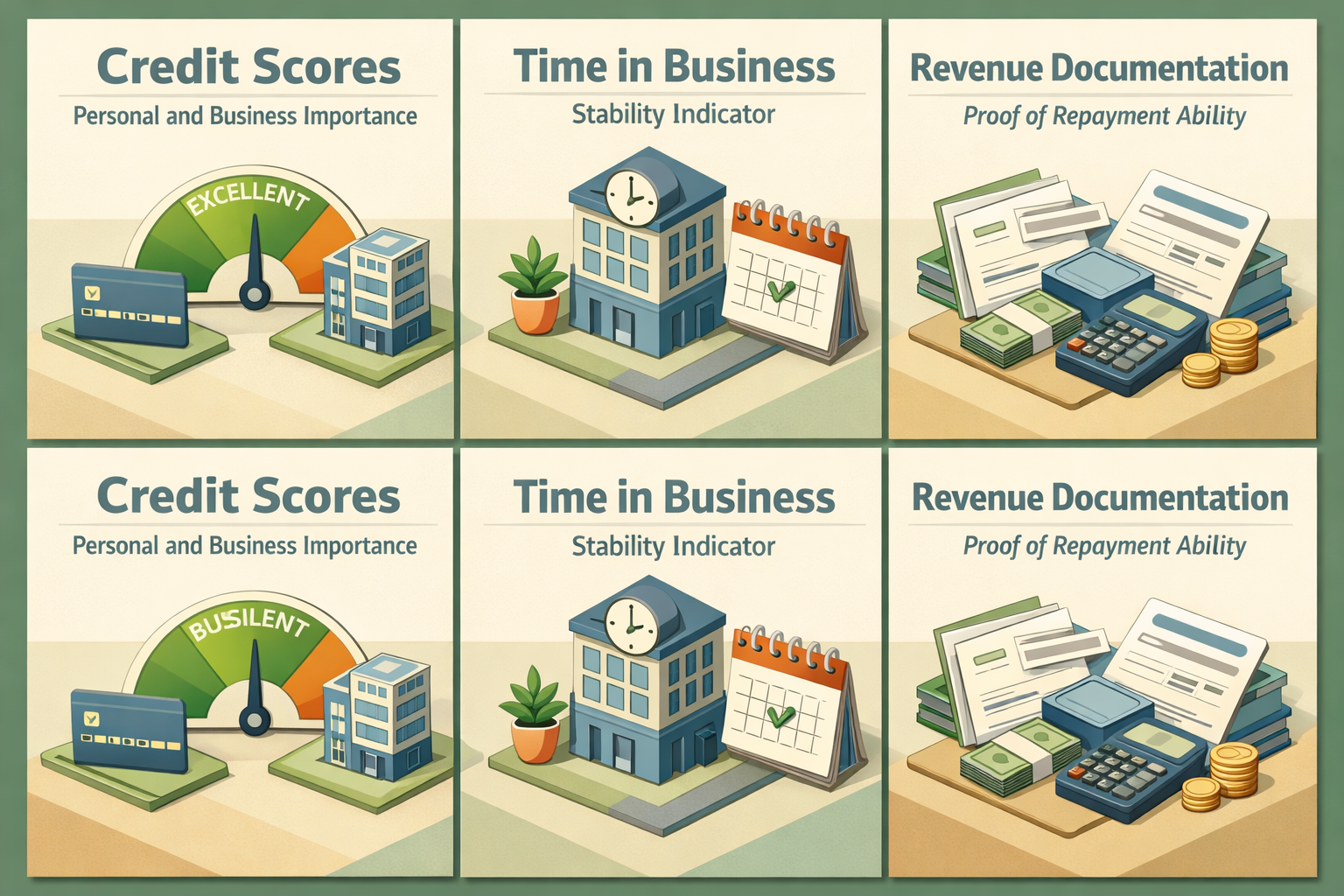
When reviewing the requirements for business line of credit for a freelance consultant with multiple clients, lenders generally focus on several key areas. While standards can vary between banks, credit unions, and online lenders, the following factors tend to carry the most weight in the underwriting process.
Personal and Business Credit Scores
Your credit profile is often the first thing a lender reviews. Most traditional lenders look for a personal credit score of at least 650 to 680, though some online lenders may work with scores as low as 600. If you've established a business credit profile through vendors, credit cards, or prior loans, that history may also be considered.
As a freelance consultant, your business and personal finances may be closely tied — especially if you operate as a sole proprietor. Keeping your credit utilization low, paying bills on time, and resolving any outstanding derogatory marks before applying could meaningfully strengthen your application.
Time in Business
Lenders generally want to see that your consulting practice has been operating for at least one to two years. This demonstrates that your business is stable enough to manage revolving debt responsibly. Startups or consultants who've only recently gone independent may face more limited options, though some lenders specialize in newer businesses with strong revenue.
Annual Revenue and Income Documentation
Because freelance income varies, lenders typically require thorough documentation to assess your ability to repay. You may need to provide two years of personal and business tax returns, profit and loss statements, bank statements from the past three to six months, and sometimes a list of current client contracts or outstanding invoices. The more organized and consistent your financial records appear, the more confidence a lender may have in your repayment capacity.
How Multiple Clients Can Work in Your Favor — or Against You
Having multiple clients can actually be a selling point when applying for a business line of credit for freelancers. Lenders often view client diversification as a sign of reduced risk. If one client ends their contract, your business isn't entirely dependent on that single revenue source. This mirrors the way commercial lenders think about tenant concentration in real estate — the more diversified the income base, the more resilient the business appears.
However, multiple clients can also complicate income verification. Lenders may struggle to assess your total revenue when it comes from many different sources, particularly if payment schedules are irregular. Deposits that appear inconsistent or large one-time payments that aren't recurring could raise questions during underwriting.
To address this, it helps to maintain clean, well-organized records that clearly show ongoing client relationships and consistent billing activity. If you use invoicing software or accounting platforms, having clean reports ready to share can make a significant difference. A letter from a long-term client confirming the ongoing nature of your engagement may also help demonstrate revenue reliability.
Business Structure and Its Impact on Eligibility
The legal structure of your consulting business can influence how lenders evaluate your application. Sole proprietors may have a simpler setup, but they may also face more scrutiny since there's no legal separation between personal and business finances. Forming an LLC or S-Corporation, if you haven't already, could help you establish a distinct business identity that may be viewed more favorably by some lenders.
Beyond structure, lenders typically want to see that your business has its own bank account, a dedicated Employer Identification Number (EIN), and possibly a business address. These elements signal that your consulting practice is operating as a legitimate, organized business entity rather than a casual side activity.
Some lenders may also check whether your business is registered with your state and in good standing. Keeping your registrations current and ensuring your business name is consistent across all financial documents can prevent unnecessary delays during the application process.
Types of Lenders Available to Freelance Consultants
Not all lenders approach freelance consulting businesses the same way. Understanding your options can help you find the right fit for your financial needs and qualifications.
- Traditional banks and credit unions: These institutions often offer the most competitive interest rates, but they tend to have stricter qualification requirements. They may expect higher credit scores, longer business history, and more comprehensive financial documentation.
- Online lenders: Many fintech lenders have emerged to serve small business owners and self-employed professionals with more flexible underwriting criteria. They may accept lower credit scores or shorter operating histories, though this flexibility often comes with higher interest rates or fees.
- Community Development Financial Institutions (CDFIs): These mission-driven lenders focus on underserved business communities and may offer more accessible terms for newer or lower-revenue consultants.
- SBA-affiliated programs: The Small Business Administration doesn't directly issue lines of credit, but it does back certain loan products through approved lenders. SBA programs may provide more accessible options for freelancers who don't qualify for conventional products.
Comparing multiple lenders before applying is generally a wise approach. Rates, fees, draw limits, and repayment terms can vary considerably, and finding a lender familiar with self-employed borrowers may make the overall process smoother.
Strengthening Your Application Before You Apply
Preparation can make a meaningful difference in how lenders perceive your application. Here are several steps freelance consultants might consider before submitting a request for a business line of credit.
Organize Your Financial Records
Gather at least two years of tax returns, recent bank statements, and a current profit and loss statement. If your income has grown over time, make sure that trend is visible in your documentation. Lenders tend to respond positively to upward revenue trajectories.
Reduce Existing Debt Obligations
Your debt-to-income ratio matters. If you're carrying high balances on personal or business credit cards, paying those down before applying could improve your creditworthiness and increase the credit limit a lender is willing to offer.
Build or Improve Your Business Credit Profile
If you haven't already, consider opening a business credit card or working with vendors who report payment history to business credit bureaus. Establishing a track record of responsible credit use in your business's name can strengthen your overall profile over time.
Prepare a Brief Business Overview
Some lenders — especially community banks or CDFIs — appreciate a short summary of your consulting practice. This might include the services you offer, your typical client types, average project size, and how you plan to use the line of credit. This narrative context can help an underwriter understand the nature of your business more fully.
●Conclusion
Securing a business line of credit as a freelance consultant is entirely possible, but it does require thoughtful preparation. Lenders want to see that your consulting practice has a stable financial foundation, a reliable history of income — even if it comes from multiple clients — and a creditworthy track record. The requirements for business line of credit for a freelance consultant with multiple clients may feel demanding at first, but with organized documentation, a clear business structure, and a proactive approach to your credit profile, you can present a compelling case to lenders.
At LoanWise, we understand that freelance professionals have unique financing needs. Whether you're exploring a business line of credit for the first time or looking to upgrade your current financing arrangement, our team can help you navigate the process with confidence. Reach out today to learn more about the options that may be available for your consulting business.