Running a small handmade soap business takes creativity, passion, and real financial planning. Whether you're crafting lavender bars at your kitchen table or supplying local boutiques with cold-process blends, growing your operation often means you'll need outside funding. That's where the SBA microloan program can make a meaningful difference. Designed specifically for small and startup businesses, SBA microloans offer accessible capital to entrepreneurs who may not yet qualify for traditional bank financing. In this guide, we'll walk through the requirements for an SBA microloan for a local artisanal soap maker so you can approach the process with confidence and clarity.
What Is an SBA Microloan and Why It Matters for Artisanal Businesses
The SBA microloan program is a federally backed initiative administered by the U.S. Small Business Administration. It's designed to provide small amounts of capital — typically up to $50,000 — to small businesses and nonprofit childcare centers that need funding to launch, grow, or stabilize their operations.
For a local artisanal soap maker, this kind of loan could be a practical solution. Traditional bank loans often come with strict revenue thresholds and lengthy credit histories that newer or smaller businesses simply don't have yet. SBA microloans, on the other hand, are distributed through nonprofit intermediary lenders that tend to take a more community-focused approach to lending decisions.
These intermediaries receive funds from the SBA and then lend them out to eligible small businesses in their communities. Because they operate with a mission to support underserved entrepreneurs, they may be more flexible when evaluating applications from artisan business owners who are building something from the ground up.
Common uses for microloan funds in a soap-making business might include:
- Purchasing raw materials like oils, lye, colorants, and fragrance blends
- Buying equipment such as mixers, molds, or labeling machines
- Covering packaging and branding costs
- Building out a small production space or craft studio
- Funding inventory ahead of a busy retail season
- Supporting working capital during growth phases
It's worth noting that SBA microloans generally cannot be used to pay off existing debt or to purchase real estate, so it's important to plan your funding request around eligible expenses.
Core Eligibility Requirements You Need to Know
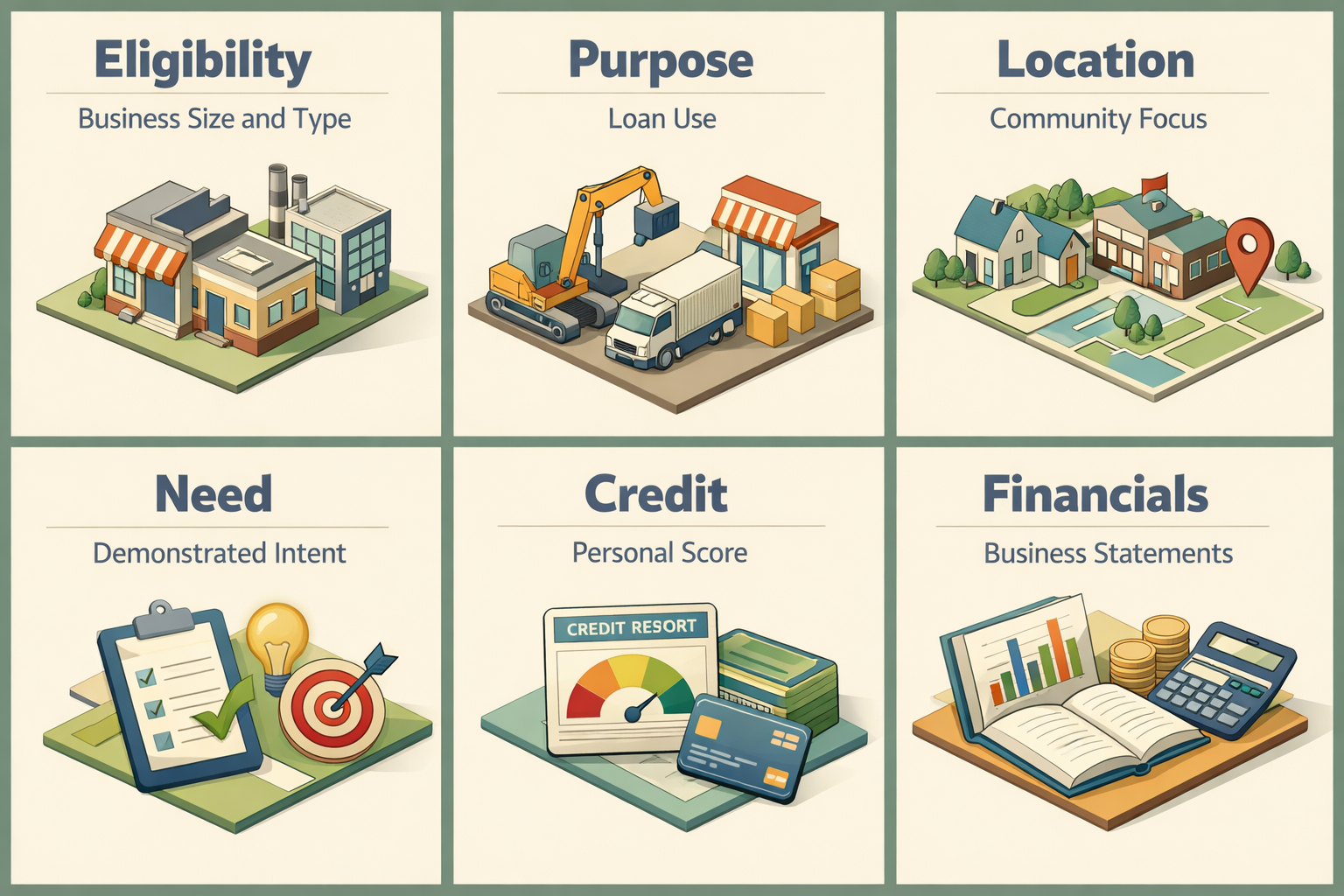
Understanding the requirements for an SBA microloan for a local artisanal soap maker starts with eligibility. While specific criteria can vary depending on the intermediary lender you work with, there are several baseline standards that most applicants will need to meet.
Business Size and Type
Your soap business must qualify as a small business under SBA guidelines. For most product-based businesses, this means falling within the SBA's size standards related to average annual receipts or number of employees. Artisanal soap operations are typically well within these thresholds, especially when they're operating locally or at a small-batch level.
Your business should also be a for-profit entity. Sole proprietors, partnerships, LLCs, and corporations may all be eligible, making this program accessible regardless of your current business structure.
Purpose of the Loan
As mentioned, the funds must be used for approved business purposes. Lenders will want to see that your intended use aligns with legitimate operational needs — whether that's stocking up on raw materials, expanding your production setup, or investing in marketing for your soap brand.
Location and Community Focus
Many SBA microloan intermediaries prioritize businesses that serve or are based in underserved or low-income communities. If your artisanal soap business is located in such an area, or if you're a woman, minority, veteran, or low-income entrepreneur, you may find that certain intermediaries are especially motivated to work with you.
Demonstrated Need and Intent
Lenders will want to understand why you need the funds and how you plan to use them responsibly. A well-prepared business plan that outlines your soap-making operation, target customers, pricing strategy, and projected revenue can go a long way in demonstrating your readiness as a borrower.
Credit and Financial Profile Expectations for Soap Business Borrowers
One of the most appealing aspects of the SBA microloan program is that it tends to be more accessible to borrowers who don't have perfect credit histories. That said, lenders will still review your financial background as part of their evaluation process.
Personal Credit Score
Most intermediary lenders will check your personal credit score, especially if your business is new or hasn't yet established its own credit profile. While there's no single universal minimum score required across all intermediaries, many lenders may work with borrowers who have scores in the mid-500s to low-600s range, particularly if other aspects of the application are strong. This can be encouraging news for soap entrepreneurs who are just getting started and may have limited credit depth.
Business Financials
If your soap business has been operating for some time, lenders will likely request financial statements such as profit and loss reports, balance sheets, and bank statements. For newer businesses, projected financials based on realistic assumptions may be acceptable. Being transparent and thorough with your numbers builds credibility with the lender.
Collateral and Personal Guarantee
SBA microloans may require collateral to secure the loan, though intermediaries vary in how strictly they enforce this. Personal guarantees — meaning you agree to repay the loan personally if the business cannot — are also commonly required. For a small artisanal soap operation, collateral might include equipment, inventory, or other business assets.
It's important to ask your specific intermediary lender about their collateral expectations early in the process, as this can influence how you structure your loan request.
Documents You'll Likely Need to Prepare
Preparing your documentation ahead of time can significantly smooth out the application process. While exact requirements vary by lender, most SBA microloan intermediaries will ask for a similar core set of materials from a small business applicant like an artisanal soap maker.
- Business plan: A clear document outlining your soap business concept, target market, pricing, production process, marketing strategy, and financial projections
- Personal identification: Government-issued ID and Social Security number for all owners
- Personal financial statements: A summary of your personal assets, liabilities, and income sources
- Business financial statements: Profit and loss statements, balance sheets, and cash flow projections — historical if available, projected if you're a startup
- Bank statements: Typically the last three to six months of personal and business bank account activity
- Tax returns: Personal and business returns for the past one to three years, if applicable
- Business licenses and registrations: Proof that your soap business is legally registered in your state or locality
- Loan use statement: A written explanation of exactly how you plan to use the microloan funds
Some lenders may also request references, resumes showing relevant experience, or documentation related to any existing business debts. Taking time to organize these items before you meet with a lender shows professionalism and preparation — both qualities that can strengthen your application.
Finding the Right SBA Microloan Intermediary for Your Soap Business
Unlike traditional SBA loans that go through banks, SBA microloans are disbursed through approved nonprofit intermediary lenders. These organizations are typically community development financial institutions (CDFIs), microloan funds, or nonprofit business development centers. Finding the right one for your SBA microloan artisanal soap business journey is an important step.
The SBA maintains a directory of approved microloan intermediaries by state, which you can access through the official SBA website. When evaluating potential intermediaries, consider the following:
- Geographic focus: Many intermediaries serve specific regions, counties, or cities. Choose one that operates in your area.
- Industry experience: Some lenders have worked extensively with food and craft product businesses and may be better equipped to evaluate your application fairly.
- Technical assistance offerings: A major benefit of the microloan program is that intermediaries are often required to offer business training and technical assistance alongside the loan. This could include help with bookkeeping, marketing, or business planning — all valuable for a growing soap brand.
- Loan terms and interest rates: Interest rates on SBA microloans can vary by lender but are generally competitive. Loan terms typically run up to six years. Comparing a few options may help you find the most favorable arrangement.
Don't hesitate to reach out to your local Small Business Development Center (SBDC) or SCORE chapter for guidance. These free resources can help you identify appropriate intermediaries and even assist you in preparing your loan application materials.
Tips to Strengthen Your SBA Microloan Application as a Soap Maker
Submitting a well-rounded application can improve your chances of approval and potentially help you secure better loan terms. Here are some practical strategies worth considering as you prepare your SBA microloan artisanal soap business application.
Tell Your Story Compellingly
Intermediary lenders are often community-minded organizations that care about the people they support. Don't underestimate the power of sharing your background — why you started making soap, what makes your products unique, how the loan will help you grow, and what your business means to your local community. A compelling narrative can complement your financial data and humanize your application.
Be Realistic With Your Projections
Overly optimistic financial forecasts can raise red flags. Instead, build your projections on conservative, well-reasoned assumptions. If you're projecting revenue growth, explain what activities will drive it — a new wholesale account, a farmers market season, or an e-commerce launch, for example.
Address Weaknesses Proactively
If your credit history has blemishes or your business is very new, acknowledge these factors in your application and explain what steps you've taken to address them. Showing self-awareness and a proactive mindset can help build trust with lenders.
Request Only What You Need
Asking for a loan amount that's clearly tied to specific, documented business needs is more convincing than requesting the maximum amount without clear justification. Itemize your planned expenses and explain how each one contributes to your business goals.
Leverage Free Resources
Work with your local SBDC or SCORE mentor to review your business plan and financials before submitting. Getting a second set of expert eyes can catch errors and improve the overall quality of your application.
●Conclusion
The requirements for an SBA microloan for a local artisanal soap maker are within reach for many small business owners who are serious about growth. While the process does require preparation — including a solid business plan, organized financials, and a clear loan purpose — the SBA microloan program is specifically built to support entrepreneurs like you who may not yet have access to conventional financing. With amounts up to $50,000, flexible credit considerations, and the added benefit of business training from intermediary lenders, this program could be a meaningful stepping stone for your soap business. If you're ready to explore your financing options, consider speaking with a lending advisor at LoanWise today. We're here to help small business owners find the right funding path forward.