Buying a home is one of the most significant financial decisions you'll ever make, and saving enough for a down payment can feel like the hardest part. Thankfully, many homebuyers don't have to do it entirely on their own. Family members, close friends, or even employers may be willing to pitch in with financial gifts to help cover upfront costs. But before you deposit that check, it's important to understand the requirements for a conventional loan with gifted down payment funds. Lenders and loan program guidelines have specific rules about where your down payment money comes from — and gift funds come with their own set of documentation and eligibility requirements. This guide breaks it all down so you can move forward with confidence.
What Are Gift Funds and Why Do Lenders Care About the Source?
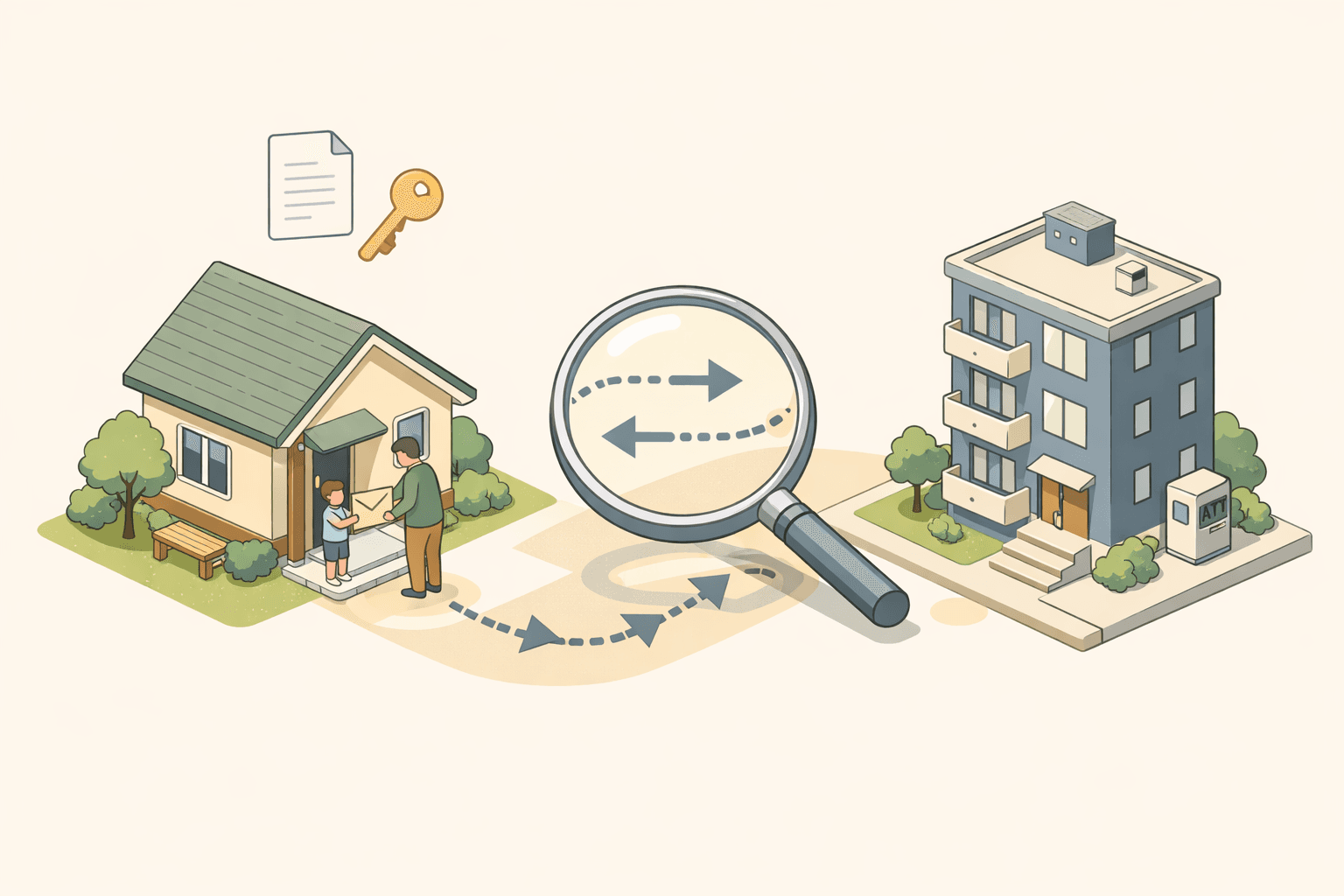
Gift funds are money given to a homebuyer by another person — typically a family member — that the buyer doesn't have to repay. On the surface, it sounds simple. But mortgage lenders are required to verify the source of funds for a conventional loan down payment to ensure the money isn't actually a disguised loan. If a borrower secretly owes money back to the donor, that added debt obligation could affect their ability to repay the mortgage.
This is why conventional loan guidelines, primarily governed by Fannie Mae and Freddie Mac, require lenders to document gift funds carefully. The goal is transparency — lenders need to confirm that the funds are a true gift with no expectation of repayment, and that the money came from a legitimate, identifiable source. Without this verification, underwriters can't accurately assess a borrower's true debt load or financial stability.
Understanding this context helps explain why the paperwork around gift funds may seem more detailed than expected. It's not about distrust — it's about responsible lending practices that protect both the borrower and the lender.
Who Can Give a Gift for a Conventional Mortgage Down Payment?
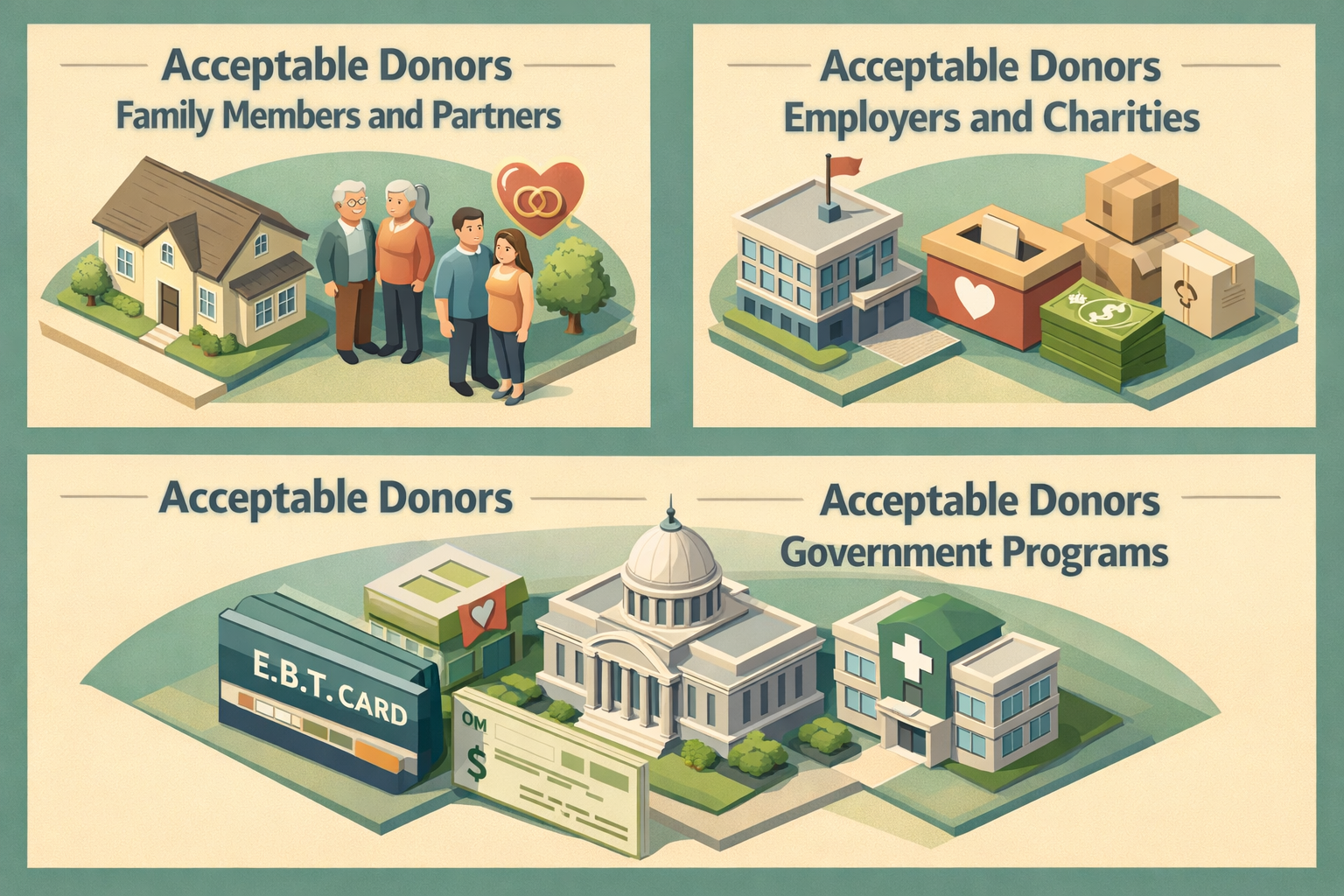
Not just anyone can hand over money and call it a gift. When it comes to conventional mortgage gift funds rules, Fannie Mae and Freddie Mac guidelines specify who qualifies as an acceptable donor. Generally, acceptable donors include:
- Relatives by blood, marriage, or adoption — parents, grandparents, siblings, aunts, uncles, and similar family members
- Domestic partners or fiancés — depending on the specific loan program
- Employers or labor unions — in some cases, workplace gifting is permitted
- Charitable organizations — certain nonprofits that offer homebuyer assistance may qualify
- Government agencies or municipalities — some down payment assistance programs structured as gifts may be eligible
It's worth noting that gifts from friends who are not related to the borrower may face stricter scrutiny or may not be allowed depending on the program guidelines. Always verify with your lender which donor relationships are acceptable under the specific loan terms you're applying for.
One critical rule across most conventional programs: the donor cannot be a person or entity with a financial interest in the sale of the property. That means the seller, real estate agent, builder, or anyone else who stands to benefit from closing the transaction generally cannot provide gift funds under conventional guidelines.
The Donor Letter for Mortgage: What It Must Include
One of the most important documents in the gift fund process is the donor letter for mortgage purposes, also known as a gift letter. This is a signed statement from the donor confirming the nature of the transfer. While lenders may have slightly different templates, most gift letters are required to include the following elements:
- The donor's full name, address, and phone number
- The borrower's full name and their relationship to the donor
- The exact dollar amount of the gift
- The address of the property being purchased
- A clear statement that the funds are a gift and not a loan — meaning no repayment is expected or required
- The donor's signature and the date
Some lenders may also ask the donor to provide bank statements showing that the funds were available before being transferred. This helps confirm that the donor had the money to give and that it wasn't borrowed. If the gift has already been deposited into the borrower's account, the lender may request bank statements from both the donor and the borrower to trace the transfer and confirm it matches the amount stated in the gift letter.
It's a good idea to keep things clean and well-documented. Large, unexplained deposits in a borrower's bank account — even legitimate ones — can raise red flags during underwriting. A timely, properly completed donor letter helps resolve those questions quickly.
How Much of the Down Payment Can Be a Gift on a Conventional Loan?
This is one of the most commonly asked questions about using gift money for down payment conventional loan purposes, and the answer depends on how much you're putting down overall.
Under Fannie Mae guidelines, if you're purchasing a one-unit primary residence and putting down 20% or more, the entire down payment may come from gift funds. However, if you're putting down less than 20%, you may be required to contribute at least a portion of the down payment from your own funds — though this can vary depending on the specific loan product and borrower profile.
Here's a general overview of how gift fund limits may apply based on down payment size:
- Less than 20% down: The borrower may need to contribute a minimum amount from their own verified funds before gifts can cover the rest
- 20% or more down: The full amount may potentially come from gift funds for a primary residence
- Second homes and investment properties: Gift funds are typically not permitted for investment property purchases under standard conventional guidelines, and second home rules may be more restrictive
It's always smart to speak directly with a mortgage professional about your specific situation, as guidelines can shift and lender overlays — additional restrictions beyond base program rules — may apply.
Documentation and Sourcing: Meeting the Full Requirements for a Conventional Loan with Gifted Down Payment
Beyond the gift letter, lenders typically require a paper trail that confirms the movement of funds from donor to borrower. Here's what that documentation process generally looks like:
- Bank statements from the donor: Usually covering the most recent 60 days, these statements help confirm the funds were legitimately available
- Evidence of the wire transfer or check: A copy of the cashier's check, wire confirmation, or transfer record helps verify the transaction occurred as described
- Updated bank statements from the borrower: Showing the deposit has cleared and is sitting in the account designated for closing
One important tip: try to transfer gift funds as early in the process as possible. Once funds have been in a borrower's account for 60 days or more, lenders typically consider them "seasoned" and may not require as much documentation about their origin. This can simplify underwriting significantly.
If the gift arrives close to the closing date, lenders may require more documentation to source the funds. While this isn't a dealbreaker, it can slow things down. Proper planning helps keep your timeline on track.
Common Mistakes to Avoid When Using Gift Funds
Even well-intentioned borrowers and donors can run into trouble if the gift fund process isn't handled correctly. Here are some of the most common pitfalls to watch out for:
- Accepting cash gifts: Cash is nearly impossible to trace and lenders typically won't accept cash deposits as properly documented gift funds. Always use a check or wire transfer.
- Forgetting to get the gift letter signed before closing: An unsigned or incomplete gift letter can hold up the entire loan process. Get it done early.
- Assuming any deposit will go unnoticed: Underwriters review bank statements closely. Any large or unusual deposit may need to be explained with documentation.
- Mixing gift funds with personal savings without documentation: If the money gets commingled before it's documented, it may create tracing difficulties. Keep records of every step.
- Using a disqualified donor: As noted earlier, donors with a financial stake in the transaction are not eligible. Double-check the donor's relationship to the deal.
Working with an experienced loan officer from the very start can help you avoid these missteps. They can guide you through the documentation requirements and flag issues before they become closing-day problems.
How LoanWise Can Help You Navigate Gift Fund Guidelines
Navigating the requirements for a conventional loan with gifted down payment funds doesn't have to be stressful. With the right team and preparation, it's a manageable part of the home purchase process that many borrowers successfully complete every year.
At LoanWise, our mortgage professionals understand the nuances of conventional loan guidelines, including how gift funds are documented, sourced, and applied toward your purchase. Whether you're a first-time homebuyer relying on family support or a move-up buyer looking to optimize your conventional loan with gifted down payment strategy, we're here to make sure every detail is handled correctly.
We'll walk you through the donor letter requirements, help verify that your gift sources are eligible, and make sure your file is clean and complete before it reaches underwriting. Our goal is to simplify the lending process so you can focus on what matters most — closing on your new home.
Ready to get started? Connect with a LoanWise mortgage advisor today to discuss your down payment options and find out how gift funds can work in your favor.
●Conclusion
Using gift money toward a home purchase is a practical and widely accepted strategy — but it does come with a set of rules that every borrower should understand. From eligible donor relationships and gift letter requirements to sourcing documentation and down payment minimums, the conventional mortgage gift funds rules are designed to protect everyone involved in the transaction. By planning ahead, working with a knowledgeable lender, and keeping your documentation organized, you can use gift funds smoothly and confidently. The path to homeownership may have more steps than expected, but with the right guidance, each one is completely manageable.