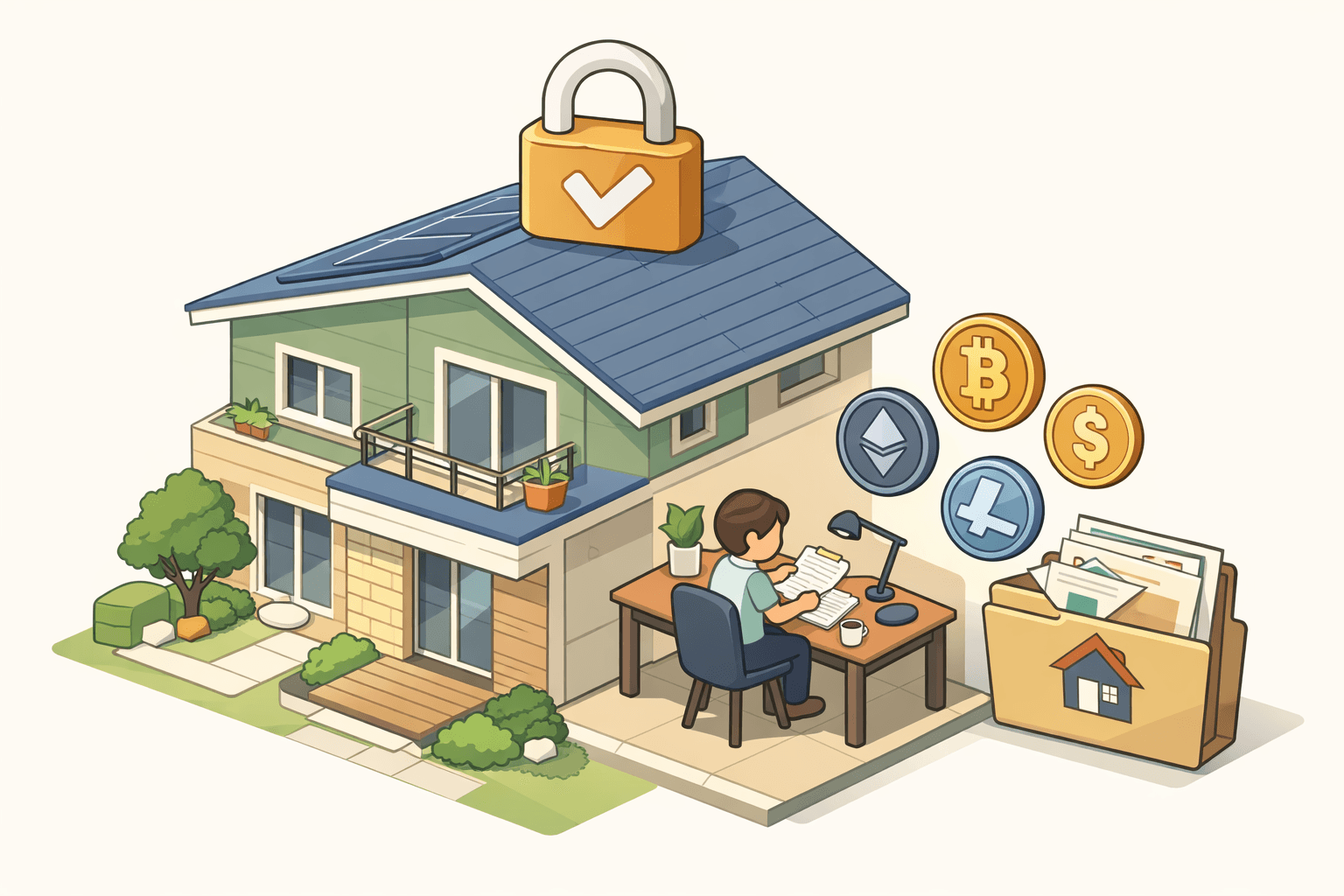
Refinancing an adjustable-rate mortgage (ARM) can be a smart financial move — especially when rates are shifting or your loan's initial fixed period is about to end. But if a significant portion of your income comes from cryptocurrency mining, you may be wondering whether lenders will even consider your application. The good news is that the landscape is changing. More lenders are developing frameworks for evaluating options for refinancing ARM mortgage with crypto mining income, and with the right preparation, homeowners in this situation may find a viable path forward. This guide breaks down what you need to know, from how lenders view crypto earnings to which loan programs might work best for you.
Why ARMs Create Urgency for Crypto Miners Looking to Refinance
An adjustable-rate mortgage starts with a fixed interest rate for an introductory period — often five, seven, or ten years — before it begins adjusting periodically based on a benchmark index. Once that adjustment period begins, your monthly payment can rise significantly, which adds financial pressure to any household budget.
For cryptocurrency miners, this urgency is compounded by the volatile nature of their income. When crypto values are high, mining can be highly profitable. When markets dip, income can shrink quickly. Locking into a fixed-rate mortgage through a refinance can provide much-needed payment stability, making it easier to plan your finances regardless of what the crypto market does.
That said, pursuing an ARM refinance for cryptocurrency investors comes with unique challenges. Lenders generally prefer predictable, documentable income sources — and crypto mining income doesn't always fit neatly into traditional underwriting boxes. Understanding how lenders think about this type of earnings is the first step toward a successful refinance.
How Lenders Evaluate Crypto Mining Income for Mortgage Qualification
Conventional mortgage lenders, including those following Fannie Mae and Freddie Mac guidelines, have historically been cautious about counting cryptocurrency-related earnings as qualifying income. However, guidelines have gradually evolved. As of recent Fannie Mae updates, lenders may be permitted to use crypto assets in certain contexts — though specific rules can vary by lender and loan type.
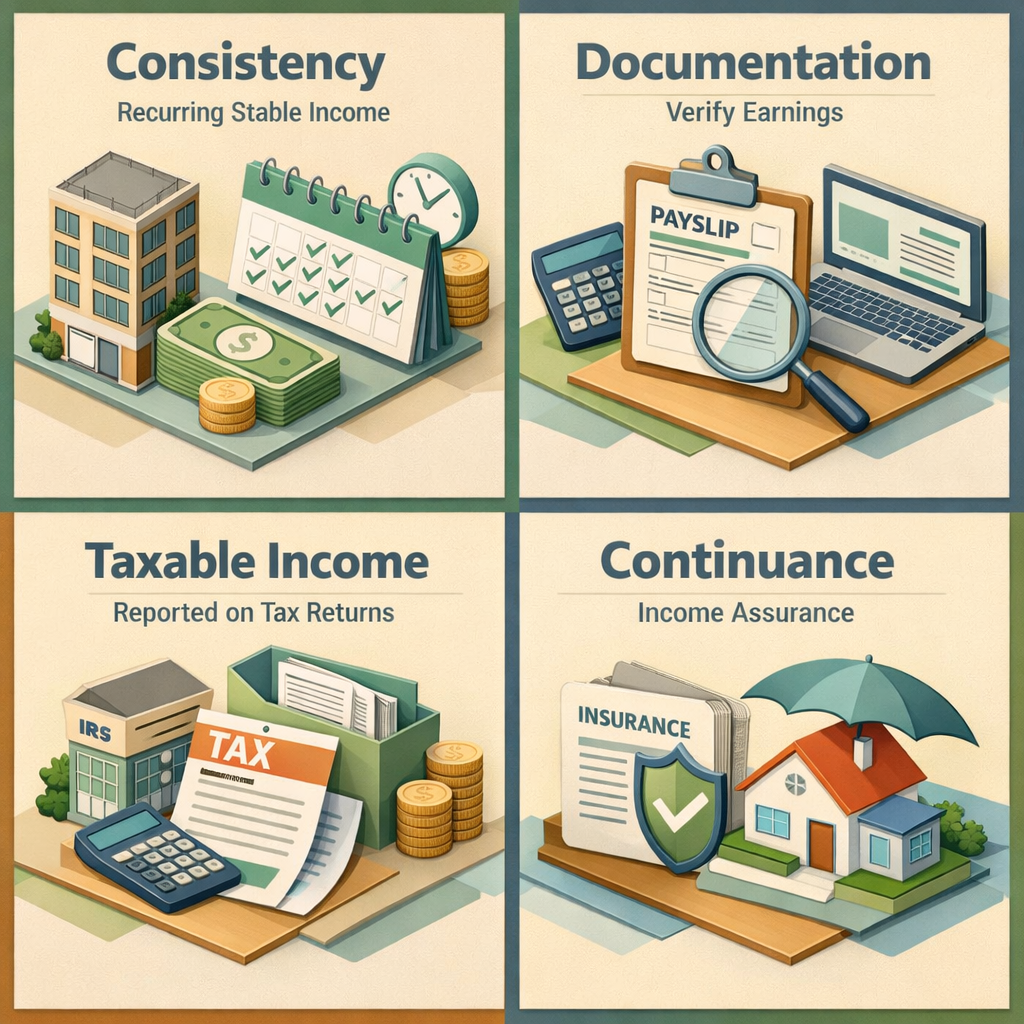
When evaluating a crypto income mortgage application, underwriters typically look for the following:
- Consistency: Is the mining income recurring and stable over a meaningful period, typically 12 to 24 months?
- Documentation: Can you provide tax returns, profit-and-loss statements, or mining platform records that verify earnings?
- Taxable income: Lenders generally require that crypto mining income be reported on your federal tax returns, since it's treated as self-employment income by the IRS.
- Continuance: Underwriters often want reasonable assurance that the income will continue for at least three years.
Because crypto mining is treated similarly to self-employment income, you may need to provide two years of tax returns, Schedule C filings, and possibly a year-to-date profit-and-loss statement. If your mining operation is structured as a business entity, business returns may also be required.
It's worth noting that lenders may apply a depreciation or expense deduction review, much like they do for any self-employed borrower. This could reduce the qualifying income figure used in underwriting, so it's important to work with a tax professional and an experienced mortgage advisor together.
Loan Programs That May Work for a Mortgage Refinance with Alternative Income
Not every loan program is equally accessible for borrowers with non-traditional income sources. Here's a look at some of the options that might be worth exploring:
Conventional Refinance Loans
If your crypto mining income is well-documented on tax returns and meets Fannie Mae or Freddie Mac requirements, a conventional refinance could be an option. You'll generally need a strong credit score — typically 620 or higher, though better rates are usually available to borrowers above 740 — along with a healthy debt-to-income ratio and sufficient home equity.
Non-QM (Non-Qualified Mortgage) Loans
Non-QM loans are often the go-to solution for borrowers whose income doesn't fit conventional guidelines. These loans are offered by portfolio lenders and private investors who set their own underwriting standards. For crypto miners, a non-QM lender might accept bank statement documentation, crypto wallet transaction history, or alternative income verification methods. The trade-off is that non-QM loans may carry higher interest rates and fees compared to conventional products.
Bank Statement Loans
A subset of non-QM lending, bank statement loans allow self-employed borrowers — including those with crypto mining businesses — to qualify based on 12 to 24 months of bank deposits rather than traditional tax returns. If your mining income flows consistently into a business or personal bank account, this approach could help demonstrate your earning capacity even if tax deductions reduce your reported net income.
Asset Depletion or Asset Dissipation Loans
Some lenders offer programs that convert documented assets — including cryptocurrency holdings in some cases — into an imputed monthly income figure. This may be useful if you've accumulated significant crypto wealth but don't show high income on paper. Eligibility requirements and asset conversion formulas vary widely by lender.
Steps to Strengthen Your ARM Refinance Application as a Crypto Miner
Preparation is everything when you're approaching a mortgage refinance with alternative income. Taking deliberate steps before you apply can significantly improve your chances of approval and help you secure more favorable terms.
- File thorough tax returns: Make sure your crypto mining income is accurately reported on your federal and state tax returns for at least the past two years. Work with a CPA who understands cryptocurrency taxation.
- Maintain detailed records: Keep organized records of your mining activity, including wallet addresses, platform statements, transaction histories, and income summaries.
- Build or protect your credit score: A higher credit score opens more doors. Pay down existing debt, avoid opening new credit accounts before applying, and dispute any errors on your credit report.
- Maximize home equity: Lenders are more comfortable with lower loan-to-value ratios. If possible, pay down your current mortgage balance or wait until your home's value has appreciated further.
- Reduce your debt-to-income ratio: Paying off installment loans or credit card balances can lower your DTI, making you a more attractive refinance candidate.
- Work with a specialized mortgage broker: A broker with experience in non-traditional income lending can match you with lenders who are more likely to view your application favorably.
Understanding the Risks and Rewards of Locking In a Fixed Rate
When you refinance an ARM into a fixed-rate mortgage, you're trading payment uncertainty for predictability. For crypto miners whose income can fluctuate significantly with market cycles, this trade-off often makes good financial sense. A fixed payment means you always know exactly what you owe each month, regardless of what Bitcoin, Ethereum, or other cryptocurrencies are doing.
However, there are real costs to consider. Refinancing typically involves closing costs ranging from 2% to 5% of the loan amount, which can be substantial. If interest rates have risen since you took out your original ARM, you might be refinancing into a higher rate — though you'd still gain the benefit of payment stability.
It's also worth calculating your break-even point: how long it'll take for your monthly savings (if any) to offset the upfront closing costs. If you plan to sell the home in the near future, refinancing may not be worth it. On the other hand, if you intend to stay long-term and your ARM is about to reset to a much higher rate, locking in now could save you a meaningful amount over time.
Always run the numbers carefully with a mortgage advisor who understands both your crypto income situation and your broader financial goals.
What to Expect During the Underwriting Process
Once you've submitted your refinance application, the underwriting process can be more involved for borrowers with non-traditional income. Here's a general sense of what you might encounter:
Underwriters may request additional documentation beyond the standard package. This could include letters of explanation for large deposits, detailed records of your mining operation, evidence of continued mining activity, or documentation of crypto wallets and exchange accounts. Be prepared to respond promptly and thoroughly — delays in providing documents can extend your closing timeline.
Some lenders may also apply more conservative income calculations. For example, if your mining income fluctuated significantly between years, the lender might average the two years or use the lower of the two figures. Understanding how a specific lender will treat your income before you apply can save you time and frustration.
If you're working with a non-QM lender, the guidelines may be more flexible but the scrutiny can still be rigorous. These lenders manage their own risk, and they'll want to feel confident in your ability to repay before approving a refinance.
●Conclusion
Navigating the options for refinancing ARM mortgage with crypto mining income isn't always straightforward, but it's far from impossible. The key is understanding how lenders view cryptocurrency earnings, choosing the right loan program for your situation, and presenting your financial picture in the most organized and compelling way possible. Whether you qualify for a conventional refinance or need a non-QM solution, there are pathways worth exploring — especially if your ARM is approaching a rate adjustment that could strain your budget. Connect with a LoanWise mortgage advisor today to discuss your specific situation and find the refinance strategy that fits your financial goals.