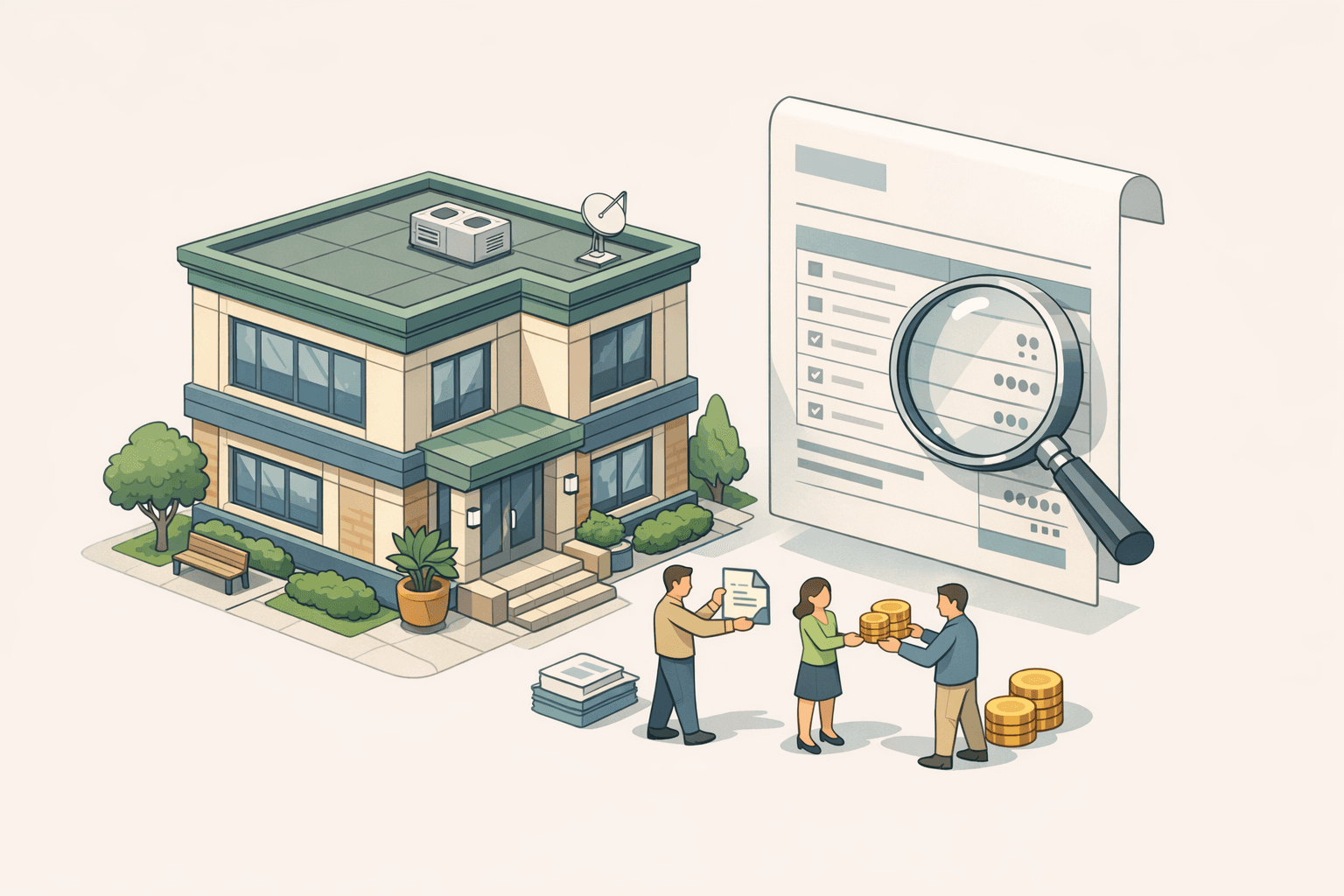
For many small business owners and entrepreneurs, one of the most frustrating challenges isn't finding customers — it's waiting to get paid. When clients take 30, 60, or even 90 days to settle invoices, your ability to cover payroll, purchase inventory, or pursue new opportunities can stall. That's where invoice financing comes in. This flexible lending solution allows businesses to convert their outstanding invoices into immediate working capital, keeping operations running smoothly even when cash flow is tight. In this guide, we'll break down how invoice financing works, who it's best suited for, and how to decide if it's the right fit for your business.
What Is Invoice Financing and How Does It Work?
Invoice financing — sometimes called accounts receivable financing — is a form of short-term borrowing where a business uses its unpaid invoices as collateral to access funds. Instead of waiting weeks or months for a client to pay, you can receive a significant portion of the invoice's value upfront from a lender or factoring company.
There are two primary forms of invoice financing worth understanding:
- Invoice factoring: The business sells its outstanding invoices to a third-party company (a factor) at a discount. The factor then collects payment directly from your clients. This option is particularly useful if you'd rather hand off the collections process entirely.
- Invoice discounting: The business borrows against the value of its invoices but retains control of the collections process. Clients may not even know a lender is involved, which can help preserve professional relationships.
Typically, a lender might advance a percentage of the invoice value — often somewhere in the range of 70% to 90% — and then release the remaining balance, minus fees, once the client pays. The exact terms will vary depending on the lender, the creditworthiness of your clients, and the size of your invoices.
Who Can Benefit Most From Invoice Factoring?
Invoice financing tends to be especially well-suited for certain types of businesses and industries. If your company regularly issues invoices with extended payment terms to other businesses or government entities, this type of financing could be a strong fit.
Industries that commonly use invoice factoring include:
- Staffing and recruitment agencies that must pay employees weekly but may wait months for client payments
- Freight and trucking companies dealing with long payment cycles from brokers and shippers
- Wholesale and distribution businesses managing large inventory costs before receiving payment
- Construction and contracting firms working on milestone-based billing schedules
- Professional services companies such as consulting and marketing firms with net-30 or net-60 payment terms
Small business owners who are newer or have limited credit history may also find invoice financing more accessible than traditional bank loans, since approval is often based more on the creditworthiness of your customers rather than your own credit profile. This makes it a potentially valuable tool for entrepreneurs who might not yet qualify for conventional business financing.
Understanding the Costs: Fees and Rates to Watch For
While invoice financing can provide fast access to working capital, it's important to understand the associated costs before committing. The pricing structure can vary significantly between providers, and what looks like a small fee can add up quickly if invoices take a long time to be paid.
Common costs associated with invoice financing include:
- Factoring fees (discount rates): These are typically calculated as a percentage of the invoice value and may be charged weekly or monthly. Rates can vary widely depending on industry, volume, and client risk.
- Advance rate deductions: The portion withheld until final payment is received, sometimes called the reserve amount.
- Processing or origination fees: Some lenders charge a one-time setup or administrative fee when you open an account.
- Due diligence fees: Applied when the factor assesses the creditworthiness of your clients before agreeing to purchase invoices.
When comparing providers, it's wise to ask for a clear breakdown of all fees and calculate the annualized cost of capital. In some cases, the effective annual rate of invoice financing may be higher than other borrowing options. However, the speed and flexibility it offers may justify the cost, especially when cash flow is critical to keeping your business on track.
Invoice Financing vs. Traditional Business Loans: Key Differences
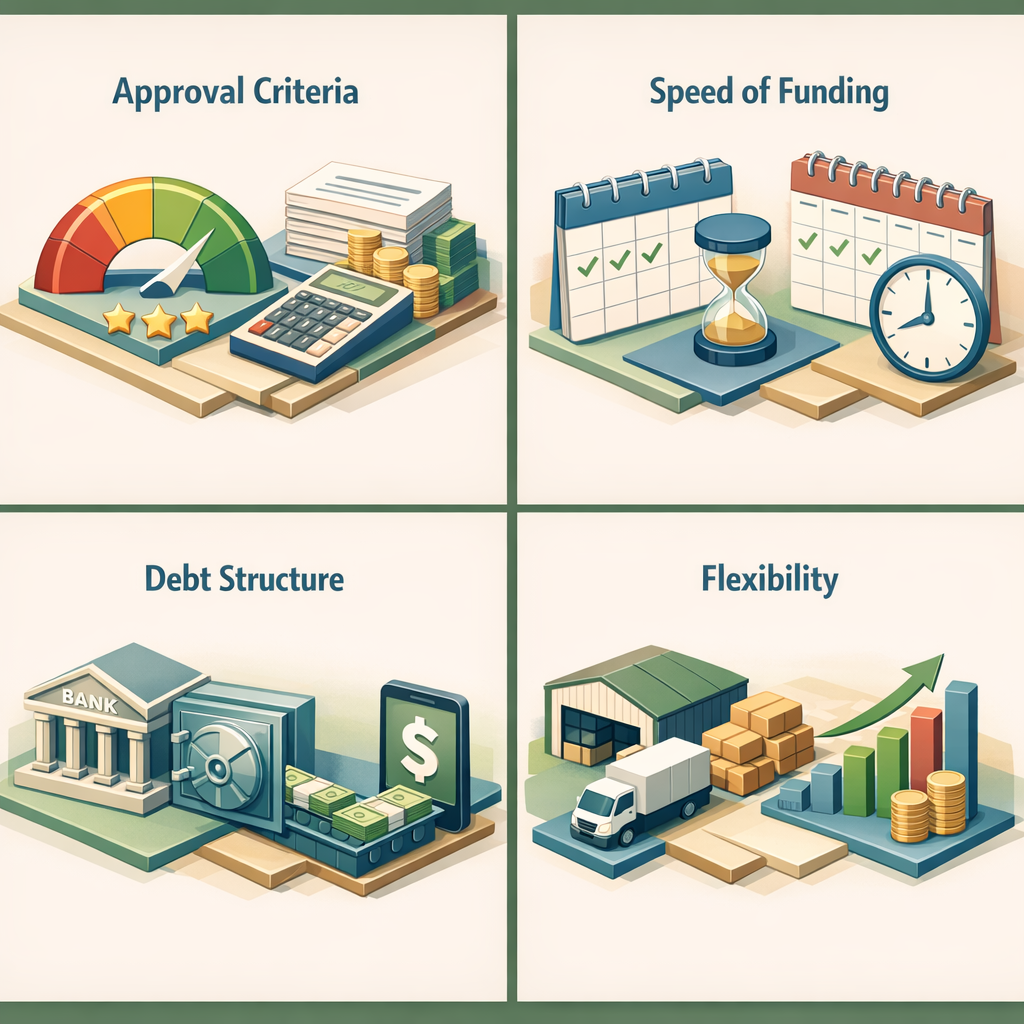
It helps to understand how invoice financing stacks up against more conventional forms of business lending. Both options can provide capital, but they serve different needs and come with different qualification requirements.
Here's how the two generally compare:
- Approval criteria: Traditional business loans typically require strong personal and business credit scores, detailed financial statements, tax returns, and often collateral. Invoice financing, on the other hand, tends to place more weight on the creditworthiness of the businesses that owe you money.
- Speed of funding: Invoice financing can often be arranged in days rather than weeks or months, making it more responsive to immediate cash flow needs.
- Debt structure: With invoice factoring, you're not taking on new debt in the traditional sense — you're accessing money already owed to your business. This may help preserve your debt-to-income ratios for future financing needs.
- Flexibility: Invoice financing scales naturally with your sales volume. The more invoices you generate, the more capital you can potentially access.
That said, traditional term loans or lines of credit may offer lower overall costs if your business qualifies, and they don't require you to share client information with a third party. The best option depends on your specific financial situation, growth goals, and how quickly you need funds.
Evaluating Lenders: What to Look for in an Invoice Financing Partner
Choosing the right invoice financing partner is just as important as choosing the right loan product. Not all factoring companies operate the same way, and the quality of their client communication can directly affect your business relationships.
When evaluating potential lenders, consider the following:
- Recourse vs. non-recourse factoring: With recourse factoring, your business remains responsible if a client fails to pay. Non-recourse factoring shifts that risk to the factor, but often comes with higher fees. Understanding which type you're agreeing to is essential.
- Contract terms and minimum volumes: Some providers require long-term contracts or minimum monthly invoice volumes, which may not suit all businesses. Look for flexibility in contract length when possible.
- Notification practices: With factoring, your clients are typically notified that a third party is handling collections. If maintaining a seamless client experience is important to you, invoice discounting — where collections stay in-house — may be worth exploring.
- Customer service and transparency: A reputable lender should be upfront about all fees, timelines, and processes. Ask for references or check independent reviews before signing any agreement.
Working with a knowledgeable lending advisor or commercial broker can also help you compare options across multiple providers, saving time and potentially securing more favorable terms.
How Invoice Financing Fits Into a Broader Business Funding Strategy
Invoice financing works best when it's viewed as one tool in a broader financial toolkit rather than a standalone solution. Many growing businesses use it in combination with other financing options to maintain healthy working capital at different stages of their development.
For example, a small business owner might use invoice financing to bridge short-term cash gaps while simultaneously building the credit profile needed to qualify for an SBA loan or business line of credit in the future. Others may use it alongside equipment financing or commercial real estate loans when expanding operations.
Here are a few strategic considerations for incorporating invoice financing into your business plan:
- Use it to fund growth, not just survive: Rather than tapping factoring only during cash crunches, consider using it proactively to fund new hires, marketing campaigns, or inventory purchases that help you scale.
- Monitor your customer payment behavior: Since the quality of your invoices depends on your clients' reliability, keep a close eye on payment trends. Clients who consistently pay late can increase your factoring costs.
- Revisit your financing mix regularly: As your business matures and your credit profile strengthens, you may qualify for more cost-effective lending options. Periodically reviewing your financing strategy helps ensure you're not overpaying for capital.
●Conclusion
Invoice financing can be a powerful and flexible solution for small business owners and entrepreneurs who need faster access to the capital already tied up in their receivables. By converting unpaid invoices into immediate working capital, businesses can keep operations moving, pursue growth opportunities, and avoid the stress of waiting on slow-paying clients. As with any financial product, it's important to carefully evaluate the costs, contract terms, and provider reputation before moving forward. If you're unsure which financing option is right for your business, speaking with an experienced lending advisor can help you explore the full range of possibilities — and find a solution that supports your goals both today and in the future.