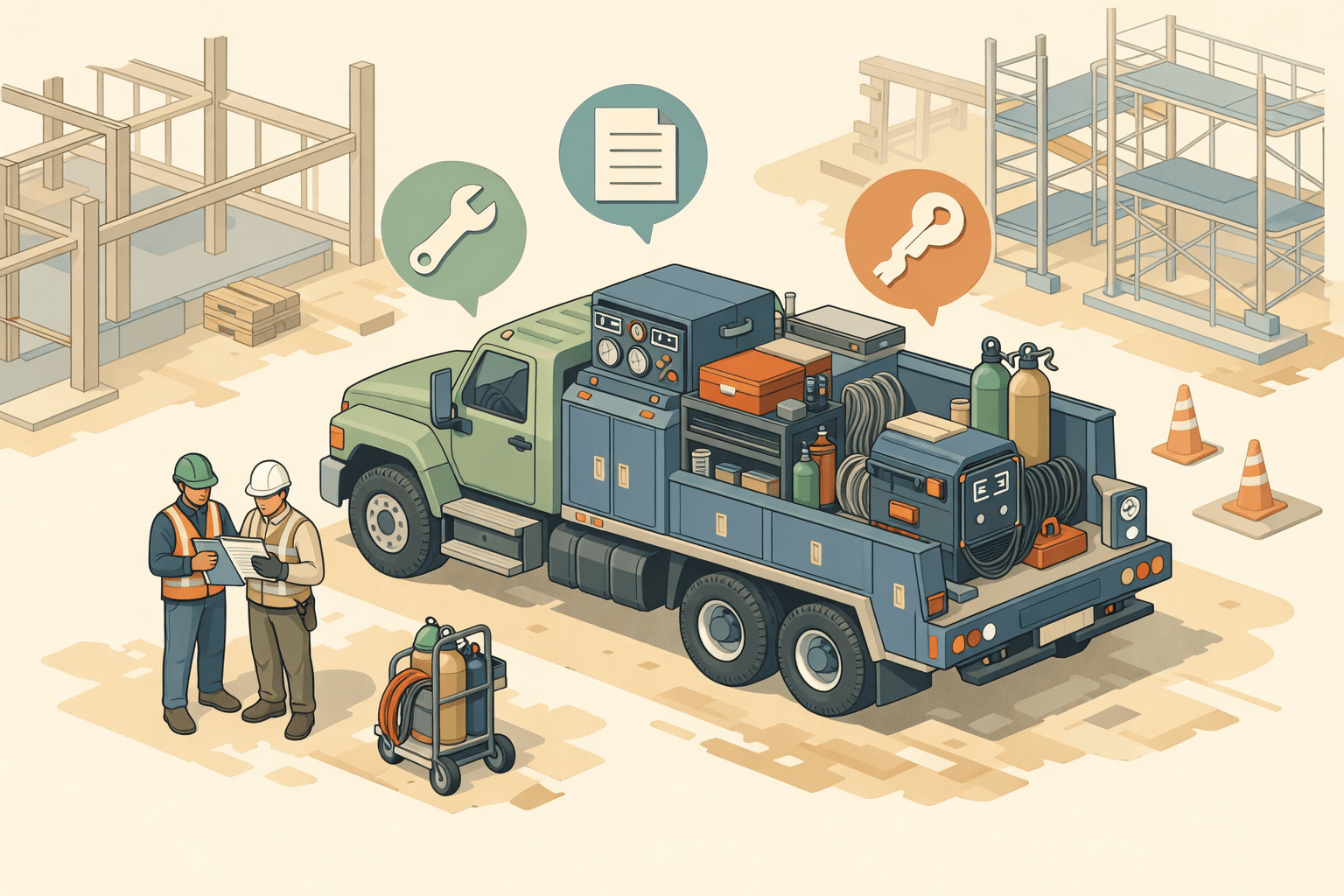
If you run a construction business or work as a welding contractor, having the right equipment on the job site can make or break a project. A portable welding rig is more than just a truck with tools — it's a fully outfitted mobile workspace that lets you take on jobs across multiple sites without missing a beat. But these rigs don't come cheap. Depending on the setup, a fully equipped portable welding rig could cost anywhere from tens of thousands to well over a hundred thousand dollars. That's where equipment financing comes in. Understanding how to secure equipment financing for a portable welding rig for construction projects could be the key to scaling your business without draining your working capital.
What Is a Portable Welding Rig and Why Does It Matter for Construction?
A portable welding rig typically consists of a heavy-duty truck or trailer outfitted with welding machines, fuel tanks, tool storage, safety gear, and sometimes a generator. These mobile units allow welding professionals to travel directly to construction sites, pipelines, bridges, and industrial facilities — wherever the work is.
For small business owners and independent contractors in the construction industry, owning a portable welding rig is often the difference between landing large contracts and being limited to local, small-scale jobs. It signals professionalism, reliability, and capacity. Without one, you may find yourself renting equipment at a high cost or turning down lucrative opportunities.
Because these rigs are specialized and expensive, most small business owners can't purchase them outright. That's why equipment financing for portable welding rig construction solutions have become increasingly popular among contractors looking to grow their operations strategically.
Types of Equipment Financing Options Available to Construction Contractors
When it comes to financing a portable welding rig, there's no one-size-fits-all solution. Lenders offer several types of funding structures, and choosing the right one depends on your business goals, cash flow, and credit profile.
Equipment Loans
An equipment loan is one of the most straightforward financing options. The lender provides a lump sum that you use to purchase the rig outright. The equipment itself typically serves as collateral, which may make it easier to qualify compared to unsecured business loans. You'll make fixed monthly payments over a set term — often ranging from two to seven years — and own the rig at the end of the loan.
Equipment Leasing
Equipment leasing works differently. Instead of buying the rig, you're essentially renting it from a lender or leasing company for a specified period. At the end of the lease, you may have the option to purchase the equipment, renew the lease, or return it. Leasing can offer lower monthly payments and may allow you to upgrade to newer equipment more easily, which matters in a field where technology evolves.
SBA Loans for Equipment
The U.S. Small Business Administration offers loan options — notably the SBA 7(a) and SBA 504 — that can be used to finance equipment purchases. SBA loans often come with competitive interest rates and longer repayment terms, making them attractive for small business owners. However, they typically require more documentation and a longer approval timeline compared to private lenders.
Business Lines of Credit
A business line of credit gives you access to a revolving pool of funds that you can draw from as needed. While not always the ideal primary source for large equipment purchases, a line of credit could supplement a down payment or cover related setup costs for your welding rig.
What Lenders Look For When You Apply for Equipment Financing
Before approving your financing application, lenders will evaluate several factors to assess your creditworthiness and the risk associated with the loan. Knowing what lenders look for can help you prepare a stronger application.
Credit Score and History
Both your personal and business credit scores may be reviewed, especially if your business is relatively new. A higher credit score generally improves your chances of approval and may result in more favorable interest rates. Many equipment lenders work with borrowers who have scores in the mid-600s or higher, though some alternative lenders may consider lower scores with compensating factors.
Time in Business
Lenders often prefer businesses that have been operating for at least one to two years. Startups and newer contractors may face stricter requirements or higher rates, but specialized lenders do exist who cater to newer businesses in the construction and trades industries.
Revenue and Cash Flow
Demonstrating consistent revenue and healthy cash flow shows lenders that you can comfortably manage loan payments without putting your business at financial risk. Be prepared to provide recent bank statements, profit and loss statements, and tax returns.
Down Payment Readiness
Some lenders may require a down payment — often ranging from ten to twenty percent of the equipment's purchase price. Having this ready can strengthen your application and potentially reduce your monthly payment obligations.
The Equipment Itself
Because the rig serves as collateral, lenders will often want details about the equipment — including its age, condition, make, and appraised value. Newer equipment may be easier to finance, while older or heavily used rigs could present more scrutiny.
Step-by-Step: How to Secure Equipment Financing for a Portable Welding Rig for Construction Projects
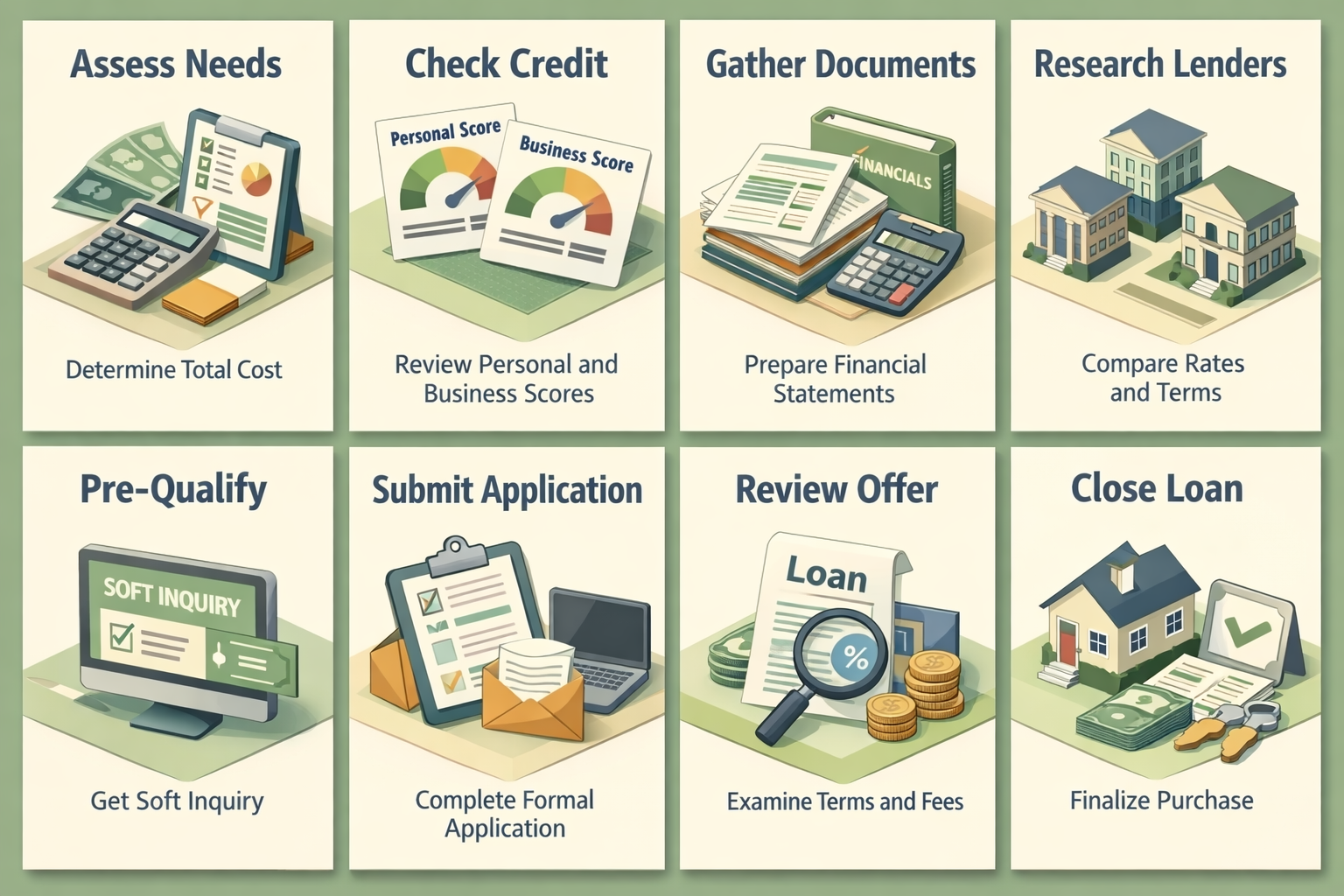
Following a clear process can significantly improve your approval odds and help you find the most competitive financing terms. Here's a practical roadmap to guide you through.
- Assess your financing needs: Determine the total cost of the rig, including the vehicle, welding machines, accessories, and any customization. This helps you identify the right loan amount and structure.
- Check your credit profile: Pull both your personal and business credit reports before applying. Address any errors, outstanding collections, or derogatory marks that could hurt your application.
- Gather your financial documents: Prepare at least two years of tax returns, recent bank statements, a profit and loss statement, and any existing business licenses or contractor certifications.
- Research lenders: Compare equipment lenders, including banks, credit unions, SBA-approved lenders, and online alternative lenders. Look at rates, terms, fees, and their experience with construction industry clients.
- Get pre-qualified or pre-approved: Many lenders offer a soft inquiry pre-qualification that won't impact your credit score. This gives you a realistic picture of what you may qualify for before submitting a full application.
- Submit your application: Complete the formal application with your chosen lender. Be thorough and accurate — incomplete applications can delay the process significantly.
- Review your loan offer carefully: Don't just look at the monthly payment. Examine the total cost of financing, interest rate, repayment term, prepayment penalties, and any hidden fees.
- Close the loan and acquire the equipment: Once approved and terms are agreed upon, finalize the purchase with your lender's funding and take possession of your portable welding rig.
Tips to Strengthen Your Application and Get Better Terms
Getting approved is one goal — but getting good terms is equally important. The following strategies may help you position your application more favorably in the eyes of lenders.
Build Your Business Credit Before Applying
If your business credit profile is thin or underdeveloped, consider taking steps to build it up before applying. Open a business credit card, establish trade lines with suppliers, and make sure your business is properly registered and has a separate EIN and business bank account.
Work With a Lender Experienced in Construction Financing
Not all lenders understand the nuances of the construction and trades industries. Working with one that specializes in equipment financing for contractors could result in more flexible underwriting, better rates, and a smoother process overall.
Offer Additional Collateral if Needed
If your credit or business history is limited, offering additional collateral — such as other business assets or equipment — might help you qualify or secure a lower interest rate.
Consider a Co-Signer or Business Partner
In some cases, having a co-signer with strong credit could improve your approval odds if your own profile is borderline. This is more common with newer businesses that haven't yet established a robust financial track record.
Show Proof of Upcoming Contracts
Lenders love to see that your investment will generate revenue. If you have signed contracts or letters of intent from construction clients, include those in your application package. It demonstrates that the rig will be put to productive use right away.
Understanding the Costs: What to Expect With Equipment Loan Terms
Before signing on the dotted line, it's important to fully understand what equipment financing will actually cost your business over time. The monthly payment is just one piece of the puzzle.
Interest rates on equipment loans can vary widely depending on your credit profile, the lender type, loan term, and the age and condition of the equipment. Traditional bank loans may offer lower rates, while online or alternative lenders may charge more in exchange for faster approvals and more flexible qualification criteria.
Loan terms for equipment financing typically range from two to seven years. Longer terms mean lower monthly payments but more interest paid over the life of the loan. Shorter terms cost more per month but reduce your total financing cost. Choosing the right term should align with your expected cash flow and how long you plan to use the rig.
Also watch out for origination fees, documentation fees, prepayment penalties, and end-of-lease purchase options if you're going the leasing route. Always ask lenders for a full breakdown of all fees before committing to any financing agreement.
●Conclusion
Financing a portable welding rig is a significant investment, but it's one that can pay off substantially when your construction business is ready to take on bigger, more profitable projects. By understanding your financing options, knowing what lenders look for, and following a structured application process, you can move forward with confidence. Whether you pursue an equipment loan, an SBA program, or a specialized lender in the trades space, the key is preparation. At LoanWise, we're here to help small business owners and contractors like you navigate the lending landscape and find financing solutions that work. Take the next step today and explore your equipment financing options — your next big construction contract may depend on it.