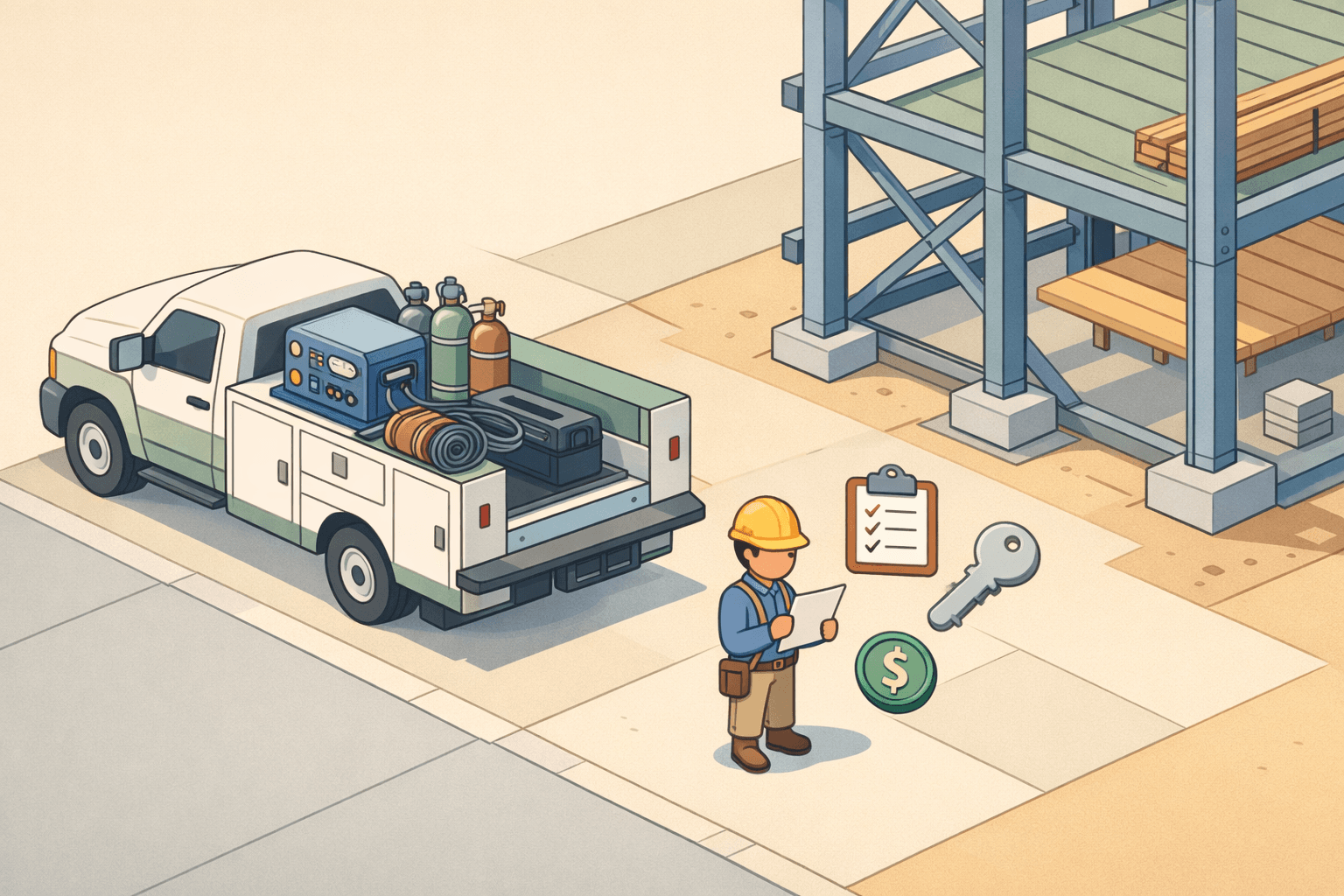
For small business owners and independent contractors in the construction industry, having the right tools on the job site can make or break a project. A portable welding rig is one of those pieces of equipment that can significantly expand your capabilities — allowing you to take on structural steel, pipeline, and fabrication work that your competitors may not be equipped to handle. But these rigs don't come cheap. Between the welding machine, the service truck, the generator, and the supporting tools, the total cost can quickly climb into the tens of thousands of dollars. That's why understanding how to secure equipment financing for a portable welding rig for construction is so important. With the right financing approach, you can acquire the equipment you need without draining your working capital, keeping your business lean and ready for growth.
What Is Equipment Financing and Why It Matters for Contractors
Equipment financing is a type of business loan specifically designed to help companies purchase or lease the physical assets they need to operate. Unlike a general-purpose term loan, equipment financing is typically secured by the equipment itself — meaning the rig you're purchasing often serves as the collateral. This structure can make it easier to qualify, even if your business is relatively young or your credit history isn't perfect.
For construction contractors, this matters a great deal. Cash flow in the construction industry tends to be cyclical — you may have periods of strong revenue followed by slower months between contracts. Tying up a large lump sum of capital in a single piece of equipment could leave you short when you need funds for payroll, materials, or bonding. Equipment financing lets you spread that cost over time, aligning your payments more closely with the revenue the rig helps you generate.
There are two primary structures you'll encounter: equipment loans and equipment leases. With a loan, you own the equipment outright once the loan is repaid. With a lease, you may have the option to purchase the equipment at the end of the term, return it, or upgrade to newer machinery. Each approach has its own tax implications and cash flow profile, so it's worth speaking with a financial advisor or your lender to determine which fits your business model best.
Understanding the True Cost of a Portable Welding Rig Setup
Before you approach any lender, it's important to have a clear picture of exactly what you're financing. A portable welding rig for construction isn't just the welding machine — it's a complete mobile work system. Depending on your trade specialization and the type of work you're bidding on, a full setup might include:
- The welding machine: Engine-driven welders suitable for field use can range widely in price depending on amperage, brand, and whether they include multi-process capabilities.
- The service truck or flatbed: The vehicle that carries the rig is often the most significant cost component. A properly outfitted service truck can be a major investment on its own.
- Auxiliary power and fuel systems: Generators, fuel tanks, and battery systems add to the total.
- Hand tools, consumables, and safety gear: While these are smaller line items, they add up and should be factored into your financing request.
- Storage and organization systems: Tool boxes, crane systems, and service body configurations contribute to total cost.
When you approach a lender, having a detailed, itemized quote from a dealer or supplier will strengthen your application. It shows that you've done your homework and gives the underwriter a clear picture of the asset being financed. Some lenders may finance the entire turnkey package, while others may require you to finance the vehicle and the welding equipment separately through different programs.
Key Financing Options for Welding Equipment in the Construction Industry
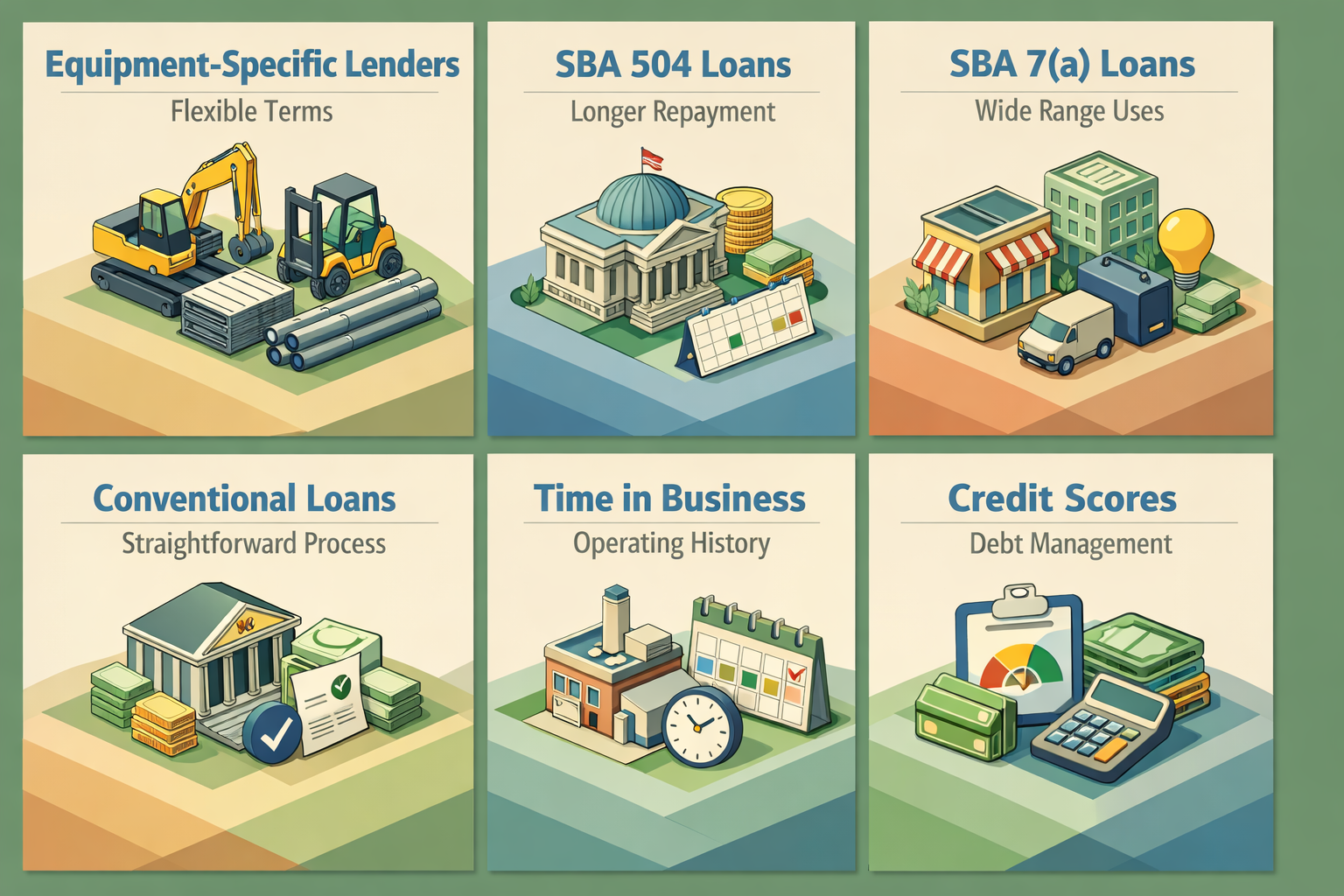
When it comes to welding equipment financing for construction businesses, you have several paths to explore. Each comes with its own eligibility requirements, terms, and advantages. Understanding your options helps you make a more informed decision and approach the right lender with confidence.
Equipment-Specific Lenders and Finance Companies
Many lenders specialize exclusively in equipment financing for trades and construction. These companies understand the asset class well and may offer more flexible terms than a traditional bank. They often have streamlined application processes and may be able to fund your rig faster than a conventional lender. Because the equipment itself secures the loan, credit requirements may be somewhat more accessible — though your business credit profile and time in business will still factor into the lender's decision.
SBA 504 Loans for Fixed Assets
The U.S. Small Business Administration's 504 loan program is designed specifically for the purchase of fixed assets, including equipment. This program typically involves a partnership between a Certified Development Company (CDC), a conventional lender, and the borrower. SBA 504 loans may offer longer repayment terms and competitive rates compared to conventional equipment loans, which could make them an attractive option for larger welding rig packages. However, the application process can be more involved and may take longer to complete.
SBA 7(a) Loans
The SBA 7(a) program is the SBA's most flexible loan type and can be used for a wide range of business purposes, including equipment purchases. If you need to finance not just the welding rig but also working capital or other business needs, a 7(a) loan might provide the flexibility you're looking for. Repayment terms for equipment under a 7(a) loan can extend up to ten years, depending on the lender and your specific situation.
Conventional Business Term Loans
Many banks and credit unions offer straightforward business term loans that can be used to purchase equipment. If your business has strong financials, an established credit history, and a solid banking relationship, a conventional term loan may be a competitive option. These loans may require more documentation but could offer favorable terms for well-qualified borrowers.
What Lenders Look for When You Apply
Knowing how to secure equipment financing for a portable welding rig for construction means understanding what underwriters are actually evaluating when they review your application. While requirements vary by lender and loan program, there are several common factors that most lenders consider.
Time in Business
Most conventional lenders and SBA programs prefer to see at least two years of operating history. Some equipment finance companies may work with businesses that have been operating for as little as one year, though newer businesses may face higher interest rates or down payment requirements. Startups may need to explore alternative lenders or consider whether a smaller initial rig purchase might help them build a track record before financing a larger setup.
Business and Personal Credit Scores
Your credit profile — both personal and business — signals to lenders how reliably you manage debt. A stronger credit score typically opens the door to better terms and lower rates. If your scores need improvement, it may be worth spending several months paying down existing balances and resolving any derogatory items before applying. Even modest improvements in your credit profile could meaningfully affect the cost of financing over a multi-year term.
Revenue and Cash Flow
Lenders want to see that your business generates enough consistent revenue to support the new loan payment. Expect to provide bank statements, tax returns, and potentially profit and loss statements. The more clearly your financials demonstrate strong, recurring revenue from construction contracts, the more confident a lender will be in approving your application.
Down Payment Readiness
Many equipment loans require a down payment, often in the range of ten to twenty percent of the total cost, though this varies. Having some capital to put down demonstrates financial commitment and reduces the lender's risk. If you don't have a significant down payment available, some lenders may still work with you, particularly if the equipment holds strong resale value and your overall financial profile is solid.
Preparing Your Application for Success
A well-prepared application can be the difference between a fast approval and a lengthy back-and-forth with underwriters. Here's how to set yourself up for the best possible outcome when applying for welding equipment financing in the construction industry.
- Gather your financial documents early: Most lenders will ask for two to three years of business and personal tax returns, recent bank statements, and year-to-date financials. Having these organized and ready to submit speeds up the process considerably.
- Get a detailed equipment quote: As mentioned earlier, an itemized quote from a reputable dealer adds credibility to your application and gives the lender clarity on the asset value.
- Prepare a brief business overview: A short description of your business, the types of construction projects you work on, and how the welding rig will directly generate revenue can help a loan officer understand and advocate for your application internally.
- Check your credit reports in advance: Review both your personal and business credit reports before applying. Dispute any errors you find, and be prepared to explain any negative items with context if needed.
- Know your numbers: Be ready to discuss your annual revenue, existing debt obligations, and projected revenue from the new equipment. Lenders appreciate borrowers who understand their own financial position.
It's also worth considering whether working with a loan broker or equipment finance specialist might help you navigate your options more efficiently. These professionals often have relationships with multiple lenders and can help match you with programs suited to your specific profile and equipment needs.
Managing Your Financing Smartly After Approval
Securing the loan is only the beginning. How you manage your equipment financing after approval can have a meaningful impact on your business's long-term financial health and your ability to finance future equipment purchases.
First, make your payments consistently and on time. Equipment loans that report to business credit bureaus can help you build a stronger business credit profile over time, which may make future borrowing easier and less expensive. Missing payments, on the other hand, not only risks repossession of the rig but can damage the credit profile you'll need for your next financing round.
Second, keep a close eye on the utilization of your welding rig. Track the revenue it generates relative to your monthly loan payment and operating costs. This kind of simple return-on-investment thinking helps you make smarter decisions about future equipment investments and gives you data to share with lenders when you're ready to expand your fleet.
Third, consider your end-of-term options if you've entered a lease arrangement. At lease maturity, you'll typically have the choice to purchase the equipment, return it, or roll into a new lease. Understanding these options in advance — and planning for them — ensures you're not caught off guard when the term ends.
Finally, maintain the equipment diligently. A well-maintained portable welding rig holds its value better, which protects the collateral position and gives you more flexibility if you ever need to refinance or sell the asset.
●Conclusion
For construction contractors and small business owners looking to expand their capabilities, learning how to secure equipment financing for a portable welding rig for construction is a genuinely valuable skill. The right financing strategy lets you acquire the equipment you need without compromising your working capital, giving your business the tools to bid on larger projects, serve more clients, and grow sustainably over time. Whether you pursue an equipment-specific lender, an SBA program, or a conventional business loan, the key is to come prepared — with clean financials, a clear equipment quote, and a solid understanding of what lenders are looking for. At LoanWise, we're here to help small business owners and entrepreneurs navigate the lending landscape with confidence. Reach out today to explore your equipment financing options and take the next step toward putting your portable welding rig to work on your next construction project.