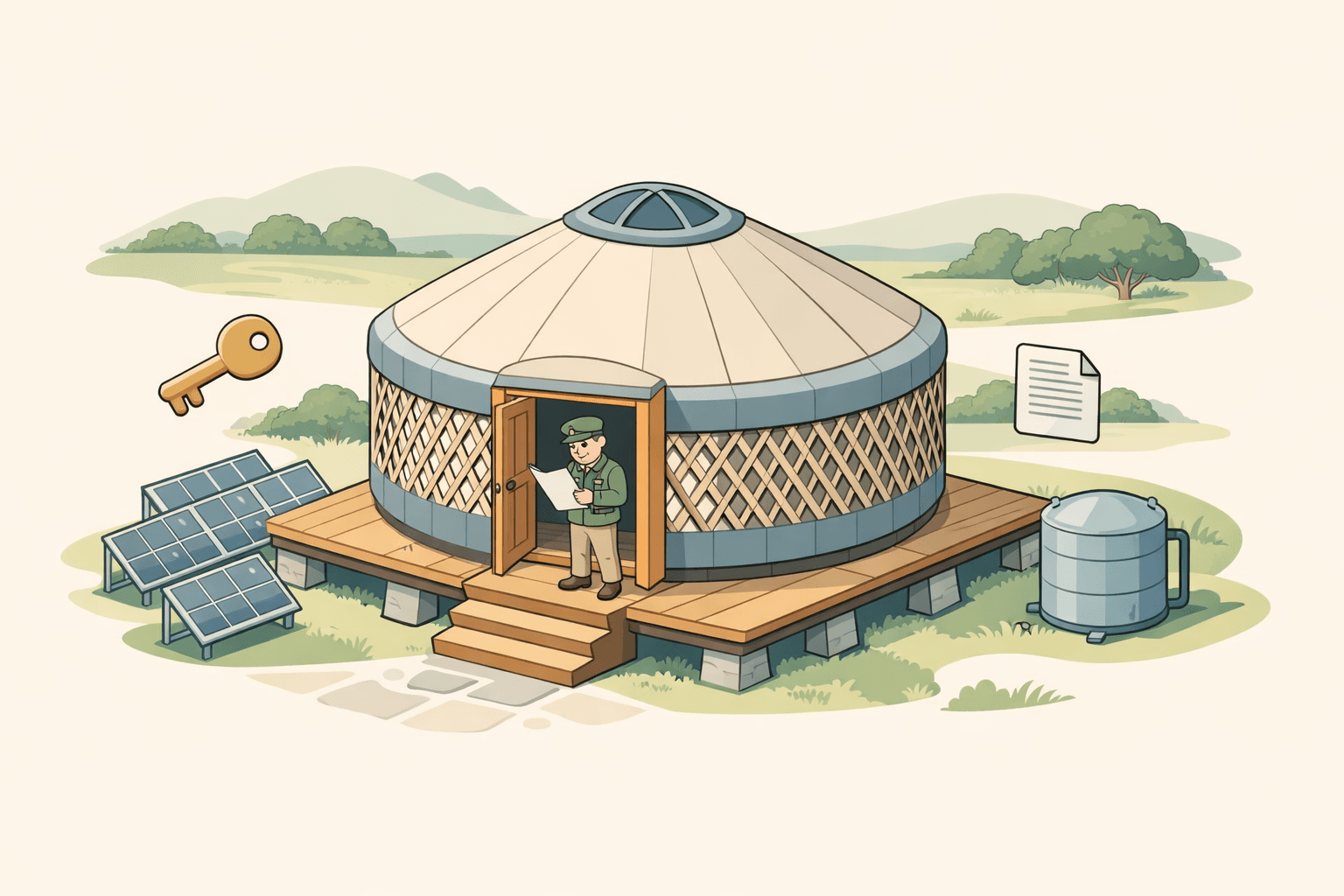
Veterans who've earned their VA home loan benefit often dream of using it to finance a unique, off-the-beaten-path lifestyle — and for many, that means living in an off-grid yurt. But understanding how to qualify for a VA loan with off-grid yurt living in mind is more complex than it might seem at first glance. The VA loan program is one of the most powerful home financing tools available to eligible service members, veterans, and surviving spouses. Yet it comes with specific property standards that can make non-traditional structures like yurts a challenging fit. This guide walks you through what you need to know, from VA loan basics and property eligibility to alternative financing paths worth exploring.
Understanding the VA Home Loan Program and Who It Serves
The VA home loan program, backed by the U.S. Department of Veterans Affairs, is designed to help eligible veterans, active-duty service members, and qualifying surviving spouses achieve homeownership. It's widely regarded as one of the most borrower-friendly mortgage programs available — offering benefits like no down payment requirement, no private mortgage insurance, and competitive interest rates.
To use a VA loan, borrowers must first obtain a Certificate of Eligibility (COE), which confirms their military service meets program requirements. From there, lenders assess creditworthiness, income stability, and the property itself. While the VA doesn't set a strict minimum credit score, most participating lenders typically look for a score of at least 620, though some may accept lower scores depending on other factors.
Debt-to-income ratio (DTI) is another key qualifier. The VA generally prefers a DTI at or below 41%, though lenders may allow higher ratios if compensating factors — like significant savings or strong residual income — are present. Residual income, which is the money left over after all major expenses are paid, is a unique and important part of VA loan qualification that distinguishes this program from conventional lending.
Understanding these baseline qualifications is essential before exploring whether a specific property type, like an off-grid yurt, can even enter the picture.
What Makes a Property VA Loan Eligible
The VA has clear minimum property requirements (MPRs) that any home must meet before a loan can be approved. These standards exist to protect both the veteran borrower and the government's financial interest in the loan. The property must be safe, structurally sound, and sanitary — terms that carry a lot of weight when it comes to non-traditional structures.
Key VA property requirements typically include:
- Permanent foundation: The home must be affixed to a permanent foundation. This is a significant hurdle for most yurts, which are often portable or semi-permanent circular structures.
- Safe access: The property must have year-round access via an all-weather road or driveway.
- Utilities and systems: The home must have access to safe drinking water, a working sewage system, adequate heating, and functioning electrical systems.
- Structural integrity: The property must be free from hazards that could affect the health or safety of occupants.
- Sufficient living space: The structure must include space for living, sleeping, cooking, and sanitation.
A VA-approved appraiser must inspect and appraise the property, confirming it meets these standards. If the property doesn't pass, the loan won't move forward unless repairs or modifications bring it into compliance.
The Real Challenge: How VA Loan Rules Apply to Off-Grid Yurts
Here's where things get complicated for anyone researching how to qualify for a VA loan with off-grid yurt living as the goal. Most traditional yurts — the round, lattice-framed, fabric-covered structures rooted in Central Asian nomadic culture — are not built to meet VA MPRs. Here's why:
Permanent foundation issues: A standard yurt sits on a platform or deck that may not be considered a permanent foundation under VA guidelines. Without a permanent, fixed foundation, the structure typically cannot qualify as real property for loan purposes.
Off-grid utility concerns: VA loans require that a property have access to safe water and a proper sewage system. Off-grid setups often rely on rainwater collection, composting toilets, or solar power — systems that may or may not meet local code requirements, which in turn affects VA eligibility.
Appraisal and comparable sales challenges: VA appraisers use comparable sales (or "comps") to determine property value. Yurts are rare enough in most markets that finding comps can be extremely difficult, which may cause the appraisal process to stall or return an unusable result.
Classification as real property: For a structure to secure a mortgage of any kind, it typically must be classified as real property — permanently attached to owned land. Many yurts, especially those on rented or leased land, don't meet this standard.
That said, it's worth noting that regulations and lender interpretations can vary. Some veterans have successfully financed unconventional homes by working with experienced VA lenders who understand niche property types. If a yurt has been significantly upgraded — placed on a permanent foundation, connected to utilities, and permitted as a primary residence — it may have a better chance of clearing VA requirements, though it's far from guaranteed.
Steps to Explore VA Loan for Non-Traditional Housing
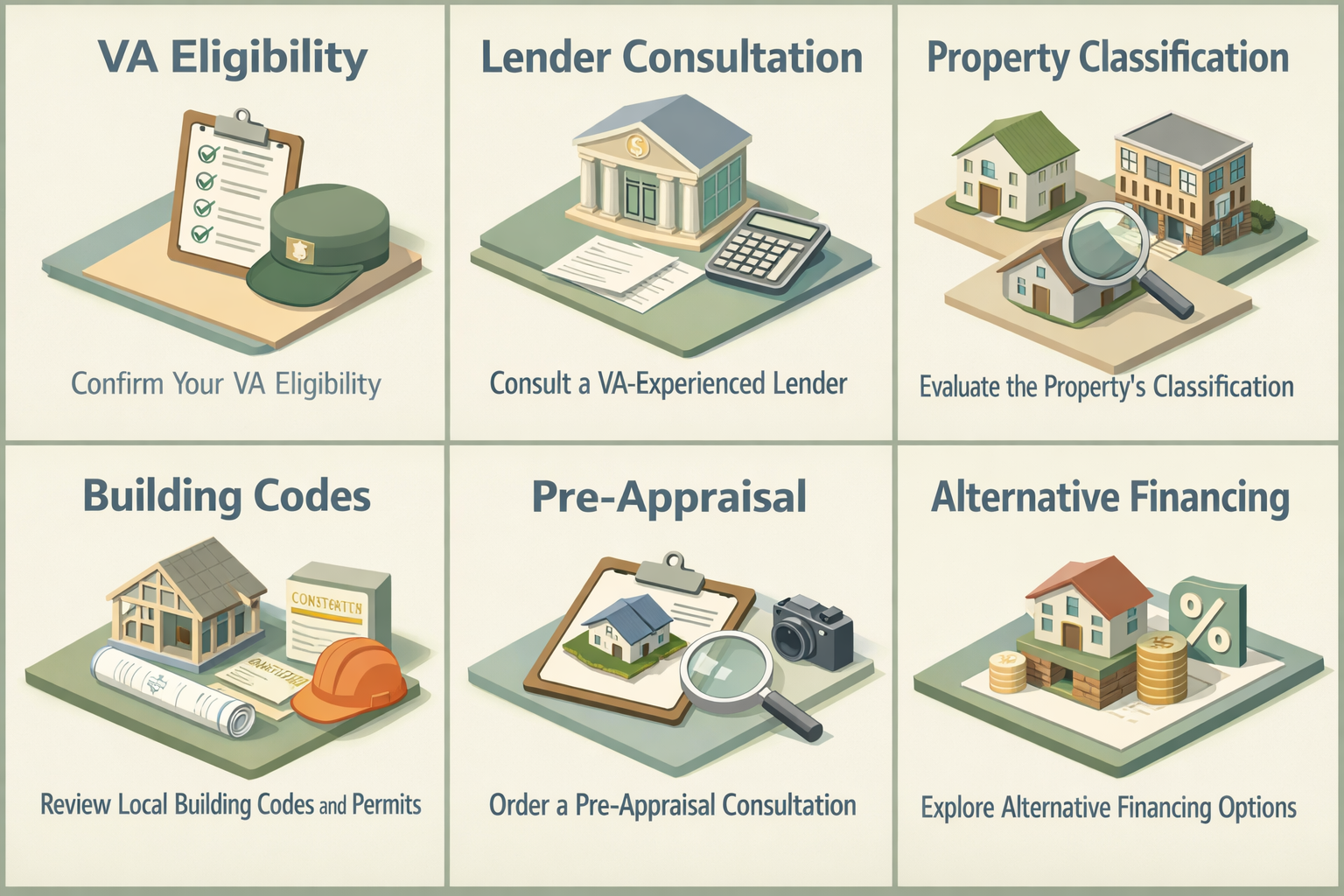
If you're a veteran seriously considering yurt financing via VA channels, it's wise to approach the process strategically. While success isn't guaranteed, taking the right steps early can save time and prevent costly surprises.
Step 1: Confirm Your VA Eligibility
Before anything else, request your Certificate of Eligibility through the VA's eBenefits portal or ask a VA-approved lender to pull it on your behalf. Knowing your entitlement is the foundation of any VA loan journey.
Step 2: Consult a VA-Experienced Lender
Not all lenders are equally versed in VA loan nuances. Seek out lenders who have handled non-traditional or specialty properties. They may be better positioned to advise you on whether your specific yurt setup could clear underwriting hurdles.
Step 3: Evaluate the Property's Classification
Work with a local real estate attorney or county assessor to determine whether the yurt is classified as real property on permanently owned land. If it's on leased land or classified as personal property, it's very unlikely to qualify for a VA loan.
Step 4: Review Local Building Codes and Permits
Many off-grid properties lack the proper permits to be considered a legal dwelling. Ensuring the yurt meets local building codes and has the necessary permits is a prerequisite for VA appraisal consideration.
Step 5: Order a Pre-Appraisal Consultation
Some VA lenders can arrange a pre-appraisal consultation with a VA-approved appraiser before the formal process begins. This can give you an early indication of whether the property is likely to meet MPRs.
Alternative Financing Options When VA Loans Don't Apply
If your off-grid yurt doesn't meet VA property standards, don't lose hope. Several alternative financing paths may be available depending on your situation, financial profile, and the specific property involved.
Construction Loans
If you're building a yurt from the ground up and plan to make it a permanently fixed structure with proper utilities, a construction loan could help fund the project. Once construction is complete and the property meets residential standards, you might be able to refinance into a conventional or even VA loan — provided the finished structure qualifies.
Personal Loans
For lower-cost yurt setups, an unsecured personal loan may offer a practical solution. These loans don't require collateral or property classification but typically come with higher interest rates and shorter repayment terms than mortgage products.
Land Loans Combined with Structure Financing
Some lenders offer loans specifically for purchasing raw land, which veterans could then use to develop an off-grid property. A separate loan or savings could cover the yurt structure itself. This two-part approach requires careful planning but gives veterans flexibility in how they build their ideal living situation.
Non-QM or Portfolio Loans
Non-qualified mortgage (Non-QM) lenders and portfolio lenders sometimes have more flexible property standards than conventional or government-backed programs. If you have strong credit and assets, a Non-QM lender might be willing to finance a unique property that traditional lenders won't touch.
USDA Loans for Rural Properties
Veterans who qualify for USDA loans — which are geared toward rural homebuyers — might find this program slightly more flexible for off-grid locations, though similar property standards still apply. It's worth exploring if the land is in an eligible rural area.
Improving Your Odds: Making an Off-Grid Home More Lender-Friendly
Whether you're pursuing a VA loan or another financing option, there are practical steps you can take to make your off-grid yurt more appealing — and more approvable — to lenders.
- Install a permanent foundation: Transitioning from a platform deck to a full concrete or engineered permanent foundation is one of the most impactful changes you can make for loan eligibility purposes.
- Connect to local utilities where possible: If municipal water and sewer connections are available nearby, connecting to them removes a major barrier to lender approval.
- Obtain proper permits: Work with your local building department to get the structure permitted as a residential dwelling. This is often non-negotiable for any mortgage program.
- Get a professional appraisal: Even before applying for a loan, a private appraisal can help you understand how the property is valued and whether comparable sales exist in the area.
- Strengthen your financial profile: A strong credit score, stable income, and low debt can compensate for some property risk in the eyes of lenders — especially Non-QM or portfolio lenders who use more holistic underwriting.
Making these investments in the property upfront can open doors that might otherwise remain closed, giving you a better shot at securing financing an off-grid yurt on your own terms.
What Veterans Should Know About Off-Grid VA Loan Eligibility Before Committing
Understanding off-grid home VA loan eligibility before making a purchase offer or spending money on inspections can save veterans significant time, money, and frustration. Here are some key takeaways to keep in mind as you navigate this unique financing challenge:
- The VA loan program is powerful but was designed with conventional residential properties in mind. Non-traditional structures like yurts face significant structural and regulatory hurdles.
- No blanket rule exists that automatically disqualifies a yurt — it depends heavily on how the structure is built, permitted, and classified at the local level.
- Working with lenders and real estate professionals who have experience with specialty or rural properties is essential. Generic lenders may simply decline without exploring options.
- Even if a VA loan isn't possible, veterans still have access to strong financial profiles and credit histories that can make alternative financing more accessible.
- Long-term planning matters. If off-grid living is a serious goal, starting with a conventionally financeable property and transitioning to a more sustainable setup over time may be a more practical path.
It's also worth consulting with a HUD-approved housing counselor or a veterans' financial advisor before making any major decisions. These professionals can offer personalized guidance that accounts for your unique eligibility, financial situation, and local property laws.
●Conclusion
Exploring how to qualify for a VA loan with off-grid yurt living as your vision is a worthy pursuit — and it reflects the kind of independent thinking many veterans bring home with them. While the VA loan program presents real challenges for non-traditional structures, it's not automatically out of reach if the property meets key structural, utility, and classification requirements. The most important step is to do your homework early: consult a knowledgeable VA lender, evaluate the property's legal status, and explore every financing avenue available. At LoanWise, we're committed to helping veterans and homebuyers find the right loan path for their unique goals — even when that path leads somewhere off the beaten trail. Reach out today to speak with a lending specialist who understands your vision and can help you turn it into a reality.