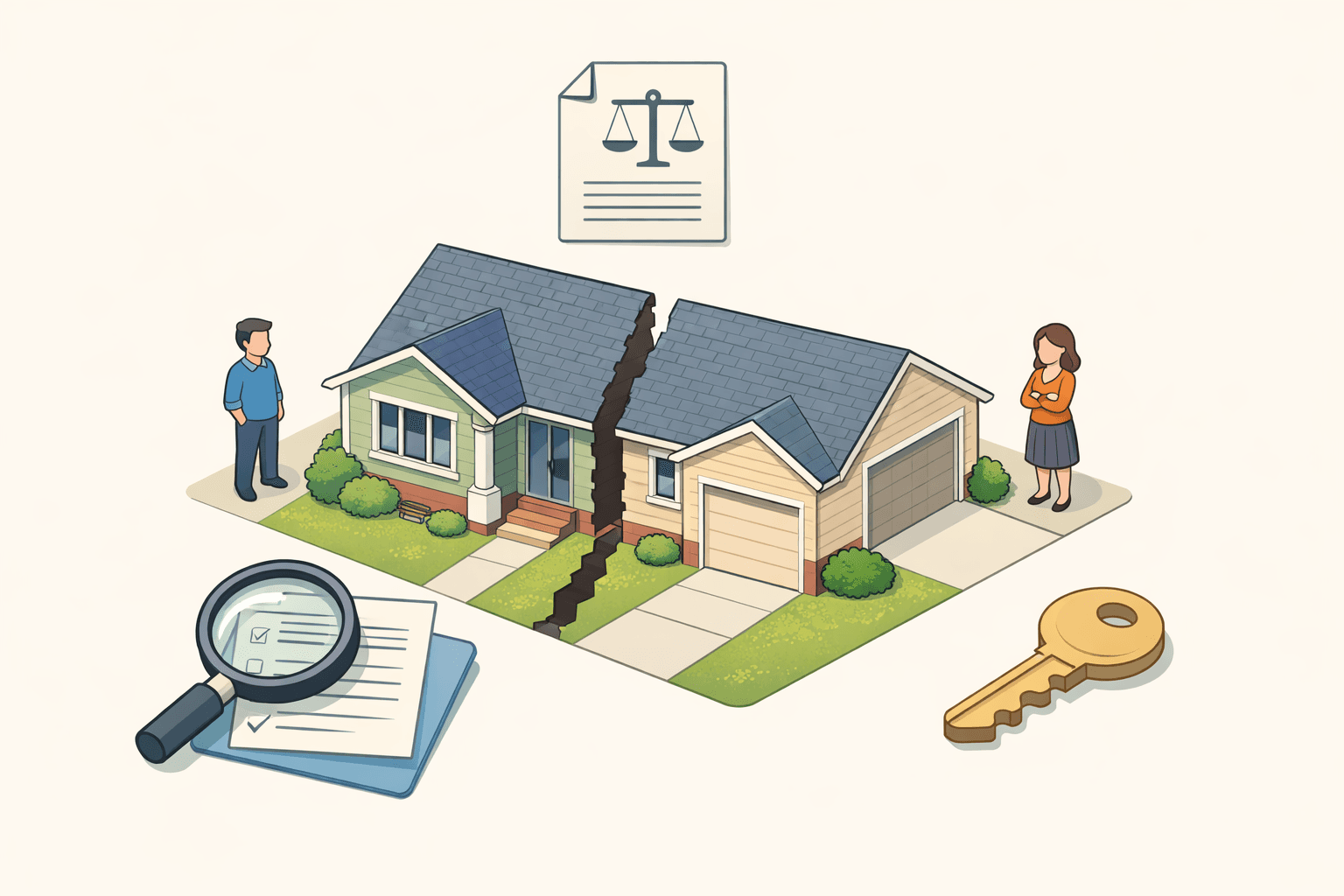
Divorce changes a lot of things — including how lenders look at your finances. If you're trying to buy a home or refinance after a marital split, understanding how to qualify for a conventional loan with a divorce decree and shared property is one of the most important steps you can take. Lenders need to verify your income, debts, and legal obligations, and a divorce introduces unique documentation requirements that many borrowers aren't prepared for. The good news is that with the right preparation and a clear understanding of what lenders expect, qualifying for a conventional mortgage after divorce is absolutely achievable.
Why Divorce Complicates the Mortgage Qualification Process
When two people share a home and then separate, their financial lives don't untangle overnight. Lenders evaluating a conventional loan application after divorce must sort through layers of shared obligations, changed income situations, and legal agreements that affect what each borrower actually owes and earns.
Here's why it gets complicated:
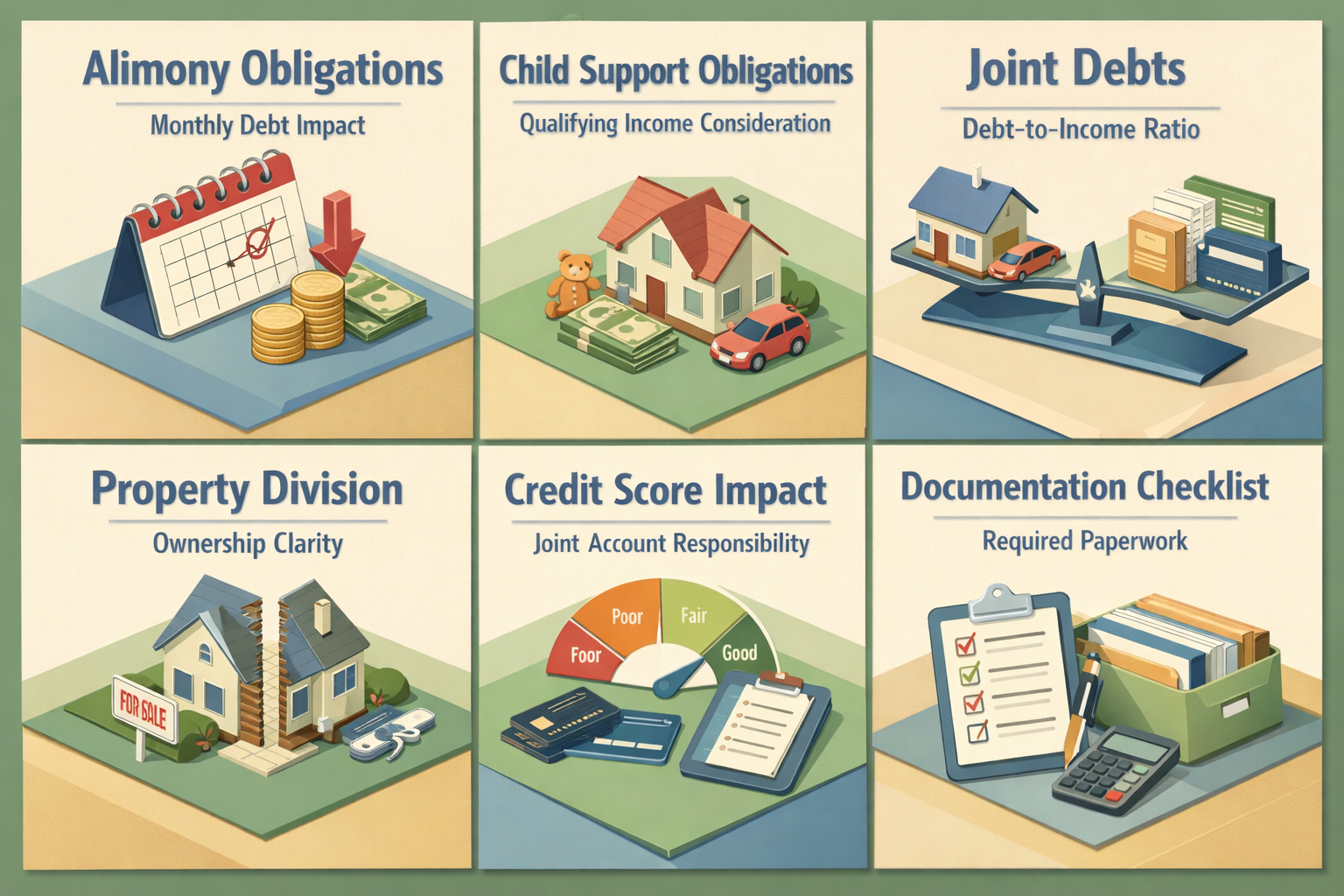
- Joint liabilities: If your name is still on a mortgage or credit account with your ex-spouse, lenders may count that debt against your debt-to-income (DTI) ratio — even if your divorce decree says your ex is responsible for it.
- Income changes: Divorce often means one income instead of two. Alimony and child support payments, either received or paid, can directly affect your qualifying income.
- Property ownership disputes: If the former marital home hasn't been transferred out of joint ownership, lenders need to understand who owns what before approving a new loan.
- Credit score impact: Missed payments on joint accounts during or after the divorce can leave lasting marks on your credit report, affecting your eligibility for competitive conventional loan terms.
Understanding these challenges early gives you time to address them before submitting a loan application.
What Lenders Look for in Your Divorce Decree
Your divorce decree is a legally binding court document, and mortgage lenders treat it as a critical piece of your financial profile. When reviewing your application, underwriters will typically request a copy of the full divorce decree — not just a summary — to verify several key details.
Alimony and Child Support Obligations
If you're required to pay alimony or child support, lenders will generally count those payments as a recurring monthly debt. This increases your DTI ratio and may reduce the loan amount you can qualify for. On the other hand, if you're receiving alimony or child support, lenders may count it as qualifying income — but typically only if the payments are documented in the decree and have a reasonable history of being received consistently.
Responsibility for Joint Debts
One of the most misunderstood aspects of mortgage requirements after divorce is how joint debts are handled. Even if your divorce decree assigns a specific debt to your ex-spouse, most conventional lenders will still factor that liability into your DTI unless you can prove the debt is being paid by the other party. Providing twelve months of canceled checks or bank statements showing your ex has been making those payments may help remove that obligation from your debt calculation.
Property Division Terms
The decree must clearly outline who received the marital home and under what conditions. If a buyout or sale was ordered, lenders will want to know whether that transaction has been completed and how it affects any existing mortgage obligations.
Navigating Joint Ownership Property Loans After a Marital Split
One of the most complex scenarios in how to qualify for a conventional loan with a divorce decree and shared property involves real estate that's still held jointly. Whether it's a marital home that hasn't been sold or a rental property that both parties co-own, joint ownership property loan challenges that lenders must carefully evaluate.
If You're Keeping the Shared Property
If the divorce settlement grants you ownership of the shared home, the next step is typically a refinance. Refinancing removes your ex-spouse's name from the mortgage and places the loan solely in your name. To do this, you'll need to qualify on your own — meaning your individual income, credit score, and DTI must meet conventional loan standards without relying on your former partner's financial profile.
Conventional loan guidelines generally require a minimum credit score of 620, though many lenders prefer scores of 680 or higher for the most favorable rates. Your DTI ratio will also be evaluated, and most conventional programs cap DTI at around 45% to 50%, depending on other compensating factors.
If the Property Is Being Sold
When both parties agree to sell the marital home, the proceeds can be used toward a down payment on a new property. Lenders will want documentation showing the source of those funds, including the closing disclosure from the sale. If the proceeds were deposited into your account, a paper trail confirming the origin of the funds is essential for a smooth underwriting process.
If Joint Ownership Continues
In some cases, divorced parties continue to co-own property — perhaps a rental investment — even after the divorce is finalized. If you're applying for a new conventional loan while still co-owning property with your ex, lenders will evaluate both the income and liability side of that shared asset. Rental income from a jointly owned property may be counted, but only if it's properly documented through tax returns and lease agreements.
How Alimony and Child Support Affect Your Qualifying Income
Income verification is central to conventional loan approval, and divorce introduces two income variables that lenders scrutinize closely: alimony received and child support received. Both can work in your favor — or against you — depending on your situation.
Using Support Payments as Qualifying Income
If you receive alimony or child support, conventional loan guidelines typically allow you to count it as qualifying income if the following conditions are met:
- The payments are documented in the divorce decree or separation agreement.
- You can demonstrate a consistent history of receiving the payments — usually six to twelve months.
- The payments are expected to continue for at least three years from the date of your mortgage application.
Providing bank statements that reflect regular deposits of these payments can help your lender verify the income. If support payments have been inconsistent or recently started, lenders may apply additional scrutiny.
When Support Payments Work Against You
If you're the one making alimony or child support payments, lenders will include those amounts in your monthly debt obligations. This reduces your available income for housing expenses and can push your DTI ratio higher, potentially limiting your loan options or the size of your loan. Planning around this reality — perhaps by paying down other debts before applying — could help improve your DTI and strengthen your application.
Credit Score and Debt Management Strategies Post-Divorce
Your credit score plays a significant role in determining whether you qualify for a conventional loan and at what interest rate. Unfortunately, divorce can sometimes lead to credit damage — particularly if joint accounts fell behind during the separation period or if your ex-spouse missed payments on shared accounts after the split.
Monitor Joint Accounts Carefully
Even after divorce, joint credit accounts remain your legal responsibility until they're paid off, refinanced, or transferred. A missed payment by your ex on a jointly held credit card or auto loan will appear on your credit report too. Monitoring your credit regularly during and after divorce proceedings is a smart protective measure.
Steps to Strengthen Your Credit Profile
- Close or refinance joint accounts as soon as the divorce is finalized to prevent future credit damage from your ex's payment behavior.
- Pay down revolving debt to lower your credit utilization ratio, which is a key factor in your credit score calculation.
- Avoid opening new accounts in the months leading up to your mortgage application, as new inquiries can temporarily lower your score.
- Dispute inaccuracies on your credit report that may stem from the divorce period, such as incorrectly reported late payments.
Lenders offering conventional loans under Fannie Mae and Freddie Mac guidelines typically require a minimum credit score of 620, but scoring higher — ideally above 700 — may open doors to lower rates and better loan terms.
Documentation You'll Need to Pull Together Before Applying
Preparation is everything when applying for a conventional loan after divorce. Gathering the right paperwork in advance can prevent delays and reduce the stress of underwriting. Here's a practical checklist of what most lenders will request:
- Full divorce decree: Including all schedules, amendments, and attachments related to property division, support payments, and debt responsibility.
- Proof of support payments received or paid: Bank statements, payment history, or a letter from the paying party's employer if applicable.
- Recent tax returns: Typically the last two years, especially if alimony or child support income is involved.
- Property documents: If a marital home was involved, lenders may need the deed, prior closing disclosure, or refinance documents showing updated ownership.
- Bank and asset statements: To verify down payment funds and reserves, especially if sale proceeds from the marital home are being used.
- Quitclaim deed: If your ex-spouse transferred their share of the property to you, this deed confirms the change in ownership and may be required before a new loan can be issued.
Working with a mortgage professional who has experience with mortgage requirements after divorce can help ensure you don't overlook any documentation that could slow down your approval.
●Conclusion
Qualifying for a conventional loan after a divorce isn't without its hurdles, but it's far from impossible. By understanding how to qualify for a conventional loan with a divorce decree and shared property, you can approach the process with clarity and confidence. The key is to get your documentation in order, address any lingering joint debts or credit issues, and work with a knowledgeable lender who understands the nuances of post-divorce mortgage qualifying.
Whether you're buying a new home on your own, refinancing a jointly owned property into your name, or using the proceeds from a marital home sale to start fresh, the right financing strategy can help you move forward. At LoanWise, our team is ready to walk you through your options and help you find the conventional loan solution that fits your new financial chapter. Reach out to a LoanWise mortgage specialist today and take the first step toward homeownership on your own terms.