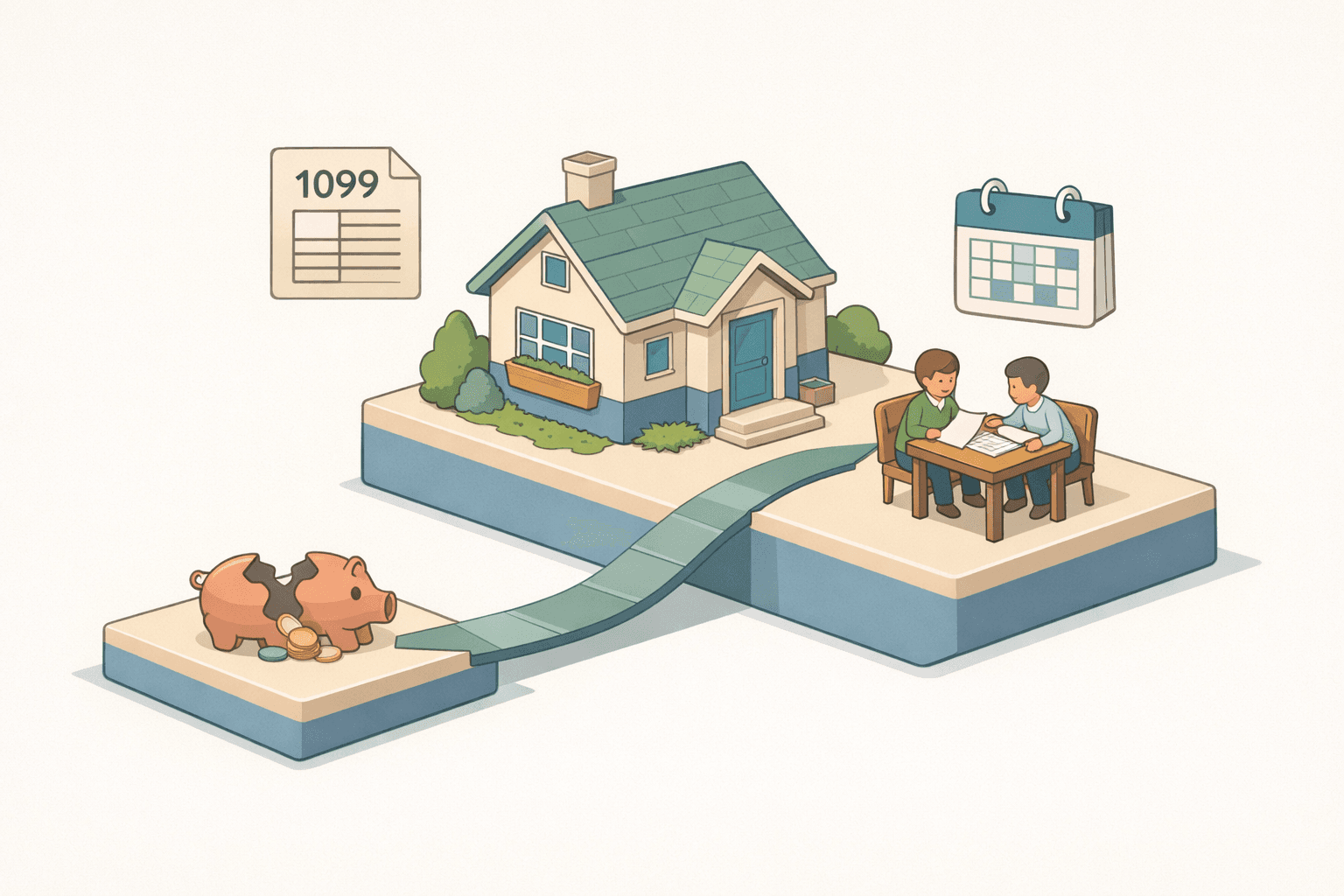
Qualifying for a home loan can feel complicated enough on its own. But when you add 1099 commission income and a past short sale into the mix, many borrowers assume the door to homeownership is closed for them. The good news is that it doesn't have to be. Understanding how to qualify for a conventional loan with 1099 commission income and short sale history is absolutely possible — it just requires knowing what lenders expect, how income is calculated, and how long you may need to wait after a short sale. This article breaks it all down so you can move forward with confidence.
What a Conventional Loan Requires From Commission-Based Earners
Conventional loans — those backed by Fannie Mae or Freddie Mac guidelines rather than a government agency — tend to have stricter documentation standards than FHA or VA loans. For borrowers who receive 1099 income or earn the bulk of their pay through commissions, this can feel like a hurdle. But lenders simply need to verify that your income is stable, consistent, and likely to continue.
If commissions make up 25% or more of your total income, most lenders will treat you similarly to a self-employed borrower. That means they'll typically want to see:
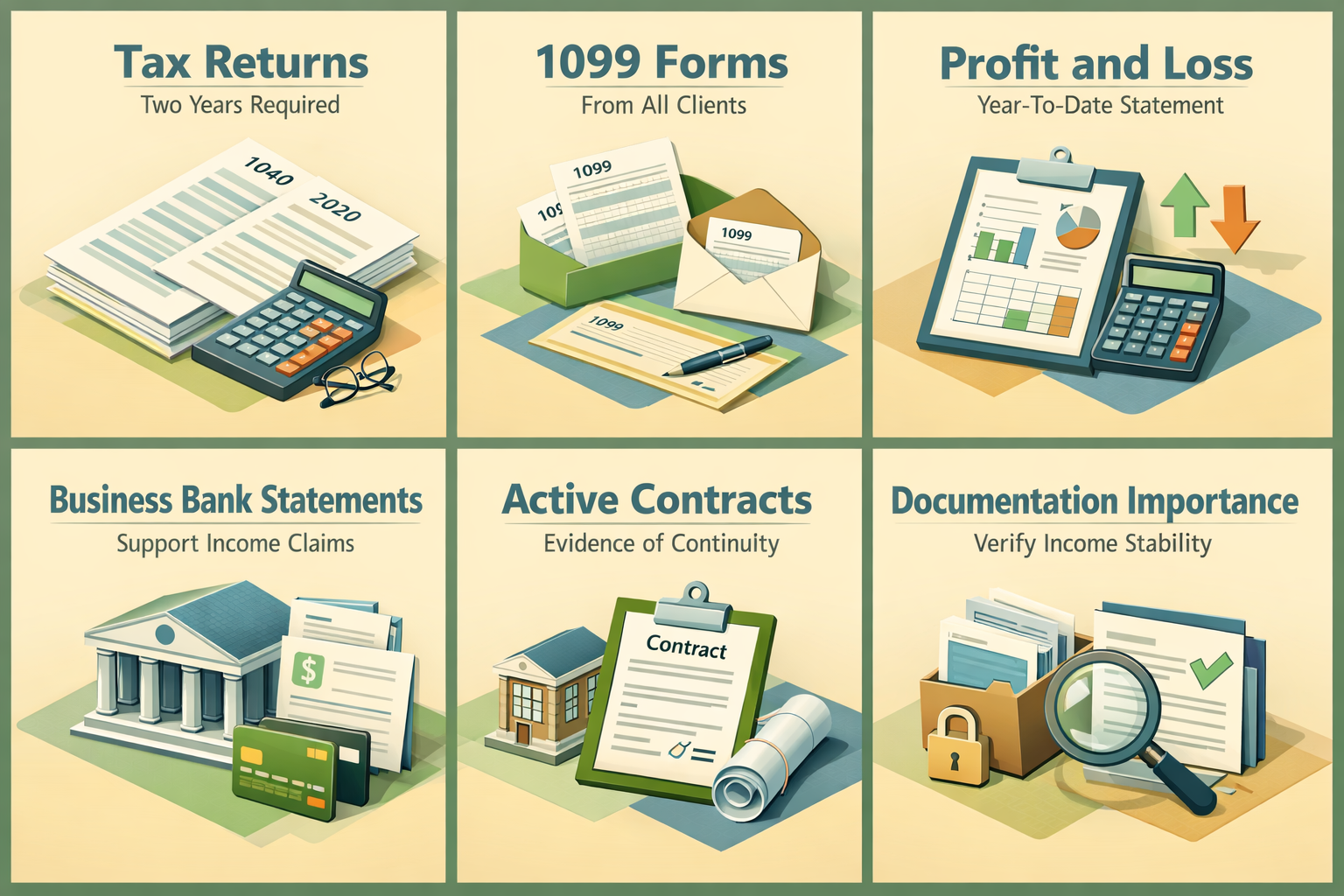
- Two years of personal tax returns (IRS Form 1040), including all schedules
- Two years of W-2s or 1099 forms showing commission earnings
- Year-to-date profit and loss statement if you're fully self-employed
- Business bank statements in some cases to support income claims
Lenders generally average your commission income over a 24-month period. If your income has been declining year over year, some lenders may use the lower figure or decline to qualify you at all. On the other hand, if your income has been growing steadily, that trend could work in your favor. Consistency is the key factor lenders look for.
It's also worth noting that lenders typically look at your net income after deductions on your tax returns — not your gross earnings. Commission earners who write off significant business expenses may find that their qualifying income is lower than expected. Working with an experienced loan officer who understands conventional mortgage requirements for self-employed and commission income borrowers can make a meaningful difference.
How the Short Sale Waiting Period Works for Conventional Financing
A short sale occurs when a homeowner sells their property for less than the outstanding mortgage balance, with the lender's approval. While it's often a better alternative to foreclosure, it still leaves a mark on your credit history — and lenders take that seriously when evaluating a new mortgage application.
For conventional loans, Fannie Mae guidelines typically require a waiting period of four years after a short sale before you can qualify for a new conventional mortgage. However, there are some nuances worth understanding:
- If extenuating circumstances caused the short sale — such as a serious illness, job loss, or other hardship beyond your control — the waiting period may be reduced to two years, though documentation is required
- The waiting period begins from the date the short sale was completed, which is typically the closing date on the sale of the property
- A larger down payment, often 10% or more, may be required if you're applying under an extenuating circumstances exception
It's important to confirm the exact date your short sale was finalized. Some borrowers mistakenly calculate from when they stopped making mortgage payments or when the lender approved the short sale, but lenders typically count from the actual closing date. Pulling your credit report can help confirm this date.
FHA loans have a shorter standard waiting period of three years, which is worth considering if you haven't yet cleared the conventional timeline. However, if you've met the waiting period and have strong financials, the conventional route may offer better terms over the long run.
Building Your Credit Profile After a Short Sale
A short sale can drop your credit score significantly, sometimes by 100 points or more depending on your credit history before the event. Rebuilding takes time and deliberate effort, but it's entirely achievable — and doing so while you wait out the required period is one of the smartest moves you can make.
Here are some practical steps that may help restore your creditworthiness:
- Pay all existing accounts on time. Payment history is the single largest factor in your credit score. Even one missed payment after a short sale can set back your recovery timeline.
- Keep credit card balances low. Aim to use less than 30% of your available credit limit on each card. Lower utilization ratios tend to support better scores.
- Avoid opening too many new accounts at once. Multiple hard inquiries in a short period can temporarily lower your score.
- Consider a secured credit card if your options are limited. Responsible use of a secured card can help demonstrate creditworthiness over time.
- Monitor your credit reports regularly. Check for errors or outdated negative items, and dispute any inaccuracies with the credit bureaus.
Most conventional loan programs require a minimum credit score of 620 at the lower end, though a score of 680 or higher typically unlocks better rates and terms. Borrowers with scores above 740 often qualify for the most competitive conventional mortgage rates available. Setting a target score gives you a clear financial goal to work toward during the waiting period.
Documenting 1099 Commission Income the Right Way
One of the most common reasons commission-based borrowers struggle with conventional mortgage approval isn't their income level — it's how their income is documented. Lenders can only count what they can verify, and conventional mortgage requirements for self-employed and commission income borrowers are quite specific.
Here's what strong income documentation typically looks like for a 1099 earner:
- Two full years of tax returns with all schedules attached, including Schedule C if you operate as a sole proprietor
- 1099 forms from all clients or employers going back two years
- A signed year-to-date profit and loss statement prepared by you or your accountant
- Business bank statements for two to twelve months, depending on lender requirements
- Evidence of active contracts or recurring clients to show income continuity
One key challenge for commission earners is that aggressive tax write-offs can reduce your reported net income significantly. This is a common trade-off: while lowering your taxable income saves money at tax time, it can also reduce the income a lender is willing to count. Some borrowers choose to work with their accountant to balance deductions carefully in the years leading up to a mortgage application.
If your tax returns don't fully reflect your earning capacity, some lenders offer bank statement loan programs that may allow you to qualify based on 12 to 24 months of deposits rather than tax returns. These programs typically carry higher rates and may fall outside conventional guidelines, but they could serve as a bridge if you're still building your qualifying income on paper.
How to Qualify for a Conventional Loan With 1099 Commission Income and Short Sale History: Putting It All Together
Understanding how to qualify for a conventional loan with 1099 commission income and short sale history means addressing both challenges strategically — and often simultaneously. The good news is that each year after your short sale is an opportunity to strengthen your application in other areas.
Here's a realistic timeline-based approach that many borrowers find helpful:
- Year one and two post-short sale: Focus on rebuilding credit, keeping your commission income records clean and consistent, and reducing personal debt. Start saving aggressively for a down payment.
- Year three: Begin working with a mortgage professional to do a pre-qualification review. You'll want to know where your credit score stands, how your income is averaging out, and what gaps might exist in your documentation.
- Year four and beyond: If you've cleared the conventional waiting period and meet credit and income requirements, you may be ready to qualify for a conventional loan. A down payment of at least 5% is typical for conventional loans, though 10% to 20% improves your terms and may eliminate private mortgage insurance.
Lenders will also evaluate your debt-to-income ratio (DTI), which compares your monthly debt payments to your gross monthly income. Most conventional programs prefer a DTI of 43% or lower, though some lenders may accept up to 45% or 50% with compensating factors like strong reserves or a high credit score.
Having liquid reserves — savings or assets that could cover several months of mortgage payments — can also strengthen your application. For borrowers with a short sale history and variable commission income, reserves signal financial stability and reduce perceived lender risk.
Working With the Right Lender Makes a Real Difference
Not all lenders interpret conventional guidelines the same way. While Fannie Mae and Freddie Mac set baseline standards, individual lenders often apply their own overlays — additional requirements that go beyond the minimum. Some lenders may be more experienced working with commission-based borrowers or borrowers who've experienced a short sale.
Here's what to look for when choosing a lender:
- Experience with self-employed and 1099 borrowers. Ask directly whether the lender regularly works with commission earners and what documentation they'll require.
- Familiarity with post-short-sale applications. Some lenders are more flexible with extenuating circumstances exceptions and know how to document them properly.
- Transparency about overlays. A lender who can clearly explain their specific requirements upfront — beyond Fannie Mae minimums — is likely a better partner.
- Access to multiple loan programs. A mortgage broker or lender who offers both conventional and non-QM products can help you compare your options honestly.
Shopping around is encouraged. Getting pre-qualified with multiple lenders within a short window typically counts as a single credit inquiry for scoring purposes, so there's minimal downside to comparing your options. The right lending partner won't just help you get approved — they'll help you structure the loan in a way that makes financial sense for the long term.
●Conclusion
Navigating the path to homeownership when you earn 1099 commission income and carry a short sale in your past takes patience, planning, and the right guidance — but it's far from impossible. By understanding the conventional waiting period, documenting your income thoroughly, rebuilding your credit deliberately, and working with a lender who truly understands your situation, you can position yourself for a successful mortgage application. If you're ready to explore your options, speaking with an experienced mortgage professional at LoanWise is a great first step. The right loan is out there — and knowing how to qualify for a conventional loan with 1099 commission income and short sale history puts you well ahead of the curve.