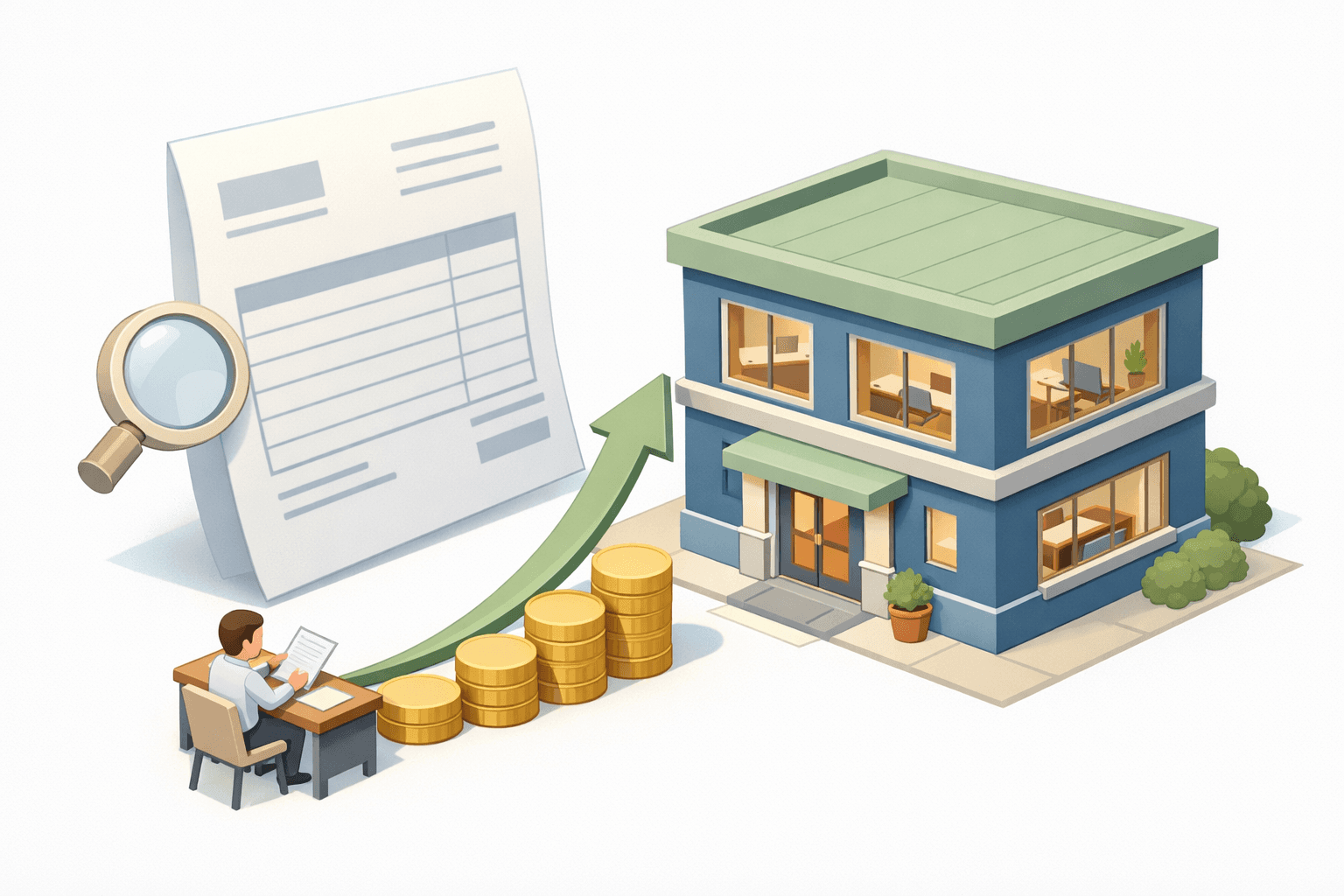
Running a growing business is exciting — but it can also put serious pressure on your cash flow. When your clients take 30, 60, or even 90 days to pay their invoices, your business might struggle to cover payroll, buy inventory, or take on new contracts. That's where invoice financing comes in. Understanding how to get invoice financing for a growing business could be one of the most important financial decisions you make as an entrepreneur or small business owner. This guide walks you through everything you need to know — from what invoice financing is, to how it works, to how you can qualify and apply with confidence.
What Invoice Financing Actually Means for Small Business Owners
Invoice financing is a form of working capital growth funding that allows businesses to borrow money against the value of their outstanding invoices. Instead of waiting weeks or months for clients to pay, you can access a large portion of that money almost immediately through a lender or financing company.
There are two main types of invoice financing worth knowing about:
- Invoice Factoring: You sell your unpaid invoices to a third-party company — known as a factor — at a discount. The factor then collects payment directly from your clients. This option is common in invoice factoring for scaling businesses because it transfers the collection responsibility away from you.
- Invoice Discounting: You borrow against your invoices while retaining control of your own collections. This tends to be more confidential, as your clients may not know a lender is involved.
Both options fall under the broader category of accounts receivable financing for expansion. They're designed specifically to bridge the gap between completing work and actually getting paid — a challenge that affects businesses across industries, from construction and staffing to logistics and professional services.
It's worth noting that these financing tools are generally best suited to businesses that sell to other businesses (B2B) or to government entities, rather than those selling directly to consumers.
Why Growing Businesses Turn to Accounts Receivable Financing
Cash flow problems don't always signal a failing business — in fact, they often signal the opposite. Fast-growing companies frequently find themselves cash-strapped precisely because they're winning more clients and taking on bigger contracts than ever before. This is sometimes called a "growth trap," and it's more common than many entrepreneurs expect.
Here's why securing cash from unpaid invoices can be a smart move during a growth phase:
- Speed: Traditional bank loans can take weeks or months to process. Invoice financing can often be arranged within days, giving you fast access to the capital you need.
- Credit flexibility: Approval is typically based on the creditworthiness of your clients, not just your own business credit score. This makes it accessible to newer businesses or those still building their credit profile.
- Scalability: As your revenue grows and you issue more invoices, your financing limit may grow with it — making it a natural fit for expanding operations.
- No new debt in the traditional sense: Because you're leveraging assets you've already earned, invoice financing doesn't always appear as traditional debt on your balance sheet, depending on the structure used.
For small business owners and entrepreneurs who need capital now to fulfill orders, hire staff, or invest in equipment, invoice financing may offer a practical path forward without diluting ownership or waiting on lengthy loan approvals.
How to Get Invoice Financing for a Growing Business: A Step-by-Step Approach
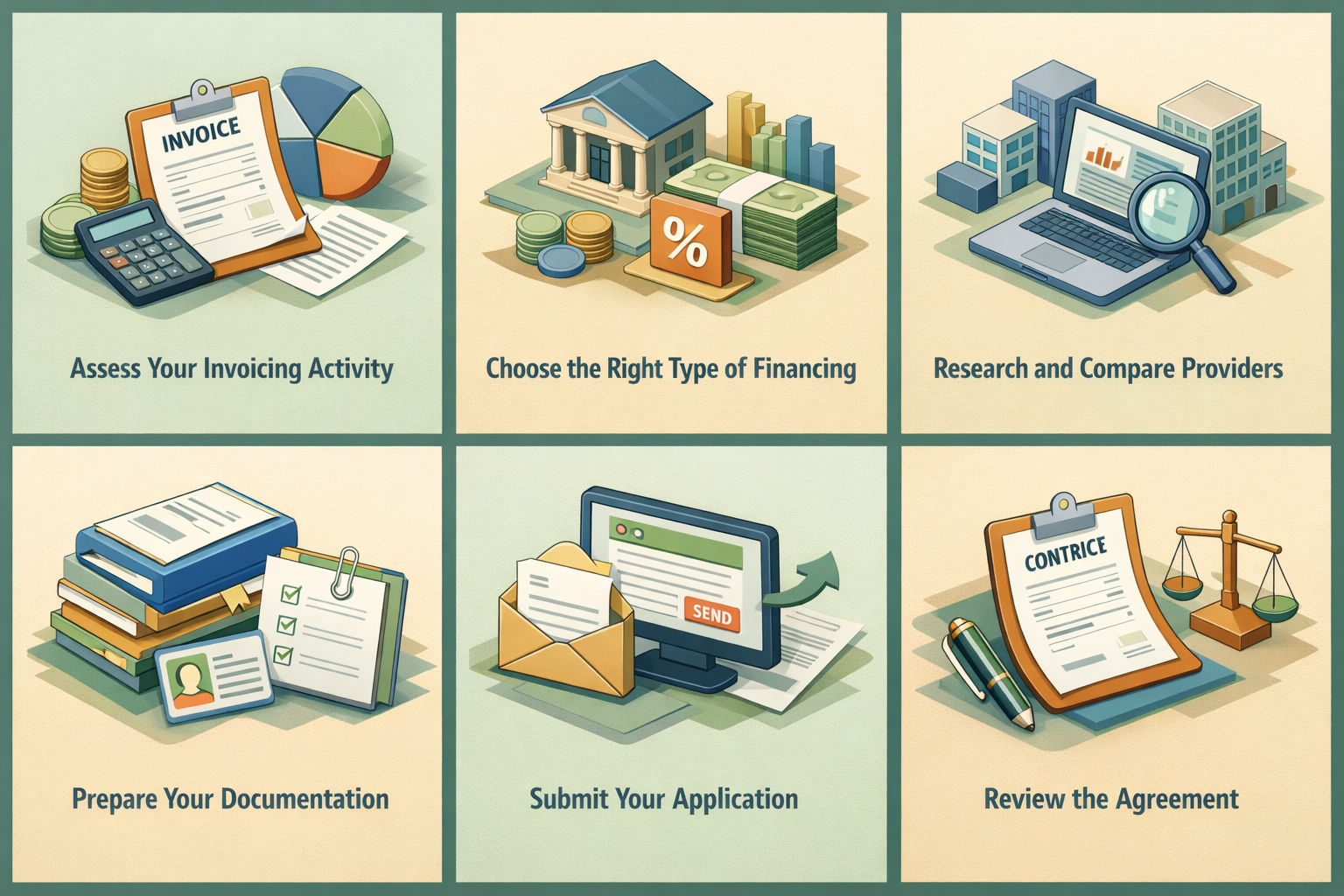
If you're ready to explore this option, knowing how to get invoice financing for a growing business starts with understanding the process from start to finish. Here's a practical breakdown:
Step 1 — Assess Your Invoicing Activity
Lenders and factors will want to see a consistent volume of B2B invoices. Before approaching any provider, gather your accounts receivable records and review the payment histories of your key clients. Strong, creditworthy clients with a track record of paying — even if slowly — tend to make your invoices more attractive to financiers.
Step 2 — Choose the Right Type of Financing
Decide whether invoice factoring or invoice discounting fits your business model. If you'd prefer not to manage collections and want a more hands-off approach, factoring might be the right choice. If maintaining client relationships and privacy is a priority, discounting may be more appropriate.
Step 3 — Research and Compare Providers
Not all invoice financing companies are the same. Look at fee structures carefully — costs can include a percentage of the invoice value (often called a factoring fee or discount rate), plus potential service or administration charges. Comparing multiple providers is strongly recommended before committing.
Step 4 — Prepare Your Documentation
Most providers will ask for:
- Business financial statements (typically the last 12–24 months)
- Accounts receivable aging reports
- Copies of outstanding invoices
- Business registration and ownership information
- Information about your clients' creditworthiness
Step 5 — Submit Your Application and Review the Agreement
Once you've chosen a provider, submit your application along with the required documents. Review the agreement carefully — pay particular attention to advance rates (the percentage of the invoice value you'll receive upfront), fee schedules, contract lengths, and any recourse clauses that could affect you if a client doesn't pay.
What Lenders and Factors Look For Before Approving Your Application
Understanding what financiers evaluate can help you put your best foot forward during the approval process. While requirements vary between providers, there are several factors that commonly influence decisions in accounts receivable financing for expansion:
- Client quality: The financial stability and payment history of your customers typically carries significant weight. High-quality, creditworthy clients make your receivables more attractive.
- Invoice validity: Invoices must represent completed work or delivered goods. Financiers generally won't fund invoices for work that hasn't been performed yet.
- Business longevity: While some providers work with newer businesses, many prefer to see at least six to twelve months of operating history.
- Outstanding invoice volume: Some providers have minimum monthly invoice requirements, so your total receivables volume may need to meet a certain threshold.
- Industry type: Certain industries are considered higher risk than others. Construction, for example, may face more scrutiny due to the possibility of disputed invoices or lien complications.
It's also worth being aware of recourse vs. non-recourse factoring. In a recourse arrangement, you may be responsible for buying back an invoice if your client fails to pay. Non-recourse factoring shifts that risk to the factor — but typically comes with higher fees. Understanding which type you're signing up for is essential before you commit.
Costs and Considerations: What Growing Businesses Should Watch For
Invoice financing can be a powerful tool, but it's important to go in with a clear understanding of the costs involved. Fees can vary widely depending on the provider, the volume of invoices, the creditworthiness of your clients, and how long invoices remain outstanding.
Typical costs may include:
- Factoring fees or discount rates: These are often expressed as a percentage of the invoice value — commonly ranging from around 1% to 5% per month, though actual rates will depend on your specific situation and the provider's terms.
- Advance rates: Most providers advance between 70% and 90% of the invoice face value upfront. The remaining balance (minus fees) is released once your client pays.
- Additional charges: Some providers charge origination fees, monthly minimums, wire transfer fees, or penalties for early contract termination. Always read the fine print.
When evaluating costs, it helps to think about the true cost of waiting. If a slow-paying invoice is preventing you from taking on a new contract worth significantly more, the fees associated with financing that invoice might be well worth paying. On the other hand, if your margins are tight, even modest fees can add up over time.
Small business owners should also consider whether long-term contract commitments align with their needs. Some providers offer spot factoring — financing individual invoices on an as-needed basis — which may offer more flexibility for businesses that don't need ongoing financing arrangements.
Invoice Factoring for Scaling Businesses: Industry Use Cases and Real-World Fit
Invoice factoring for scaling businesses is particularly common in industries where payment terms are long, project cycles are extended, or client payments are tied to milestone approvals. Here are a few scenarios where this type of financing tends to be a strong fit:
Staffing and Workforce Solutions
Staffing agencies often pay their workers weekly but may not receive client payments for 30 to 60 days. Invoice factoring can bridge that payroll gap, allowing agencies to keep workers paid and continue placing candidates without cash flow interruption.
Freight, Trucking, and Logistics
Transportation companies frequently deal with extended payment cycles from shippers and brokers. Factoring is widely used in this sector to keep vehicles fueled, drivers paid, and operations running between hauls.
Manufacturing and Wholesale Distribution
Manufacturers that supply goods on credit terms to larger retailers or distributors may need working capital growth funding to restock raw materials before customer payments arrive. Invoice financing helps maintain production momentum.
Professional Services and Consulting
Consultants, marketing agencies, and IT service providers often issue large project invoices that sit unpaid for weeks. Financing those invoices can free up resources to onboard the next client without stretching internal reserves.
In each of these cases, the underlying principle is the same: securing cash from unpaid invoices allows businesses to operate at their potential rather than at the pace their slowest-paying client allows.
●Conclusion
Invoice financing isn't a one-size-fits-all solution, but for many growing businesses it represents one of the most practical and accessible paths to unlocking working capital. Understanding how to get invoice financing for a growing business — from evaluating the right type of facility to preparing documentation and comparing providers — puts you in a much stronger position to make a confident, informed decision.
Whether you're a small business owner managing cash flow gaps, an entrepreneur scaling rapidly, or a commercial borrower looking for flexible funding, accounts receivable financing may offer the breathing room your business needs to grow without compromise. Take the time to compare providers, review all terms carefully, and consult with a financial advisor if you're unsure which structure is right for your situation. The right financing partner, paired with the right product, could help turn your unpaid invoices into a genuine engine for expansion.
Ready to explore your financing options? Connect with a LoanWise lending specialist today to learn what working capital solutions may be available for your business stage and goals.