
Running a freelance photography business takes more than a good eye and creative talent. It also takes the right gear — and quality camera equipment, lighting rigs, lenses, and editing software don't come cheap. Whether you're just starting out or ready to scale your business, financing that equipment can feel overwhelming. That's where a working capital loan for a freelance photographer needing equipment can make a real difference. In this guide, we'll walk you through the loan types available, how lenders evaluate self-employed borrowers, and the steps you can take to strengthen your application and grow your photography business with confidence.
Why Freelance Photographers Often Need Business Financing
Freelance photographers operate as independent business owners, which means every piece of equipment they buy comes directly out of their own pocket — or out of their business cash flow. Unlike salaried employees who rely on employer-provided tools, freelancers must fund their own professional infrastructure.
Professional-grade camera bodies, telephoto lenses, flash systems, drone equipment, tripods, and editing workstations can easily run into the tens of thousands of dollars. Add in studio rental costs, insurance premiums, and software subscriptions, and it's clear why many photographers struggle to keep up with the financial demands of their craft.
Working capital is the money a business uses to cover its day-to-day operations and short-term expenses. For freelance photographers, this could mean covering the gap between finishing a job and getting paid, or funding a major equipment purchase before a busy season begins. Having access to flexible business funding gives photographers the ability to take on bigger clients, upgrade their gear, and stay competitive in a fast-moving market.
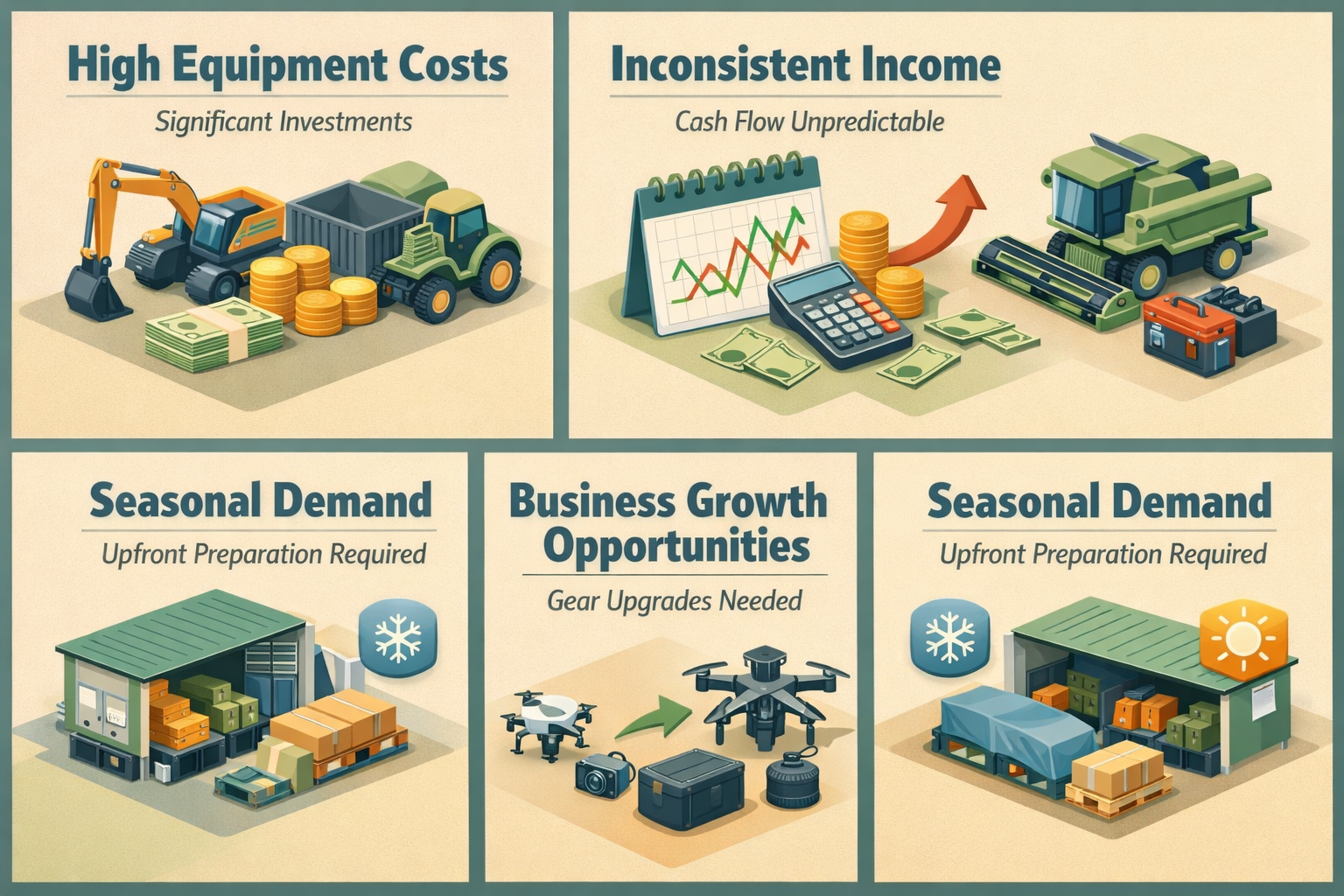
- High equipment costs: Professional cameras, lenses, and lighting systems are significant investments.
- Inconsistent income: Freelance work often comes in waves, making cash flow unpredictable.
- Business growth opportunities: New clients, events, or commercial contracts may require gear upgrades.
- Seasonal demand: Wedding and event seasons create short bursts of high revenue but require upfront preparation.
Understanding What a Working Capital Loan Actually Covers
A working capital loan is a type of short- to medium-term business financing designed to help cover operational expenses rather than long-term investments like real estate. For a freelance photographer, this kind of loan might be used to purchase new equipment, stock up on supplies, hire a part-time assistant, or bridge a slow income period.
It's worth noting that working capital loans are typically not meant for large capital expenditures like buying commercial property. However, they can be a smart fit when the financing need is tied directly to day-to-day or near-term business operations — like upgrading to a mirrorless camera system or purchasing drone equipment for aerial photography services.
Lenders generally look at working capital loans as relatively short-term commitments, often ranging from a few months to a few years. Interest rates and terms can vary significantly depending on the lender, the borrower's creditworthiness, and the type of loan product selected. Always review the annual percentage rate (APR) and total repayment cost before committing to any financing arrangement.
Common Uses of Working Capital for Freelance Photographers
- Purchasing camera bodies, lenses, and accessories
- Buying studio lighting or portable flash systems
- Investing in editing software or computer upgrades
- Covering drone equipment and FAA certification costs
- Funding marketing materials or a professional website
- Bridging income gaps between client payments
Loan Types That May Work Well for Self-Employed Photographers
When you're a freelancer, your financing options might look a little different from those available to larger businesses with years of financial history. The good news is that there are several loan products that may be a reasonable fit for a freelance photographer's needs.
Business Term Loans
A business term loan provides a lump sum of money that's repaid over a fixed period with regular payments. This can work well if you know exactly what equipment you need and have a clear sense of your repayment capacity. Some online lenders offer term loans with relatively fast approval timelines, which can be helpful when a deal on equipment appears unexpectedly.
Business Lines of Credit
A business line of credit functions more like a credit card than a traditional loan. You're approved for a maximum credit limit and can draw funds as needed, paying interest only on what you borrow. This flexibility makes it a popular option for freelancers who face irregular income patterns and shifting business expenses.
Equipment Financing
Equipment financing is a specialized loan where the purchased equipment itself serves as collateral. Because the loan is secured, lenders may be more willing to work with borrowers who have limited business history. This could be a particularly accessible option for photographers looking to finance cameras, lenses, or studio gear specifically.
SBA Microloans
The U.S. Small Business Administration (SBA) offers microloan programs through nonprofit intermediary lenders. These loans are typically capped at $50,000 and are designed for small businesses and startups that may not qualify for conventional financing. Freelance photographers who are just building their business might find this route worth exploring, as these programs sometimes have more flexible qualification criteria.
Merchant Cash Advances
A merchant cash advance (MCA) provides upfront capital in exchange for a percentage of future revenue. While this option may be accessible for freelancers with inconsistent income, it can carry higher costs than traditional loans. MCAs should be approached with caution and compared carefully against other available options.
How Lenders Evaluate a Freelance Photographer's Loan Application
One of the most common challenges freelancers face when applying for business financing is demonstrating stable, verifiable income. Unlike traditional employees who can provide pay stubs and W-2 forms, self-employed borrowers typically need to provide additional documentation to prove their earning capacity.
Lenders evaluating a working capital loan for a freelance photographer needing equipment will generally look at a combination of personal and business factors. Understanding what they're looking for can help you prepare a stronger application.
Key Factors Lenders Typically Review
- Personal and business credit scores: A higher credit score may improve your chances of approval and help you qualify for more favorable terms. Many lenders look for a personal credit score of at least 600 to 650 for unsecured loans, though requirements vary.
- Business revenue and cash flow: Lenders want to see that your photography business generates enough income to support loan repayments. Bank statements, tax returns, and profit-and-loss statements are commonly requested.
- Time in business: Some lenders require a minimum of six months to two years in operation. Newer freelancers may need to explore startup-focused lenders or SBA microloan programs.
- Debt-to-income ratio: Lenders assess your existing debt obligations relative to your income to evaluate repayment risk.
- Business structure: Operating as a registered LLC or sole proprietorship may affect which loan products are available to you and how your application is reviewed.
If you've been freelancing for less than a year, don't be discouraged. Some lenders specialize in working with early-stage businesses and may weigh other factors — like your personal credit history or a detailed business plan — more heavily than time in business alone.
Steps to Take Before Applying for a Working Capital Loan
Preparation can make a meaningful difference when it comes to loan approval. Taking a few practical steps before submitting your application may improve your eligibility and help you secure better loan terms.
1. Review and Strengthen Your Credit Profile
Check both your personal and business credit reports before applying. Look for errors, outdated information, or accounts that could be hurting your score. Paying down existing balances and making on-time payments in the months leading up to your application could have a positive effect on your credit standing.
2. Organize Your Financial Documents
Gather at least two years of personal tax returns, any business tax returns if applicable, recent bank statements, and a profit-and-loss statement. If you use accounting software, generating a clean financial summary can make a strong impression on lenders.
3. Create or Refine Your Business Plan
A well-written business plan can help lenders understand your photography business model, your target market, and how you plan to use the loan funds. Include realistic revenue projections and a clear explanation of how the equipment purchase will help grow your business.
4. Define Your Equipment Needs and Budget
Be specific about what you need to purchase and why. Lenders respond well to borrowers who demonstrate clear financial planning. Research equipment costs in advance so you can request a loan amount that's accurate and justified.
5. Compare Multiple Lenders
Don't apply to the first lender you find. Compare interest rates, fees, repayment terms, and minimum qualifications across several lenders — including online lenders, community banks, credit unions, and SBA-affiliated intermediaries. Each lender may evaluate your application differently, and shopping around could save you money over the life of the loan.
Tips for Managing Loan Repayment as a Freelance Business Owner
Securing a loan is only the first step. Managing that loan responsibly is just as important — especially when your income fluctuates from month to month. Here are some practical strategies for keeping your repayments on track as a freelance photographer.
Build a Cash Reserve Before You Borrow
If possible, try to have at least one to three months of operating expenses saved before taking on new debt. This buffer can help you cover loan payments during slower booking periods without putting your business finances under pressure.
Align Repayment Schedules With Your Income Cycles
If your photography business peaks during wedding season or the holidays, look for lenders that offer flexible repayment schedules or seasonal payment structures. Some lenders may allow you to pay more during high-revenue months and less during slower periods.
Track Business Income and Expenses Carefully
Using accounting software or working with a bookkeeper can help you stay on top of your cash flow and identify any repayment challenges early. Catching a potential shortfall weeks in advance gives you time to adjust before a payment is due.
Avoid Overborrowing
It may be tempting to borrow the maximum amount you qualify for, but only take on as much debt as your business realistically needs and can afford to repay. Borrowing more than necessary increases your interest costs and adds financial pressure to your operations.
●Conclusion
Understanding how to get a working capital loan for a freelance photographer needing equipment doesn't have to feel overwhelming. By knowing which loan types are available, what lenders look for, and how to prepare a strong application, you can approach the financing process with confidence. Whether you're upgrading your camera kit, expanding into video production, or simply smoothing out cash flow between client payments, the right loan could be the tool that takes your photography business to the next level. At LoanWise, we're here to help small business owners and self-employed professionals explore financing options that fit their unique situations. Reach out today and let's find a solution that works for your business.