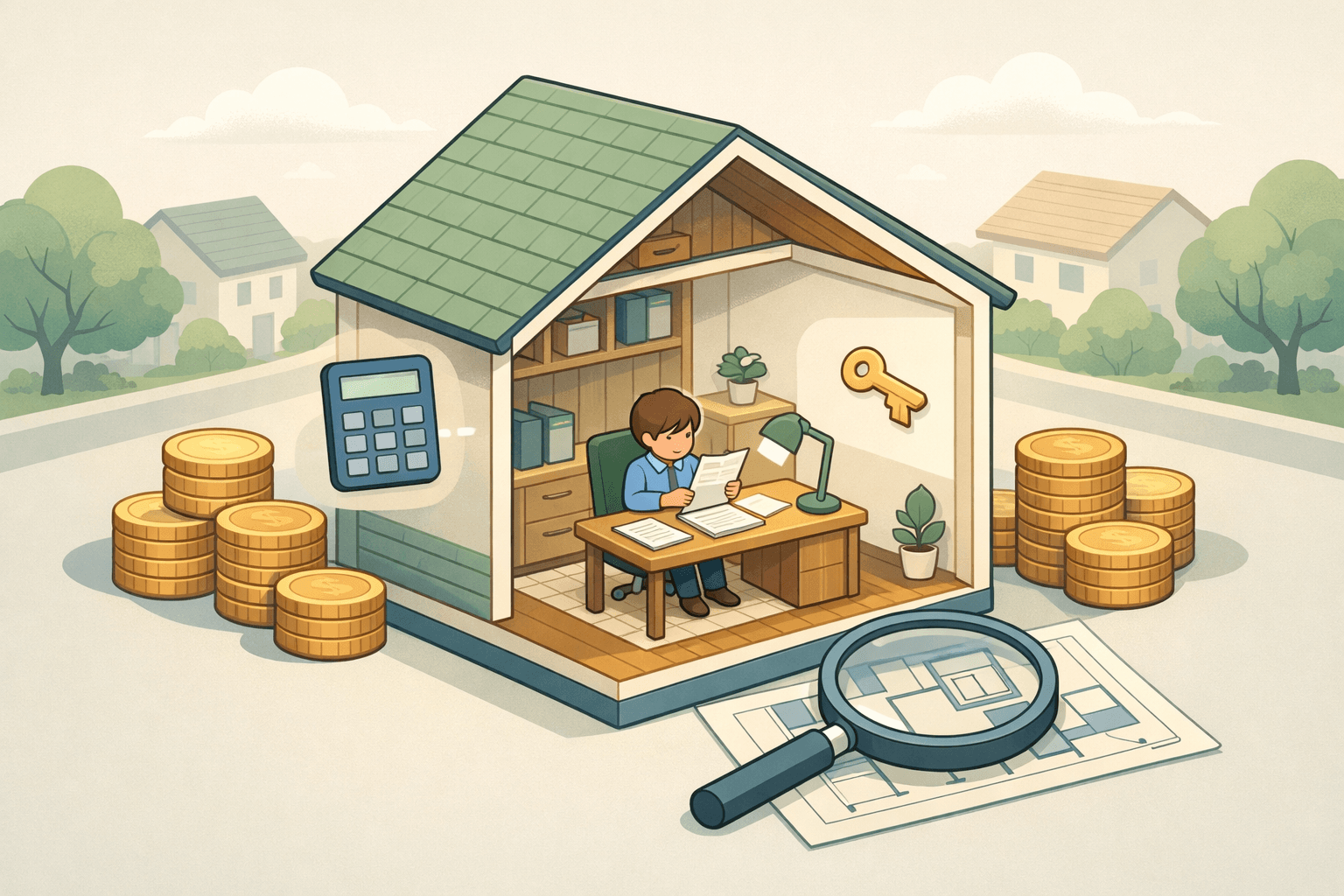
If you've ever sat down and asked yourself, "how much house can I afford with my income?" — you're already thinking like a smart homebuyer. Knowing your budget before you start shopping for a home can save you a tremendous amount of time, stress, and disappointment. The truth is, mortgage affordability isn't just about your paycheck. Lenders look at a combination of factors, including your debts, credit profile, down payment, and the current interest rate environment. This guide breaks it all down so you can walk into your home search with confidence and clarity.
How Lenders Determine What You Can Borrow
When you apply for a mortgage, lenders don't simply look at how much you earn. They evaluate your complete financial picture to decide how much they're willing to lend — and at what terms. Understanding this process is the first step toward knowing how much house can I afford with my income.
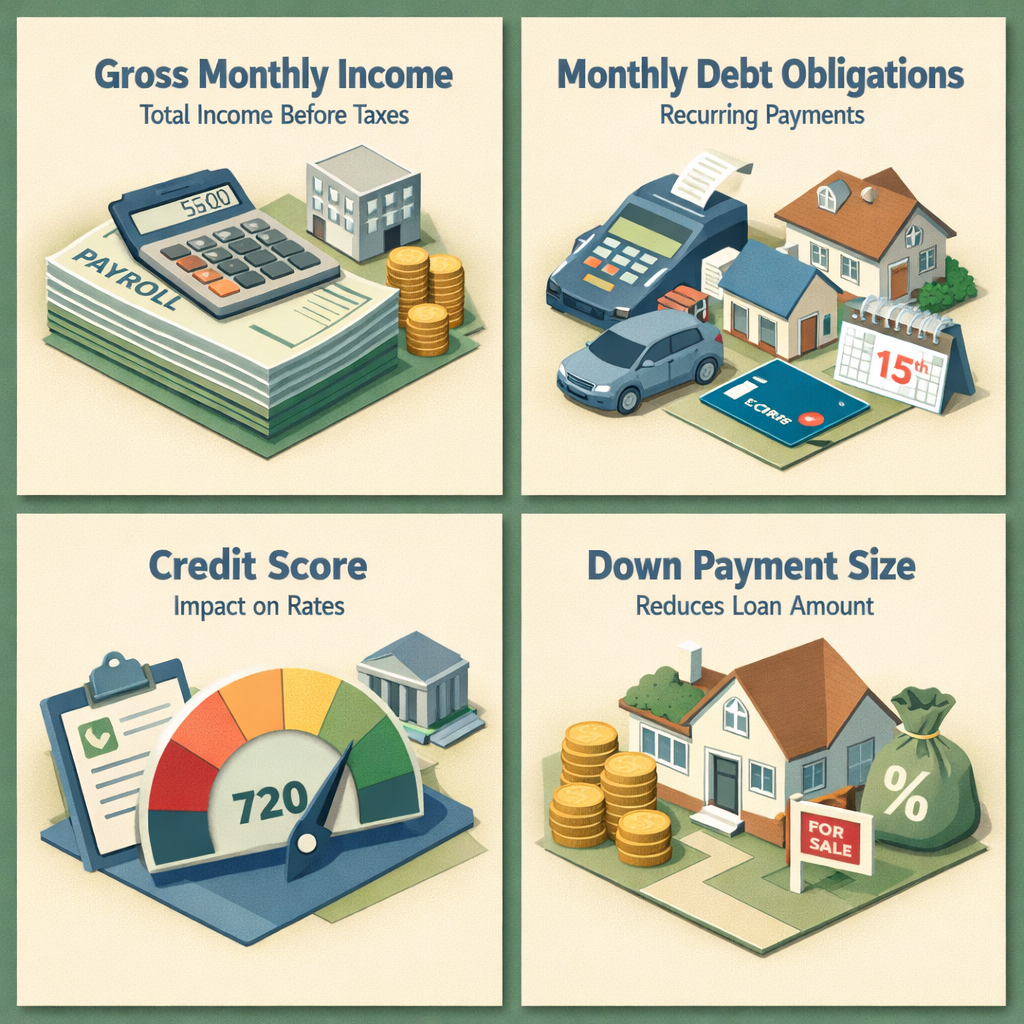
Lenders typically consider the following key factors:
- Gross monthly income: Your total income before taxes and deductions. This includes wages, self-employment income, rental income, and sometimes investment income.
- Monthly debt obligations: Recurring payments such as car loans, student loans, credit card minimums, and personal loans.
- Credit score: A higher credit score may help you qualify for better rates and higher loan amounts.
- Down payment size: A larger down payment reduces the loan amount you need and may lower your monthly payment significantly.
- Interest rate: Even a small rate difference can meaningfully affect how much home loan your income can support.
Each of these factors interacts with the others. That's why two borrowers with identical incomes might qualify for very different loan amounts depending on their debts and credit profiles.
Understanding the Debt-to-Income Ratio for Mortgage Qualification
Perhaps the single most important metric lenders use is your debt-to-income ratio, commonly referred to as DTI. The debt to income ratio for mortgage qualification compares your total monthly debt payments to your gross monthly income.
There are two types of DTI ratios lenders often review:
- Front-end DTI: This covers only your projected housing costs — principal, interest, property taxes, and homeowner's insurance (sometimes called PITI). Many lenders prefer this number to stay at or below 28%.
- Back-end DTI: This includes your housing payment plus all other monthly debts. Most conventional loan programs look for a back-end DTI at or below 43%, though some programs may allow higher ratios with compensating factors.
Here's a simple example. If your gross monthly income is $6,000 and your total monthly debts (including the estimated mortgage) come to $2,400, your back-end DTI would be 40% — which typically falls within an acceptable range for many loan programs.
It's worth noting that government-backed loan options, like FHA loans, may allow slightly higher DTI ratios compared to conventional financing. However, lenders still weigh these ratios carefully against the rest of your application.
What Income Is Needed for a Mortgage on Various Price Points
One of the most common questions homebuyers ask is: what income is needed for mortgage approval? While there's no universal answer, you can get a realistic sense by working backward from home prices using standard DTI guidelines and current rate assumptions.
As a general framework — and keeping in mind that interest rates, property taxes, and insurance will vary by location — here's how income and home price often align:
- A home priced around $250,000 might require a gross annual income in the range of $55,000–$70,000, depending on your debts and down payment.
- A home priced around $400,000 may call for an income closer to $85,000–$110,000 under similar conditions.
- A home priced around $600,000 could require a household income of roughly $130,000–$160,000 or more.
These are approximate ranges only. Your actual qualifying income could differ based on your down payment size, existing debts, the loan program you use, and the interest rate you receive. That's why using a mortgage affordability calculator with your own numbers is always recommended over relying on general estimates.
Also keep in mind that lenders verify income in different ways. W-2 employees typically provide recent pay stubs and tax returns, while self-employed borrowers may need to provide two years of business returns and profit-and-loss statements.
How to Calculate Home Loan Affordability on Your Own
You don't need a financial advisor to get a rough estimate of your budget. Knowing how to calculate home loan affordability involves a few straightforward steps that you can do on your own or with the help of an online tool.
Step 1: Determine Your Gross Monthly Income
Start with your total monthly income before taxes. If you're a salaried employee, divide your annual salary by 12. If you're self-employed or have variable income, average your earnings over the past 24 months, as lenders typically do.
Step 2: Calculate Your Existing Monthly Debts
Add up all your current recurring monthly debt payments. This includes minimum credit card payments, auto loans, student loans, and any other installment debts. Do not include everyday living expenses like groceries or utilities — lenders typically don't factor these in.
Step 3: Apply the DTI Guidelines
Multiply your gross monthly income by 0.43 (for a 43% back-end DTI). Subtract your existing monthly debts. The remaining amount represents the maximum monthly mortgage payment you might qualify for under standard guidelines.
Step 4: Use a Mortgage Affordability Calculator
Once you have an estimated maximum payment, plug it into a mortgage affordability calculator along with your expected interest rate, loan term, and down payment amount. This will give you a rough home price range to target. Many online calculators also factor in property taxes and insurance to give you a more complete picture.
The Role of Credit Scores and Down Payments in Your Buying Power
Your income alone doesn't tell the full story of what you can afford. Two other major levers — your credit score and your down payment — can significantly shift your buying power in either direction.
Credit score impact: A stronger credit score may help you qualify for a lower interest rate. Even a half-point difference in your rate can translate to tens of thousands of dollars over the life of a 30-year mortgage. Borrowers with scores in the higher ranges often access more competitive products and better terms. On the flip side, a lower credit score might mean a higher rate or a smaller loan amount approved.
Down payment impact: A larger down payment reduces the total loan amount, which lowers your monthly payment and may remove the need for private mortgage affordability insurance (PMI). Conventional loans typically require PMI when the down payment is less than 20% of the purchase price — and PMI adds to your monthly housing cost. Putting more down can effectively increase how much house your income supports.
- A 3%–5% down payment is often possible through conventional or FHA programs for qualified buyers.
- A 10%–20% down payment can significantly reduce monthly costs and potentially eliminate PMI.
- Down payment assistance programs may be available for first-time homebuyers in many states.
It's worth exploring all options before assuming your down payment must come entirely from personal savings.
Common Affordability Mistakes Homebuyers Should Avoid
Many buyers focus on what they qualify for rather than what they can comfortably afford. These are often two different numbers — and confusing them is one of the most common and costly mistakes in the homebuying process.
- Maxing out your DTI: Just because a lender approves you at a 43% DTI doesn't mean that payment will feel comfortable in your monthly budget. Factoring in savings goals, childcare, healthcare, and other living expenses is essential.
- Forgetting about closing costs: Closing costs typically range from 2%–5% of the loan amount and are due at settlement. Many buyers underestimate this expense and find themselves underprepared.
- Overlooking ongoing homeownership costs: Property taxes, homeowner's insurance, HOA fees, maintenance, and repairs are real costs that add up quickly. A common rule of thumb suggests budgeting 1%–2% of the home's value annually for maintenance alone.
- Not accounting for rate changes: If you're considering an adjustable-rate mortgage, your payment could rise over time. Make sure your budget can absorb potential payment increases.
- Skipping pre-approval: Shopping for homes without a pre-approval letter puts you at a disadvantage. Getting pre-approved early helps you understand your realistic budget and strengthens your offer with sellers.
Thinking carefully about these factors before you commit can help you choose a home that fits both your financial qualification and your real-life lifestyle.
●Conclusion
Answering the question how much house can I afford with my income is more than a math exercise — it's a thoughtful look at your complete financial picture. From understanding your debt-to-income ratio for mortgage qualification, to using a mortgage affordability calculator, to knowing what income is needed for mortgage approval at your target price point, every step brings you closer to a confident and informed home purchase.
The best thing you can do right now is gather your income and debt information, check your credit score, and connect with a licensed mortgage professional who can walk you through your specific options. At LoanWise, we're here to help you find the right loan program for your situation — so you can stop wondering and start planning. Reach out to a LoanWise mortgage specialist today and take the first real step toward homeownership.