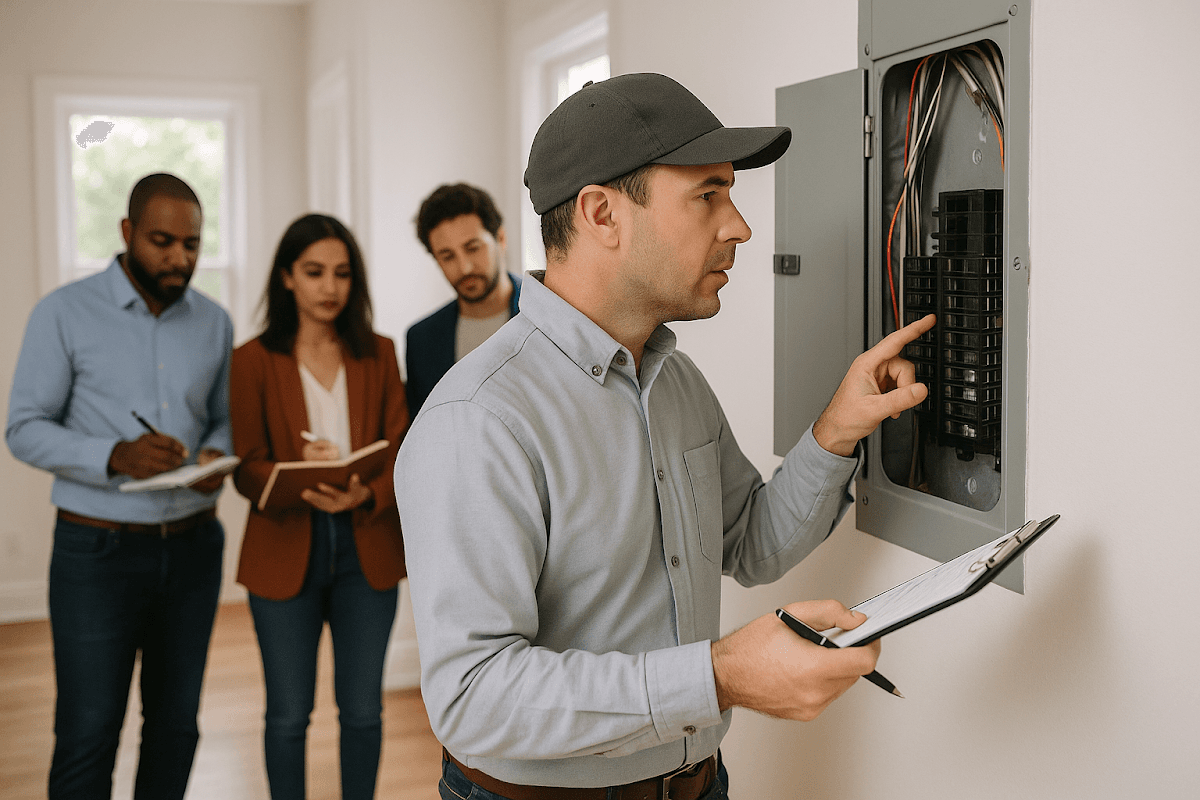
Home Inspection Process for Real Estate Investors
The home inspection process plays a crucial role in successful real estate investment strategies. Whether you're evaluating a potential rental property for DSCR loan financing or analyzing a fix-and-flip opportunity, understanding what to expect during a home inspection can protect your investment and inform your decision-making process. Smart investors recognize that thorough property evaluations often determine the difference between profitable ventures and costly mistakes.
Understanding Different Types of Home Inspections

Understanding different types of home inspections helps investors choose the right evaluation approach for their investment strategy. The scope and focus of inspections can vary significantly based on your intended use of the property.
- General Home Inspection: Comprehensive evaluation of structural, electrical, plumbing, and HVAC systems typically required for most investment properties
- Specialized Inspections: Targeted assessments for specific concerns like termites, mold, or environmental hazards that might affect rental income potential
- Pre-Purchase Investment Analysis: Detailed inspection focusing on repair costs and renovation requirements for fix-and-flip projects
- Rental Property Assessment: Inspection emphasizing safety, habitability, and long-term maintenance issues relevant to DSCR loan qualification
What to Expect During a Home Inspection
What to expect during a home inspection varies depending on the property type and your investment goals, but most professional evaluations follow a systematic approach. The inspection process typically takes several hours and covers both interior and exterior components.
- Structural Assessment: Foundation, framing, and load-bearing elements that could impact property value and rental income stability
- System Evaluations: Electrical, plumbing, and HVAC systems that directly affect operating costs and tenant satisfaction
- Safety and Code Compliance: Critical for rental properties to meet local housing standards and avoid liability issues
- Exterior Inspection: Roofing, siding, and drainage systems that influence long-term maintenance expenses and property appreciation
Essential Home Inspection Checklist for Investors
A comprehensive home inspection checklist ensures you don't overlook critical issues that could affect your investment returns. Focus areas should align with your financing strategy and intended property use.
- Revenue-Impacting Systems: HVAC efficiency, water pressure, and electrical capacity that affect tenant retention and operating costs
- Major Repair Indicators: Foundation cracks, roof condition, and structural issues that require immediate capital investment
- Safety and Compliance Items: Smoke detectors, carbon monoxide detectors, and GFCI outlets required for rental property licensing
- Future Maintenance Concerns: Aging systems and components that might need replacement within your investment timeline
Costs of a Home Inspection and Budget Planning
The costs of a home inspection represent a small percentage of your total investment but can save thousands in unexpected repairs. Professional inspection fees typically vary based on property size, location, and scope of evaluation.
- Standard Inspection Fees: Generally range from a few hundred to over a thousand dollars depending on property size and local market rates
- Specialized Testing Costs: Additional fees for radon, mold, or environmental assessments that might be required for certain properties
- Reinspection Expenses: Follow-up inspections after repairs or renovations, particularly important for fix-and-flip projects
- Investment Protection Value: Inspection costs often pay for themselves by identifying issues that could affect DSCR calculations or rental income projections
Leveraging Inspection Results for Investment Success
Leveraging inspection results for investment success involves translating findings into actionable strategies for your real estate portfolio. Smart investors use inspection data to inform financing decisions and negotiate better terms.
- Repair Cost Analysis: Calculate exact renovation expenses to ensure fix-and-flip projects maintain profitable margins
- DSCR Impact Assessment: Evaluate how major systems and maintenance needs might affect rental income and debt service coverage ratios
- Negotiation Strategy: Use inspection findings to justify price adjustments or request seller concessions that improve investment returns
- Financing Documentation: Provide lenders with comprehensive property condition reports that support loan approval for investment properties
- Long-term Planning: Develop maintenance schedules and capital improvement timelines based on inspection recommendations
●Conclusion
The home inspection process serves as a critical foundation for successful real estate investment decisions. Whether you're securing DSCR loan financing for rental properties or planning fix-and-flip projects, thorough property evaluations protect your capital and inform strategic choices. By understanding inspection types, costs, and how to leverage results, investors can make confident decisions that support long-term portfolio growth. Remember that inspection investments typically pay dividends through avoided surprises, improved negotiating positions, and better financing terms that enhance your overall investment returns.