
Understanding Your Path to Homeownership
Navigating mortgage loan options for first-time buyers can feel overwhelming, but understanding your choices makes the process much clearer. Today's market offers several financing paths designed specifically for new homebuyers, each with unique benefits and requirements. Whether you're looking at government-backed programs or conventional financing, the right loan product can help bridge the gap between renting and owning your first home.
Government-Backed Loan Programs
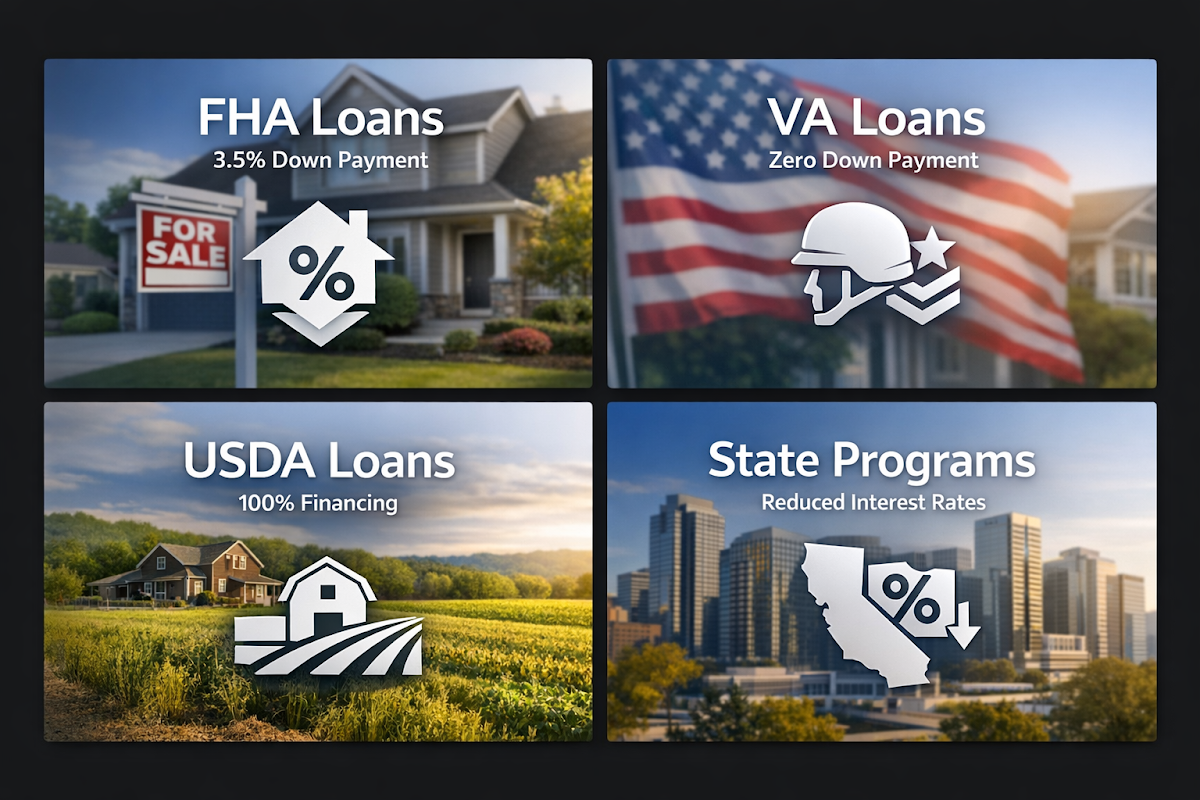
Government-backed loan programs often provide the most accessible mortgage loan options for first-time buyers. These programs typically offer lower down payment requirements and more flexible qualification standards compared to conventional financing.
- FHA loans for first-time buyers require as little as 3.5% down and accept credit scores as low as 580 in many cases
- VA loans offer zero down payment options for eligible military service members and veterans
- USDA loans for rural homebuyers provide 100% financing for properties in designated rural and suburban areas
- State and local programs may offer additional benefits like reduced interest rates or closing cost assistance
Conventional Financing Solutions
Conventional financing solutions represent another category of mortgage loan options for first-time buyers, often providing competitive rates and terms for qualified borrowers.
- Conventional 97 programs allow qualified buyers to purchase with just 3% down payment
- HomeReady and Home Possible loans cater to moderate-income borrowers with flexible income requirements
- First-time buyer incentives from lenders might include reduced fees or credit toward closing costs
- Jumbo loan options serve buyers in higher-cost markets who exceed conventional loan limits
Down Payment Assistance Programs
Down payment assistance for new buyers comes in various forms and can significantly reduce the upfront costs of homeownership.
- Grant programs provide funds that typically don't require repayment if you stay in the home for a specified period
- Second mortgage assistance offers low-interest or deferred payment loans to cover down payment and closing costs
- Employer assistance programs might provide financial help or favorable loan terms through workplace benefits
- Community development programs focus on specific neighborhoods or income levels to promote homeownership
Qualification Requirements and Process
Understanding qualification requirements helps first-time homebuyers prepare for the mortgage application process and choose the most suitable loan option.
- Credit score assessment: Most programs require minimum credit scores ranging from 580 to 620, though some conventional options may require higher scores
- Income verification: Lenders typically require two years of stable employment history and documentation of all income sources
- Debt-to-income ratio: Most programs prefer ratios below 43%, though some government programs may allow higher ratios with compensating factors
- Down payment savings: Even low down payment programs require borrowers to demonstrate they can cover their portion plus closing costs
Choosing the Right Loan Program
Selecting among the various mortgage loan options for first-time buyers requires careful consideration of your financial situation and long-term goals.
- Assess your savings: Determine how much you can comfortably put toward down payment and closing costs without depleting emergency funds
- Compare total costs: Look beyond interest rates to consider mortgage insurance, fees, and long-term payment obligations
- Evaluate your timeline: Some programs have faster processing times, while others may require additional documentation or approvals
- Consider future plans: Think about how long you plan to stay in the home and whether you might refinance or sell within a few years
●Conclusion
The variety of mortgage loan options for first-time buyers ensures that most qualified individuals can find a path to homeownership that fits their financial situation. From government-backed programs offering low down payment mortgage options to down payment assistance for new buyers, today's lending landscape provides multiple solutions for overcoming traditional barriers to homeownership. Working with knowledgeable mortgage professionals can help you navigate these options and identify the program that best aligns with your goals and financial capacity.