
Essential Business Loan for Freelancers Guide
Securing a business loan for freelancers presents unique challenges that traditional employees rarely face. Independent contractors often struggle with irregular income documentation, limited credit history, and complex application processes that favor conventional business structures. However, the freelance economy continues to expand, and financial institutions are increasingly recognizing the need to serve this growing market segment.
Understanding your financing options as a freelancer is crucial for scaling your business, managing cash flow, and investing in equipment or services that drive growth. While traditional lending criteria may seem restrictive, numerous specialized programs and alternative financing solutions cater specifically to self-employed professionals and independent contractors.
Understanding Freelancer Financing Fundamentals
Freelancer financing fundamentals differ significantly from traditional employee lending structures. Lenders typically evaluate freelancers using alternative criteria that account for irregular income patterns and non-traditional business models.
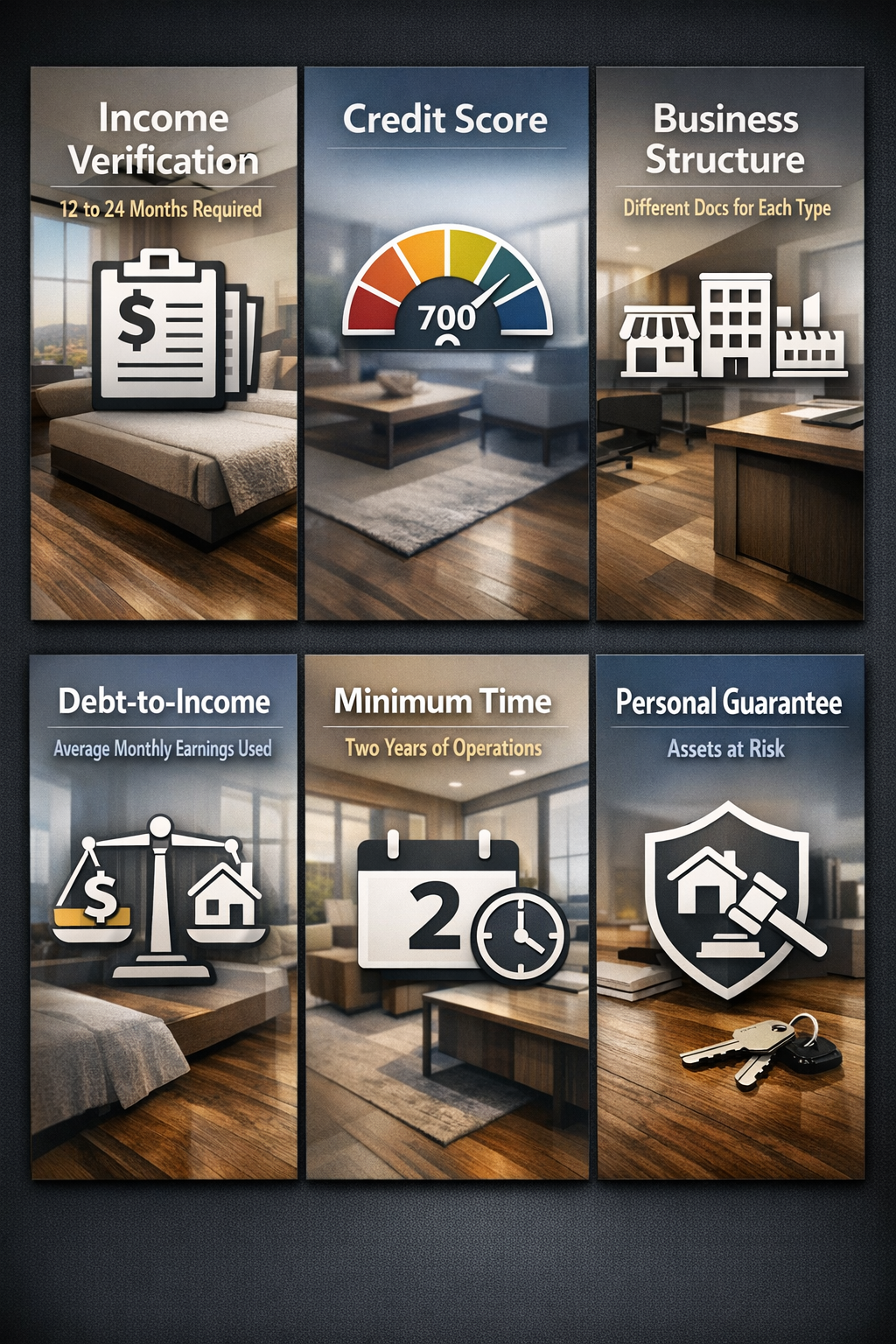
- Income verification requirements: Most lenders require 12 to 24 months of bank statements, tax returns, and profit-and-loss statements to establish consistent earning patterns
- Credit score considerations: Personal credit scores carry more weight for freelancers since business credit may be limited or underdeveloped
- Business structure documentation: Sole proprietors, LLCs, and independent contractors each face different documentation requirements and approval criteria
- Debt-to-income calculations: Lenders might use average monthly earnings over extended periods rather than traditional salary verification methods
Self-Employed Business Loan Requirements
Self-employed business loan requirements typically involve more comprehensive documentation than traditional employment-based applications. Financial institutions need to assess risk differently when dealing with variable income sources.
- Financial documentation package: Complete tax returns for two years, quarterly statements, bank statements showing consistent deposits, and business registration documents
- Minimum time in business: Most lenders require at least two years of continuous freelance operations, though some specialized programs accept shorter business histories
- Personal guarantee obligations: Freelancers often must provide personal guarantees, making personal assets potentially liable for business loan defaults
- Industry-specific requirements: Certain freelance sectors may face additional scrutiny or specialized lending criteria based on market volatility and payment cycles
Small Business Loans for Independent Contractors
Small business loans for independent contractors encompass various funding mechanisms designed to accommodate non-traditional business structures and income patterns.
- SBA microloan programs: Government-backed microloans typically offer amounts up to $50,000 with more flexible qualification criteria for independent contractors
- Term loan options: Traditional term loans provide lump-sum funding with fixed repayment schedules, suitable for equipment purchases or business expansion
- Revenue-based financing: Alternative lending products that tie repayments to business income percentages, providing more flexibility during slower periods
- Equipment financing: Specialized loans for purchasing business equipment where the equipment itself serves as collateral, reducing risk for both parties
Alternative Freelancer Financing Options
Alternative freelancer financing options provide solutions when traditional lending channels prove inaccessible or insufficient for independent contractors' unique needs.
- Invoice factoring services: Sell outstanding invoices to factoring companies for immediate cash flow, though fees typically range from 2% to 5% of invoice values
- Business credit lines: Revolving credit facilities allow freelancers to draw funds as needed and pay interest only on utilized amounts
- Peer-to-peer lending platforms: Online marketplaces connect freelancers directly with individual investors, often offering competitive rates and flexible terms
- Business credit cards: High-limit business credit cards provide immediate access to working capital, though interest rates may be higher than traditional loans
Strategic Steps for Funding Freelance Projects
Strategic steps for funding freelance projects require careful planning and systematic execution to maximize approval chances and secure favorable terms.
- Establish business credit history: Open business bank accounts, obtain employer identification numbers, and build relationships with vendors who report to business credit bureaus
- Maintain comprehensive financial records: Use accounting software to track income, expenses, and profit margins consistently across all client relationships and project types
- Build emergency fund reserves: Demonstrate financial stability by maintaining 3-6 months of operating expenses in business savings accounts before applying for financing
- Research lender specializations: Identify financial institutions that specifically serve freelancers and independent contractors rather than applying broadly to traditional lenders
- Prepare detailed business plans: Develop comprehensive business plans that outline growth strategies, market analysis, and specific uses for borrowed funds to strengthen applications
●Conclusion
Securing financing as a freelancer requires preparation, patience, and understanding of the unique challenges independent contractors face in the lending market. While traditional banks may present obstacles, numerous alternative financing options cater specifically to self-employed professionals and freelance businesses.
Success in obtaining funding typically depends on maintaining meticulous financial records, building strong business credit, and choosing the right financing products for your specific needs. Whether you're seeking working capital, equipment financing, or project funding, the key lies in presenting your freelance business as a stable, profitable venture worthy of investment.
Consider consulting with financial advisors who specialize in self-employed lending to develop a comprehensive financing strategy that aligns with your business goals and cash flow patterns. The freelance economy continues growing, and financing options will likely expand as lenders recognize the value and stability of well-managed independent contractor businesses.