
Essential Business Loan for Franchise Acquisition
Real estate investors often diversify their portfolios by exploring franchise opportunities, especially those tied to property management, real estate services, or construction-related businesses. A Business Loan for Franchise Acquisition can provide the capital needed to enter these markets while maintaining your existing investment strategy. Understanding franchise financing options becomes crucial when you're looking to expand beyond traditional rental properties or fix and flip projects.
Franchise acquisition typically requires substantial upfront capital, making financing a critical component of your investment decision. Whether you're considering a property management franchise or a home services business that complements your real estate portfolio, the right financing structure can determine your success in this venture.
Smart Preparation Tips for Franchise Financing
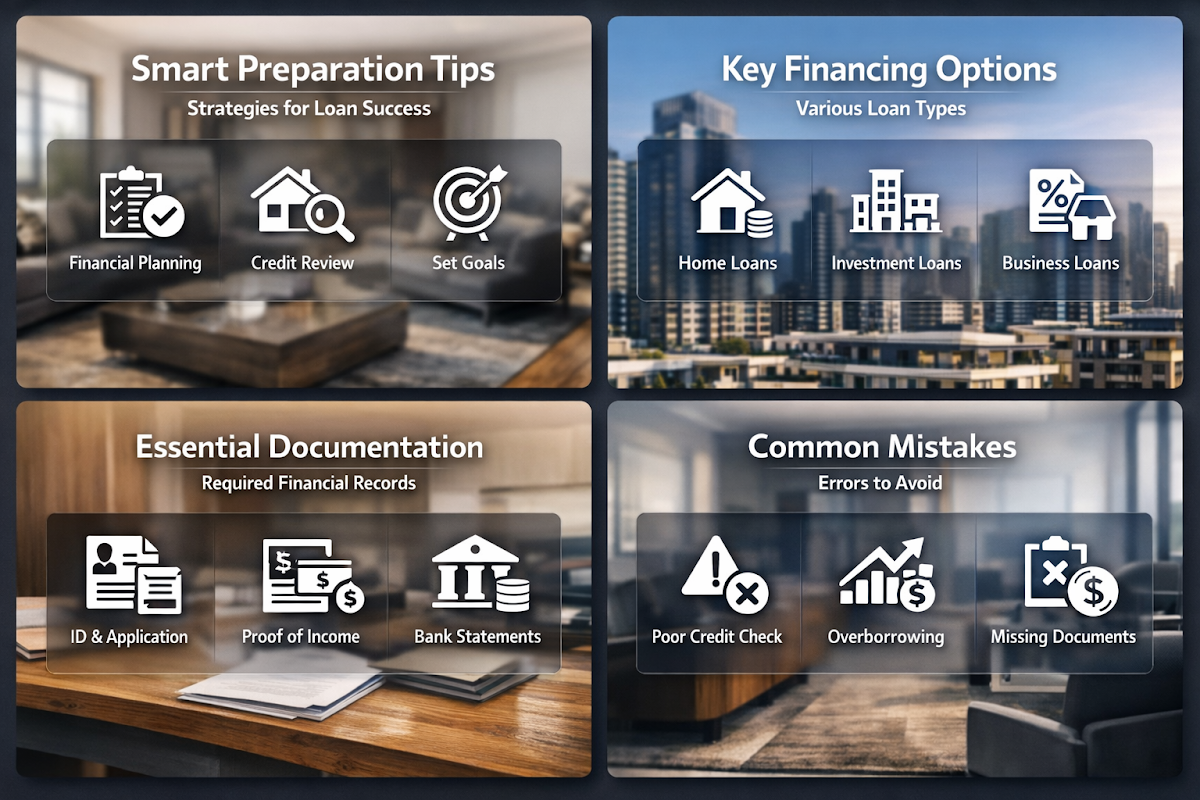
Smart preparation tips for franchise financing can significantly improve your chances of securing favorable loan terms. These strategies help position you as a qualified borrower in the eyes of lenders.
- Document your real estate investment experience: Lenders often view successful real estate investors favorably when evaluating franchise loan applications. Compile records of your property investments, rental income history, and any business management experience you've gained through your real estate activities.
- Research franchise performance metrics thoroughly: Before approaching lenders, gather detailed financial information about the franchise you're considering. This includes average revenue figures, typical startup costs, and success rates in your target market, which demonstrates due diligence to potential lenders.
- Prepare multiple financing scenarios: Consider how different loan amounts and terms might affect your overall investment portfolio. Having backup financing strategies shows lenders you've thought through various scenarios and understand the financial implications of franchise ownership.
- Strengthen your credit profile early: Begin improving your credit score months before applying for franchise financing. Pay down existing debts, avoid new credit inquiries, and ensure all real estate investment accounts are in good standing to present the strongest possible financial picture.
Key Franchise Financing Options Available
Key franchise financing options available to real estate investors include several distinct pathways, each with unique advantages and requirements. Understanding these options helps you select the most appropriate financing structure for your investment goals.
- Traditional business term loans: These loans typically offer fixed interest rates and structured repayment terms, making them predictable for budgeting purposes. Many lenders prefer borrowers with existing business experience, which real estate investors often possess through property management activities.
- SBA franchise financing programs: The Small Business Administration offers specialized loan programs that may provide lower down payments and favorable interest rates for qualified franchise purchases. These programs often have specific requirements but can offer significant benefits for eligible borrowers.
- Equipment and asset-based financing: Some franchise opportunities allow you to finance specific equipment or assets separately from the franchise fee. This approach might provide better terms on certain components of your startup costs while spreading the financing across multiple sources.
- Alternative lending options: Non-traditional lenders sometimes offer more flexible terms for franchise acquisition, though typically at higher interest rates. These options might be valuable if you need faster approval times or have unique circumstances that don't fit traditional lending criteria.
Essential Documentation Requirements
Essential documentation requirements for franchise financing typically involve comprehensive financial records that demonstrate your ability to manage and repay the loan. Proper preparation of these documents can streamline your application process.
- Personal and business financial statements: Lenders require detailed statements showing your assets, liabilities, and income sources, including rental property revenues. Organize these documents to clearly show your real estate investment portfolio's performance and stability over time.
- Franchise disclosure documents and agreements: You'll need the complete Franchise Disclosure Document from your chosen franchisor, along with any preliminary agreements. These documents help lenders understand the business model, fee structure, and ongoing obligations you'll face as a franchisee.
- Market analysis and business plan: A comprehensive business plan should include local market analysis, competition assessment, and financial projections for the first few years of operation. This demonstrates your understanding of the business opportunity and realistic expectations for performance.
- Proof of liquid capital and down payment: Most franchise financing requires a significant down payment, often 20-30% of the total project cost. Document your available liquid funds, which might include cash from recent property sales or established lines of credit secured by real estate assets.
Steps to Secure SBA Franchise Financing
Steps to secure SBA franchise financing follow a structured process that can provide significant benefits for qualified real estate investors. The SBA's franchise financing programs often offer competitive terms that make them attractive options.
- Verify franchise eligibility: Confirm that your chosen franchise appears on the SBA's Franchise Directory, which lists pre-approved franchise systems. This step is crucial because only certain franchises qualify for SBA financing, and working with an approved franchise streamlines the application process significantly.
- Find an SBA preferred lender: Identify banks and financial institutions in your area that actively participate in SBA lending programs. Preferred lenders often have faster approval processes and may offer more competitive terms due to their established relationships with the SBA.
- Prepare comprehensive financial documentation: Gather all required financial statements, tax returns, and business projections as specified by SBA guidelines. Include documentation of your real estate investment experience, as this business background can strengthen your application for franchise financing.
- Submit application and manage the review process: Work closely with your chosen lender throughout the underwriting process, responding promptly to requests for additional information. The SBA review process can take several weeks, so maintain communication with all parties to ensure timely completion of your franchise acquisition.
Managing Franchise Startup Costs Effectively
Managing franchise startup costs effectively requires careful planning and strategic use of available capital. Real estate investors often have advantages in this area due to their experience with project financing and cost management.
- Break down all initial expenses: Create detailed budgets that separate franchise fees, equipment costs, initial inventory, working capital, and professional fees. This approach allows you to identify which expenses might be financed separately and which require immediate cash payment.
- Negotiate payment terms where possible: Some franchisors allow staggered payments for franchise fees or equipment purchases. Explore these options to spread your initial cash requirements over several months, potentially reducing your immediate financing needs.
- Consider phased opening strategies: If the franchise model allows, consider opening with essential equipment and services first, then expanding as revenue grows. This approach can reduce initial startup costs and lower your financing requirements.
- Plan for working capital needs: Ensure your financing covers not just startup costs but also operating expenses for the first six to twelve months. Many new franchises take time to reach profitability, so adequate working capital prevents cash flow problems during the ramp-up period.
Common Franchise Financing Mistakes to Avoid
Common franchise financing mistakes to avoid can save you significant time, money, and frustration during the application process. Learning from these typical errors helps ensure a smoother path to franchise ownership.
- Underestimating total capital requirements: Many investors focus only on the franchise fee and initial setup costs while overlooking working capital needs, ongoing royalty payments, and unexpected expenses that commonly arise in the first year of operation.
- Failing to compare multiple financing options: Don't accept the first financing offer you receive. Different lenders may offer varying terms, interest rates, and structures that could significantly impact your long-term profitability and cash flow management.
- Neglecting to review franchise performance thoroughly: Some investors rush into franchise opportunities without adequate research into the specific franchise's track record, local market conditions, or realistic revenue expectations, leading to financing decisions based on incomplete information.
- Overleveraging your real estate portfolio: Avoid using all available credit lines or refinancing multiple properties to fund franchise acquisition. Maintain financial flexibility in your real estate investments to handle unexpected market changes or opportunities in either business loans area.
●Conclusion
Securing a Business Loan for Franchise Acquisition requires careful planning, thorough research, and strategic financial management. Real estate investors often find themselves well-positioned for franchise financing due to their business experience and established credit profiles. The key to success lies in understanding your financing options, preparing comprehensive documentation, and selecting a franchise opportunity that complements your existing investment portfolio.
Whether you choose traditional business loans, SBA financing, or alternative lending options, the most important factor is ensuring that your franchise investment aligns with your overall business strategy. Take time to evaluate how franchise ownership might affect your real estate investments and plan accordingly. With proper preparation and the right financing structure, franchise acquisition can become a valuable addition to your investment portfolio, providing diversification and new revenue streams to support your long-term financial goals.