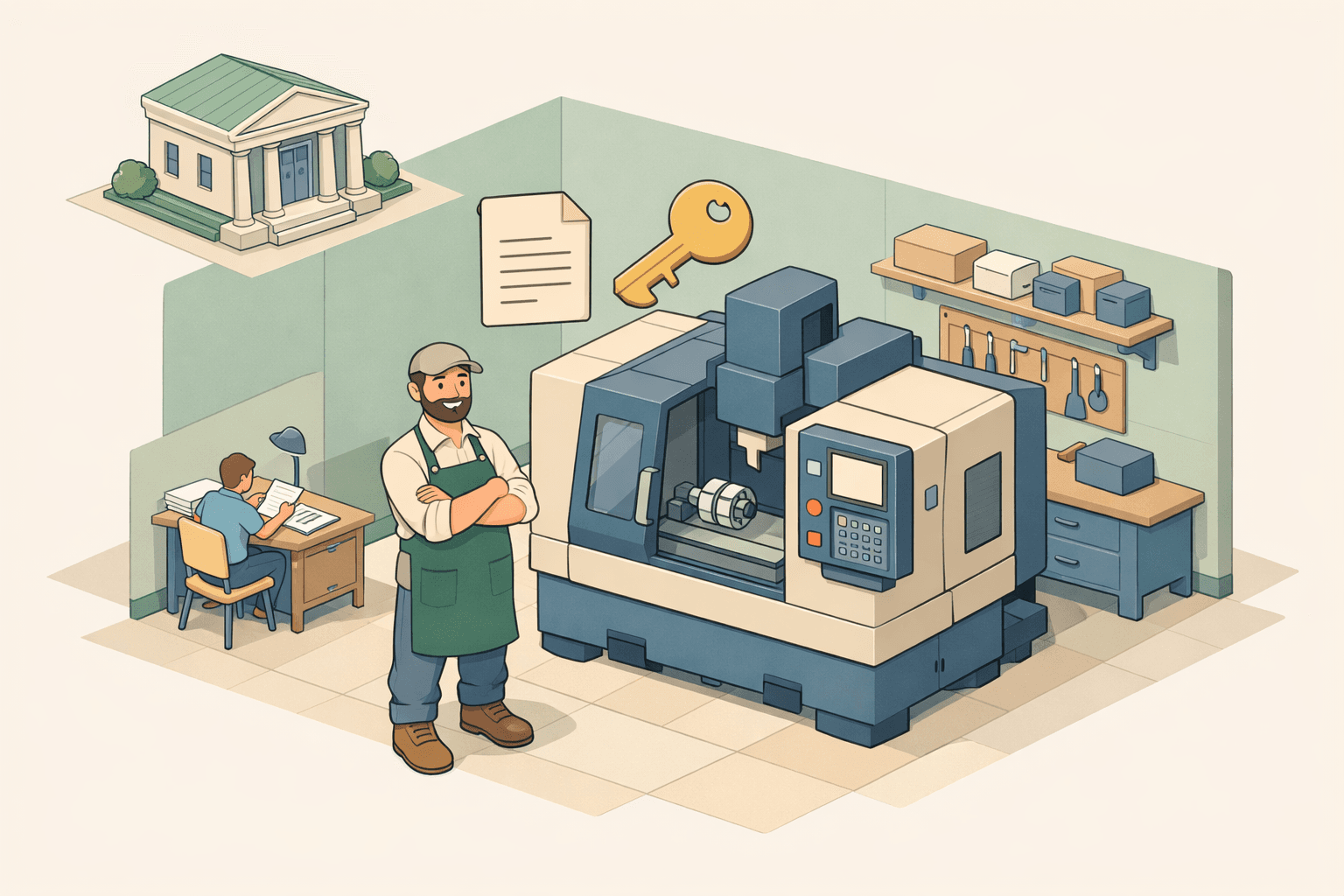
Running a small business often means making tough decisions about where to spend your money. Whether you need a new delivery truck, updated kitchen equipment, or industrial machinery, purchasing the tools your business depends on can put serious strain on your cash flow. That's where equipment financing comes in. This type of lending allows small business owners and entrepreneurs to acquire the assets they need — without paying the full cost upfront. In this guide, we'll break down how equipment financing works, what lenders look for, and how it might help your business grow smarter.
What Is Equipment Financing and How Does It Work?
Equipment financing is a type of business loan specifically designed to help companies purchase or lease physical assets used in their day-to-day operations. Unlike a general-purpose term loan, the equipment itself typically serves as collateral for the financing. This arrangement may reduce the lender's risk, which can sometimes make it easier for borrowers to qualify — even if they don't have an extensive credit history.
There are generally two main structures you'll encounter:
- Equipment loans: You borrow a lump sum to purchase the equipment outright. You own the asset from day one and make fixed monthly payments over a set term until the loan is repaid.
- Equipment leases: You make regular payments to use the equipment for a defined period. At the end of the lease, you may have the option to buy, return, or upgrade the equipment.
The repayment term is often tied to the expected useful life of the equipment, which could range from a couple of years to over a decade depending on the asset. Interest rates and terms will vary based on factors like your credit profile, time in business, and the type of equipment being financed.
Types of Equipment Small Business Owners Typically Finance
One of the most appealing aspects of equipment financing is how broadly it can be applied across industries. Entrepreneurs from nearly every sector can potentially benefit from this lending option. Here are some common examples of assets that small businesses frequently finance:
- Construction and heavy machinery: Excavators, forklifts, cranes, and bulldozers
- Restaurant and food service: Commercial ovens, refrigeration units, and food prep stations
- Healthcare and medical: Diagnostic imaging systems, dental chairs, and lab equipment
- Transportation and logistics: Delivery vans, freight trucks, and refrigerated vehicles
- Technology and IT: Servers, point-of-sale systems, and specialized software hardware
- Manufacturing: CNC machines, assembly line tools, and production systems
As long as the asset is tangible and used primarily for business purposes, it may qualify for financing. Some lenders also offer financing for used or refurbished equipment, though terms may differ from those offered for new purchases.
Key Qualification Factors Lenders Often Consider
Before approving an equipment financing application, lenders will typically evaluate several factors related to both the borrower and the asset being purchased. Understanding these criteria ahead of time can help you prepare a stronger application.
Credit Score and Business History
Most lenders will review your personal credit score, especially for smaller or newer businesses that haven't yet built a strong business credit profile. A higher credit score may unlock better interest rates and more favorable repayment terms. Some lenders, however, may work with borrowers who have fair or even limited credit — particularly when the equipment itself provides strong collateral value.
Time in Business
Lenders often prefer businesses that have been operating for at least one to two years. Startups may face more scrutiny, but there are lenders who specialize in working with newer enterprises. If your business is relatively young, be prepared to provide additional documentation and possibly a larger down payment.
Revenue and Cash Flow
Your ability to make monthly payments is a central concern for any lender. You'll likely need to demonstrate consistent revenue and healthy cash flow. Lenders may request bank statements, tax returns, or financial statements to verify your business income. A strong revenue record can help offset concerns about a lower credit score or limited operating history.
The Equipment Itself
Because the equipment acts as collateral, lenders will consider its value, condition, and expected lifespan. New equipment from reputable manufacturers is generally viewed more favorably. Used equipment may still be financeable, but lenders might offer lower loan-to-value ratios or require additional documentation.
Benefits of Equipment Financing for Growing Businesses
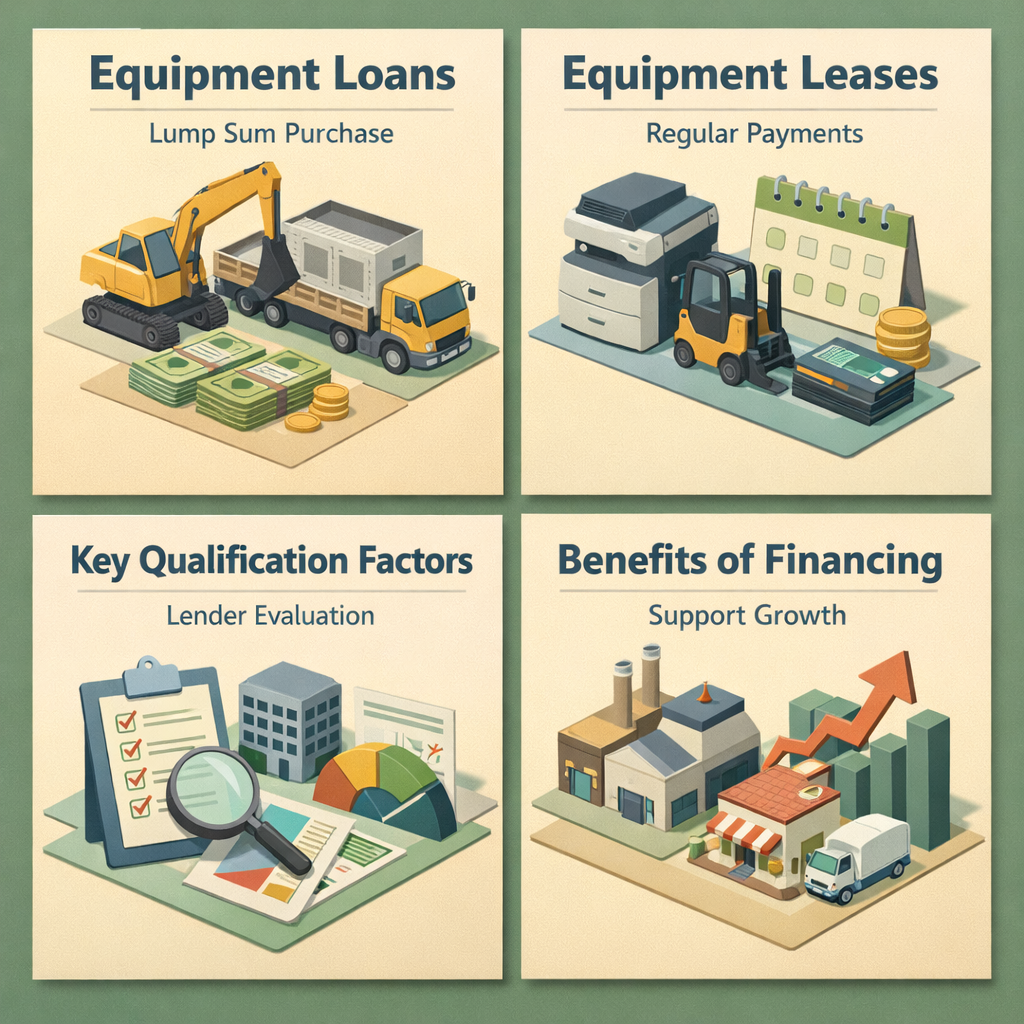
For small business owners and commercial borrowers, equipment financing offers several practical advantages that can support long-term growth without jeopardizing financial stability.
- Preserves working capital: Rather than depleting your cash reserves on a large purchase, financing lets you spread the cost over time — keeping funds available for payroll, inventory, or unexpected expenses.
- Predictable monthly payments: Fixed-rate equipment loans offer consistent payment schedules, making it easier to budget and plan for the future.
- Potential tax advantages: Depending on your situation, you may be able to deduct interest payments or take advantage of Section 179 of the IRS tax code, which allows businesses to deduct the full cost of qualifying equipment in the year it's placed in service. Always consult a tax professional for guidance specific to your circumstances.
- Faster access to needed assets: Equipment financing can often be processed more quickly than other types of commercial loans, allowing you to get the tools you need without long delays.
- Builds business credit: Responsibly managing an equipment loan can help strengthen your business credit profile over time, opening doors to more favorable financing in the future.
Potential Drawbacks to Consider Before You Apply
Like any financial product, equipment financing isn't a perfect solution for every situation. It's important to weigh the potential downsides before committing to a loan or lease agreement.
Total Cost of Borrowing
While spreading payments over time is convenient, you'll pay interest throughout the loan term. Depending on your rate and repayment period, the total amount paid could be notably higher than the equipment's purchase price. Comparing the annual percentage rate (APR) across multiple lenders is a smart way to ensure you're getting a competitive deal.
Equipment Depreciation
Physical assets lose value over time. If you finance equipment that depreciates quickly — such as technology hardware — you may find yourself still making payments on an asset that's no longer current or competitive. Leasing may be a better option in these cases, as it allows for upgrades at the end of the term.
Collateral Risk
Since the equipment serves as collateral, defaulting on the loan could result in the lender repossessing the asset. This could significantly disrupt business operations. Some agreements may also include personal guarantees, meaning your personal assets could be at risk in certain scenarios.
Restrictions on Equipment Use
Some lenders may impose conditions on how the financed equipment can be used or may require it to remain in a specific location. It's essential to read the fine print of any financing agreement carefully before signing.
How to Compare Equipment Financing Offers Like a Pro
Not all equipment financing offers are created equal. To make sure you're choosing the right product for your business, it helps to evaluate each offer using the same set of criteria.
- APR vs. factor rate: Some lenders — particularly online or alternative lenders — quote a "factor rate" rather than a traditional interest rate. Factor rates are expressed as a decimal (e.g., 1.25) and can make it harder to compare costs directly. Converting factor rates to an effective APR gives you a clearer picture of the true cost.
- Loan term length: Shorter terms mean higher monthly payments but less interest paid overall. Longer terms reduce your monthly burden but increase total borrowing costs. Match the term to the useful life of the equipment whenever possible.
- Down payment requirements: Some lenders require a down payment of 10% to 20%, while others may offer 100% financing for well-qualified borrowers. Know what's required before you apply.
- Fees and penalties: Watch for origination fees, prepayment penalties, and late payment charges. These can add up and affect the overall value of the financing offer.
- Lender reputation: Work with lenders who are transparent about terms and have a track record of serving small businesses. Reading reviews and checking with industry associations can help you verify credibility.
●Conclusion
Equipment financing can be a powerful tool for small business owners and entrepreneurs who want to grow without sacrificing financial flexibility. By spreading the cost of essential assets over time, you can invest in the equipment your business needs while keeping cash reserves intact for other priorities. Of course, like any financing decision, it requires careful consideration of your specific situation — including your credit profile, revenue, and long-term business goals. If you're ready to explore your options, LoanWise can help you connect with lenders who specialize in equipment and asset-based lending tailored to small businesses. Take the next step toward smarter growth today.