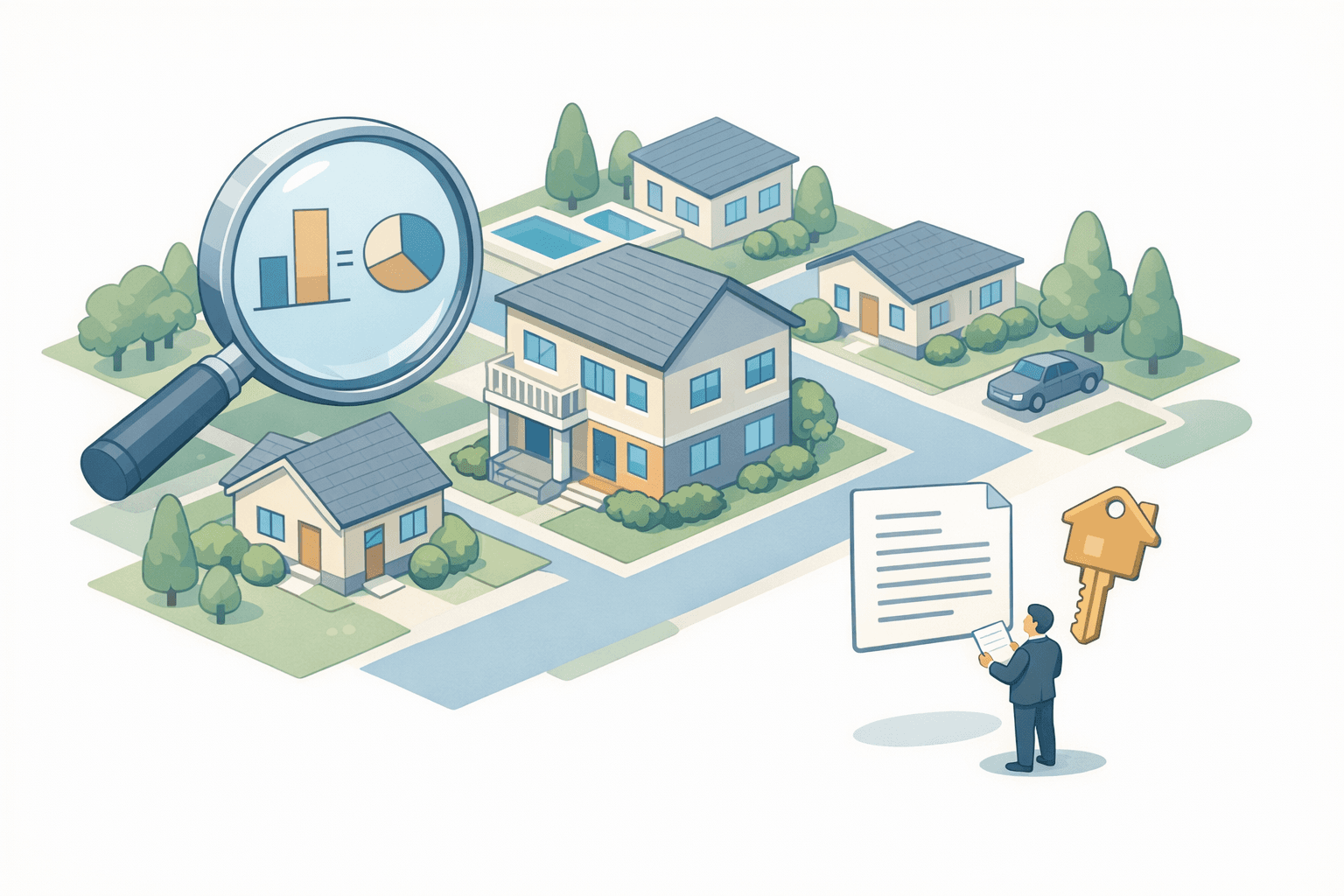
If you're a real estate investor looking to grow your portfolio, you've probably run into one common frustration: traditional mortgage lenders want to see your personal income, tax returns, and employment history. But what if your wealth is tied up in properties rather than a W-2 paycheck? That's exactly where DSCR loans come in. Short for Debt Service Coverage Ratio loans, these financing tools are designed specifically for investors who want to qualify based on a property's rental income — not their personal finances. In this guide, we'll break down how DSCR loans work, who they're best suited for, and what you should consider before applying.
What Is a DSCR Loan and How Does It Work?
A DSCR loan is a type of non-QM (non-qualified mortgage) designed for real estate investors. Instead of evaluating your personal income through pay stubs or tax returns, the lender focuses on the income-generating ability of the property itself. The key metric is the Debt Service Coverage Ratio — a simple formula that compares the property's gross rental income to its total monthly debt obligations.
The formula looks like this:
- DSCR = Gross Rental Income ÷ Total Debt Service (PITIA)
PITIA stands for Principal, Interest, Taxes, Insurance, and Association dues. A DSCR of 1.0 means the property's income exactly covers its debt payments. A ratio above 1.0 — say, 1.25 — suggests the property generates 25% more income than needed to cover its obligations. Most lenders typically prefer a DSCR of at least 1.0 to 1.25, though some may allow ratios slightly below 1.0 in certain cases, often with a higher down payment or interest rate.
Because the underwriting focuses on the asset rather than the borrower's personal finances, DSCR loans are often considered a form of asset-based lending. This makes them especially appealing to self-employed borrowers, investors with multiple write-offs on their tax returns, or those building a rental property portfolio where traditional income documentation may not reflect their true financial strength.
Who Typically Benefits Most From DSCR Financing?
DSCR loans aren't for everyone, but for the right investor, they can be a powerful tool. Here are some of the borrower profiles that may find the most value in this type of financing:
- Self-employed investors: If you own a business and claim significant deductions, your adjusted gross income on paper may not reflect your actual cash flow. DSCR lenders sidestep this issue entirely.
- Portfolio landlords: Investors who already hold several properties may struggle to meet traditional debt-to-income (DTI) requirements. DSCR loans focus on the new property's performance, not your entire financial picture.
- Foreign national investors: Some DSCR programs may accommodate borrowers without U.S. employment history or credit files, though terms and requirements vary by lender.
- House hackers and short-term rental owners: Investors using platforms like vacation rental services may be able to use projected or documented rental income to qualify, depending on lender guidelines.
It's worth noting that DSCR loans are generally intended for non-owner-occupied investment properties. If you're buying a primary residence, you'll likely need to explore conventional or government-backed loan options instead.
Key Eligibility Requirements and What Lenders Look For
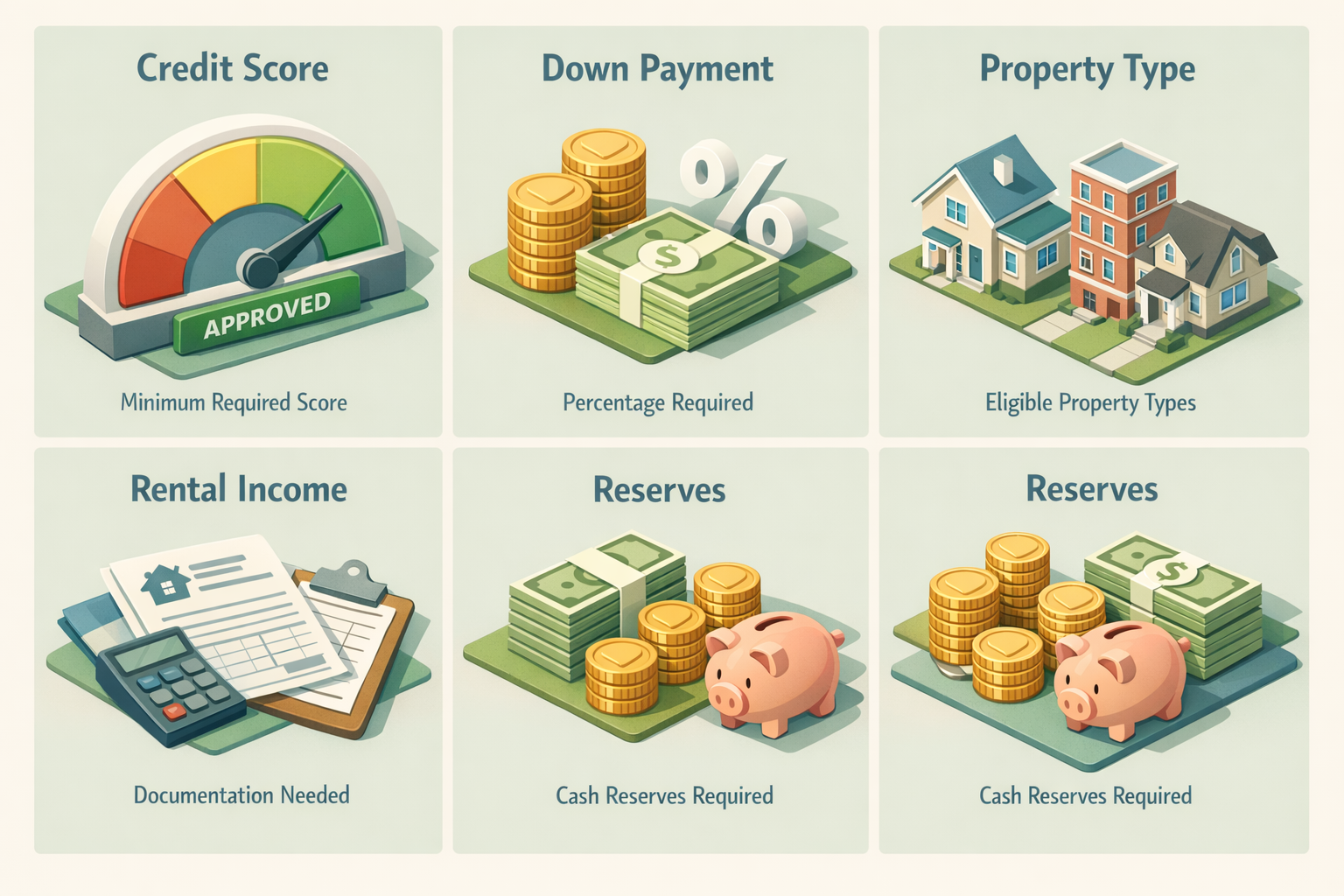
While DSCR loans are more flexible than traditional mortgages in some ways, they still come with their own set of qualification criteria. Understanding these requirements can help you prepare a stronger application and avoid surprises during underwriting.
- Credit score: Most DSCR lenders require a minimum credit score, often in the range of 620 to 680 or higher. A stronger score may help you access better rates and terms.
- Down payment: Expect to put down at least 20% to 25% in most cases. Some lenders may require more for properties with a lower DSCR or higher perceived risk.
- Property type: Single-family rentals, two-to-four unit properties, condos, and sometimes small multifamily buildings may qualify. Commercial or mixed-use properties may require a different loan product.
- Rental income documentation: Lenders may use an existing lease agreement, a market rent appraisal (often called a 1007 rent schedule), or a combination of both to determine qualifying income.
- Reserves: Many DSCR lenders require borrowers to demonstrate cash reserves — often several months of mortgage payments — to show they can handle vacancies or unexpected expenses.
Since DSCR loans fall under the non-QM category, guidelines can vary significantly from one lender to the next. It's always a smart idea to compare multiple lenders and review program details carefully before committing.
Advantages of Using a DSCR Loan for Your Investment Strategy
For investors who fit the profile, DSCR loans offer several meaningful advantages over conventional financing options. Here's why many real estate investors are choosing this route:
- No personal income verification: You won't need to provide W-2s, tax returns, or pay stubs. This simplifies the process considerably for self-employed borrowers or those with complex financial situations.
- Scalability: Because the qualification is tied to the property rather than your personal DTI, it may be easier to acquire multiple properties over time without hitting the income ceiling that traditional lenders impose.
- Faster closings: Without the need to gather years of personal income documentation, the underwriting process can sometimes move more quickly — though timelines still vary by lender.
- Flexible loan structures: DSCR loans may be available with fixed or adjustable rates, interest-only periods, and various term lengths, giving investors more options to align the loan with their investment goals.
These benefits make DSCR financing a compelling financing option for investors who want to grow their rental portfolios efficiently and with fewer bureaucratic hurdles tied to personal income documentation.
Potential Drawbacks and Risks to Consider
As with any financing product, DSCR loans come with trade-offs. Being aware of the potential downsides will help you make a more informed decision.
- Higher interest rates: Because DSCR loans are non-QM products, they typically carry higher interest rates than conventional mortgages. The rate premium can vary based on your credit profile, property type, and DSCR ratio.
- Larger down payment requirements: The higher equity requirements mean you'll need more capital upfront compared to some owner-occupied loan programs.
- Market rent risk: If rental market conditions shift and you can't maintain the rent levels used to qualify, you could face cash flow challenges that make it harder to service the debt.
- Prepayment penalties: Some DSCR loan programs include prepayment penalties, which could limit your flexibility if you decide to sell or refinance the property in the short term.
- Limited lender pool: Not all lenders offer DSCR products, so your options may be more limited compared to conventional mortgage shopping.
None of these drawbacks are necessarily deal-breakers, but they do underscore the importance of running thorough cash flow projections and consulting with a knowledgeable mortgage professional before moving forward.
How to Strengthen Your Application Before Applying
Even though DSCR loans don't require personal income documentation, there are still steps you can take to position yourself as a stronger borrower and potentially access better loan terms.
- Improve your credit score: Pay down revolving balances, resolve any collection accounts, and avoid opening new credit lines before applying. A higher score could meaningfully reduce your interest rate.
- Choose the right property: Look for properties in markets with strong rental demand. A higher potential rent relative to the purchase price will produce a more favorable DSCR, making it easier to qualify and negotiate better terms.
- Build up your reserves: Having six months or more of mortgage payments in liquid reserves signals financial stability to lenders and may help offset a borderline DSCR ratio.
- Get a current rent appraisal: If you're purchasing a vacant property or one that's underrented, a professional market rent analysis can support a higher qualifying income figure.
- Work with a lender experienced in investment property financing: Not all mortgage professionals have deep experience with non-QM products. Finding a specialist who understands DSCR loans can help you navigate the process more smoothly.
A little preparation can go a long way. Investors who approach the process strategically tend to get better rates, faster approvals, and fewer surprises along the way.
●Conclusion
DSCR loans represent a practical and increasingly popular financing solution for real estate investors who want to grow their portfolios without the constraints of traditional income verification. By focusing on property performance rather than personal tax returns, these loans open doors for self-employed borrowers, portfolio landlords, and other investors who might otherwise struggle to qualify for conventional financing. That said, the higher rates, larger down payment requirements, and varying lender guidelines mean it's essential to do your homework before committing. If you think a DSCR loan might be the right fit for your investment strategy, consider speaking with a mortgage professional who specializes in non-QM lending. With the right guidance and preparation, this type of financing could be a valuable addition to your real estate investing toolkit.