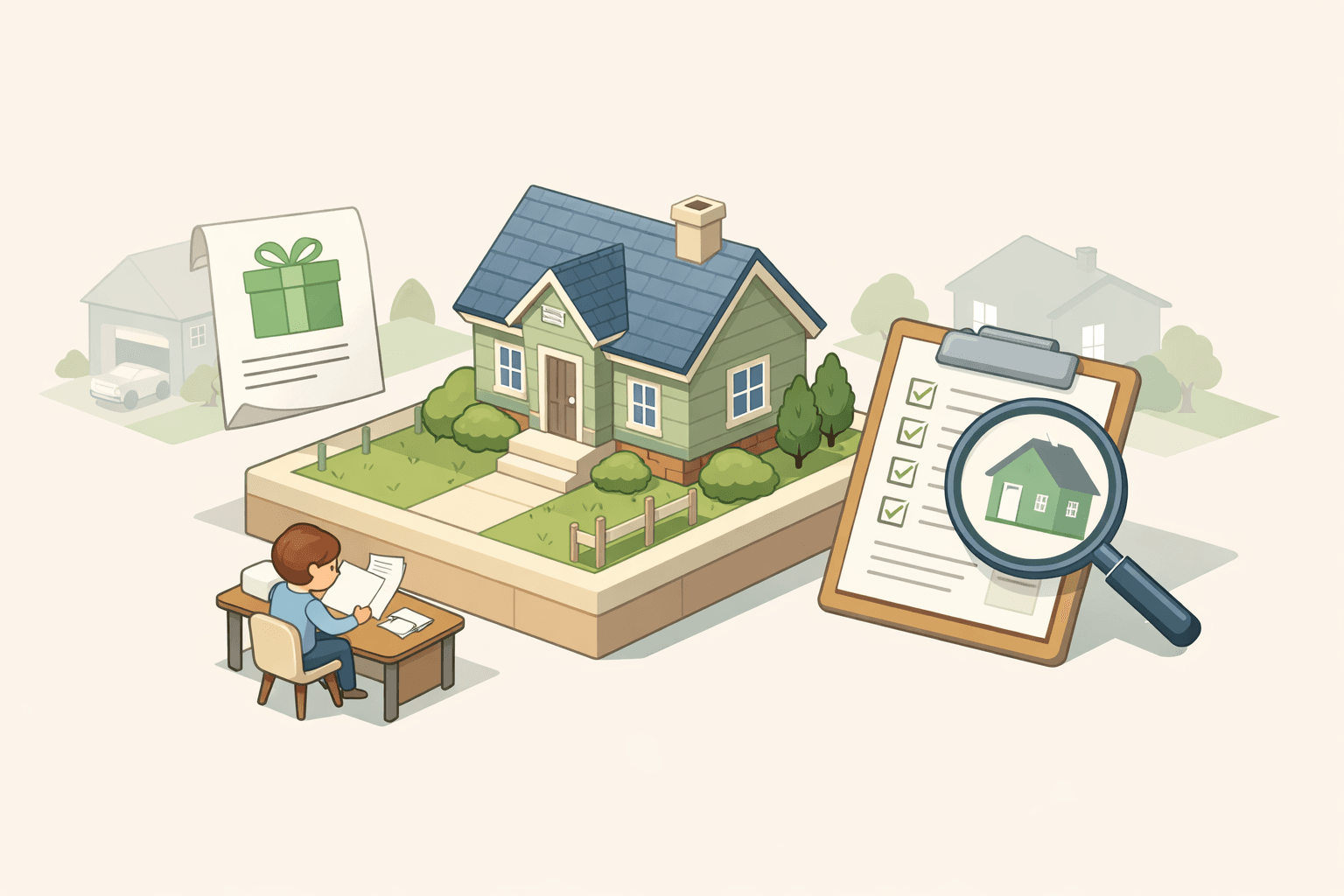
Buying a home is one of the most exciting financial milestones you can reach, but pulling together a down payment isn't always straightforward. Many homebuyers wonder about the cost of PMI for a conventional loan with 5% down payment from a non-relative — especially when the funds don't come from a traditional savings account or a family member. Private mortgage insurance, or PMI, is a common requirement when you put down less than 20% on a conventional loan, and the source of your down payment can actually influence how lenders evaluate your application. Whether you're a first-time homebuyer or someone returning to the market, understanding how PMI works alongside gifted or non-relative-sourced funds can help you plan your purchase with confidence.
What Private Mortgage Insurance Actually Covers and Why Lenders Require It
Before diving into costs, it helps to understand what PMI actually is and why lenders insist on it. Private mortgage insurance is a policy that protects the lender — not the borrower — in the event that you stop making payments and the loan goes into default. When a borrower puts down less than 20% of a home's purchase price, the lender takes on greater financial risk. PMI offsets that risk by providing the lender with a financial safety net.
On a conventional loan, PMI is typically required any time the loan-to-value (LTV) ratio exceeds 80%. With a 5% down payment, your LTV sits at 95%, which means PMI will almost certainly be part of your monthly mortgage costs. The good news is that PMI isn't permanent — once you've built enough equity in the home, typically reaching an 80% LTV, you may be able to request its removal.
It's worth noting that PMI on a conventional loan is different from the mortgage insurance premium (MIP) associated with FHA loans. Conventional PMI can be canceled once equity thresholds are met, which gives borrowers a potential path to lower monthly payments over time.
How Much Does PMI Typically Cost on a 5% Down Conventional Loan
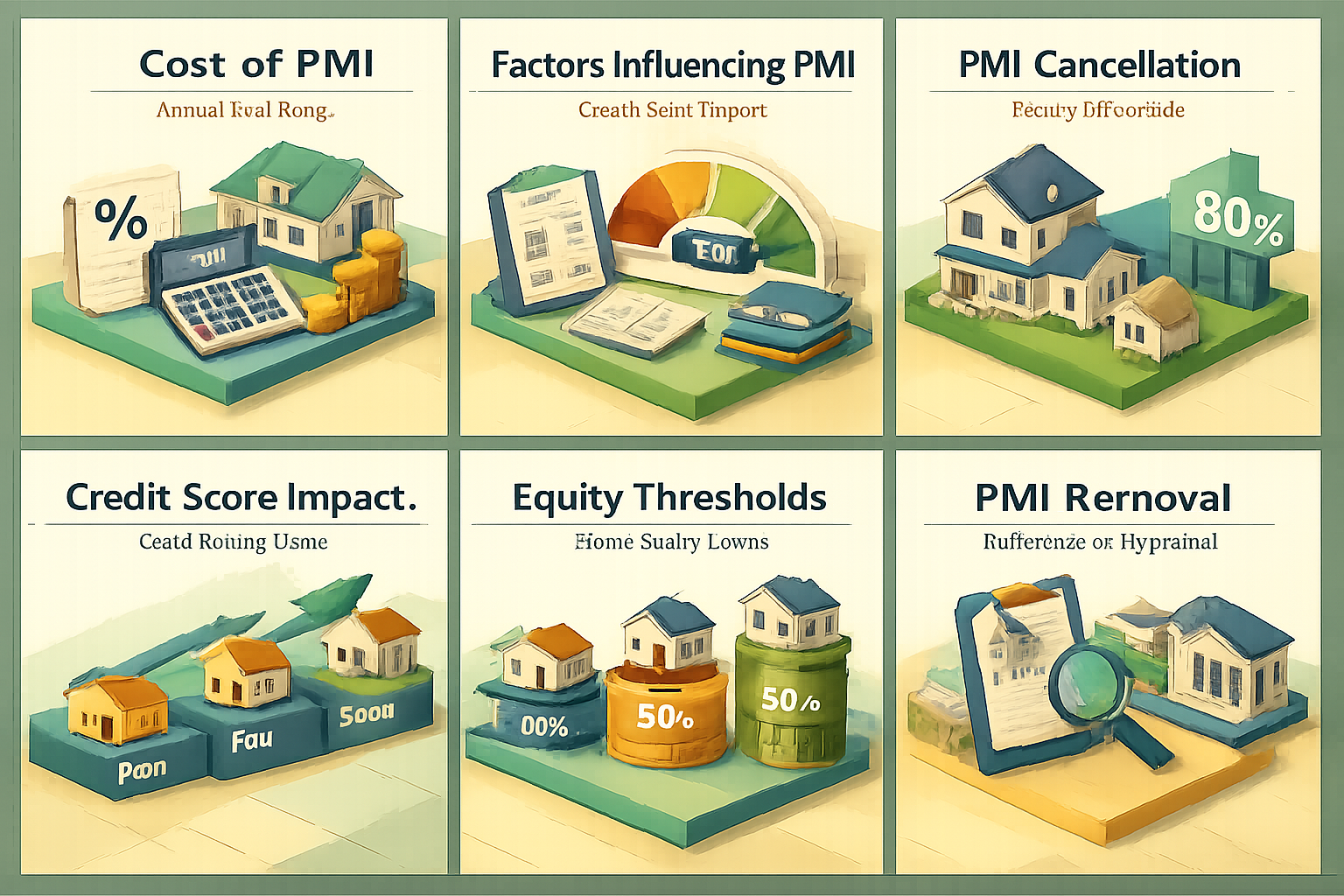
The cost of PMI for a conventional loan with 5% down payment from a non-relative — or any source, for that matter — generally ranges from roughly 0.2% to 2% of the original loan amount per year, though actual rates vary based on a number of factors. Your credit score is one of the most significant drivers of your PMI rate. Borrowers with higher credit scores tend to qualify for lower PMI premiums, while those with lower scores may face higher costs.
To put this in practical terms, consider a home priced at $300,000. With a 5% down payment, you'd be borrowing $285,000. If your PMI rate is around 0.5% annually, that works out to approximately $1,425 per year, or about $119 per month added to your mortgage payment. If your rate is closer to 1%, that figure doubles to roughly $238 per month. These are illustrative estimates — your actual PMI cost will depend on your lender, credit profile, loan term, and other underwriting factors.
Other elements that can influence your PMI rate include:
- Loan term: Longer loan terms may carry slightly higher PMI rates than shorter ones.
- Property type: Single-family homes often receive more favorable PMI pricing than condos or multi-unit properties.
- Fixed vs. adjustable rate: Adjustable-rate mortgages may be priced differently for PMI purposes than fixed-rate loans.
- Occupancy status: Primary residences typically have lower PMI rates than second homes or investment properties.
Lenders often use PMI rate cards from private mortgage insurance companies, so rates can differ between institutions. Shopping multiple lenders is always a smart strategy to find the most competitive overall mortgage package.
Down Payment Gifts From Non-Relatives: What Lenders Need to Know
When it comes to conventional loans, lenders pay close attention to the source of your down payment funds. Fannie Mae and Freddie Mac, the two government-sponsored enterprises that back most conventional loans, each have guidelines around what constitutes an acceptable gift. Traditionally, gift funds from close family members — such as parents, siblings, or grandparents — are widely accepted. However, gifts from non-relatives, including friends, employers, or charitable organizations, may be treated differently depending on the loan program and lender.
Fannie Mae guidelines, for instance, may allow gift funds from non-relatives for certain loan types, but the documentation requirements tend to be more detailed. Lenders generally want to confirm that the money is a true gift and not a loan in disguise. This means both the donor and the borrower may need to sign a gift letter confirming that no repayment is expected, and the lender may also request bank statements showing where the funds originated.
It's important to understand that accepting gift funds — even from a non-relative — does not inherently increase your PMI rate on its own. However, if the use of gift funds affects how your overall creditworthiness or risk profile is evaluated during underwriting, it could indirectly influence certain loan terms. Borrowers using gifted down payments from unconventional sources should be prepared to provide thorough documentation from the start of the application process.
PMI Rates With Gifted Down Payments From Unconventional Sources
Understanding PMI rates gifted down payment unconventional sources requires looking at how lenders assess risk when funds come from outside the borrower's own savings. In most cases, the PMI rate itself is determined by the borrower's credit score, LTV ratio, loan type, and the PMI provider's rate card — not directly by the origin of the down payment. That said, lenders may scrutinize the transaction more carefully when gift funds come from non-family members.
Some lenders may require the borrower to contribute a minimum percentage of their own funds when the down payment comes from a non-relative, depending on the loan-to-value ratio and the specific guidelines of the loan program being used. For example, some conventional loan programs may require that a portion of the down payment — perhaps as much as 5% — come directly from the borrower's own verified assets when the LTV is above a certain threshold and a non-relative is the gift source.
If a borrower's own financial contribution is lower or the gift documentation raises underwriting concerns, there could be a ripple effect on loan approval terms. In some cases, this might mean a slightly higher interest rate or additional conditions on the loan, which could affect the overall affordability of the mortgage even if PMI rates remain the same. Working with an experienced loan officer who understands these nuances can help ensure the smoothest possible path to closing.
Strategies to Reduce or Eliminate PMI on a Low Down Payment Loan
Even if PMI is required at closing, there are several strategies homebuyers can use to minimize its impact or eliminate it sooner than expected. Here are some approaches worth considering:
- Improve your credit score before applying: Since credit score is a major factor in PMI pricing, even a modest improvement — say, moving from a 680 to a 720 — could reduce your premium meaningfully.
- Explore lender-paid PMI: Some lenders offer the option to pay your PMI upfront or roll it into a slightly higher interest rate. This eliminates the monthly PMI line item, though it may cost more over the long run depending on how long you keep the loan.
- Request PMI cancellation when eligible: Under the federal Homeowners Protection Act, borrowers have the right to request PMI cancellation once they reach 20% equity, and lenders are required to automatically cancel it at 22% equity based on the original amortization schedule.
- Make extra principal payments: Paying down your mortgage balance faster can help you reach the 80% LTV threshold sooner, giving you grounds to request earlier PMI removal.
- Consider a home appraisal after improvement: If your home's value has increased significantly, a new appraisal may show that your current LTV has dropped below 80%, which could support a PMI cancellation request.
Each of these strategies has its own trade-offs, so it's wise to discuss them with your lender or a trusted mortgage advisor before making any decisions.
Documentation Tips When Using Gift Funds From a Non-Relative
Getting your paperwork in order early is one of the best things you can do when your 5% down payment comes from a non-relative. Lenders and underwriters need to verify that the funds are legitimate and that no undisclosed obligations — like a personal loan — are hiding behind the gift. Here's what you'll typically need to prepare:
- A signed gift letter: This document should clearly state the donor's name, relationship to you, the amount of the gift, the property address, and a declaration that no repayment is required or expected.
- Bank statements from the donor: Lenders often want to see that the donor had the funds available and that the money wasn't borrowed from another source.
- Evidence of the transfer: A wire transfer confirmation, deposit slip, or bank statement showing the funds moving from the donor's account to yours helps verify the paper trail.
- Your own bank statements: Lenders will want to see the funds reflected in your account and may ask about any large recent deposits.
Being proactive and organized with this documentation can prevent delays and frustration during underwriting. If you're uncertain about what your specific lender requires, don't hesitate to ask your loan officer for a detailed checklist early in the process.
●Conclusion
The cost of PMI for a conventional loan with 5% down payment from a non-relative is shaped by a combination of your credit profile, loan characteristics, and the PMI provider your lender works with. While the source of your down payment doesn't typically change your PMI rate directly, it can influence how your application is evaluated during underwriting and what documentation you'll need to provide. Gift funds from non-relatives are acceptable in many conventional loan programs, but they come with more detailed verification requirements. By understanding how PMI is priced, knowing what lenders look for when gift funds are involved, and exploring ways to reduce or eventually eliminate your premium, you can move forward with your home purchase from a position of knowledge and confidence. If you're ready to explore your mortgage options, consider connecting with a qualified loan officer who can guide you through the process with clarity and care.